 Tao Xu
Here’s what we’ll cover:
- Why Visit the White-headed Langur Reserve?
- How to Get to White-headed Langur National Nature Reserve from Chongzuo
- Taxi, Bus, or Self-Drive: Which Option Is Right?
- Tickets, Hours, and Booking: What Should I Know?
- What Is the Best Time of Day to See the Langurs?
- What Should I Bring and How Should I Pay?
- Insider Tips Nobody Tells You
- FAQ: Getting to the Reserve from Chongzuo
Growing up guiding tours in Chongzuo, I’ve seen too many travelers waste half a day trying to reach the White-headed Langur National Nature Reserve — and then miss the monkeys entirely. Let me fix that for you right now.
The fastest way from Chongzuo is a 40-minute taxi ride that costs roughly 100–150 yuan. Book it with DiDi, and you’ll be at the gate before 8 a.m., just as the langurs swing down to feed. No bus drama. No getting lost.
You’re here because you’ve searched “how to get to White-headed Langur National Nature Reserve from Chongzuo” — and most blogs give you vague advice. Here’s the guide I wish every foreign visitor could have.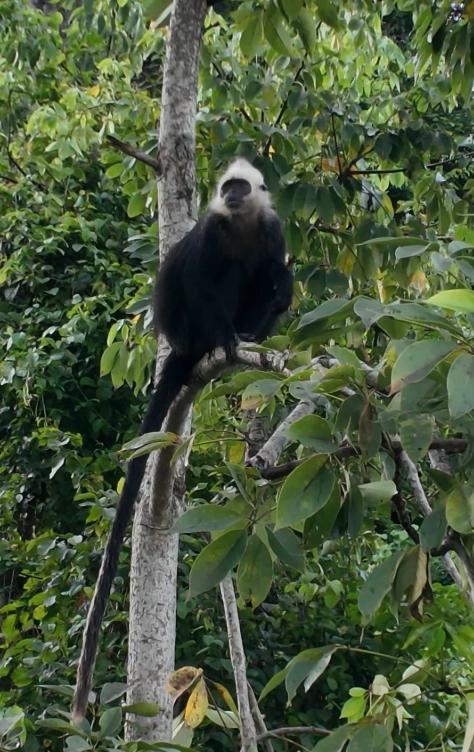
Why Visit the White-headed Langur National Nature Reserve?
The white-headed langur is one of the rarest primates on Earth, with only around 1,500 individuals left, and nearly all of them live in the karst forests of Guangxi’s Chongzuo area. This reserve is your best shot to see them in the wild. Even if you don’t spot a monkey, the jagged limestone peaks and dense green valleys are worth the ride. It’s a quiet, off-the-beaten-path gem that most tour groups skip.
How to Get to White-headed Langur National Nature Reserve from Chongzuo
You have four main ways to make the trip from Chongzuo city to the reserve. Let me break them down honestly.
Option 1: Taxi or Ride-Hailing (Easiest)
The simplest and most reliable method is to grab a DiDi (China’s Uber) from your hotel. The drive covers about 30 kilometers and takes 40–50 minutes depending on traffic. Expect to pay roughly 100–150 yuan one-way. Before you leave, download the DiDi app and link your international credit card — it works well for foreigners. If DiDi gives you trouble, ask your hotel front desk to call a taxi and agree on a price beforehand. Show the driver this Chinese address: 白头叶猴国家级自然保护区(板利片区) — it translates to “White-headed Langur National Nature Reserve (Banli Section)”. I always tell my clients to keep it on their phone screen.
Option 2: Public Bus (Cheapest but Tricky)
Yes, there is public transit, but it’s not for the faint-hearted. Buses from Chongzuo Bus Station run to Luobai Township, but schedules are irregular and often packed. From Luobai, you’ll need to hop on a local motorcycle or walk the remaining 8–10 km. I’ve tested it myself, and it took over 2 hours each way. If you’re a hardcore budget traveler with a full day, it’s possible, but for 95% of visitors, I’d skip it. The money you save isn’t worth the stress and missed monkey-viewing time.
Option 3: Self-Drive (Flexible)
If you’re comfortable driving in rural China, self-driving gives you total freedom. From Chongzuo, take the G322 national highway toward Luobai Township, then follow the signs to the reserve. The road is paved and in decent shape, but it winds through countryside, so allow extra time. There is free parking at the visitor center. You’ll need an International Driving Permit translation and a rental car from a company like AutoNavi or China Auto Rental. Just be aware that police checkpoints occasionally ask for your license and rental agreement.
Option 4: Join a Local Tour (Stress-Free)
Many Chongzuo hotels and travel agencies offer half-day tours specifically to the langur reserve. This is what I recommend for photographers and anyone who wants expert guidance. The tour typically includes hotel pickup, transport, and a local naturalist who knows where the monkeys hang out. Prices range from 200 to 400 yuan per person — depending on group size. You can book through Trip.com or Klook well in advance.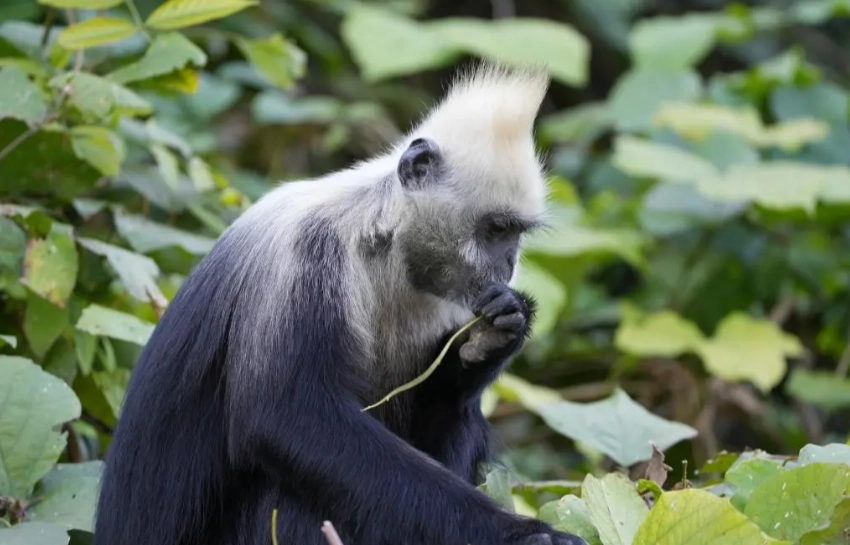
Taxi, Bus, or Self-Drive: Which Option Is Right?
Here’s a quick comparison to help you choose. I’ve based this on dozens of trips with my guests:
| Option | Duration | Estimated Cost | Difficulty | Best For |
|---|---|---|---|---|
| Taxi / DiDi | 40–50 min | 100–150 CNY | Easy | First-timers, families, short day trips |
| Public Bus | 2–3 hrs | 20–40 CNY | Hard | Budget backpackers with extra time |
| Self-Drive | 40 min | Rental + gas (~200 CNY/day) | Medium | Confident drivers who want flexibility |
| Local Tour | Half day | 200–400 CNY | Easy | Photographers, guided experiences |
As you can see, the taxi or tour option saves you hours and headaches. I always say —your time is better spent watching monkeys than waiting for a bus that never comes.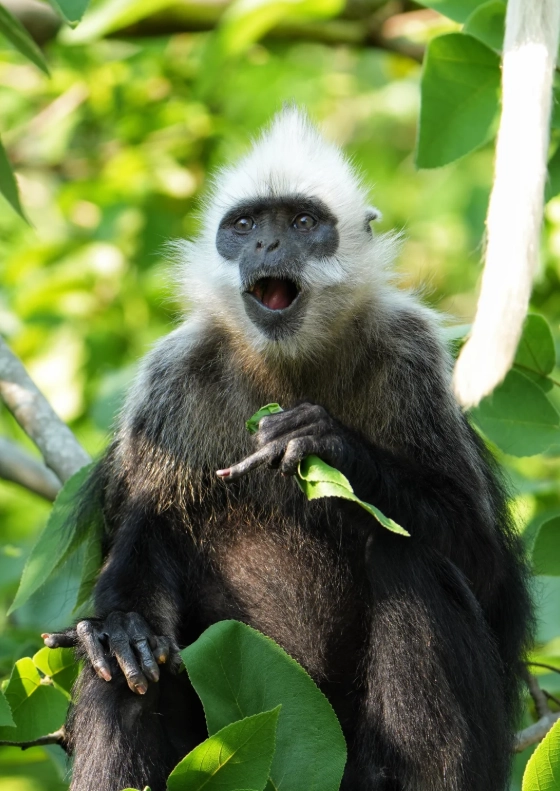
Tickets, Hours, and Booking: What Should I Know?
You absolutely must book your visit in advance, even though the entry ticket is currently free. The reserve has strict visitor limits to protect the langurs. Without a booking, they may turn you away at the gate — and that’s a two-hour trip wasted.
- Booking method: Use the official WeChat mini-program (Chinese only) or an approved third-party like Trip.com. Mini-program navigation is a nightmare even for me, but your hotel concierge can help you in 5 minutes.
- Passport required: You must register your passport number and name exactly as on your passport. Do this at least 24 hours before your visit.
- Opening hours: The reserve is open from 8:00 a.m. to 6:00 p.m., but the best monkey activity is before 9:00 a.m. I recommend arriving at 8:00 a.m. sharp, right when they open.
- Last entry: They typically stop admitting new visitors at 4:00 p.m. — but with the early morning recommendation, you won’t be there anyway.
If booking fails, don’t panic. Call the reserve office directly (ask your hotel to translate) or arrive before 9 a.m. and politely explain. Sometimes they have same-day slots in the quiet season. But I wouldn’t rely on it.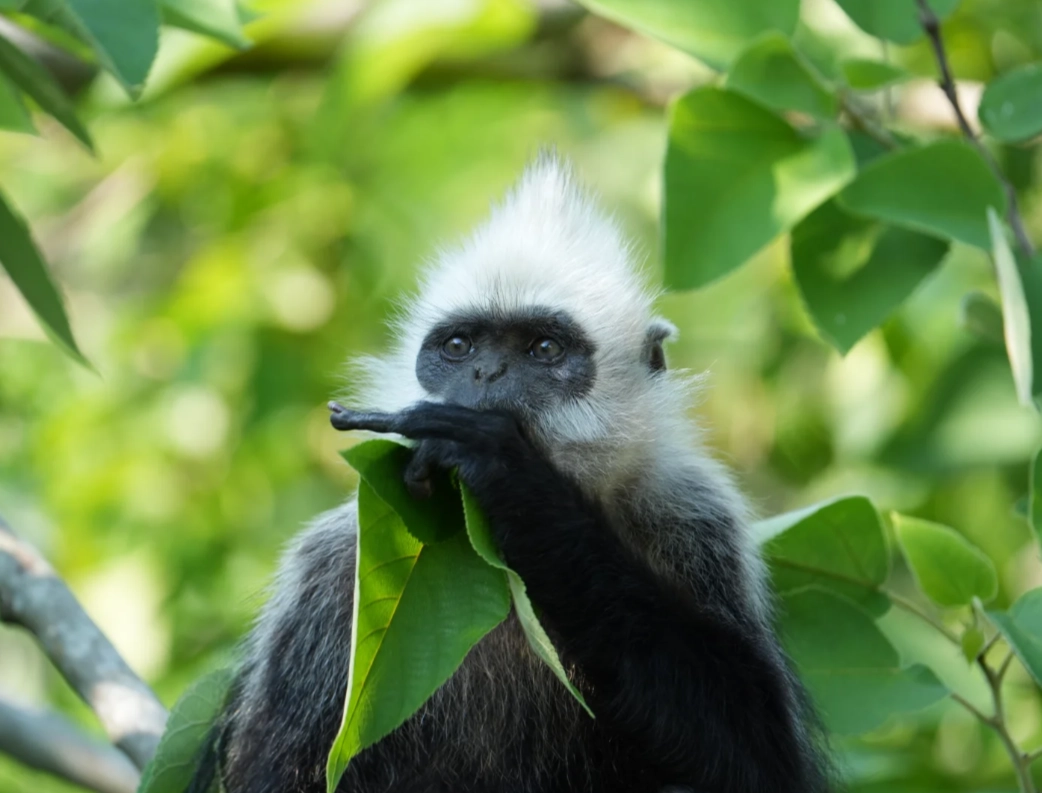
What Is the Best Time of Day to See the Langurs?
The golden window is from 6:30 to 9:00 a.m., when the langurs descend from their limestone cliffs to the riverbank to drink and feed. By 10 a.m., the heat drives them back into the shade, and they sleep the rest of the day. I’ve lost count of how many tourists I’ve seen leave disappointed because they arrived at noon.
My favorite tip: aim to be at the main viewing platform by 7:00 a.m. You’ll have the place nearly empty, and the morning light makes the langurs’ gold-tipped fur glow. On an overcast day, they often stay active longer — so if it’s cloudy, you’re in luck. Remember, no loud noises or bright clothing; these creatures are skittish.
What Should I Bring and How Should I Pay?
Payment at the reserve is almost exclusively via WeChat or Alipay — cash is rarely accepted, and credit cards are not taken. I tell all my guests to set up Alipay with an international card in advance, because it’s the most foreigner-friendly option. Carry 100–200 yuan in cash as a backup for your taxi ride, but don’t expect the ticket booth to take it.
Here’s your packing checklist:
- Binoculars or a zoom lens — the monkeys can be 50 meters away.
- Light rain jacket — sudden showers are common in summer.
- Insect repellent — the forest trails have plenty of mosquitoes.
- Sturdy shoes — some paths are steep and slippery, especially after rain.
- Water and a snack — there are no restaurants inside the reserve, only a small kiosk at the entrance.
- Your passport — they check it against your booking.
Network and navigation: Google Maps won’t work well in this area. Use Apple Maps or the AMap app (Gao De) for accurate directions. I also recommend downloading the Chinese offensive translation pack in Apple Translate before you leave the hotel, because data signal drops in the mountains.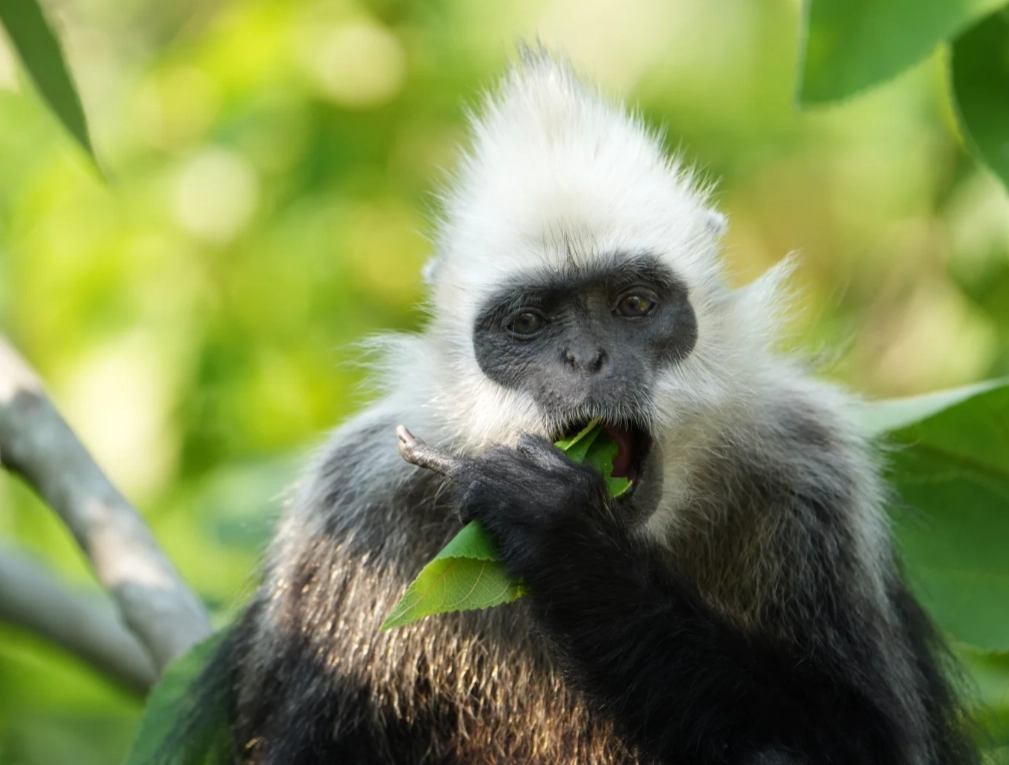
Insider Tips Nobody Tells You
Most guides will tell you to “go early” but miss the real struggle: the booking system. I can’t tell you how many times I’ve stood at the gate with clients whose WeChat mini-program wouldn’t load. Finally, I started having the hotel receptionist do it for us. That’s the hack — just hand your phone to your hotel front desk and smile. It takes them two minutes, and they’re pros at it.
Another thing: some taxi drivers drop you at the wrong spot. The reserve is inside the Banli forest area, and there’s a wooden sign at the entrance. Before you get in the car, show the driver your booking confirmation, which also has the Chinese address. Once you’re in the car, double-check that he’s taking you to “板利” not just “罗白”. I once had a driver take me to the township because he thought the reserve was closed — it was a 20-minute detour.
Also, the last restroom before the entrance is at the visitor center. Use it before you walk the trails, because the forest paths have no facilities. And don’t even think about finding coffee or a proper toilet beyond the gate — it’s truly wild out there.
Here’s a non-standard tip: consider hiring a local guide inside the reserve. They know exactly which cliff the langurs are feeding from each morning. The official guides are stationed near the entrance and charge around 80 yuan for an hour. It was the single best upgrade I made for my photography clients — they got twice as many good shots.
FAQ: Getting to the Reserve from Chongzuo
Verified and fact-checked by the editorial team.





Came during the rainy season and was a bit worried about road conditions. Thanks to this guide, I took the alternate route through Jiangzhou and it was totally fine in a regular car. The instructions about parking at the education center and walking to the viewing platform are exactly what I needed. I’m a photographer, and using the article’s tip to arrive right after the gates opened allowed me to get a clear shot of a langur with its golden baby. This guide should be at the top of every traveller’s list.
I’ve been trying to see white-headed langurs for years, and this article’s route planning finally made it happen. The ‘minibus + hired motorcycle’ tip from Chongzuo to the reserve might sound daunting, but it’s straightforward if you follow each sentence. The quiet-approach advice at the end paid off: we saw a group feeding in a tree above the former village site. The air smelled like wet earth and the forest was silent except for langur calls. Absolutely recommend this guide to anyone making the trip.
This route guide made the trip completely stress-free. My wife and I rented a car in Chongzuo and followed the scenic river road exactly as suggested. The stops for photos of the Zuojiang River and the limestone peaks were unreal. We reached the reserve gate before 9:30 and had the main trail almost to ourselves. Watching a family of white-headed langurs leap between the karst cliffs was the highlight of our whole Guangxi trip. The map was spot on. Five stars.
As a solo traveler without a car, I loved that this article included bus and taxi options, not just self-driving. I followed the bus route from Chongzuo Bus Station to the visitors’ center and it worked out. Only minor issue: the shared van dropped me closer to the old entrance, so I ended up walking 1.5 km on a gravel path instead of the 500m mentioned in the guide. Not a big deal, but worth knowing. Saw three langurs right near the cliff at golden hour, so overall a solid four stars.
Used this route guide last weekend to drive from Chongzuo to the reserve. The directions were mostly clear, but we missed the turning at Bapen because the landmark mentioned, the big mango sculpture, didn’t seem to be there anymore. Ended up doing an extra 40 minutes on some very bumpy farm roads. The reserve itself was great once we arrived, and the staff pointed us to the right trail for langur watching. Still, I’d suggest updating the route notes if that sculpture is gone.