 Ming Yang
What You'll Learn in This Guide
- The Short Answer: Best Time to Visit Ban Gioc-Detian Waterfall
- Seasonal Breakdown: Best Months for Ban Gioc-Detian Waterfall
- Best Time of Day to Visit Ban Gioc-Detian Waterfall
- How Weather and Water Flow Affect Your Visit
- Getting to Ban Gioc-Detian Waterfall
- Practical Tips for Foreign Travelers: Payment, Navigation, Booking
- Insider Secrets to Beat the Crowds
- A Realistic 1-Day Itinerary for Ban Gioc-Detian Waterfall
- FAQs About Visiting Ban Gioc-Detian Waterfall
- Final Thoughts
Here's the truth. Most travelers come to Ban Gioc-Detian Waterfall during the summer months, and they end up staring at a muddy brown cascade. I've seen it hundreds of times. The real magic happens somewhere else.
If you're searching for the best time to visit Ban Gioc-Detian Waterfall, you probably already know that this remote waterfall on the Vietnam-China border is not a stop on the usual tourist trail. The challenge? Planning a trip that aligns with the water flow, the weather, and your own tolerance for crowds.
Here's my no-nonsense answer: the sweet spot is October to November, when the rainy season has just ended, the water is still powerful, but the sky clears up. During those weeks, you get dramatic flow without the summer chaos. Now, let me break down exactly why that works.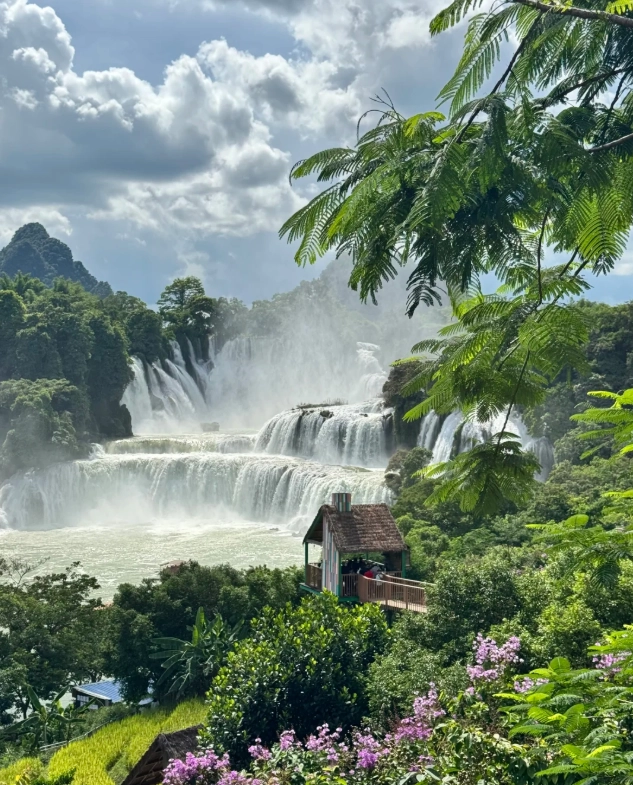
The Short Answer: Best Time to Visit Ban Gioc-Detian Waterfall
The prime window is late September to mid-November. You get the tail end of the wet season's water volume combined with clearer skies and cooler air. If you want maximum water flow, aim for late September to early October. The trade-off is possible morning mist. Late October and November are drier but water flow drops gradually.
I always tell my clients to avoid June to August unless you don't mind daily thunderstorms and swollen, brown water. Also, Vietnamese holidays like National Day (September 2) and Chinese Golden Week (early October) pack the area with domestic tourists. Mark my words — you'll wait forever for a shuttle boat.
Seasonal Breakdown: Best Months for Ban Gioc-Detian Waterfall
To make your planning easier, I've crunched the climate data from the local weather station in Trung Khanh district and combined it with my years of guiding. Here's what you can expect month by month.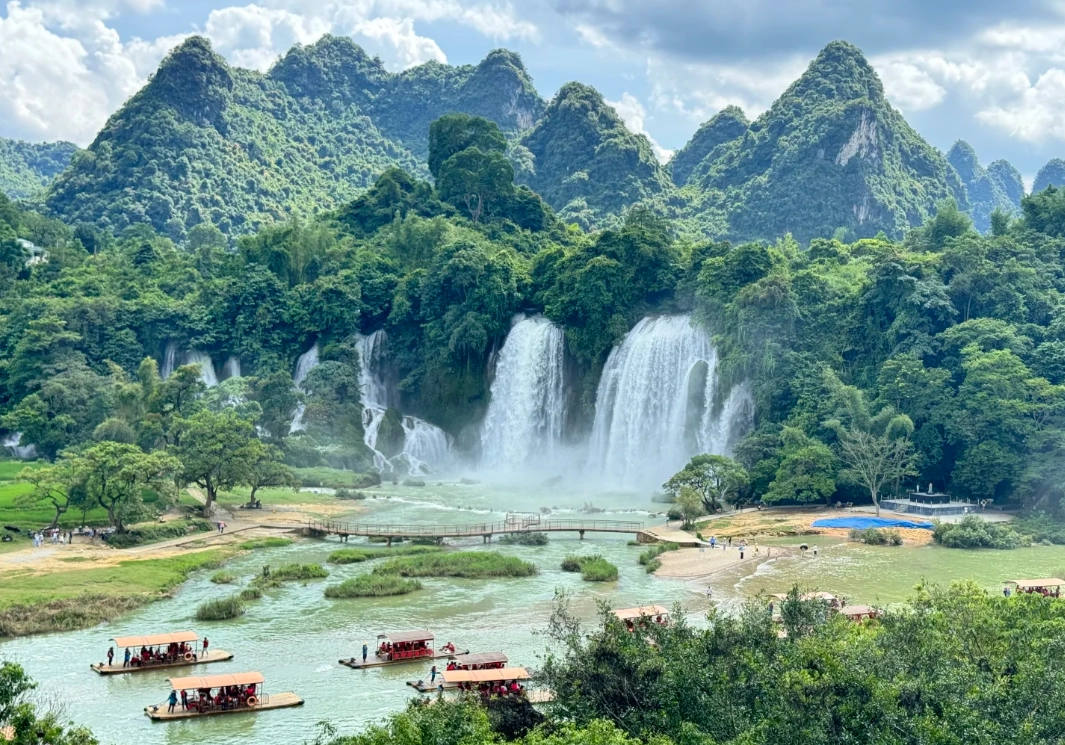
| Month | Water Volume | Weather | Crowd Level | Verdict |
|---|---|---|---|---|
| January | Low | Cool (12–20°C), occasional fog | Quiet | OK |
| February | Low | Mild, dry | Quiet | OK |
| March | Moderate | Warming up, some drizzle | Moderate | Good |
| April | Moderate | Hot start to wet season | Moderate | Good |
| May | High | Wet, 30°C+ | Rising | Muddy water |
| June | Very High | Heavy rain, flood risk | High (holidays) | Avoid |
| July | Very High | Monsoon peak | High | Avoid |
| August | Very High | Monsoon, mudslides possible | High | Avoid |
| September | High | Still wet early, clearing late | Moderate | Good late month |
| October | Peak | Clear, comfortable | Moderate (Golden Week) | Excellent |
| November | Declining | Cool, dry | Quiet | Excellent |
| December | Low | Cold, fog | Quiet | OK |
October is the golden month for photography. The water is still roaring, the vegetation is lush, and the sky often has that crisp high-altitude blue. But I've also seen incredible mornings in late September when the mist lifts after sunrise—those soft, dreamy shots are impossible in peak summer.
What About the Dry Season?
The dry season runs from November to April. Water levels drop significantly, especially in the side channels. You'll see the main falls narrower but clearer and greener. If you prioritize swimming in the upstream Phat Tich Lake or walking across the border stones, dry season is fine. But if you want the almighty roar, not so much.
Shoulder Season Sweet Spots
My personal favorite week of the year is the last week of September. The monsoon has just retreated, the waterfalls are at full throttle, and the tourist buses haven't arrived yet. The only downside: unpredictable typhoon remnants. Always pack a rain shell and check the weather forecast for Cao Bang province before you set off.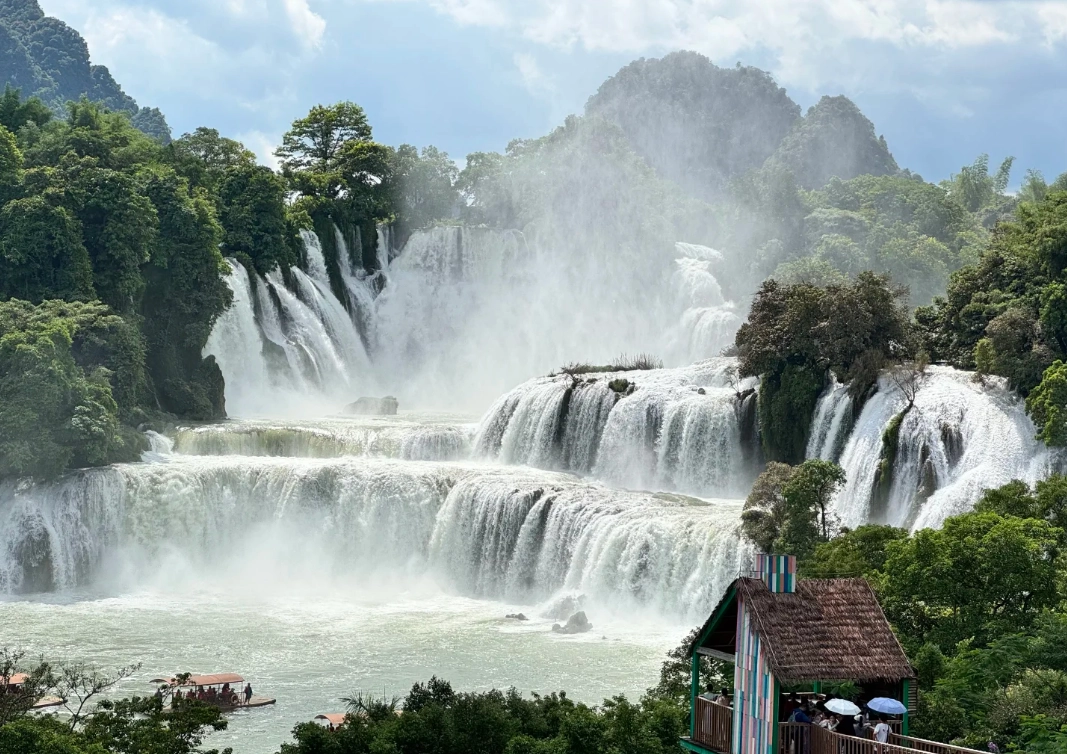
Best Time of Day to Visit Ban Gioc-Detian Waterfall
Go as early as possible — before 9 AM. Why? The area is on the border, and boat operators start buzzing by 10 AM. I've been there at 7:30 AM and had the entire viewpoint to myself. The morning light also hits the falls directly, reducing the backlight problem.
If you're not a morning person, the second-best window is around 3 PM to 5 PM. Late afternoon light adds a warm glow to the limestone cliffs. However, the crowd situation is the reverse of the mornings — busloads of day-trippers are still around. And by 5:30 PM, security starts clearing the area, so you'll have limited time.
Pro tip: Skip the midday. The sun sits directly above, creating harsh shadows and burning your skin. Also, the water spray often creates rainbows that are washed out in flat light. I always make my clients bring a polarizing filter for this exact reason.
How Weather and Water Flow Affect Your Visit
Ban Gioc-Detian Waterfall is fed by the Quay Son River, which rises dramatically after rain. In the wet season (May–September), the river turns the color of strong coffee and thunders over the cliff. In the dry season, the flow drops to a trickle in some places. That's why the best time to visit Ban Gioc-Detian Waterfall is a delicate balance between high water and stable weather.
Local weather patterns are microclimate-heavy due to the karst mountains. It can be sunny at the border while Cao Bang town is soaked. I've learned to check the satellite cloud imagery via the Windy app and count on my hosts' inside knowledge.
Here's a trick only locals know: the water level is highest right after a rainfall, but the visibility is terrible for half a day. Wait 12–18 hours after the rain stops, and the water becomes a stunning turquoise again while still retaining high volume. That's the sweet spot for a photo.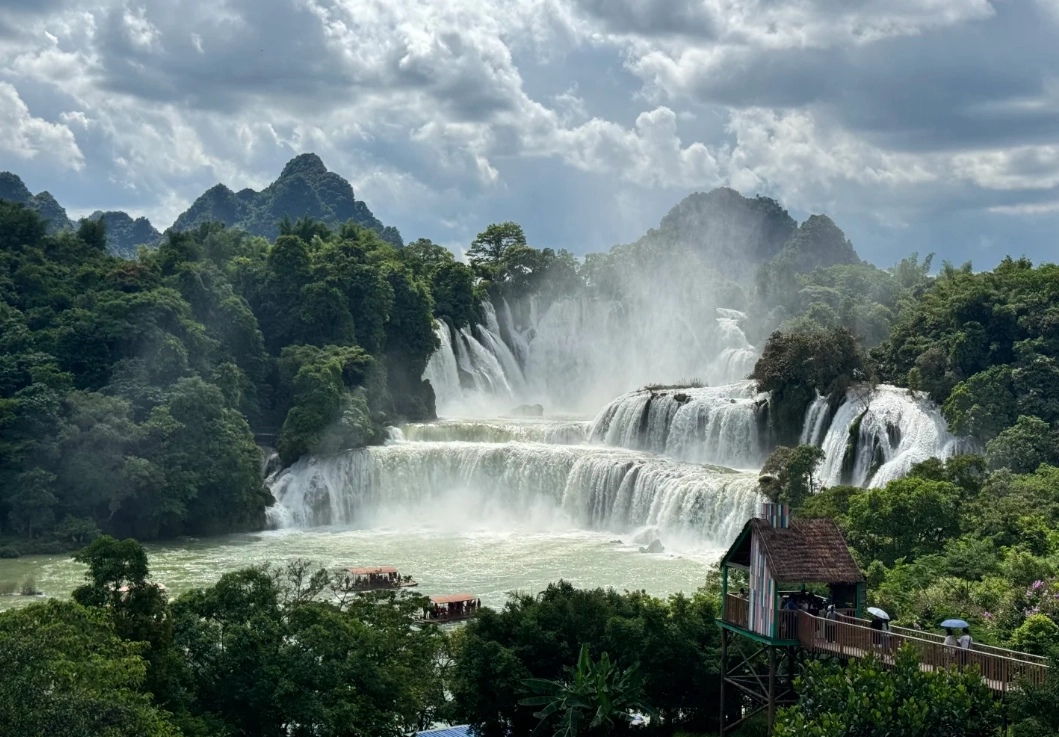
Getting to Ban Gioc-Detian Waterfall
The waterfall sits on the border between Vietnam's Cao Bang province and China's Guangxi region. The main entrance for international tourists is on the Vietnamese side, and that's also where organized tours come. Here's how to get there without losing your mind.
From Hanoi to Cao Bang
You have plenty of options. Overnight sleeper buses from Hanoi's My Dinh station take about 8–10 hours and cost 250,000–350,000 VND. They stop at Cao Bang city, from which you need a local shuttle or taxi to the waterfall (about 90 km more).
The more efficient way is to book a direct minivan or private car through your hotel or a company like Klook (which I've used for clients many times). The door-to-door ride takes about 6 hours if traffic is kind.
From China Side
If you're already in China, the Detian section is accessible from Daxin County in Guangxi. The Chinese entrance charges around ¥80. But note: crossing the international border at the waterfall itself isn't allowed for foreigners without proper visa. So basically, you choose one side and stick with it.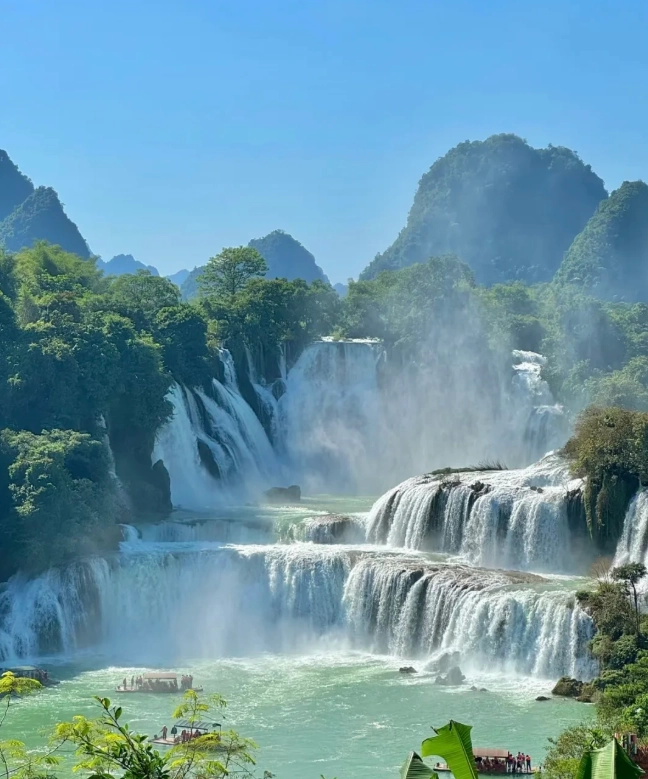
Practical Tips for Foreign Travelers: Payment, Navigation, Booking
Let me save you from the common pitfalls I've watched tourists stumble into for years.
- Cash is king on the Vietnamese side. The ticket office only accepts Vietnamese dong (cash). There's an ATM in Cao Bang town, but don't expect one at the waterfall. Bring enough cash for the entrance fee, boat ride, and snacks. The boat ride costs about 50,000 VND per person and is worth every dong.
- Google Maps is useless here. It often shows a route that goes through China, which you can't cross. Use Apple Maps with 'Thác Bản Giốc' or the Vietnamese name. I always pre-download maps in offline mode via Maps.me.
- Book your transport in advance. Especially during peak months. Use a local tour operator or an English-friendly platform like Tripadvisor or Klook. Don't rely on Grab — it's unavailable around the waterfall.
- VPN is a must. If you're crossing from China, you'll need a reliable VPN to access Google, WhatsApp, and Instagram. Set it up before you arrive.
- Translation app. English is not spoken widely around Cao Bang. Download the Vietnamese language pack on Google Translate for offline use.
- Your passport is your ticket. The Vietnamese side requires the original passport to buy tickets and register you at the border checkpoint. Don't leave it at the hotel.
Insider Secrets to Beat the Crowds
Everyone thinks you have to stand on the official viewpoint. But there's a lesser-known rock shelf about 200 meters downstream where no tour group goes. To find it, walk past the wooden bridge to the small dirt path on the right. You'll see a bamboo fence; follow it for 5 minutes. The view is completely different — you'll see the full two-tier drop and often the rainbow forms right in front of you.
Another insider move: stay overnight in a homestay near the waterfall. I recommend the village of Dam Thuy or even the Gioc waterfall area itself. Waking up at 6 AM gives you the empty waterfall and the morning chorus of birds. Many clients ask why social media posts look so ethereal — this is why.
Here's the catch about Chinese Golden Week (October 1–7): it's one of the busiest times on the Chinese side, and it spills over to the Vietnamese side too. The border guards double the security checks, and boats queue for 30 minutes. My advice: avoid the first five days of October if you possibly can.
A Realistic 1-Day Itinerary for Ban Gioc-Detian Waterfall
Let me walk you through an efficient day, based on the trips I've organized countless times.
- 6:30 AM — Start from Cao Bang city with a private car (booked through your hotel). Bring breakfast to eat en route.
- 8:15 AM — Arrive at the ticket gate. Buy tickets (passport required), park, and walk to the main viewpoint. You'll beat 90% of travelers.
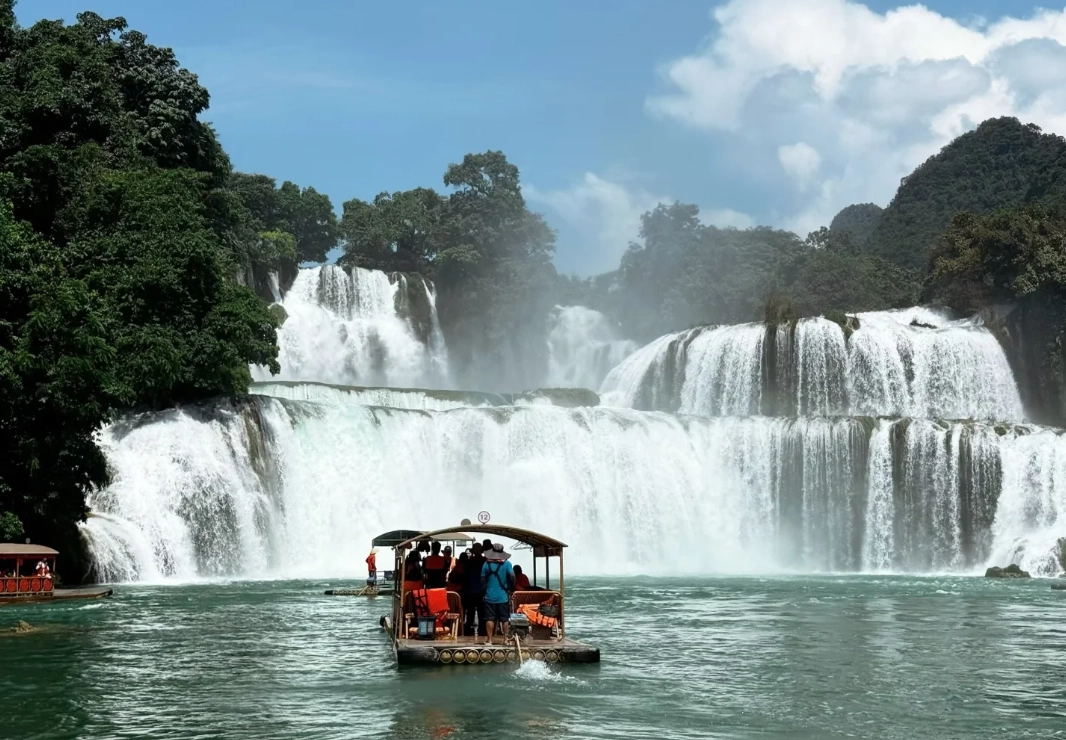
- 9:00 AM — Take the bamboo raft boat for a 30-minute bang-up ride near the falls. Wear a raincoat; you will get wet. This is the best money you'll spend.
- 10:00 AM — Find the secret rock shelf I mentioned. Take your money shot. Morning light is still decent until 11 AM.
- 11:30 AM — Head to the local coffee shop near the parking lot. Try the 'cà phê sữa đá' with a view of the falls.
- 1:30 PM — Explore Phat Tich Lake, a 5-minute walk upstream. It's a hidden turquoise pool that appears right after the rainy season.
- 2:30 PM — Visit the border marker stones (no exit stamp needed, just a walk).
- 4:00 PM — Start driving back to Cao Bang or onward to Ba Be Lake, depending on your schedule.
If you're a photographer, swap the timing: arrive at 3 PM, stay until the last security sweep around 5:30 PM, and capture the golden hour. The light hits the falls from the west, making it glow.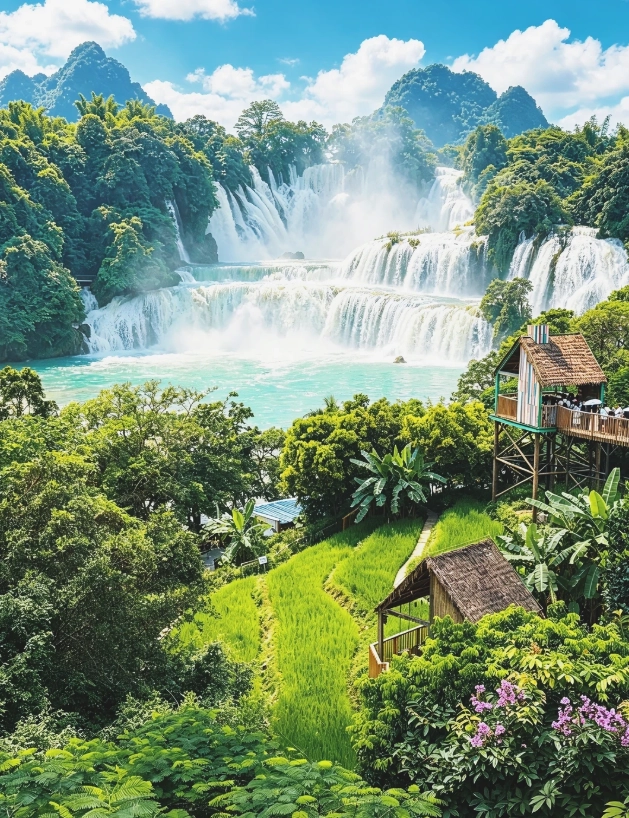
FAQs About Visiting Ban Gioc-Detian Waterfall
Final Thoughts
The best time to visit Ban Gioc-Detian Waterfall is ultimately a trade-off between water volume, weather, and crowds. Now you know the inside scoop: aim for October, go early in the morning, and bring cash. If you plan smart, you'll see why this remote marvel deserves a place on your Southeast Asia itinerary.
I've been lucky enough to watch the falls in every season — from the angry brown monsoon torrents to the gentle green streams of winter. Each has its beauty, but October hits different. Trust me, your camera roll will thank you.
Verified and fact-checked by the editorial team.






Okay the insider tip is: don't arrive at noon. Get there before the tour boats start. We planned our whole day around sunrise and it was perfect — mist over the river, the falls lit up pink, and the only sounds were birds and water. Later, as we were leaving, the main platform was wall-to-wall with tour groups. The pathway on the Chinese side was also visible, super interesting to see people waving at us. This is a genuinely special place. Bring a rain cover for your camera and wear sandals that can get wet. Best natural sight in Vietnam, hands down.
I had read a lot about Ban Gioc but photos don't do it justice. The sheer scale of the waterfall, especially when you're on the boat, is jaw-dropping. We visited at the start of December — the water was a striking turquoise and the rice fields along the way were golden. The border guard station added a quirky touch; you can walk right up to the Vietnam-China border marker. Our guide from Cao Bang city explained the history and the local people. The boat fee is separate from entrance, but the boat ladies were sweet and joked around. Worth every dong. If you have one day to get away from the Cao Bang loop, do this.
Hands down one of the best days of our Vietnam trip. We went on a bright morning after a night of rain, so the waterfall was thundering — white water tumbling over every ledge. You can take the bamboo raft right up to the falls and get soaked; the feeling of the spray on your face is unforgettable. We stayed at a little homestay in Quy Xuong and rode scooters to the entrance. The staff at the ticket booth were friendly, and the walk along the riverside was peaceful before the crowds. Go early and just sit on the rocks for a while. Magic.
Came in late October after reading tips about the dry season. The water was lower but you could clearly see the three tiers and the border markers. We arrived at 8:30 and had the viewpoint almost to ourselves for 20 minutes. By 10 the tour buses from Cao Bang started rolling in. Only reason not 5 stars: the entrance staff didn't explain the hiking route, and the path to the viewing deck is poorly marked. Still, the karst mountains around the falls are unreal. Definitely combine with a homestay nearby.
Visited during the rainy season and honestly the road was a nightmare. The waterfall itself is massive, but we couldn't see the full Detian side because of fog and spray. The viewing paths were muddy and the little bridge got super crowded. The boat ride is 30 minutes of being soaked and honestly not worth the money. If you come, go in late November — dry season and clearer water. Nice place, just check the weather before you make the drive.