 Ling Wu
What You'll Find Inside
I remember the first time I guided a group to this corner of Guangxi. Everyone was exhausted from the three-hour drive from Detian Waterfall. But as we stepped onto the riverbank, the mist lifted, and one client whispered, 'This is what I came for.' Mingshi Countryside — a string of karst peaks, rice paddies, and a lazy river — still feels like a secret. Most foreign tourists stick to Guilin or Yangshuo, missing this quieter, more intimate landscape. The good news? It's easy to visit if you know exactly what to expect. I've been here a dozen times, and I'll share the insider details that most guides skip—including how to avoid the ticket counter headache and when the light turns magical.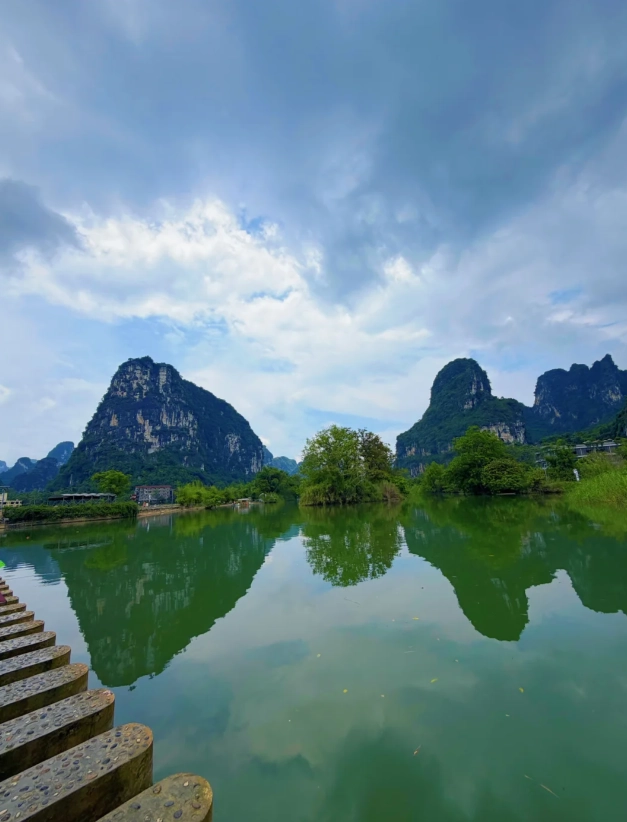
Why Mingshi Countryside Wins Over Guilin
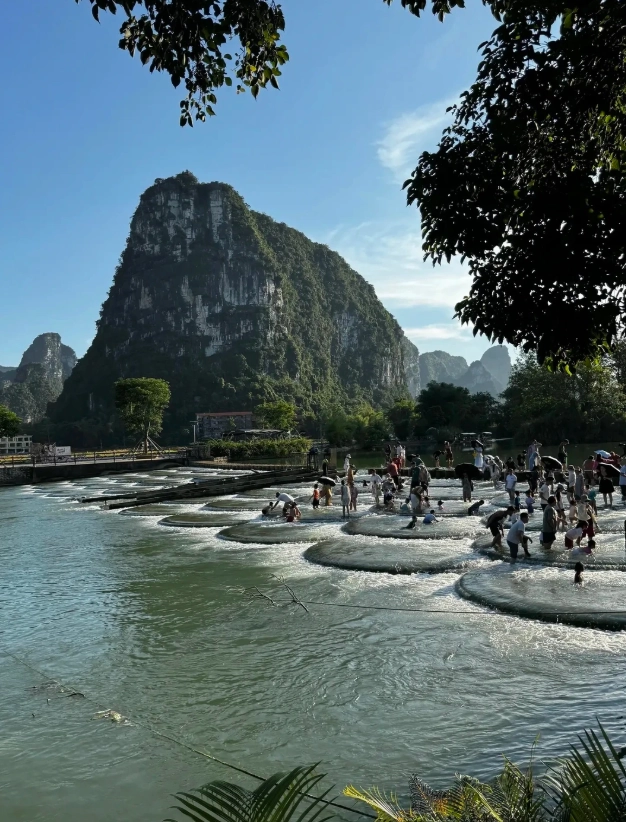
Mingshi Countryside (明仕田园) is a rural region in Daxin County, Chongzuo, Guangxi, about 30 kilometers from the Vietnamese border. Its name comes from the Mingshi River, which winds through the village. The landscape is pure karst - towering limestone peaks rise out of emerald rice paddies, and the river is lined with bamboo. It's often compared to Guilin, but it's far less commercialized. You won't find hawkers screaming at you or a thousand tourist boats jostling for space. Instead, you'll see farmers plowing the fields and water buffalo bathing in the shallows.
I always tell my clients: If you want a postcard-perfect Karst scenery with peace, come here. Guilin is a circus; Mingshi is a meditation. But because it's less famous, infrastructure is basic. That's exactly why you need a plan.
How to Get to Mingshi Countryside
Getting to Mingshi Countryside is the biggest hurdle for foreign visitors. There is no direct high-speed train. The most common approach is to combine it with Detian Waterfall, which is only 25 km away. From Detian, you can negotiate a taxi for about 50-80 RMB per car (20 minutes). But word of mouth: don't flag down a 'black taxi' near the Detian parking lot. Use the hotel to book a driver or use a ride-hailing app like Didi or Amap. But note: Didi is available in Chinese, but you can ask your hotel to help.
From Nanning, the capital, you can take a high-speed train to Chongzuo (around 1 hour) and then a bus or taxi to Daxin (another 1.5 hours). The total travel time is about 3 hours. There are also direct tourist buses from Nanning to Detian Waterfall that pass by Mingshi, but they're seasonal and often leave early. I'd recommend hiring a private driver for the day if you're in a group of three or more - it's more comfortable and only a bit more expensive.
From Chongzuo city, take a city bus to Daxin County (about 1.5 hours) and get off at Mingshi if you tell the driver. But the bus drops you on the main road, still a 1 km walk from the ticket office.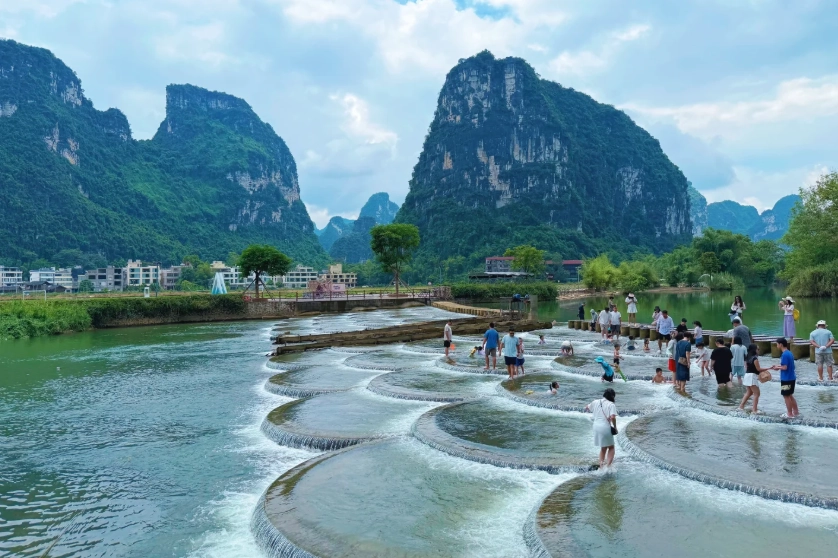
Navigation tip: Google Maps will not work reliably here. Download Apple Maps or AMap before you arrive, and set your destination to 'Mingshi Countryside' (明仕田园). For offline translation, use Baidu Translate.
| Route | Travel Time | Best For | Notes |
|---|---|---|---|
| From Detian Waterfall | ~30 min by car | Those combining with Detian | No public bus — hire a taxi or arrange with hotel |
| From Nanning | ~3 hrs by bus or train + taxi | Independent travelers | Take high-speed train to Chongzuo then taxi; or direct long-distance bus to Daxin |
| From Chongzuo | ~1.5 hr by bus or car | Budget travelers | Buses from Chongzuo Bus Station to Daxin; get off at Mingshi (ask driver) |
Insider Advice: If you're planning to visit both Detian Waterfall and Mingshi in one day, start extremely early. Detian's morning mist makes it spectacular, and then you'll reach Mingshi by lunch, when the afternoon light hits the rice paddies. Don't try to do the reverse - the afternoon sun in Detian is harsh.
Fees, Opening Hours and Booking Tips
The scenic area is open from 8:00 to 17:30, with the last bamboo raft departure usually at 16:30. Entry fees are moderate, but the pricing structure can confuse. The most common ticket is the 'entry + raft' combo, which includes the riverside walkway and a 45-minute raft ride. You can also buy just the entry ticket if you only want to walk.
Tickets are available at the gate, but be prepared to wait in line during holiday periods. And critically, the ticket booth only accepts QR code payments (Alipay/WeChat) and cash - international credit cards won't work. To avoid any language barrier, I strongly suggest booking through Trip.com or Klook in advance. These platforms are English-friendly, and you'll receive a QR code to scan at the entrance. You'll need your passport for the booking, and you'll still need to show your passport at the gate.
| Ticket Type | Adult Price (RMB) | Inclusions | Notes |
|---|---|---|---|
| Entry Only | ~80 | Riverside walkway & village | No raft |
| Entry + Bamboo Raft | ~120 | Walkway + 45-min raft ride | Most popular; last raft at 16:30 |
| Private Boat | ~300-500 | Dedicated boat, flexible schedule | Arrange via tour operator or at booth |
Children under 1.2 meters enter free; senior travelers over 60 may get discounts, but you'll need to queue at the manual counter with your passport to get it. Also, the ticket booth is next to the parking lot. When you arrive, look for the sign with the blue roof. You'll probably be approached by local women offering 'cheap tickets' - ignore them; they're selling unofficial tours that often skip the best part of the river.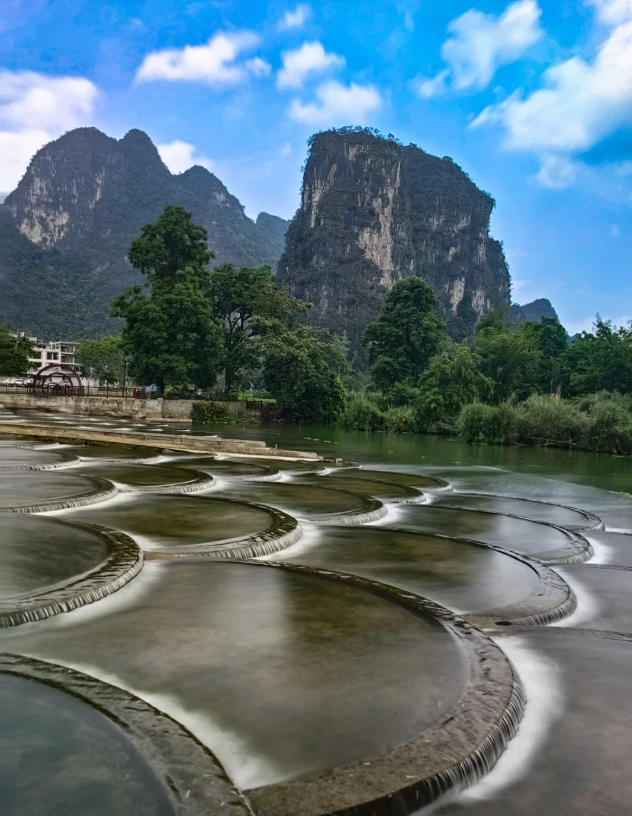
Pro Tip: If you're short on time and want to see the scenery without rafting, you can skip the ticket entirely. The main road around the village offers free viewpoints, especially the bridge on the east side. But to get close to the water, you need a ticket.
The Bamboo Raft Experience
The bamboo raft is the highlight for most visitors. It's actually a long wooden boat, not bamboo, but locals call it a bamboo raft. The ride lasts about 45 minutes, gliding along the Mingshi River. There's no engine hum - just the rhythmic creak of the pole in the water. You'll pass under bridges, see water buffalo cooling off, and stare at karst peaks from unusual angles. It's genuinely peaceful.
However, the rafts are often crowded, so you might share with strangers. If you want a private ride, ask about 'private boat' and be ready to pay double. Also, the rafts have no shade - on a sunny day, the heat can be punishing. I always bring an umbrella or wear a hat.
One thing that surprised me: the boatman may expect a small tip if you ask him to slow down or paddle to a specific spot. It's not mandatory, but a 10-20 RMB note is appreciated. If you're prone to motion sickness? The river is calm, so no worry.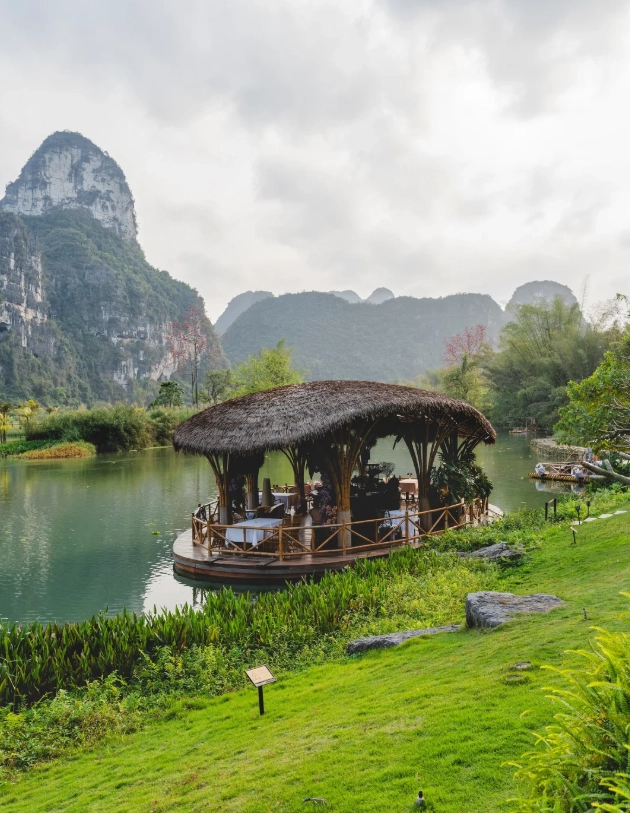
Top Things to See and Do in Mingshi Countryside
The Riverside Walkway
This well-maintained path starts near the entrance and follows the river for about 2 km. It's flat and easy, with plenty of tripod-friendly spots. The highlight is a moss-covered waterwheel at the halfway mark.
Cycling the Countryside
Many guesthouses rent bicycles (about 20-30 RMB per day). The local loop around the village is 8 km, passing rice paddies and lotus ponds. You'll get closer to daily life - old men playing cards under banyan trees, women washing vegetables in the river. If you're lucky, you might be invited to try freshly squeezed cane juice.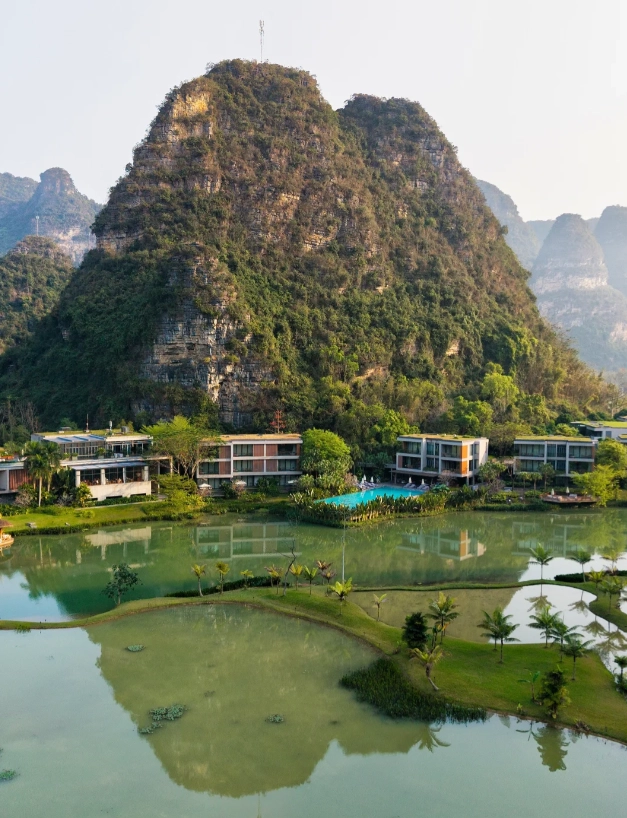
The Stone Bridge at Sunset
Turn right at the entrance, walk 10 minutes along the main road, and you'll find an old stone bridge. This is the number one spot for photos. I've seen professional photographers set up here an hour before sunset. The light behind the karst creates a silhouette that's pure magic.
Explore the Zhuang Village
The village of Mingshi is a traditional Zhuang minority settlement. The houses are stilted wooden structures, with livestock underneath. It's a great place to observe rural life, but please ask before taking photos of locals.
At the end of the walkway, there's a small dock where rafts stop. If you're not on a raft, you can still stand there and wave to the boats - the boatmen will sometimes sing to you.
Where to Stay Near Mingshi Countryside
Staying overnight lets you see the sunrise and sunset without rush. The area has three main options: village homestays, guesthouses close to the entrance, and hotels in Daxin town. In the village, you'll find family-run places with basic rooms (often no air conditioning, but nights are cool). Guesthouses near the entrance offer more amenities, but can be noisy during the day. Daxin town is clean and modern, but you'll need a taxi back to Mingshi (20-30 minutes).
Most local stays will register your passport and expect payment via mobile. Some may ask for a deposit. Expect to pay between 150 and 400 RMB for a double room in a homestay, and 250 to 500 RMB for a nicer guesthouse. I've never had a problem with Wi-Fi at mid-range places, but in remote homestays, the signal can be weak.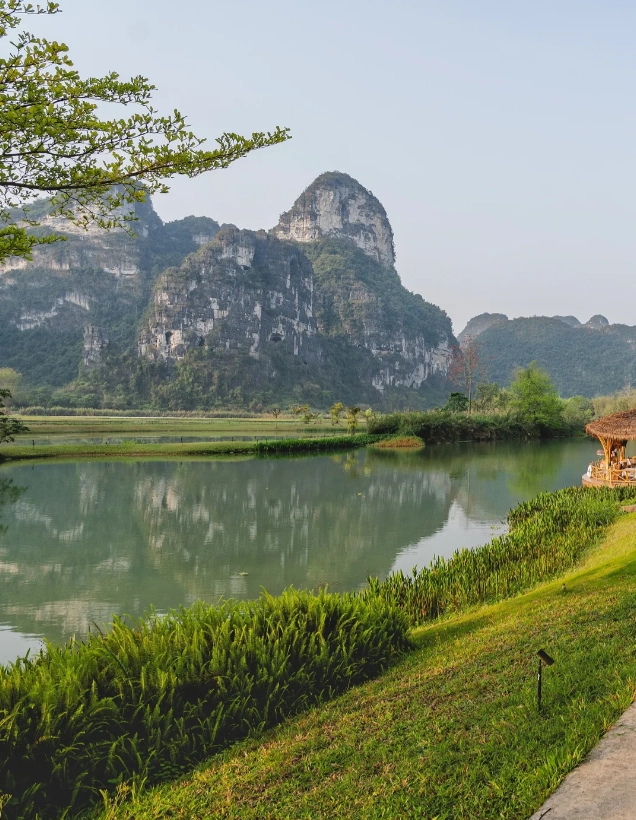
| Accommodation | Distance to Mingshi | Average Night Price | Best For | Notes |
|---|---|---|---|---|
| Village Homestay | 0-0.5 km | 150-400 RMB | Backpackers | Basic, authentic experience; Wi-Fi can be spotty |
| Guesthouse by Entrance | 0.5-1 km | 200-500 RMB | Mid-range | Usually has English-speaking staff |
| Hotel in Daxin Town | ~20 km | 150-300 RMB | Budget & comfort | Need taxi/bus to reach scenic area |
What to Eat Around Mingshi
The food in this part of Guangxi is rustic and lively: exactly what you need after a day outside. The signature dish is fresh river fish, often stewed with sour bamboo shoots and chilies - sour, spicy, and addictive. Another must-try is lotus root soup with pork, especially in the summer. Near the entrance, a few small restaurant rows serve set meals. They don't have English menus, but you can point at the red and white boards or ask the owner to choose. A meal for two with fish and rice noodles will be around 80-120 RMB.
If you're a vegetarian, don't assume the staff understand. Say 'no meat' and show the picture of a vegetable. Better yet, download a Chinese food translation card. For breakfast, try the local rice noodle soup. And don't miss the sugarcane juice stalls at 5-10 RMB a glass - a refreshing break on a hot afternoon.
Photography Tips for Mingshi Countryside
The landscape is photogenic but the light is unforgiving. Avoid shooting from 11:00 to 14:00 when the sun is directly overhead and the rice paddies turn into blinding mirrors. The best light is in the first hour after sunrise (6:30-8:30) and the last hour before sunset (17:30-18:30). The stone bridge is my favorite spot for golden hour.
If you're using a drone, check the rules: drone use is prohibited in the core scenic area (there are no-fly signs), but you can fly at your homestay outside the main zone if you get permission. For the reflection shot, you need a still morning. Mornings are usually calm, but by afternoon, the wind roughens the water. Also, don't forget to turn around - the view behind you often surprises.
Common Mistakes to Avoid
- Relying on Google Maps: Use Apple Maps or AMap. I've seen tourists stuck in rice fields because Google sent them down a farmer's path.
- Booking tickets at the last minute: During national holidays (e.g., Chinese New Year), ticket lines can exceed 1 hour. Reserve on Trip.com.
- Expecting a 'Disneyfied' entrance: The facilities are rural. There are no big gift shops. Don't be disappointed.
- Taking a rickshaw from the parking lot to the ticket office: It's a 3-minute walk. You'll pay 10-20 RMB for nothing.
- Wearing open-toed shoes on the raft: Not dangerous, but if it rains, you'll get wet. And the wooden planks can be slippery.
- Ignoring the weather: Check the forecast. If heavy rain is predicted, the river may rise and rafts might be suspended. Have a Plan B (Detian Waterfall is nearby).
Mingshi Countryside vs. Guilin vs. Halong Bay
If you're weighing destinations, here is a quick comparison table.
| Feature | Mingshi Countryside | Guilin/Yangshuo | Halong Bay |
|---|---|---|---|
| Scenery | Karst + river + rice fields | Karst + river + bigger crowds | Limestone islands + sea |
| Crowd Level | Low | High | Very High |
| Activities | Bamboo rafting, cycling | Boating, hiking, cycling | Cruise, kayaking |
| Accessibility | Remote but manageable | Very Easy | Need boat tour |
| Price | Budget to mid | Mid | Expensive |
| Best for | Peaceful photography | Adventure | Iconic seascape |
Which should you choose? If you like small villages and authentic cycling, pick Mingshi. If you want backpacker bars and rock climbing, go Yangshuo. If you want a cruise among limestone islands, Halong Bay is your answer. For most travelers, I suggest combining Mingshi with Detian Waterfall and then heading to Halong Bay via Hanoi - that's a well-rounded itinerary for a one-week trip.
Frequently Asked Questions
Can I visit Mingshi Countryside as a day trip from Nanning?
Yes, but it's a long day. The drive is about three hours one way, so you'll have 2-3 hours at Mingshi if you leave early. I'd suggest spending the night near Detian or Daxin to avoid rush.
Do I need to book Mingshi Countryside tickets in advance with a foreign passport?
In most cases, you can buy at the gate, but advance booking helps you skip the ticket process and may get a discount. On Trip.com, you can reserve with your passport info. In any case, your passport is required at the counter - no exceptions.
Are international credit cards accepted at Mingshi Countryside?
No. The ticket office, restaurants, and shops generally accept Alipay/WeChat Pay or cash in RMB. International credit cards rarely work. So set up Alipay before you arrive, or bring enough cash.
Is Mingshi Countryside accessible for wheelchair users?
The main walking path is mostly flat and hard-packed, but there are some stairs and a narrow bridge. The bamboo raft has steps, so boarding is tricky. For users with mobility issues, I'd skip the raft and enjoy the entrance area and the path near the parking lot.
What should I do if I can't use the Chinese ticketing mini-program?
Don't panic. Use Trip.com or Klook in English, or ask your hotel to book it for you. The local staff are used to foreigners and can help you pay. Just never rely on the official WeChat mini-program if you don't read Chinese.
Before You Go
Mingshi Countryside is not a place you stumble upon - it's a place you intentionally visit. It rewards those who plan. Once you're here, you'll slow down, breathe the fresh air, and understand why this corner of Guangxi is called 'the land of the earthly paradise.' Pack your patience, embrace the slow pace, and you'll leave with photos that look like paintings.
This content has been fact-checked to ensure informational precision. Prices and hours can change, so always double-check on official platforms before your visit.





It’s okay, but maybe I expected too much. The karst landscapes are pretty, but the village itself is very small and barely has any decent food options. We ended up going back to the hotel for dinner. The farmers were friendly and it was definitely uncrowded, but there wasn’t much to 'do' beyond looking at scenery. Great if you just want to sit still, but don’t come expecting village life activities or easy transport. Saved some money, but the bumps on the dirt road made us rethink.
Very good overall. Mingshi is much quieter than the main tourist loop, and the scenery genuinely rivals the Li River. We did a three-hour walk through the fields and hardly saw another foreign tourist. Only reason not a 5: a few paths were too muddy after rain and the signposts are almost nonexistent. If you go, bring a map or download offline. It’s cheap and peaceful, just prepare for basic facilities.
I’m a budget traveler and this place delivered everything. Dorm bed 50 yuan, rented a scooter for 60, and ate noodles for basically nothing. The scenery is stunning but the real highlight was meeting a local tea farmer who showed us how to pick leaves. No entrance fee for the main paths, no tacky photo spots. You see more by just wandering. Don’t miss the sunset from the bridge near Ming Lu village.
Honestly the best decision we made. After two chaotic days in Yangshuo town, we came here for the sunrise photo walk. Mist hanging over the rice paddies, water buffalo grazing, farmers waving good morning. We paid a grandpa 30 yuan to row us across the river in his bamboo raft. Felt like real rural China, not a theme park. Highly recommend staying one night in the village homestay.
Loved every minute! We spent a day cycling through Mingshi Countryside and it was the calmest part of our Guilin trip. The karst peaks look like watercolor paintings, especially in the late afternoon. Our local guide stopped at a tiny sugar-cane field and let us taste right off the stalk. Spent under 200 yuan for two bikes and a boat ride. No tour buses anywhere. If you want beautiful scenery without the Yulong crowds, this is it.