 Ling Wu
Honestly? Most visitors show up at the wrong time. I've led groups to this reserve for over a decade, and I've seen plenty of puzzled faces staring at empty branches while the langurs nap in the shade. The official White-headed Langur National Nature Reserve opening hours may say 8 AM to 6 PM, but the real schedule depends on the monkeys. Miss the active windows, and you've just wasted a six-hour round trip.
Here's the fix: arrive before the gates open, head straight to the observation points, and plan your visit around dawn or dusk. In this guide, I'm sharing the exact opening times, how to book tickets without losing your mind, and the transport secrets most foreign visitors never learn. No fluff — just what I've learned from standing in the mud there.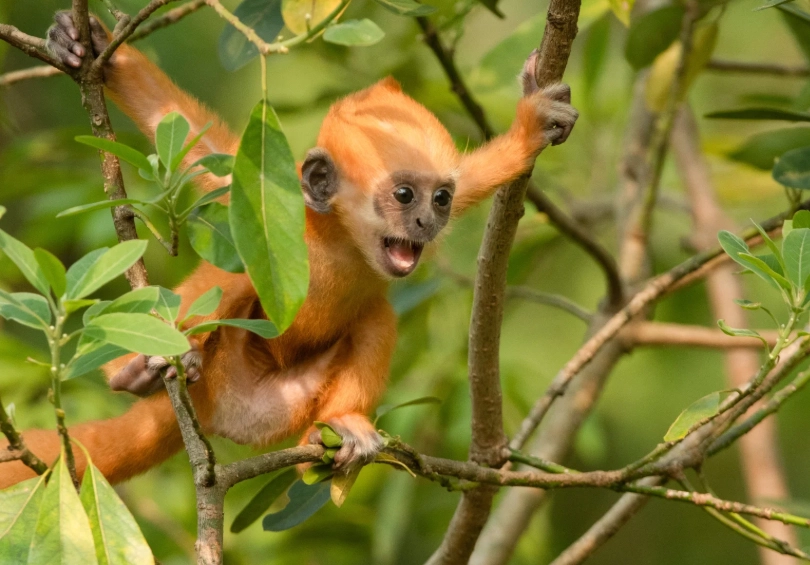
What Are the Official White-headed Langur National Nature Reserve Opening Hours?
The official schedule posted at the entrance is straightforward: open every day, including public holidays, from 8:00 AM to 6:00 PM. The last entry is at 4:30 PM. However, the reserve may switch to winter hours (closing at 5:30 PM) from November through March. These times are also what you'll see on Trip.com and Klook listings.
These hours apply to the public ecological tourism area at Banyai. The reserve actually covers more than 20,000 hectares across several smaller protected zones, but only Banyai is open to visitors. The other areas, like Bapen, are strictly for researchers and rangers.
During fine holidays like National Day, the reserve may open slightly earlier to manage crowds. But the exact schedule changes without much notice. I've seen days when the ticket office opened 20 minutes early because a large tour arrived. That's not something you can rely on, so stick to the official times.
To help you visualize, here's the typical seasonal pattern:
| Season | Opening Time | Closing Time | Last Entry | Monkey Activity Peaks |
|---|---|---|---|---|
| Summer (Apr–Oct) | 8:00 AM | 6:00 PM | 4:30 PM | 6:30–9:00 AM / 4:00–7:00 PM |
| Winter (Nov–Mar) | 8:00 AM | 5:30 PM | 4:00 PM | 7:00–9:30 AM / 3:30–5:30 PM |
Note: These are typical patterns based on local tourism boards. Always double-check the official WeChat account or call ahead before your visit, especially after heavy rain or during national park maintenance days.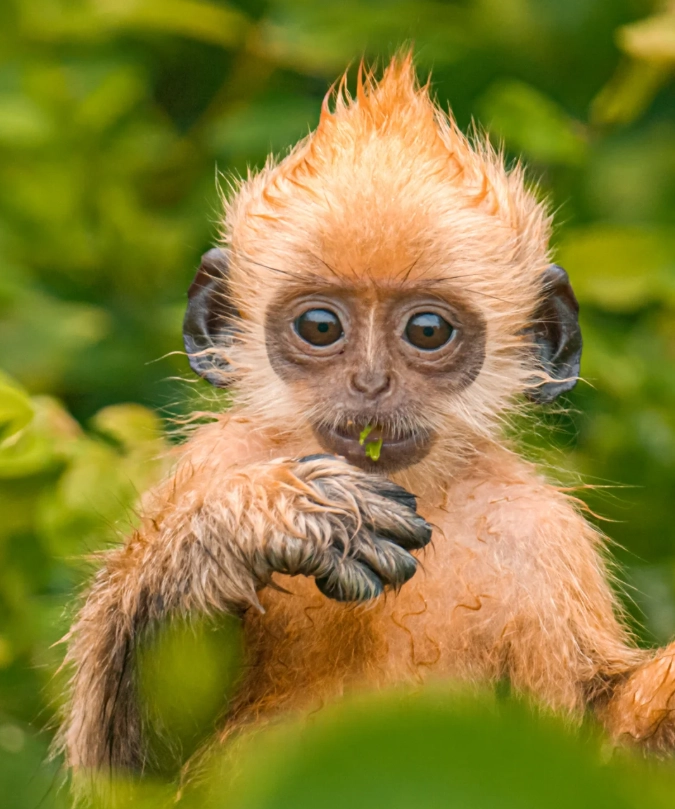
Why Arrive Before the Ticket Window Opens (or, How to Actually See Langurs)
The single most important thing to know is that langurs sleep during the middle of the day. Around 10 in the morning, they climb into the limestone cliffs and disappear behind the foliage. If you stroll in at noon, you'll see maybe a rustle of leaves and a distant silhouette.
I always tell my clients: if you only have one chance, pick the late afternoon slot. The morning is cooler, but tour groups flood the boardwalk between 9 and 11 AM. The langurs get skittish and move deeper into the forest. By 4 PM, the tour groups have gone home, the sun casts warm light on the limestone, and the monkeys come back out to feed. That's when you'll hear the rustling and watch entire families swing across the canopy.
My preferred visit window is 3:30 PM to 6:00 PM. You'll avoid the heat, the crowds, and the worst of the glare. The only downside? You need to keep an eye on the clock — the park staff start gently herding visitors out around 5:45 PM.
A common mistake is to visit after lunch. On a hot, humid day, the heat inside the forest is stifling. By 2 PM, even the birds are silent. I once gave a client the wrong advice and we spent two hours staring at an empty cliff. Now, I recommend the late afternoon window without exception.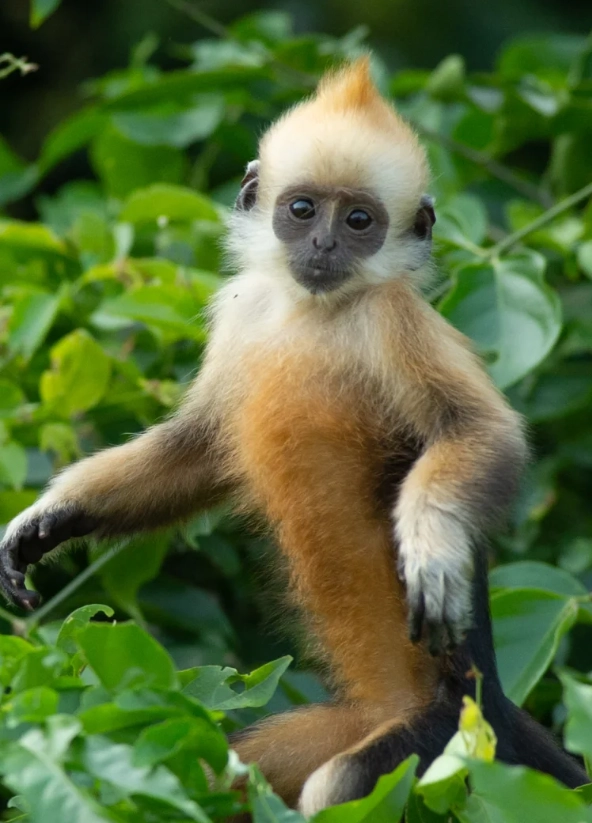
Pro Tip: If you're staying in Chongzuo, book your taxi to leave the city by 2:30 PM. That way you arrive with plenty of time to walk the main trail and settle into a good viewing position before the langurs emerge.
How to Get to the Reserve from Chongzuo: Transport Options That Won't Waste Your Day
There's no direct public bus to the White-headed Langur National Nature Reserve. Your best friends are Didi (the Chinese Uber), a rental car, or a hired driver. From downtown Chongzuo, the drive to the main visitor center at the Banyai Ecological Tourism Area takes about 40 to 50 minutes.
From Chongzuo City
A Didi ride costs roughly 100–130 yuan each way depending on traffic. You can find Didi in the Alipay app (look for the "Didi" mini-program). Show the driver the Chinese address: 广西崇左市江州区罗白乡板利村白头叶猴生态公园. If you're not comfortable with the app, ask your hotel receptionist to call a taxi and negotiate the round-trip price — expect to pay 200–250 yuan for a three-hour wait.
From Nanning or Nanning Wuxu Airport
If you're coming from Nanning, take the high-speed train from Nanning East to Chongzuo South station (about 2 hours). From the station, grab a Didi to the reserve (another 40 minutes). A taxi from Nanning airport directly to the reserve takes about 2 to 2.5 hours and costs roughly 400–500 yuan, which is worthwhile for a small group.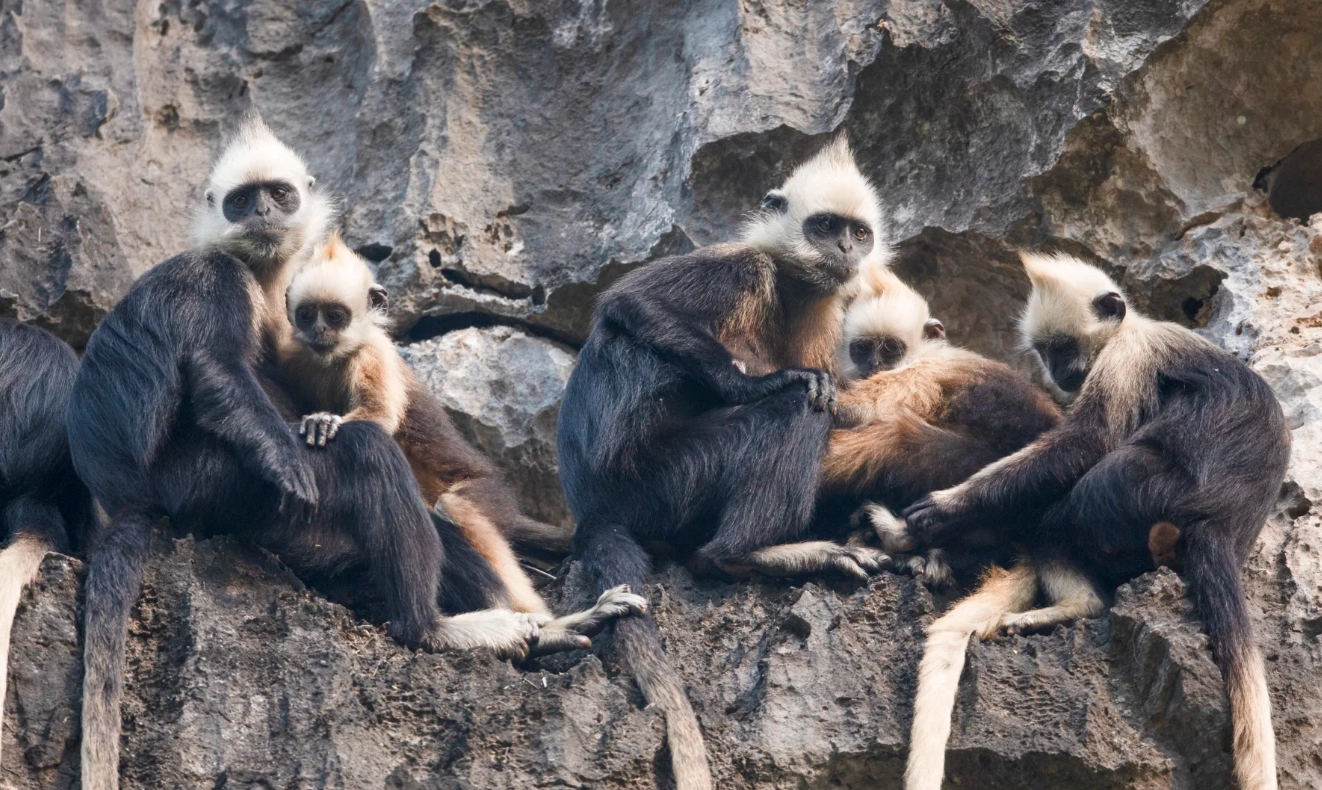
Navigation on Your Phone
Google Maps is unreliable in China — stop using it now. For this trip, use Apple Maps or download AMap (also called Gaode Map). Search for the Chinese address above. If you're driving, set your destination to the Banyai Visitor Center, not the reserve's official name, because there are multiple gates.
Here's a quick comparison to help you choose:
| Option | Duration | Cost | Notes |
|---|---|---|---|
| Didi from Chongzuo | 40–50 min | 100–130 CNY | Easiest; use Alipay app |
| Taxi hired through hotel | 40–50 min | 200–250 CNY (round-trip with wait) | No meter; agree on price |
| Rental car | 90 min from Nanning | ~150–200 CNY/day | Parking free at visitor center |
| High-speed rail + Didi | 2h train + 40min taxi after arriving | ~150 CNY total | Best if you're already in Nanning |
One warning: after heavy rain, the last few kilometers to the visitor center can become muddy. A normal sedan will still make it, but take it slow. In rare cases, park staff may close the road, so call ahead on rainy days.
Tickets, Booking, and the Passport Nightmare (Honest Talk)
Entry to the ecological tourism area costs around 80 yuan per adult, which includes the mandatory electric shuttle ride from the parking lot to the trailhead. Children under 1.2 meters get in free, but you still need to show their passport at the window. There's a separate fee if you want a guided nature walk — usually 150 yuan for a small group.
Now, the annoying part: you must have your passport with you. The ticket system is linked to real-name registration, so a driver's license or a photo of your passport won't work. Also, don't expect to pay with cash or a foreign credit card. The ticket booth accepts Alipay and WeChat Pay only. If you haven't set those up yet, stop reading and do that now — it's the single biggest pain point for international visitors.
If you're a student, bring your international student ID. You may get a 30% discount at the ticket office, though they might ask to see your enrollment certificate. It's a small discount, but every yuan counts.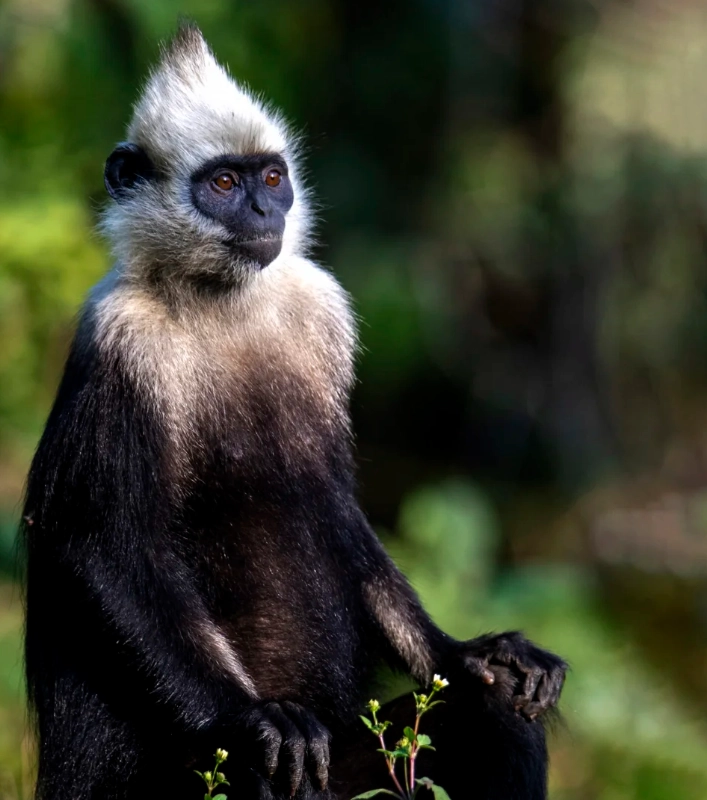
How to Book in Advance
Booking online through Trip.com or Klook is the smoothest route for foreigners. Search for "White-headed Langur Ecological Tourism Area" and you'll see the ticket options. After booking, you'll receive a QR code. Show that QR code along with your passport at the window to get the ticket. Make sure the name on the booking matches your passport exactly.
If you prefer to book directly, ask your hotel front desk to call the reserve and reserve a spot. They can also help you with the WeChat mini-program, which is entirely in Chinese. Don't try to navigate it yourself; I've seen many travelers get stuck on identity verification.
Insider Advice: The ticket system sometimes sells out for the express tour slot at 4 PM. Book your ticket at least a day in advance, especially on weekends. Walk-in visitors during busy holidays may be turned away entirely.
What You'll Actually See (and What You Won't) at the Reserve
The star attraction is the white-headed langur, a critically endangered primate with a gorgeous white crest and a long tail. There are around a thousand individuals living here, and they roam in family groups of about 8 to 20. The park has carefully placed viewing platforms along the base of the limestone cliffs, and with a little patience you're almost guaranteed to spot at least one group.
White-headed langurs are also known as 'rock monkeys' because they sleep on cliff faces. They have specially adapted chewing muscles that allow them to eat leaves that are toxic to other primates. Watching a group move along the vertical karst wall is like seeing a ballet suspended in mid-air.
But let's be clear about what this place is not. It's not a zoo. There are no enclosures and no handlers. The langurs are wild, and they stay high on the cliffs, often 50 meters or more above you. Binoculars or a camera with a 200mm lens are essential to actually see their facial expressions. You'll also hear their contact calls — a deep, pig-like grunt that echoes through the valley.
During my visits, I've also seen white-breasted kingfishers, leaf monkeys, and the occasional python sunning itself near the trail. The trail itself is a paved boardwalk that loops about 2 kilometers. It's an easy, flat walk suitable for most fitness levels.
One thing I always warn my guests about: do not feed the langurs. A few years ago, a visitor threw a banana to a young monkey and triggered a violent fight between two groups. The park rangers will fine you up to 2,000 yuan if they catch you feeding any wildlife.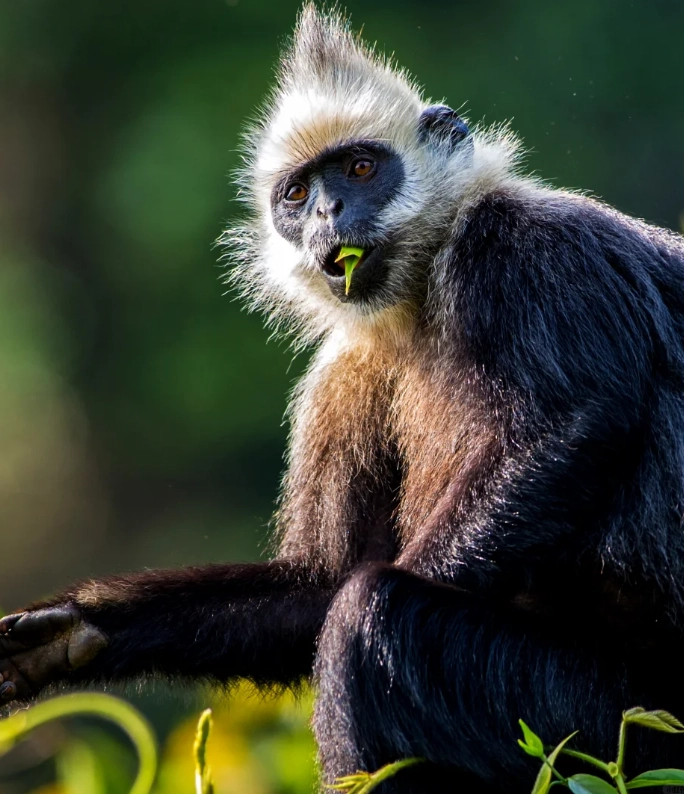
Photography & Timing: Where to Point Your Lens and When
If you want frame-worthy shots, set up at the second viewing platform, not the first. The first platform is where the shuttles drop you off, so it's almost always crowded. Walk another 200 meters along the boardwalk to the second platform. It offers a clear line of sight to the most-used sleeping cliff, and you'll be alone most of the time.
Lighting matters a lot here. In the morning, the sun comes from the east, lighting up the western cliffs beautifully. By 10 AM, the light becomes harsh and flat, washing out the monkeys' dark fur. In the late afternoon, the golden hour arrives around 4:30 PM, and the eastern cliffs get a warm, orange glow. That's when the langurs start foraging closer to the ground, giving you a rare chance to photograph them without heat haze.
The best season for photography is autumn, when the humidity drops and the air is clearer. The cliffs look sharper and the light has a softer quality. If you can only choose one season, pick late September or October.
Here are the settings I rely on:
- Use Aperture Priority mode with f/5.6 or f/6.3 to balance depth of field and shutter speed.
- Set ISO to at least 1600 in the under-forest shade — these cliffs are darker than you expect.
- Bring a monopod if you have one; the langurs move fast and you'll need to track them.
- If you only have a phone, use the 3x or 5x telephoto lens, and brace yourself against a railing or tree.
- Use burst mode when a monkey is about to leap. They often pause for a second before jumping — that's your window.
Oh, and please don't use a drone. The reserve has a strict no-drone policy because the noise spooks the monkeys and can cause them to abandon their young. You'll be fined and possibly blacklisted from the park.
Frequently Asked Questions About Visiting the Reserve
These are the four questions I hear most from international travelers — answered based on my own on-the-ground experience.
One last thing: the White-headed Langur National Nature Reserve is a conservation area first and a tourist spot second. The opening hours and ticket rules are designed to protect the monkeys, not to make your visit easy. If you respect the rules and follow the timing tips I've given you, you'll walk away with a memory very few travelers in China ever get.
Verified and fact-checked by the editorial team.





As a primatology nerd, I had high expectations, and this place still blew me away. The langurs are taken care of by a devoted staff, and the interpretive signs are genuinely informative. One ranger let us use his spotter scope for ages and shared his personal photos of newborn langurs. Not going to lie—I got emotional when we heard their territorial calls echoing through the valley. If you can only do one nature reserve in this area, make it this one. Just remember: morning, morning, morning.
We almost missed out because we initially planned to arrive at lunchtime. Thank goodness we read the time it right advice online and booked the morning session instead. The reserve was quiet, the light was beautiful, and we saw three different groups of langurs. The whole team is passionate and knowledgeable. The walkway and viewing platforms are in great shape. This is what responsible wildlife tourism should look like. Highly recommend.
This was the highlight of our trip. We did the 7:30am guided walk and it was pure magic—mist over the limestone peaks, birds waking up, and then a whole family of langurs leaping through the canopy. Our guide, Mr. Huang, found them with his binoculars and set up the scope for us. He explained their leaf-based diet and the reserve's breeding programs so clearly. I took over 300 photos. Absolutely worth getting up early for.
Went for the 8am opening slot and had a very good morning. The reserve's trails are well marked and we saw one troop of white-headed langurs feeding halfway up a cliff. The ranger we met was friendly and pointed out a few different calls. Knock on one star because the visitor center has no proper bathroom, only a portable toilet, and the souvenir shop was closed. Still, if you time it right, you'll leave with a smile.
Lovely reserve but the opening times really caught us out. We arrived at 2:45pm and the ticket booth was closed; a staff member said the last entry is 2pm sharp. I wish the current hours were posted on their official page. We did catch a glimpse of a couple of langurs from the roadside on the way out, so it wasn't a total waste, but we'd driven a long way. Check the hours before you go and don't rely on Google Maps.