 Ling Wu
Quick Answers & What I'll Cover
Let me be real with you. When I first heard about Friendship Pass from a fellow guide, I shrugged it off. Another historical site, I thought—how different could it be from the countless gates and walls I'd already shown tourists? But after my first visit, I felt like an idiot for doubting it. Two more visits later, I started bringing every group I could.
So, is Friendship Pass worth visiting? In one sentence: if you're interested in China's border history, want to see a busy frontier with Vietnam, and enjoy rambling through peaceful, photo-worthy old fortifications, then yes—it absolutely is. But if you're short on time and prefer iconic sights, you might want to weigh the travel effort. Let me break it all down so you can decide confidently.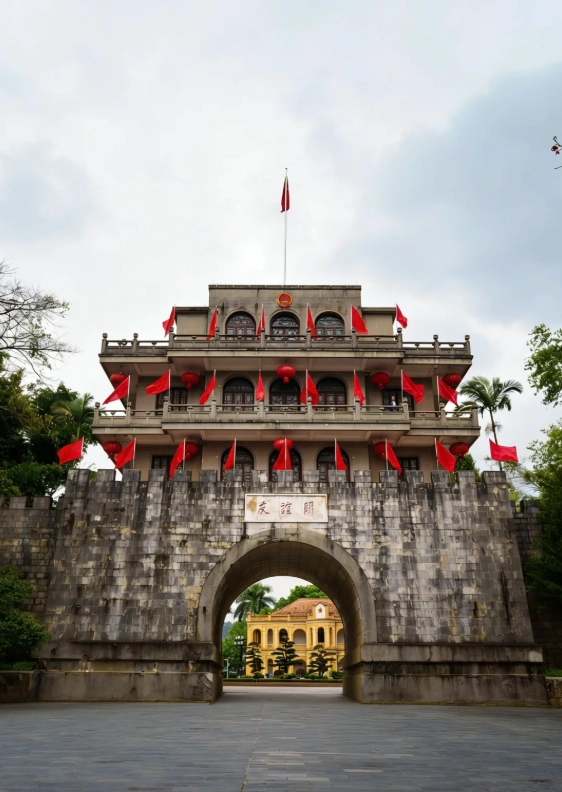
Why Friendship Pass Deserves Your Attention
Friendship Pass, known in Chinese as Youyi Guan, is one of China's nine ancient passes and the most important land route connecting China with Vietnam. Located at the southern tip of Guangxi Province, it has been a vital trade and military gateway for over a thousand years. The pass sits between steep limestone hills, and the current structure dates back to the late 19th century (the earlier gate was torn down during the Franco-Chinese War).
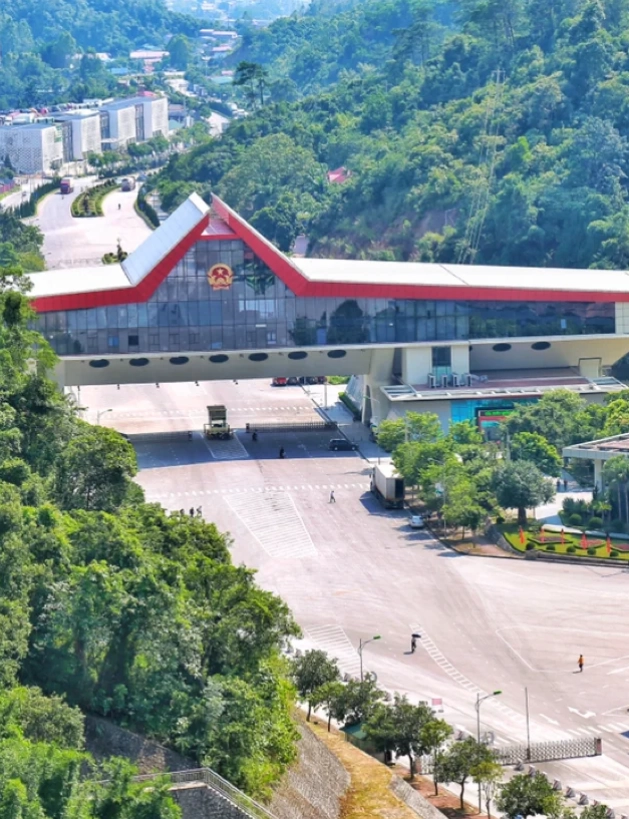
What makes it special is the juxtaposition of history and everyday life. On one side, there's the old fortress with three elegant archways, cannons, and a quiet museum. On the other, you'll watch real border trade happen as trucks loaded with dragon fruit roll through, and Vietnamese women haul souvenirs to sell in the nearby market. That rawness is impossible to fake.
I remember standing on the wall, looking down at the checkpoint. A tiny old lady carrying a huge basket of rambutan walked past, smiled at me, and kept going. In that moment, I realized this wasn't a movie set—it was a living border.
Everything You Need to Know Before You Go
Let's make your visit as smooth as possible. Here are the critical details you need to plan your trip.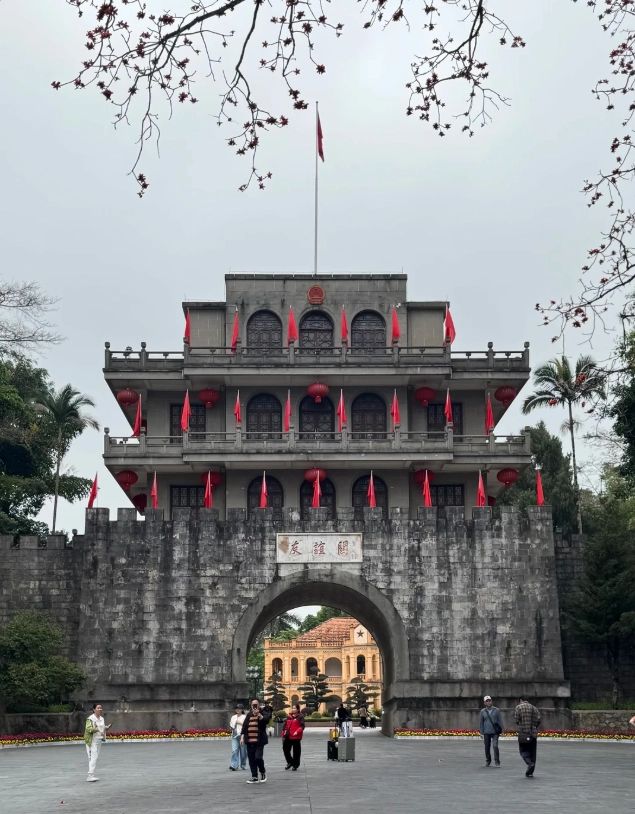
Tickets and Opening Hours
I always tell my clients to bring exact change and not to rely on credit cards. The ticket office at Friendship Pass is simple. Here's the official-ish breakdown, but prices and rules change without warning—always double-check on the official WeChat account if you can.
| Ticket Type | Price (Approx.) | Notes |
|---|---|---|
| Adult | ¥55 | Includes museum entry |
| Student (with ID) | ¥28 | You may need to show a Chinese student card |
| Child (under 1.4m) | Free | Valid when accompanied by an adult |
| Senior (65+, with ID) | ¥28 | Passport works for foreigners |
Opening hours: 8:00 AM – 5:30 PM daily. Last ticket sale is at 5:00 PM. The site is open every day, but it can close without notice during storms or VIP state visits. If you're planning a special trip, call the Pingxiang tourism office in advance (they have some English speakers).
How to Get to Friendship Pass
Friendship Pass is about 18 km south of Pingxiang city, and 220 km from Nanning. Here are the three main ways to get there: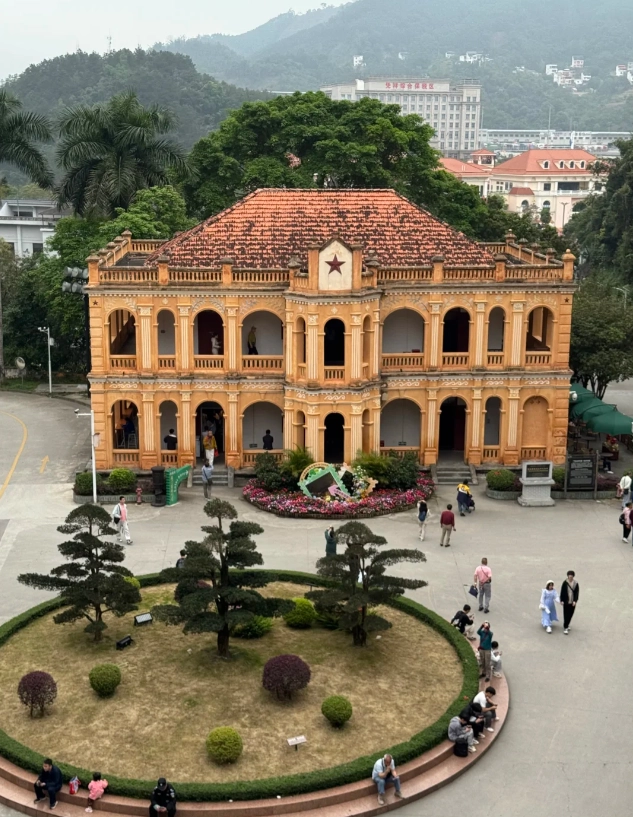
- Take a high-speed train to Pingxiang station. Trains from Nanning take about 1 hour 40 minutes and cost around ¥85. Check the latest timetables on 12306.cn (official railway website). From the station, take a local bus or taxi for the remaining 20 minutes.
- Ride the local minibus from Pingxiang. If you're already in Pingxiang, go to the Pingxiang Bus Station and ask for the bus to "Youyi Guan." It's a short ride, about 30 minutes, and costs only ¥10-12. The bus drops you at the ticket entrance.
- Hire a private driver from Nanning. This is the easiest option if you're traveling with family or luggage. A round-trip from Nanning with a driver waiting for you costs about ¥800-1,000 and takes 3 hours each way. It's worth the cost for flexibility.
Navigation note: Google Maps is unreliable in China. Use Apple Maps or the "AMap Global" app and search for "友谊关" (Youyi Guan). Or simply show the taxi driver this Chinese address: 广西壮族自治区凭祥市友谊关景区.
Best Time to Visit and How to Beat the Crowds
Most tour groups arrive between 10 AM and 2 PM. If you want a peaceful stroll without busloads of visitors, go straight to the pass when it opens at 8 AM. You'll have the place mostly to yourself, and the morning light on the hills is stunning.
Alternatively, visit around 3:30 PM—you'll have two solid hours before the closure, and the cooler afternoon breeze makes climbing to the top much easier. I strongly avoid midday: the heat in this subtropical valley is oppressive from June to September, and the shadowless sunlight is terrible for photos.
Also check the weather before you go. This border area gets sudden fog and storms, especially in summer. If heavy rain is forecast, swap the day—the stone steps turn slippery and the view disappears.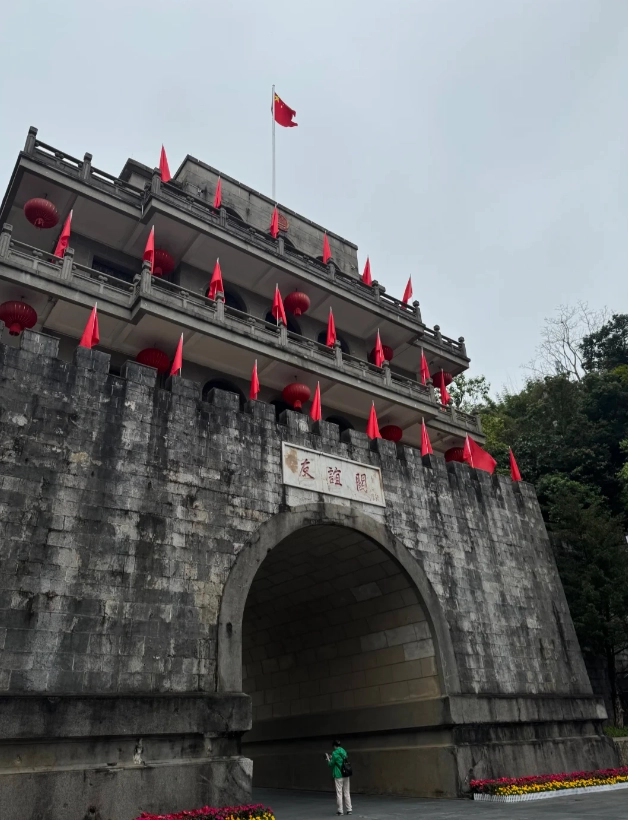
My Personal Walk Through the Pass
Here's what actually happens when you step inside.
You'll start at the grand southern gate, which faces Vietnam. The huge stone arch is decorated with Chinese characters and a flag that snaps in the wind—an instant photo op. Walk through the gate and you'll find yourself in a courtyard with the old French-built barracks on the left and a long set of steps leading up to the mountain wall.
Climb the stone steps (there are over a hundred, but they're not steep) and you'll be rewarded with views over palm trees, red rooftops, and the neat checkpoint line that separates the two countries. On clear days, you can see a military watchtower and the Vietnamese town of Dong Dang in the distance.
The museum here is tiny but has some fascinating bits—uniforms, swords, and rare photos from the Sino-French War. It's all in Chinese, but I noticed that the exhibit labels have simple English captions. Kids might get restless, though.
One thing I always mention to groups: the toilets are okay but basic—carry your own tissue and hand sanitizer. And there's a small kiosk selling water and snacks, but prices are higher than in town, so bring a bottle.
The best photo spot is to the right of the main gate, on the old wall that juts out over the valley. I always tell my clients to stand there with the red flag behind them—the contrast with the green hills is unreal. But be careful not to step over the protective railing; there's a steep drop and security cameras are everywhere.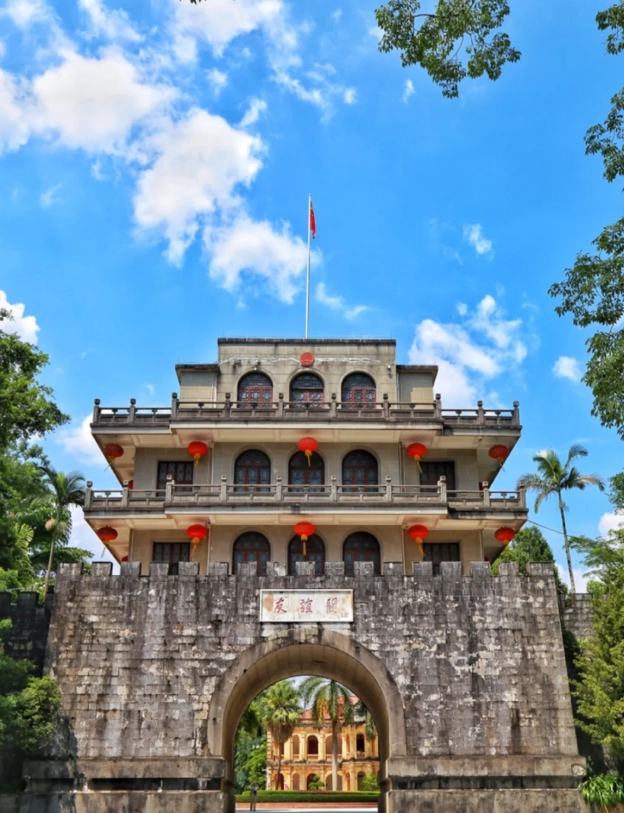
Common Mistakes Tourists Make (And How to Avoid Them)
- Forgetting to bring your passport. This is non-negotiable—you need it to buy a ticket. A photo on your phone won't work.
- Relying on Google Maps. It's flat-out broken. Download AMap or Apple Maps before you leave Nanning.
- Assuming your international credit card works. It almost certainly won't. Bring cash or set up Alipay/WeChat Pay.
- Visiting at noon. Heat, crowds, and harsh light. Go at 8 AM or 3:30 PM.
- Taking pictures of soldiers. You'll see military personnel everywhere near the border. They're friendly but do not photograph them or the checkpoint itself. I've seen tourists get awkwardly questioned over this.
- Missing the border trade market. Just outside the scenic area, there's a bustling market where locals sell Vietnamese goods like coffee, snacks, and flip-flops. Mosey around for fifteen minutes—it's a blast.
Pro Tip: If you're driving from Nanning, fill your gas tank before you leave. The only gas station near the pass has a strict 50-liter limit and sometimes only takes local payment apps.
The Honest Verdict: Is It Worth It?
Here's the deal. Friendship Pass isn't a must-see in the same way the Forbidden City or the Terracotta Warriors are. But it offers something those places can't—a chance to watch modern China meet its neighbor at a historical frontier.
| Pros | Cons |
|---|---|
| Rich history and real border atmosphere | Remote—requires planning to get there |
| Cheap entrance fee | No English audio guides |
| Fascinating museum for history buffs | Small site—you can cover it in an hour |
| The drive through Guangxi's green hills is gorgeous | Limited food options inside the site |
My verdict: If you're already in Chongzuo or planning a Detian Waterfall trip, add Friendship Pass as a half-day detour—it fits perfectly. If you're flying to Nanning specifically to see it, it's a three-hour drive with not a lot of English support. But for anyone interested in China-Vietnam relations or border life, it's a hidden gem.
To help you decide, just ask yourself: "Would I rather spend a morning here or at a marketplace in Nanning?" If the border sings to your curiosity, go. You'll come away with something few foreigners have seen.
Frequently Asked Questions
Final Words
Friendship Pass has a way of humbling you. The stones are old, the wind carries stories, and the border is alive. Bring a good camera, a patient attitude, and a curious mind. That's all you need.
Safe travels—and if you end up going, tell me what you thought.
Verified and fact-checked by the editorial team.






We brought our two kids here on a road trip through Guangxi and it ended up being one of their favorite stops. They loved climbing the old ramparts and pretending to guard the border. The wind up on the wall was strong and pleasant, and the scenery is just gorgeous — green hills all the way into Vietnam. There’s enough open space for them to run around, and we spent almost two hours reading every board. A nice local vendor even gave my daughter a piece of dragon fruit. Really memorable family visit.
What an unexpectedly cool spot. I’d seen photos of the gateway online, but being there in person is different. You get this real sense of being on the edge of two countries. The old stone steps, the mossy walls, and the view over the karst hills into Vietnam are stunning. I also appreciated that there were no huge crowds when I went on a Tuesday morning. The little zero-mark stone at the border point is a nice touch. Bring water and take your time — it’s not just a photo stop, it’s a place to reflect.
Honestly, I was a bit let down. I read so much about the history before coming, but in person it feels more like a tourist stop than a historic site. The main gate is impressive for about ten minutes, then there’s not much else. The museum was closed, the signs only had basic info, and a tour group flooded in right behind us so we couldn’t really take photos. I don’t regret going, but I wouldn’t call it a must-see either. If you have extra time in Pingxiang, sure; otherwise, skip it.
Solid four stars. The pass itself is atmospheric and the views from the ramparts are fantastic, especially in the late afternoon light. I just wish the site was better maintained — some of the display boards were faded and the little museum was locked when we visited. Also, the vendors near the entrance are a bit pushy, though not aggressive. We spent maybe an hour and a half here, which felt about right. Worth seeing if you’re already in the area, but I wouldn’t plan a long trip around it.
Friendship Pass is the kind of place that stays with you after you leave. We went early and had the stone path almost to ourselves. Climbing up to the old gateway, seeing the Chinese characters and then looking out over the valley toward Vietnam — it genuinely gave me goosebumps. The layers of history are incredible: old cannons, weathered walls, and a little exhibition room with old photos. The staff at the small shop were friendly and let us have a cold drink before the walk. If you’re anywhere near Pingxiang, this is absolutely worth the detour.