 Ling Wu
📌 Quick Navigation
You step off the bus in Pingxiang, and the heat slaps your face. Your phone buzzes — no more Google Maps. A guy waves a sign that says "VIP visa." That's when reality hits: crossing the China-Vietnam border at Friendship Pass is not your average sightseeing trip. I've been guiding groups here for years, and trust me — the place is beautiful, but the logistics can chew you up and spit you out if you're not prepared.
The good news? I've got the whole process down to a science. By the time you finish this guide, you'll know exactly how to navigate Friendship Pass like a local — including the shortcut that even some tour guides miss. Let me save you from the chaos.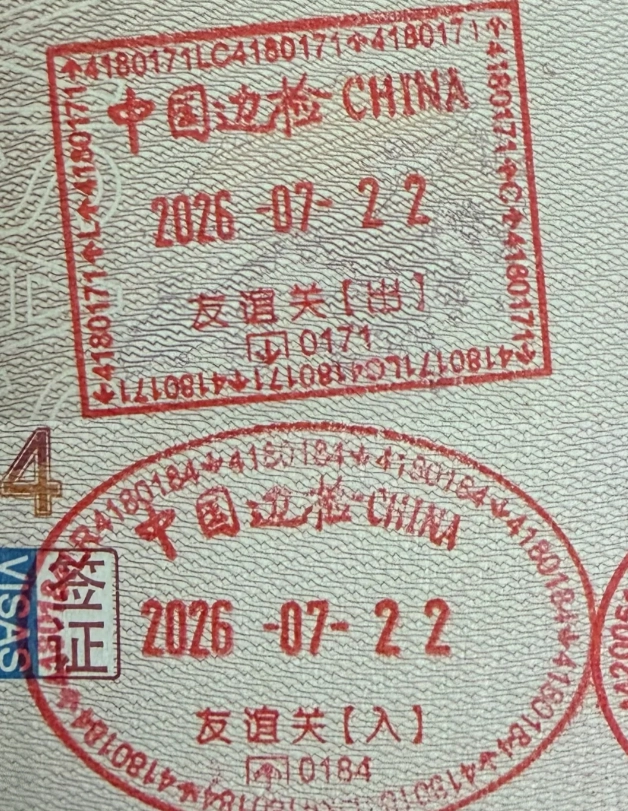
What Makes Friendship Pass Logistics Tricky
Friendship Pass (Youyi Guan) sits smack on the border between China and Vietnam, in Guangxi's Pingxiang city. It's not just a tourist spot; it's an active international checkpoint. That means you're dealing with customs, immigration, and strict rules. Here's where most foreigners stumble:
- Time zone confusion: Vietnam is one hour behind China. Your phone may auto-update, but border officials use local times — make sure you know which side you're on.
- Invisible bureaucracy: You need a valid visa to enter China, and if you're coming from Vietnam, you must cross on foot between the two gates. Cars are not allowed through the main gate for tourists.
- Money trap: Many services around the border quote prices in yuan, but they're happy to give you a terrible exchange rate on your dong.
- Wifi black hole: Cross the gate, and you lose your Vietnamese SIM. Buy a Chinese SIM card before you exit — otherwise, you'll be stuck with no maps, no translation, and no way to call a ride.
My first time here was a disaster. I thought I could just hop in a taxi from Hanoi to the gate and walk through. Wrong. The taxi dropped me 3 kilometers before the official entrance because the driver didn't have permission to go further. I ended up walking under the scorching sun with my luggage. Since then, I've figured out the exact routes — and I'm sharing them with you.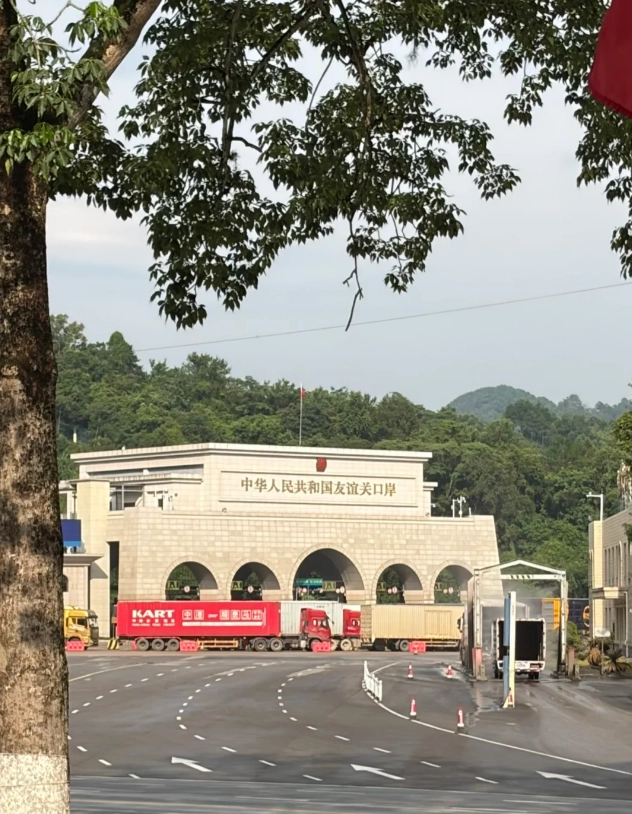
Pro Tip: Do not rely on Google Maps in this area. It's blocked and often inaccurate. Use Apple Maps or download offline maps on AMap (Gaode) — but the English interface only works inside China. Save your destination in Chinese characters before you cross: 友谊关 (Youyi Guan) and 凭祥 (Pingxiang).
How to Get to Friendship Pass: From Hanoi or Nanning
You've got two main entry points: Vietnam's Lang Son province (from Hanoi) and China's Guangxi province (from Nanning). Each route has its own quirks.
From Hanoi, Vietnam
Buses run daily but don't stop right at the gate. Most buses from Hanoi's My Dinh or Giap Bat station go to Lang Son city, then you transfer to a local minibus to the border. The ride takes about 5-6 hours, costing around 200,000-250,000 VND.
- Bus operators: Hoang Long and Kumho Samco have direct routes to Lang Son. They usually operate in the morning — book a day ahead via your hotel or a site like Baolau.
- From Lang Son: Take a public bus (route 04) or a xe om (motorbike taxi) to the border crossing. It's about 15 km, roughly 20-30 minutes.
- Crossing on foot: You'll exit Vietnam at Huu Nghi Pass, walk about 500 meters to the Chinese side, and then go through Chinese immigration at Friendship Pass.
From Nanning, China
This is the easier route for most tourists coming from within China. Nanning is the capital of Guangxi, with plenty of flights and high-speed trains from major cities like Guangzhou and Guilin. From Nanning, take the high-speed train to Pingxiang — it takes about 1.5 hours and costs around ¥80. Here's the catch: the train station is in Pingxiang city, about 16 km from the border. From there, you can take a taxi (¥30-40) or a local minibus (¥5) to the Friendship Pass scenic area.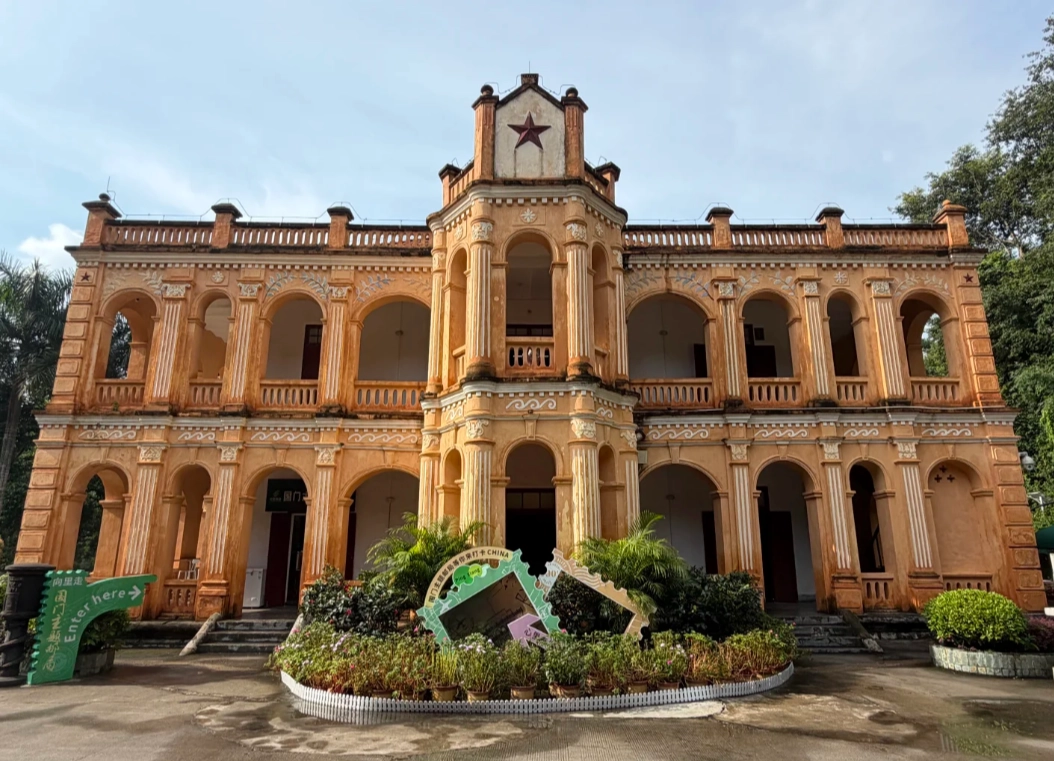
Insider Advice: Skip the bus directly from Nanning to the border. It's slow (3+ hours) and drops you at the back gate. The train is faster, and the Pingxiang station is well-connected with taxis that know exactly where to go — just show the driver 友谊关.
| Route | Time | Cost | Convenience |
|---|---|---|---|
| Hanoi → Lang Son → Border | 6-7 hours | ~$10 USD | Moderate, need transfer |
| Nanning → Pingxiang (train) → Border | 2-2.5 hours | ~$12 USD | High, direct train |
| Nanning → Friendship Pass (direct bus) | 3-4 hours | ~$10 USD | Low, drop-off at wrong spot |
Border Crossing Procedures: Step by Step
This is the part that panics everyone. But if you follow my checklist, you'll walk through without a sweat.
- Prepare your documents: Passport with at least 6 months validity, a Chinese visa (if entering China) or a Vietnamese visa (if entering Vietnam). Bring a photocopy of your passport and visa too — border officials sometimes ask for extra copies.
- Fill out the arrival card: On the Chinese side, you'll need to complete a temporary residence registration form, even if you're just day-tripping. Take a pen and fill it out before you queue — it saves you precious minutes.
- Go through Vietnamese exit: At Huu Nghi Pass, you'll present your passport and visa. No health checks are required now, but be ready to show your luggage if asked.
- Walk the no-man's-land: The bridge between the gates is about 500 meters. There are signs in Chinese and Vietnamese, but no English. Keep your passport in your hand.
- Enter China via Friendship Pass: The Chinese building is large and modern. Follow the sign for "Foreigners" — it's a separate window. You'll scan your fingers and have your photo taken. Make sure your visa matches the purpose (tourism, business, etc.).
- Exchange money (if needed): Right after the Chinese exit, there are money changers. They offer decent rates, but I always recommend exchanging in Pingxiang at a bank for better rates. Some ATMs in the area accept foreign cards.
Biggest mistake I see: tourists walk through the Chinese gate and then immediately stop to take photos, blocking the corridor. Officials will politely but firmly tell you to move. Take your photos at the plaza after you clear the last gate — there's a stunning view of the pass.
Payment, Navigation & Booking Tips for Friendship Pass
Cash is not king here — mobile payment is. You'll see local vendors accept Alipay and WeChat Pay almost exclusively. But as a foreign tourist, you can still get by if you're prepared.
Payment: What works
- Alipay or WeChat Pay: Link your international credit card before you arrive. You can do this in the app while you're still abroad. Many smaller businesses around the border don't even accept physical cards, so having mobile payment is a lifesaver.
- Cash (RMB): You'll need it for small things like taxi rides (some older drivers don't use apps) or tips for porters. ATMs in Pingxiang city are reliable — bring an international debit card.
- Credit cards: Rarely accepted, except at the large hotels or chain restaurants in Pingxiang. Don't rely on plastic.
Navigation: Forget Google Maps
Google Maps is absolutely unreliable here. I've seen it direct people into restricted military zones near the border. Use Apple Maps or Gaode (AMap) with the Chinese names I provided earlier. For walking around Pingxiang, downloading an offline map in Maps.Me works great too.
Booking: Everything needs advance reservation
Tickets to the Friendship Pass park area must be booked in advance. You can't just show up and buy at the window. The easiest way for foreigners is to book on Trip.com or Klook — they have English interfaces and accept international cards. Your passport number is required, so have it handy. On busy days (Chinese holidays), slots sell out days in advance.
Pro Tip: If you're crossing from Vietnam and only want to see the gate, you might not need a park ticket. The actual border crossing area is separate from the scenic park. But if you want to visit the historic gate and the 918 boundary marker, you'll need the park ticket (¥35). Don't confuse the two.
Top Things to See Around Friendship Pass
The pass itself is a historical treasure. But as a guide, I always tell my clients to allocate at least half a day. Here's what actually deserves your time:
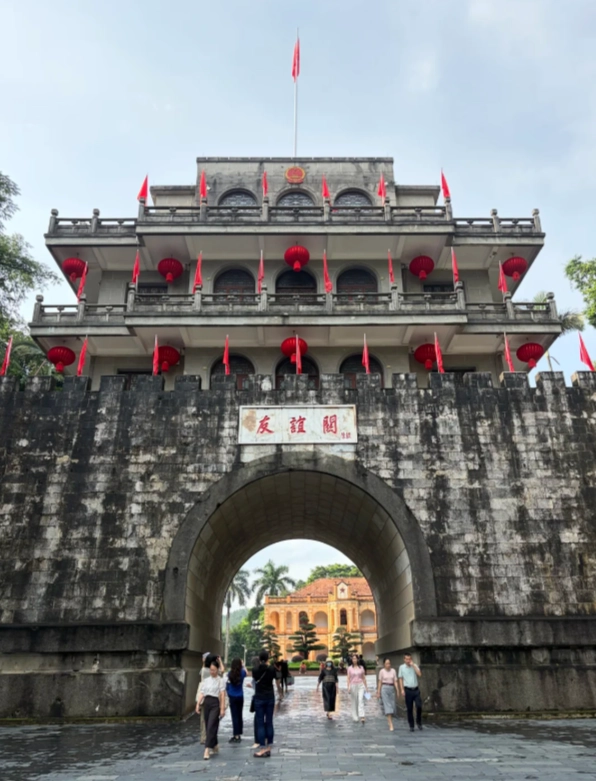
- The Friendship Pass Gate: A majestic archway with "友谊关" carved on top. It's one of China's nine famous passes and has witnessed countless historical events. Best photo time? Before 9 AM or after 4 PM — the morning light hits the stone gorgeously.
- Defensive walls and fortresses: The mountain behind the gate has preserved military barracks and watchtowers. Climbing to the top gives you a panoramic view of both China and Vietnam. It's a tough walk (about 30 minutes uphill), but worth it.
- The 918 Boundary Marker: It's a simple stone stele marking the border. Tourists often stand one foot in each country for a photo. It's become a silly must-do — I've done it myself.
- Pingxiang city (just 20 minutes away): The city is a hub for cross-border trade. Stroll through the bustling Miaojie night market and try Vietnamse-influenced snacks like pho and spring rolls — a taste of both cultures.
My honest opinion: Skip the "luxury" transborder shopping mall near the gate — it's overpriced and full of counterfeit goods. Instead, spend your money on street food in Pingxiang.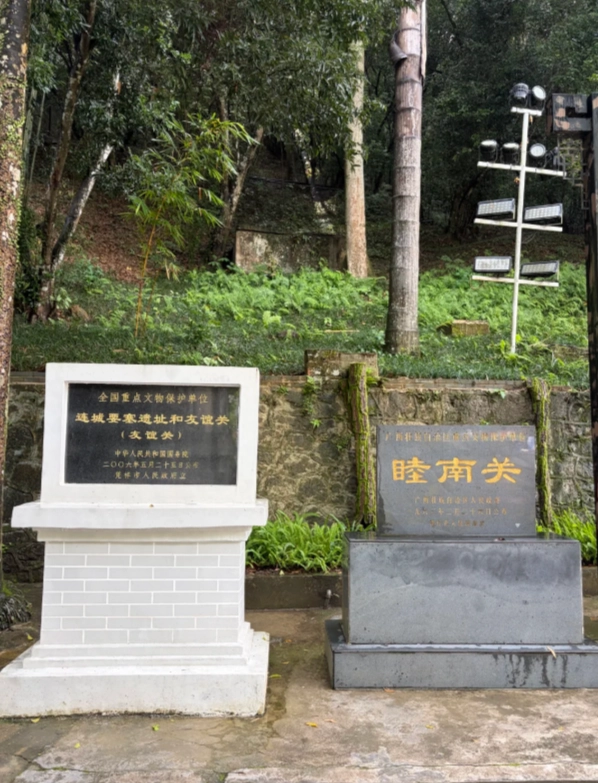
Where to Stay Near Friendship Pass
You don't want to stay right at the border. There's only a handful of basic guesthouses there, and they're expensive. Pingxiang city, 16 km away, has way better options. Here's my breakdown:
Pingxiang city accommodation
| Hotel | Distance to Friendship Pass | Price Range | Best For |
|---|---|---|---|
| Red Leaves Boutique Hotel | 16 km, taxi ¥40 | ¥250-400 | Mid-range travelers, free WiFi, decent breakfast |
| Pingxiang Lanbaoxiang Hotel | 15 km, taxi ¥35 | ¥180-280 | Budget stays, clean rooms, close to night market |
| City Comfort Inn | 18 km, taxi ¥45 | ¥350-500 | Comfort seekers, international credit cards accepted |
The hotel staff at these hotels speak a little English. But for the others, you'll need a translation app. I always recommend booking through Trip.com or Agoda for the hotel's English support and cancellation options.
If you're doing a day trip from Nanning: It's entirely doable. The train from Nanning to Pingxiang runs 7 AM to 7 PM. Grab an early train, spend 4-5 hours at the pass, and you're back in Nanning by evening. Avoid public holidays — the queues are brutal.
FAQ About Friendship Pass Logistics
Final words of wisdom: Friendship Pass is one of my favorite corners of China — not just because of the history, but because the mix of cultures creates a vibrant chaos you won't find elsewhere. If you handle the logistics right, you'll love it as much as I do. Pack your patience, double-check your paperwork, and embrace the unexpected.
Verified and fact-checked by the editorial team.







I've crossed a lot of borders in Asia and this was one of the smoothest, thanks to this logistics guide. The instructions for the pre-arranged visa letter and landing on the China side were spot-on. I loved that it included exact costs - in both dong and yuan - for the shuttle and baggage carts. No surprises, no hiding fees. The little tip about using the bathroom before leaving Vietnam because the toilets on the China side cost 2 yuan and aren't great? That's the kind of practical detail you get from people who actually do this route. Made a potentially stressful day feel like a simple bus transfer. Strongly recommended.
Honestly, this guide is the only reason I didn't have a panic attack. I'm a solo female traveler and crossing at Friendship Pass looked chaotic from the bus window. The guide's step-by-step breakdown of the two border posts, the no-man's land in between, and the currency exchange rates stopped so many pushy drivers from ripping me off. The way they explained the exact road from the Chinese inspection building to the bus stop for Nanning was perfect. It even told me to grab a SIM card before crossing because a Chinese SIM won't activate until you're on the Chinese side. Everything worked. 10/10 would recommend to any nervous traveler.
Solid practical guide. The section on the baggage handlers was especially useful - I'd read horror stories about porters grabbing bags and demanding cash, so I knew exactly what to say and how much to tip (or not tip). It knocked at least 30 minutes off the process. Only reason not giving 5: the map screenshots were a bit pixelated on my phone, and one turn near the duty-free area was hard to follow. Still, I was across the border with my luggage intact and a Vietnamese iced coffee in hand before my train to Nanning. Very good value.
It got me across from Lang Son to Pingxiang without any real disasters, so it does the job. But I found a few things outdated. It said the shuttle from Huu Nghi to Friendship Pass runs every 15 minutes, but I waited almost 40. Also, the advice about which queues to use on the Chinese side wasn't clear enough - I ended up in the wrong line and got sent back. The walking route descriptions were accurate enough, but I wouldn't call it headache-free. Okay if you have extra time and patience.
Used this guide last week for the Vietnam side to China side. Everything I was worried about - getting stamped out of Vietnam, finding the shuttle to Friendship Pass, not getting scammed by unofficial money changers - was covered. The detailed directions on where to look for the yellow 'Exit' signs at Huu Nghi and how to reach the Chinese visa office building saved me at least an hour. Also, the tip about carrying a small passport photo for the Chinese arrival form is gold because the photo booth at the border was out of paper. I honestly breezed through in 45 minutes. Would not have been able to do that without this. Five stars.