 Tao Xu
What's Inside This Guide
- The Short Answer: Give It at Least 4 Hours
- Why Rushing in 2 Hours Is a Mistake
- My Recommended 4-Hour Visit Plan
- The Best Time of Day to Arrive
- Transport, Entry Fees, and Booking Tips
- Insider Tips from a Local Guide
- FAQs: How Long to Spend at White-headed Langur Reserve
- Final Verdict: Match Your Time to Your Interest
Four hours. That's the magic number. Most travelers rush through the park in two – and end up leaving disappointed. I've guided dozens of guests here, and the difference between a hurried visit and a relaxed one is huge. So, how long to spend at White-headed Langur National Nature Reserve? Let me give you the answer straight, plus the plan that saves you from the biggest mistake I see.
The Short Answer: Give It at Least 4 Hours
I always tell my guests: Plan for a half day, not a quick stop. The reserve's real magic — watching the critically endangered white-headed langur leap across karst cliffs — needs time. A 4-hour window gives you enough buffer for hiking, waiting at viewpoints, and catching the monkeys during their active feeding windows.
Compare these options:
| Visit Duration | What You'll Actually See | Who It's Best For |
|---|---|---|
| 1–2 hours | You'll barely reach the first viewpoint, then have to turn back. High chance of missing langurs entirely. | Travelers on a super tight schedule who just want to snap a quick photo of the landscape. |
| 3–4 hours | You can walk the main trail, spend 30–40 minutes at each of the two main viewing points, and soak in the karst scenery. | Most first-timers. This is my default recommendation. |
| 5+ hours or full day | You can explore the deeper trails, join a ranger-led walk, and even have lunch inside the reserve. | Wildlife photographers, nature lovers, and anyone who can afford a slow morning. |
Who Should Give It More Than 4 Hours?
Photographers should plan for a full day. The light changes dramatically over the karst peaks, and the langurs often shift position by the hour. I've had clients wait 90 minutes at one cliff before a group settled onto a sunlit ledge. That patience paid off in a shot they couldn't have gotten otherwise.
Birders also get a bonus — the reserve is home to over 200 bird species. If you want to add a short birding checklist, buffer in another hour. Just don't expect to see everything on a quick pass.
Why Rushing in 2 Hours Is a Mistake
Let me paint a scene: you arrive at 11 a.m., snap a few selfies, and wonder why you spent money on the drive. Sound familiar? Here's the catch — white-headed langurs are most active at dawn and dusk. During the middle of the day, they're resting in the limestone shade, completely invisible to the naked eye without a telescope. If you only stay 2 hours around noon, you might leave thinking the reserve is overrated.
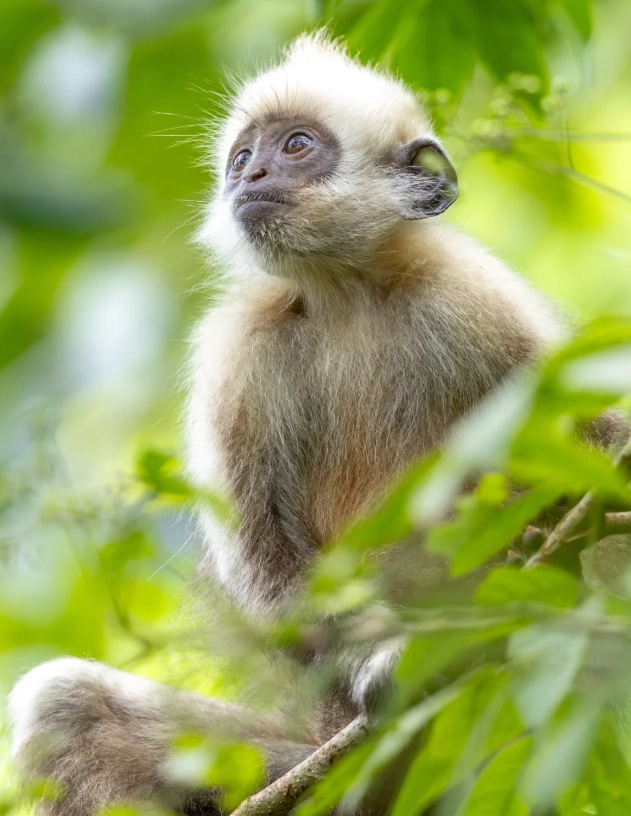
But arrive early, and you'll hear their eerie whooping calls echo between the jagged peaks. Then you'll spot a small group of black-and-white monkeys, each about the size of a house cat, perched on a cliff edge. That moment is worth every extra minute.
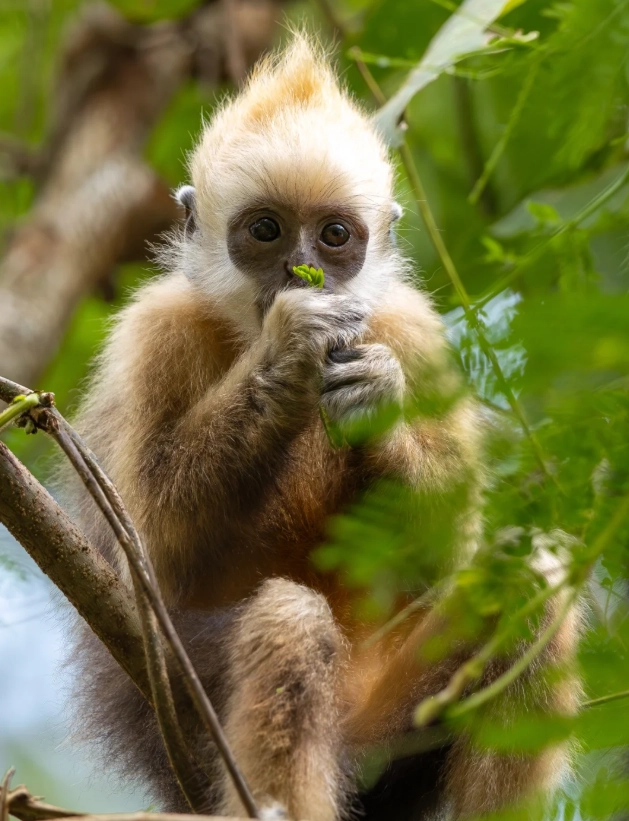
Insider Advice: The first family of langurs you see is usually the most memorable. Once you've locked eyes with a baby langur, you'll understand why I insist on arriving before the crowds.
Another reason to stay longer? The reserve's main loop trail is about 3 kilometers (1.9 miles) with uneven steps. Most visitors walk it at a slow, shutter-happy pace — and that alone takes 1.5 to 2 hours. Then you need time to sit quietly at the viewpoint, because langurs are skittish and will only appear when they feel safe.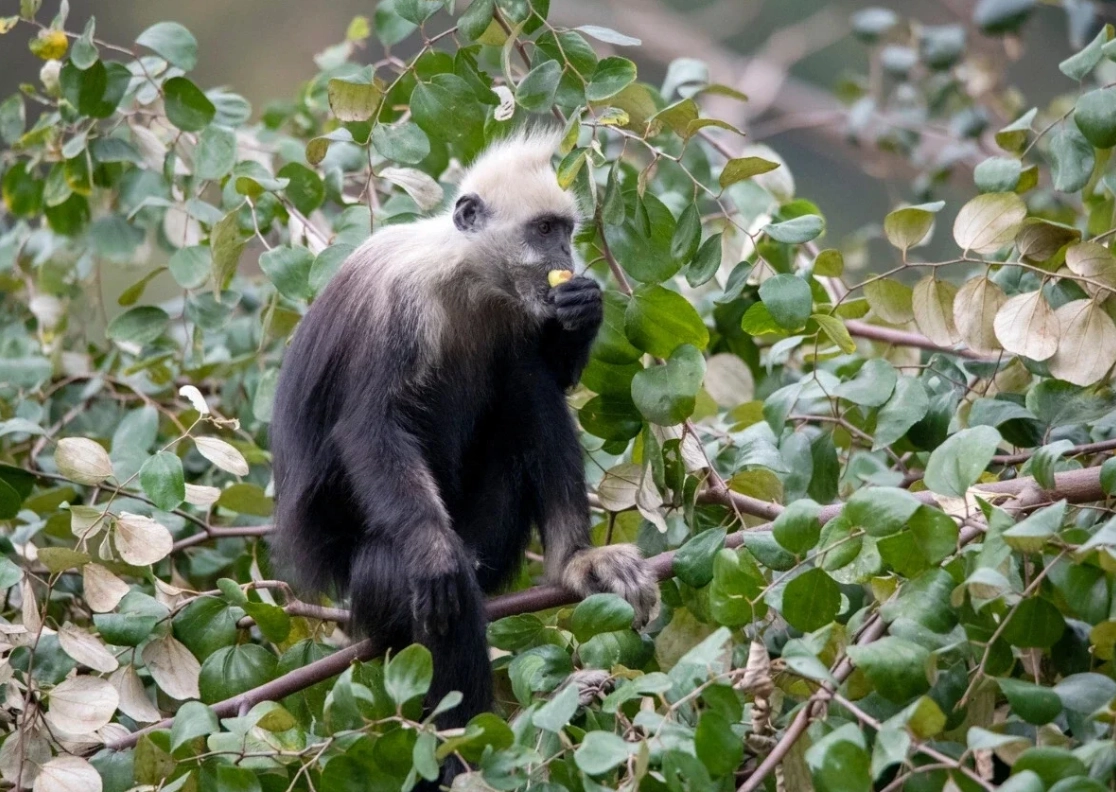
My Recommended 4-Hour Visit Plan
I've used this plan with dozens of groups — it works, even for moderately fit seniors:
- 8:00 – Arrive at the visitor center. The gates open at 8:00 in peak season (or 8:30 in winter). Your passport and booking confirmation will be checked here.
- 8:10 – Join a short orientation. A local ranger will point out the day's active langur families. Sometimes monkeys are right near the center — sometimes they're an hour uphill.
- 8:30 – Start the main trail. Carry only water, binoculars, and a light rain jacket. The first section climbs steeply through bamboo forest.
- 9:15 – Reach the first viewpoint (Langkou Viewpoint). Sit still for 15–20 minutes. In the morning, langurs often come here to groom.
- 10:00 – Continue to the second viewpoint (Echo Cliff). This is where I've seen the biggest troops. Listen for soft grunts.
- 10:45 – Begin descending. The walk back is faster, but watch your footing on the limestone steps.
- 11:30 – Stop at the visitor center's photo gallery. They have large telescopes for a last close-up view.
- 12:00 – Head back to your car or Didi. If you're hungry, there's a small canteen near the entrance that serves simple local rice dishes (cash or Alipay – no cards). Stop at the visitor center before leaving — restrooms there are your last clean stop.
Short on Time? A 3-Hour Fast Track
If you absolutely can't spare a fourth hour, cut the first viewpoint. Go straight to Echo Cliff (10.15 a.m. after a brisk climb) and spend 40 minutes there. You'll still hit the active feeding window, but you'll miss the more intimate low-elevation encounters. It's a decent compromise, but I'd only recommend it if your afternoon flight is in the early afternoon.
The Best Time of Day to Arrive
Morning is non-negotiable. Langurs feed from around 6:30 to 9:30 a.m., then again from 4:00 to 6:30 p.m. If you're coming on a day trip from Chongzuo, plan to enter the park at the 8:00 opening. That gives you 90 minutes of high activity before they retreat into the shade.
What if you only have the afternoon? Then arrive by 3:30 p.m. and stay until closing. The downside is higher heat and more tour buses — but the 4 p.m. feeding window often brings monkeys closer to the trails.
Seasonal Adjustments
Timing your visit around the seasons makes a huge difference. Here's a quick comparison to help you plan:
| Season | Park Hours (approx.) | Why It Matters | Visitor Traffic |
|---|---|---|---|
| Nov – Apr (dry) | 8:30–17:30 | Mild temps, best visibility, langurs active longer | Moderate |
| May – Oct (rainy) | 8:00–18:00 | Hot & humid, mornings are cooler, afternoon rains possible | Higher on weekends |
My rule of thumb: In the cool season, you can start at 8:30 and still catch good action. In the hot season, be at the trailhead before 8:00 — otherwise you'll be sweating through the forest as the langurs settle down.
Transport, Entry Fees, and Booking Tips
The reserve is located about 45 minutes south of Chongzuo city center. The address you'll need in your Didi app is: "白头叶猴国家级自然保护区板利片区" (Báitóu yèhóu guójiā jízì bǎohùqū bǎn lì piànqū). See the screenshot-style note below:
Insider Advice: Google Maps often mislabels the entrance. Use Apple Maps or AMap and search for "板利". Ask your hotel to write the Chinese address on a card so you can show it to taxi drivers. Alternatively, book a private driver through your hotel — expect to pay ¥180–250 round trip from central Chongzuo.
Entry fee: As of my last visit, the day ticket was about ¥60 for adults (half price for children 1.2–1.4 m tall, free for under 1.2 m). Seniors over 65 get free admission with valid ID. But fees change without notice — always verify on the official WeChat account of "崇左白头叶猴保护区" or ask your hotel.
You must book in advance with your passport number. The WeChat mini-program for booking is in Chinese and can be a headache. Here's what works better for foreigners:
- Ask your hotel receptionist to call or book for you.
- Use Trip.com or Klook, which often sell combined tours with hotel pickup.
- If you show up without a reservation, you'll almost certainly be turned away during busy weekends.
The gate closes to new entries about two hours before sunset. Check the official closing time when you book to avoid being turned away.
Payment inside the reserve: Cash is king for small purchases like drinks at the canteen. The ticket office and canteen do not accept international credit cards. Alipay or WeChat Pay will work if you've connected them to a foreign card.
Transport Options Compared
Choosing the right transport mode affects your entire experience. Below is a cost-benefit breakdown:
| Mode | Time | Cost (approx.) | Pros | Cons |
|---|---|---|---|---|
| Ride-hail (Didi) from Chongzuo | 40–55 min | ¥80–120 one way | Door-to-door, flexible | Return trip may need to wait — the nearest cars are 20 min away |
| Private driver from hotel | same | ¥180–250 round trip | Driver stays with you, convenient | More expensive |
| Public bus | ~1.5 hours | ¥10–15 | Cheap | Runs infrequently, last return bus may leave before you finish |
| Group tour (from Nanning or Chongzuo) | Varies | ¥500–800 includes lunch | All organized, guide included | Fixed schedule, less flexibility |
Insider Tips from a Local Guide
Here are things I didn't see in any travel blog:
- Bring Binoculars. Even a cheap pair will transform your experience. The langurs can be 100 meters away, and phone zoom won't cut it.
- Wear bright clothes? No — wear earth tones. Langurs are more likely to appear when they don't detect bright colors against the green mountain.
- The last 20 minutes of the trail are the hardest. There's a brutal section of 200+ steps called "Heartbreak Hill" by local guides. Take your time and carry a light jacket for when you sweat.
- Water is essential. The only vending machines are at the visitor center. Fill your bottle before starting the trail.
- Phone signal is weak in the valley. You won't be completely offline, but download maps and offline translation before you enter.
- Set up your VPN before you leave your hotel. The reserve area has limited connectivity, and you'll need it for any Google services.
- If you have trouble with stairs, skip the main trail and use the visitor center's viewing platform. The whole trail is steps and uneven ground, and there's no accessible alternative.
What Gear to Pack
Packing light but smart is the key to enjoying your hike. Here's what I tell my guests:
- Binoculars (or rent from the visitor center for a small deposit)
- 1–2 liters of water
- Trail shoes or sturdy sneakers — the limestone can be slippery
- Sun hat and sunscreen (even in winter, the sun is strong at altitude)
- Light rain jacket (afternoon showers are common from May to September)
- Snacks — trailside benches are rare, but you can snack while waiting
FAQs: How Long to Spend at White-headed Langur Reserve
Final Verdict: Match Your Time to Your Interest
If you're a casual traveler, give it 4 hours. If you're a photographer or a wildlife enthusiast, stay a full day — bring a packed lunch and just sit at Echo Cliff for half the morning. The reserve is not a "drive-by" attraction; it rewards the patient.
I've been coming here for years, and every single visit feels like the first time when a langur leaps across the misty karst. So don't rush it. Your future self will thank you for those extra hours.
Verified and fact-checked by the editorial team.





Not the easiest place to reach without your own transport, but absolutely worth the effort. I joined the first morning tour and basically had the reserve to myself. The entrance fee is very reasonable, and you can tell the money goes straight into protecting the langurs. There aren't many places where you can see a critically endangered primate in the wild, and here you get to watch them against insane karst mountains. I've paid far more for safaris that delivered far less. Five stars.
We lucked out with a fantastic guide who has spent years studying the langurs. He knew each individual by name and told us their stories — including two tiny golden babies clinging to their mums. It honestly made me emotional. The reserve feels peaceful and unspoiled, not touristy at all. We ended up staying over two hours just watching and asking questions. This is what real conservation looks like, and I'm so glad we made the trip.
One of the most memorable wildlife mornings I've ever had. The mist over the karst peaks, the quiet valley, and then suddenly white-headed langurs leaping across the rock faces — I could have watched for hours. The local guide set up his spotting scope and explained their family groups and feeding habits. You can tell the staff genuinely care about protecting this critically endangered species. Bring your own binoculars and take your time. Highly recommended.
Really glad we visited. The reserve is beautifully managed and the guides clearly know their stuff. We went early in the morning and saw a small group of white-headed langurs moving across the limestone cliffs — that moment was unforgettable. I took off one star because the trail has some steep, uneven sections and the signs aren't always clear, so it's easy to take a wrong turn. Still, if you're in the Chongzuo area, this is absolutely worth doing.
I really wanted to love this place, but I left a bit underwhelmed. The karst scenery is gorgeous, don't get me wrong. But the main goal is seeing white-headed langurs, and we only spotted two distant dots on a cliff through the guide's telescope. The viewing felt rushed — about ten minutes before the whole group moved on. The trail itself is shorter than the map suggests and the visitor center is pretty basic. Important conservation work, but as a visitor experience it needs a little more polish.