 Ling Wu
- Why Chongzuo Should Be on Your Summer China Itinerary
- How to Get to Chongzuo and Get Around
- Detian Waterfall in Summer: Booking, Best Time, and Battle Plan
- Two More Karst Gems: Ming River and Huashan Rock Art
- Summer Survival Hacks: Heat, Crowds, and Payment
- Where to Stay and Eat in Chongzuo
- Sample 3-Day Chongzuo Summer Itinerary
- FAQ: Chongzuo Summer Travel Questions Answered
Hot, sticky, and undeniably stunning. That's Chongzuo in July. I've lived in China for over a decade, and every summer I bring travelers here, and every year I watch them melt into the karst mountains. But here's the thing: with a few insider moves, you can beat both the heat and the tour buses. So if you're looking for a real, off-the-beaten-path summer adventure in Guangxi, this Chongzuo summer travel guide is for you. I'll show you exactly how to plan it, what to book, and where to go when the sun gets brutal.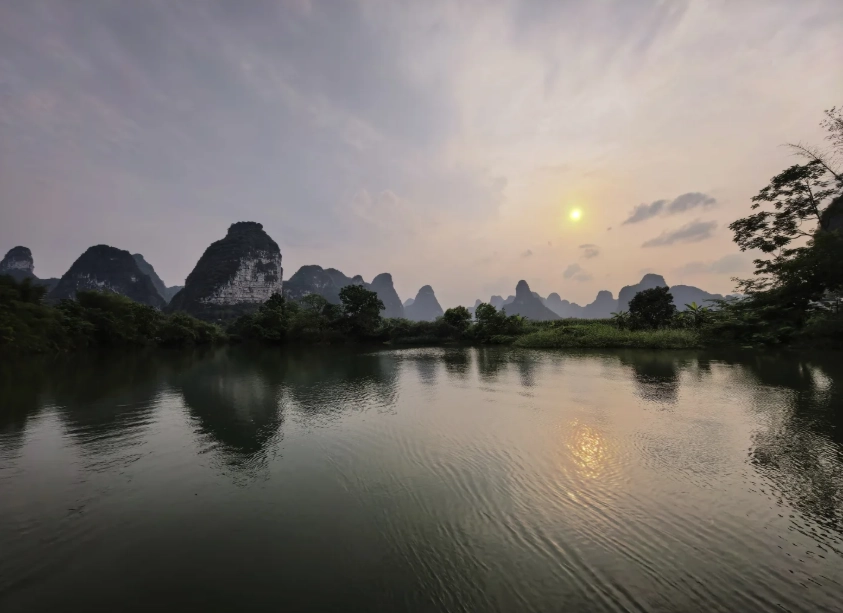
Why Chongzuo Should Be on Your Summer China Itinerary
Chongzuo is a prefecture-level city in Guangxi, hugging the border with Vietnam. It's the kind of place that photographers dream about — emerald rivers twisting through limestone peaks, rice paddies that glow in the golden hour, and waterfalls that roar for miles. Unlike Guilin or Yangshuo, Chongzuo remains under the radar. You won't find rows of selfie sticks or touts shouting at you in English. It is raw, wild, and refreshingly unpolished.
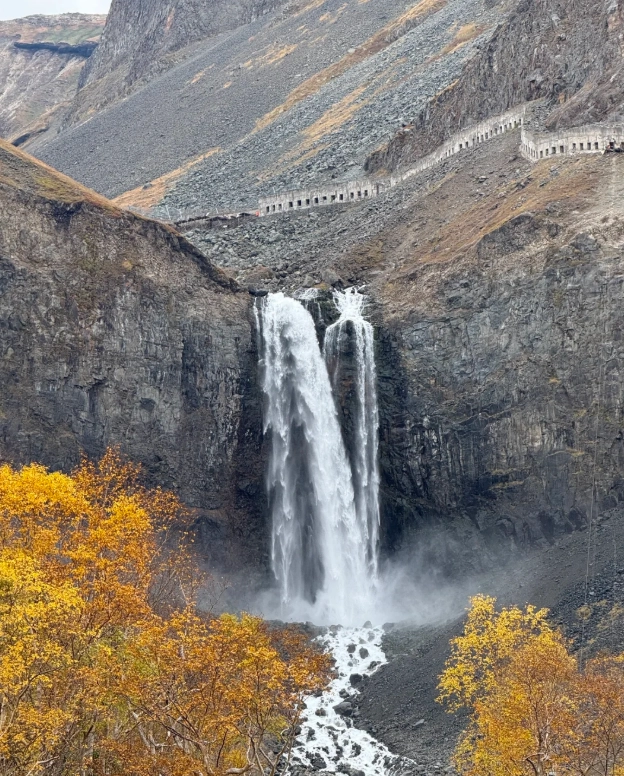
Season matters here. Summer brings heavy rain, which sounds bad but actually makes the waterfalls and rivers even more dramatic. The Detian Waterfall reaches its peak flow from July to September, turning into a thundering wall of white water that makes the borderland feel alive. Yes, the humidity will wreck your hair, but the lushness is unbeatable.
Insider Advice: If you only have one summer destination on your China trip, choose Chongzuo over Guilin. The landscapes are just as cinematic, but the crowds are a fraction of what you'll face in Yangshuo.
I also love Chongzuo because it offers a glimpse into China's multi-ethnic culture. The Zhuang people, the largest minority group in China, have called this place home for centuries. You'll see their stilted houses, taste their sour-spicy cuisine, and maybe even pick up a few Zhuang phrases from the vendors at the market.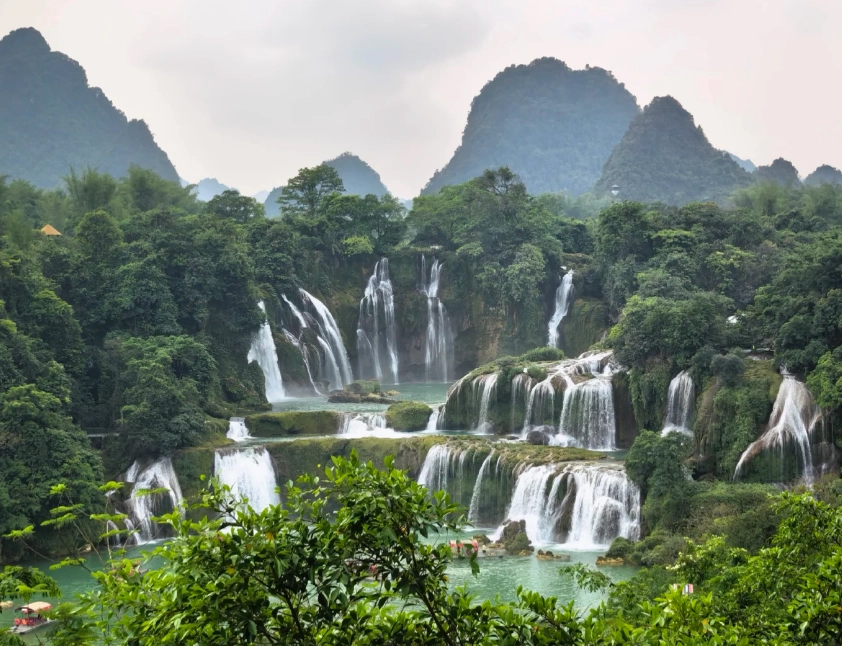
How to Get to Chongzuo and Get Around
Getting There by Air, Rail, and Road
The most practical gateway is Nanning, the capital of Guangxi. Nanning Wu Xu International Airport serves both international and domestic flights. From Nanning, you have two solid options:
| Transport | Duration | Cost Range | Best For | Notes |
|---|---|---|---|---|
| High-speed train (Nanning to Chongzuo) | About 1–1.5 hours | ¥80–120 | Fastest and most reliable | Trains run frequently from Nanning East Station or Nanning Station. Book tickets on 12306.cn or Trip.com. |
| Long-distance bus | About 2.5 hours | ¥60–70 | Budget travelers | Leaves from Nanning Langdong Bus Station. Buses run throughout the day. |
| Private transfer | About 2 hours | ¥300–500 | Groups or those with lots of luggage | Arrange via your hotel or a travel agency. On Chinese ride-hailing apps, it's possible to book a cross-city ride. |
Once you're in Chongzuo city, you still need a plan to reach the main sights. The attractions are spread out — Detian Waterfall is about 100 kilometers west of the city, near Daxin County. Mingshi River is about 60 kilometers north. Do not attempt to rely on public transport exclusively; it exists but is slow and infrequent.
Getting Around with Taxis and Rideshares
Didi (China's Uber) is your friend, but only if you can navigate the Chinese interface. The app offers an English version, so you can type your destination in English. However, most drivers don't speak English, so always have the address written in Chinese. I recommend saving the Chinese names for every attraction in a note on your phone.
Important navigation tip: Google Maps is useless in China. It will show you the market position but the routes are often wrong. Download Apple Maps if you're an iPhone user — it works surprisingly well for walking and driving. Or try AMap (also known as Gaode), but it requires a Chinese account and a level of patience.
Another crucial prep: install a good VPN before you fly. It's for your own sanity – you'll need it for Facebook, Instagram, WhatsApp, and definitely for Google. Without a VPN, many Western websites simply won't load.
And yes, cash is becoming obsolete here. I'm not joking. Even some taxis only accept mobile payments. So before you leave the airport, set up Alipay or WeChat Pay is binding an international credit card. Do it at home first, because airport Wi-Fi can be frustrating.
Pro Tip: When using Didi, type your destination in Chinese. You'll save yourself the headache of a driver calling you 10 times trying to understand "Mingshi River".
Detian Waterfall in Summer: Booking, Best Time, and Battle Plan
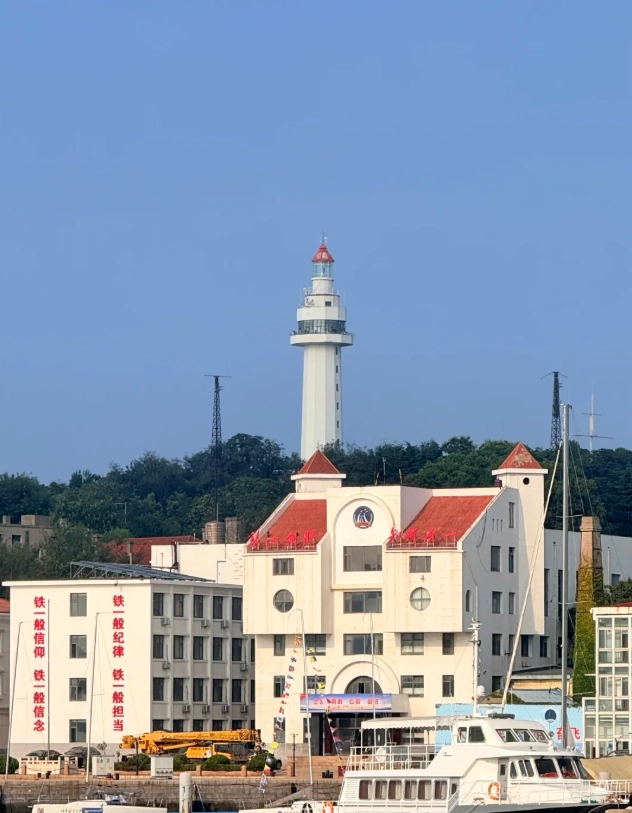
Detian Waterfall is the crown jewel of Chongzuo. It's the fourth-largest transnational waterfall in the world, shared between China and Vietnam. The average width is about 200 meters, and in summer, the water volume is jaw-dropping. I've been here at least 20 times, and it still gives me chills.
Booking Your Tickets: The Hassle Is Real
Tickets and shuttle bus passes are booked together, and now you get everything online. The easiest and most foreign-friendly channel is Trip.com. Search "Detian Waterfall" and you'll find a combined ticket and optional boat ride. You'll need your passport number to enter.
Local guests often use a WeChat mini-program that's entirely in Chinese. Honestly, I find it frustrating even as a Chinese speaker. So don't stress if you can't navigate it. Use Trip.com, or ask your hotel receptionist to book for you — that's what I do for my clients when they're stuck.
Ticket prices: about ¥80 for the entrance plus ¥35 for the shuttle bus. The boat ride costs an additional ¥30–50, but I highly recommend it. You'll get painfully close to the waterfall and feel the mist on your face. Prices change occasionally, so check the official WeChat account or Trip.com for current numbers.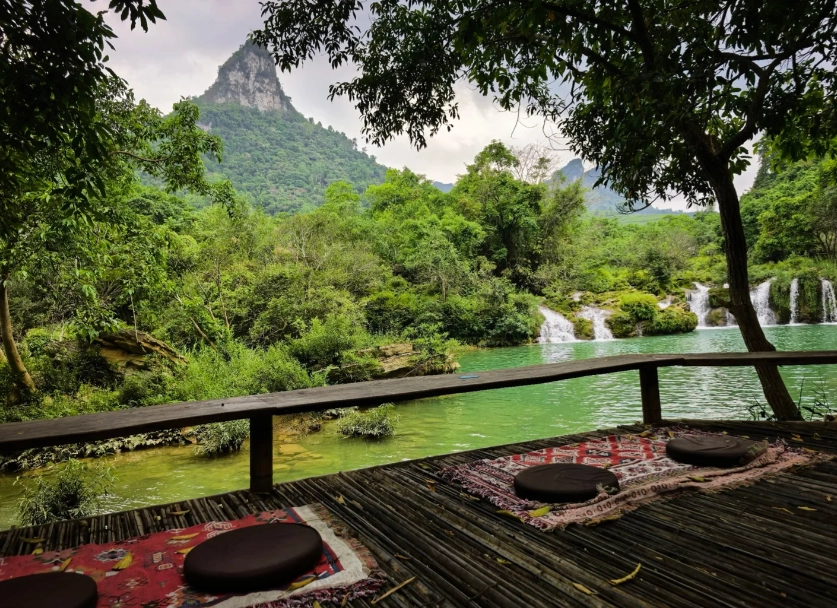
Best Time to Beat the Crowds
I always tell my groups: aim for the 8:00 AM first shuttle. The park opens at 8:00, and the first shuttle departs from the entrance to the falls. The crowd situation becomes chaotic after 10:00, especially during national holidays or school vacations. In summer, the heat is also a major factor. By noon, you'll be baking in the exposed viewing areas.
If you miss the early shuttle, your next best bet is to arrive after 3:00 PM. Many tour buses leave by 4:30 — late afternoon is surprisingly serene. You still have enough daylight to enjoy the falls and catch the golden light.
The Battle Plan: What to Expect Inside
Here's how a typical visit works:
- After entering the gate, you'll board a shuttle that takes about 10 minutes to the main viewing area.
- From the shuttle drop-off, walk down to the riverbank for the classic multi-tiered waterfall view. You'll see the Vietnamese waterfall on the right and the Chinese side on the left.
- If you bought the boat ticket, join the short queue for a raft ride across the river. The Vietnamese vendors may paddle up and try to sell you cigarettes or coffee. You don't have to buy anything.
- After the boat, climb the staircase along the hillside for higher viewpoints. The stairs are manageable, but in summer, this is where the heat gets real. Bring water and a hat.
- The trail loops back to the shuttle pickup area. Give yourself at least 3 hours if you're taking your time.
I remember one client who was exhausted before we even started because she didn't expect the stairs. So wear sturdy sandals that can handle wet and slippery stone. The mist near the falls will soak your shirt — a waterproof phone pouch is a lifesaver.
Insider Advice: Skip the electric car that some tourists suggest after the boat. The walk along the river is flat, shaded, and gives you the best unblocked views. Only take the car if you have mobility issues.
Two More Karst Gems: Ming River and Huashan Rock Art
Most travelers rush back to Nanning after Detian and miss out on the other two gems. That's their loss. Here's what you should see: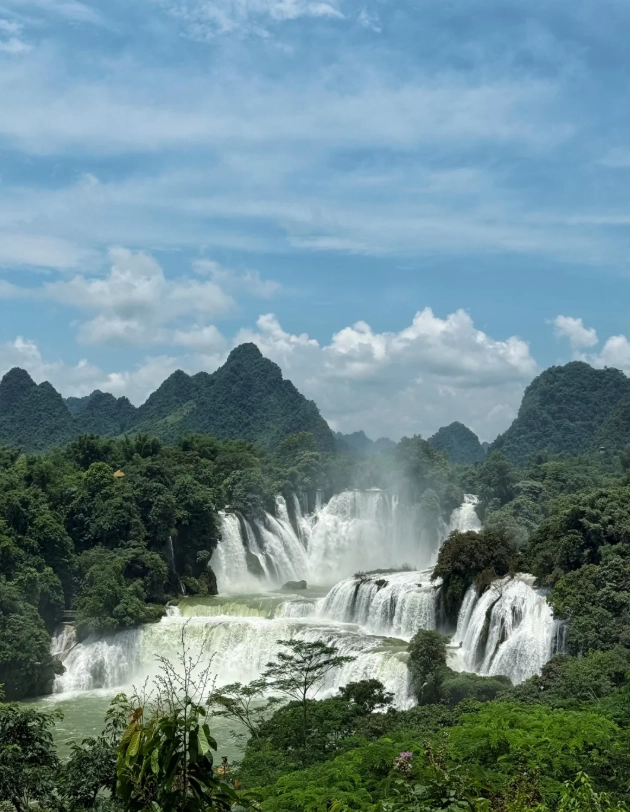
Ming River Scenic Area
Think of it as a quieter version of the Li River in Guilin. The Ming River section is actually named Mingshi River or Mingjiang in Chinese. It's a gentle bamboo boat ride through a valley dotted with limestone peaks, rice paddies, and water buffalo. The best time is late afternoon when the light turns everything gold and orange. The whole boat ride lasts about one hour, and the scenery is mesmerizing.
Location: The entrance is in Mingshi Village, near Daxin County. From Detian Waterfall, drive about 30–40 minutes. Tickets are around ¥60–80 for the boat ride, plus a park entrance fee. You can also rent a bicycle or electric bike to ride along the river path.
Summer heat gets intense here too, so bring an umbrella for shade. I always carry a small bluetooth speaker to play music during the ride — totally worth it.
Huashan Rock Art
For a dose of history, venture to the Zuojiang Huashan Rock Art Scenic Area. This is a UNESCO World Heritage Site with ancient cliff paintings dating back over 2,000 years. The paintings depict dancing figures, animals, and bronze drums. You'll need to take a boat along the Ming River (different section from the Mingshi boat) to view the cliffs.
Access involves a bit of planning: the site is about 60 kilometers south of Chongzuo city. You'll need a car or a tour group. In summer, the heat is brutal on the open river, but the experience is unforgettable.
My honest opinion? If you're not a hardcore history buff, you could skip this and spend more time on the water. But if you love ancient mysteries, put it on your list.
Summer Survival Hacks: Heat, Crowds, and Payment
This is the chapter I never get to write officially, but I'm giving it to you now.
Beating the Heat
The biggest struggle for tourists is the combination of high temperatures and high humidity. Your body needs time to acclimatize. Drink electrolytes, not just water. I always pack a thermal neck towel—actually they call it a "cooling towel" — and you can buy one at any convenience store for less than ¥30.
Plan your outdoor activities before 11 AM and after 3 PM. Use midday for lunch, karaoke, or a nap in an air-conditioned hotel.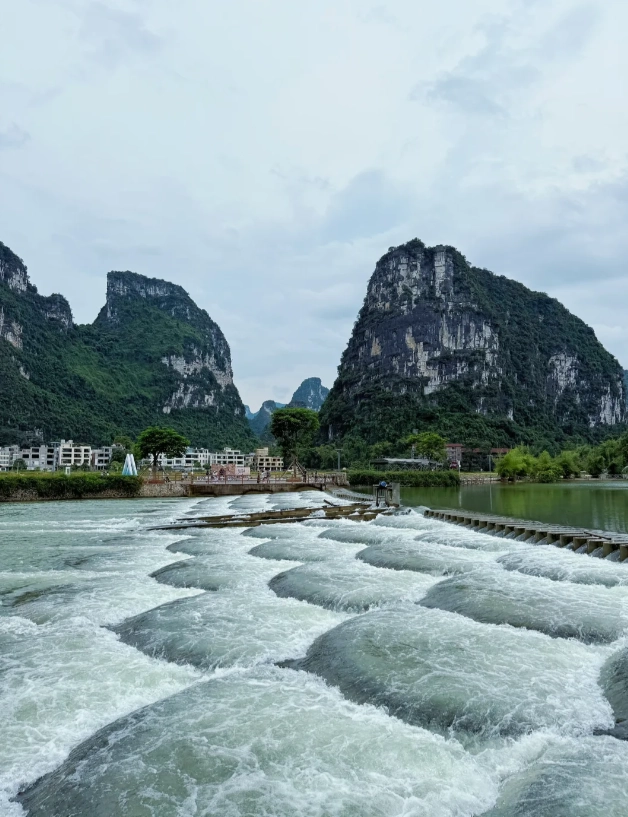
Managing Crowds
Summer vacation in China runs from July to early September. During this period, domestic tourists flood the sites, especially on weekends. I recommend visiting on weekdays. Check a Chinese calendar for holidays like Dragon Boat Festival or special events — avoid those dates at all cost.
Payment and Connectivity
I've already touched on this, but let's be crystal clear:
- Alipay and WeChat Pay are used literally everywhere. Yes, even the fruit seller on the street has a QR code.
- Most international credit cards (Visa, Mastercard) are not accepted at offline point-of-sale machines. Always carry a few hundred RMB in cash as backup.
- ATMs are available in banks, and they often accept foreign cards. But don't rely on them in small towns.
- Set up Alipay QR code scanning, and tie it to your foreign card. When you scan a Chinese QR code, the payment goes through as a merchant transaction. It works — I've used it for months.
Also, this may sound odd, but download a translation app. Apple Translate works offline if you download the Chinese language pack. You'll need it to ask for directions, translate menus, or read signs.
Pro Tip: Take a screenshot of any address in Chinese before you head out. If your phone gets lost or battery dies, you can show the screenshot to a taxi driver.
Where to Stay and Eat in Chongzuo
Where to Stay
Base yourself in one of two places: Chongzuo city for culture and food, or Daxin County for quick access to Detian Waterfall. Here's a comparison to help you choose:
| Area | Best For | Hotel Examples | Typical Price Range (Summer) | Pros | Cons |
|---|---|---|---|---|---|
| Chongzuo City | Exploring Huashan Rock Art, night markets, and local town vibe | Chongzuo Tiance Hotel, Green Leaf Boutique Hotel | ¥200–400/night | More food choices, easy access to train station, bus network | Detian is still 2+ hours away |
| Daxin County | Detian Waterfall and Mingshi River | Mingshi Resort, Grand Peace Hotel Daxin | ¥300–600/night | Wake up at 7 AM and be the first at the waterfall | Fewer restaurants and limited nightlife |
If you're doing a 3-day trip, I'd split your nights — one night near Daxin, then transfer to the city for the last night. This saves you backtracking and lets you experience both atmospheres.
Hotels in Daxin tend to have better views, but they often lack English-speaking staff. Use a translation app to communicate. Ask for extras like travel adapters—the standard Chinese outlets are just like US two-pin, no need for adapter for most devices.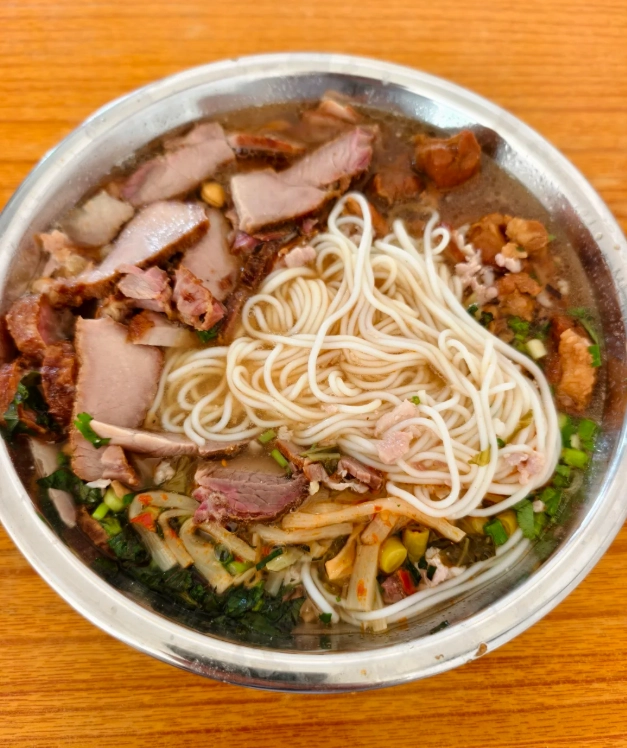
What to Eat
Chongzuo's cuisine is underrated. It blends Zhuang and Vietnamese spices, resulting in a sour and spicy kick. Here are the must-tries:
- Detian Waterfall rice noodles (德天瀑布米粉) — a gloriously messy bowl with braised beef, soybeans, and a secret chilli oil. Find it in Daxin's food stalls.
- Zhuang-style sticky rice (五色糯米饭) — black, red, yellow, purple, and white rice soaked in herbs. It's naturally dyed and gives off an earthy aroma.
- Cross-border coffee — thanks to Vietnam's proximity, you can find proper egg coffee and coconut coffee in small cafés in Chongzuo. It's a lovely afternoon pause.
- Grilled river fish — the fish from the Zuojiang River are small, meaty, and cooked over charcoal with a pile of chilli and lemongrass.
Where to find them: In Chongzuo, head to the night market on Jiangnan Road. In Daxin County, the street around the Big Iron Bridge is packed with food stalls. Most stalls take cash or mobile payment only, so bring some cash. They do have picture menus, so you can just point at what you want.
Insider Advice: The best egg coffee I've had in China was in a tiny shop called 'Ca Phe' in Chongzuo city. Just search for "egg coffee" on AMap and you'll find it.
Sample 3-Day Chongzuo Summer Itinerary
This itinerary is designed to beat the heat and the crowds, while giving you the full Chongzuo experience without burnout. Adjust the timings to your pace.
Day 1: Arrival in Chongzuo and Ming River Sunset
Unless you arrive super early, you'll likely hit the ground in the early afternoon.
- 12:00 – 14:00: Arrive in Chongzuo city, grab a late lunch near your hotel.
- 14:30 – 15:30: Take a taxi to Mingshi River Scenic Area (about 40 mins from the city).
- 15:30 – 18:00: Board the bamboo boat. This is the golden time for photography. The mild afternoon heat is tempered by the river breeze.
- 18:30: Return to Daxin County (closer to your second day destination). Check in to your Daxin hotel.
- 19:30: Dinner at Daxin's night market. Try the grilled fish and purple sticky rice.
If you're feeling energetic, you could hike up to the Longhe Waterfall viewpoint instead, but I'd rather save that for the next day.
Day 2: Detian Waterfall Full Morning
- 7:00 – 7:30: Have an early breakfast and check the weather.
- 7:45 – 8:30: Drive to Detian Waterfall visitor center. Buy tickets via Trip.com the night before to skip the line.
- 8:30 – 11:30: Explore the falls. Take the boat ride, walk the stairways, and soak in the views. You'll have the place mostly to yourself until 10:00.
- 11:30 – 12:30: Shuttle back to the entrance. Lunch at a nearby farmer restaurant. The portions are huge.
- 13:00 – 15:00: Return to Chongzuo city. Check in to your city hotel and take a nap.
- 16:00 – 17:30: Visit the Friendship Pass (Youyi Guan) on the border. It's a smaller site but historically rich. Bring your passport, as military guards may check it.
- 18:30: Head to the Jiangnan Road night market for dinner.
Day 3: Huashan Rock Art or Local Day
- 8:00 – 9:00: Drive to Huashan Rock Art scenic area (approximately 1 hour from Chongzuo city).
- 9:00 – 11:30: Take the boat to view the rock paintings. This is a sheltered activity, but still very atmospheric. Wear a hat and sunglasses.
- 12:00: Lunch at a local restaurant near the dock.
- Afternoon: Walk around the town of Chuoliu (if you have energy) or head back to Nanning for your next destination.
If you're short on time or the weather is brutal, skip the rock art and instead go to the Chongzuo Yongning Folk Culture Garden. It's a reconstructed Zhuang village that's less known and easier to navigate, located right on the edge of the city. You can spend an hour there walking through traditional houses and observing daily life.
Also, don't forget that the most important thing about a summer itinerary is flexibility. If there's a sudden thunderstorm, swap the outdoor parts for a café and a cooking class. Many local families offer meals where you can stir-fry your own rice noodles in a wok.
FAQ: Chongzuo Summer Travel Questions Answered
Verified and fact-checked by the editorial team. This content has been fact-checked to ensure informational precision.





If you're heading to Chongzuo in summer, read this first. Every recommendation I followed worked, from the early-boat schedule at Detian to the guesthouse with the rooftop view in Longzhou. The guide has this calm, practical style — no hype, just exactly what you need. I'm a budget traveler and the cost estimates were spot on. Made me feel like a local, not a tourist.
This guide is a hidden gem. It doesn't just list scenic spots; it explains how to actually see them without getting stuck in the tour-bus shuffle. The tip about renting an e-bike on the Minghe River road was the highlight of my whole trip. I stopped at a random field for a snack and watched the karst peaks turn gold at sunset. Also loved the warning about leeches after rain — I avoided them, my friend didn't. Worth every penny.
Best travel resource I used in Guangxi, hands down. My friend and I lived by this guide for four days. The 'skip crowds' angle is real: starting Detian at opening and using the eastern path meant we heard birds and water before the tour groups arrived. The village stay suggestion near Minghe was perfect — we woke up to water buffalo grazing under the limestone peaks. Already sent this to my sister.
Really solid guide for summer in Chongzuo. I liked that it focuses on the quiet side — the afternoon hike around Minghe instead of the touristy morning rush. We followed the route and had the bamboo grove and river sections almost to ourselves. Knocking off one star because the map links kept breaking on my phone and I would’ve loved a couple of backup maps or offline suggestions. Otherwise, great job.
I wanted to love this because Chongzuo is stunning, but the guide felt a little too broad. The section on getting to the karst viewpoints was vague — I followed the 'catch a local bus from the old bridge' tip and ended up waiting an hour in the heat with no shade. Detian Waterfall tips were fine, but I wish there were more honest notes about ticket prices and the forced shuttle. Not useless, just didn't save me as much hassle as I hoped.