 Tao Xu
What You'll Learn Here
- Why Timing Is Everything at Zuojiang Huashan Rock Art
- The Best Months: A Season-by-Season Breakdown
- How to Plan Your Visit Around the Boat Schedule
- Practical Tips for Foreign Visitors
- What You'll See: My Own Notes from the Cliffside
- Nearby Places to Pair With Your Visit
- FAQ: Quick Answers for Trip Planners
Rain soaked my jacket. I'm staring at a grey cliff from a wet boat. 'No boat today,' the captain says. That's when I learned: Zuojiang Huashan Rock Art doesn't work in bad weather. The ancient carvings on the limestone cliffs need the river to get close, and flooding or low water both kill your chances.
So what is the best time to visit Zuojiang Huashan Rock Art? After dozens of trips, my honest answer is autumn — late September through November. The rainy season has ended, water levels are good, and daytime highs drop below 30°C. Plus, the first boat in the morning leaves before the tour groups arrive, so you get quiet views.
Meanwhile, in July, you risk typhoon closures. In December, the water drops so low that boats sometimes reroute. Let me show you the exact months, the boat timing, and the booking hacks that save your trip.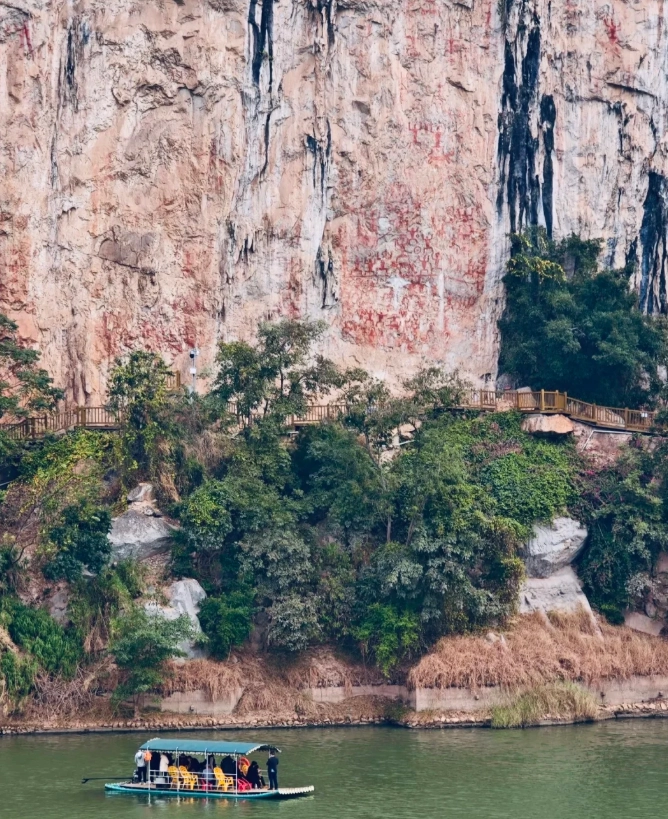
Why Timing Is Everything at Zuojiang Huashan Rock Art
When most people search for the best time to visit Zuojiang Huashan Rock Art, they expect a simple weather answer. But this UNESCO World Heritage site has a twist: it's only reachable by boat. The Zuojiang River system, specifically the Ming River, flows through Ningming County in Guangxi. The rock art panels — more than a hundred painted scenes of human figures, bronze drums, and animals — are etched into vertical cliffs above the water.
That means access depends on three things:
- Water level. Too low? Boats can't approach certain panels. Too high? The mooring points might be underwater.
- Visibility. Heavy rain and fog blur the red pigment. You'll see less.
- Boat willingness. The local operator can cancel departures when the river swells.
I've guided travellers here in every season except February. I've been stuck on the dock watching rain pour for two hours, and I've also had a perfect, silent morning with just two other people and a row of golden rice paddies. The difference is not luck — it's picking the right window.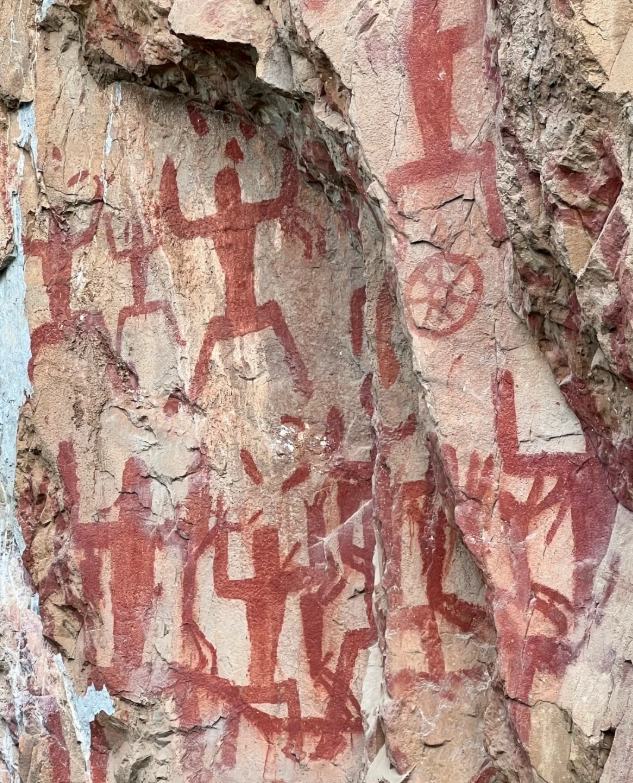
The Best Months: A Season-by-Season Breakdown
Here's the honest summary from my trip log. The table gives you a quick compromise between weather, crowds, and your chance of actually getting out on the water.
| Season | Months | Water & Weather | Pros | Cons | Verdict |
|---|---|---|---|---|---|
| Spring | Mar–Apr | High water, warm, humid | Lush scenery, fewer tourists | Rain showers, slippery paths | Good |
| Summer | May–Aug | High water, hot, stormy | Dramatic river views | Heat, typhoon risk, closures | Avoid |
| Autumn | Sep–Nov | Stable water, mild days | Clear skies, comfortable travel | Oct holiday crowds (first week) | Best |
| Winter | Dec–Feb | Low water, cool, dry | No heat, truly quiet | Low water may shorten the boat route | Fair |
Based on my visits over the past several years. Conditions can change — always confirm with the dock the day before.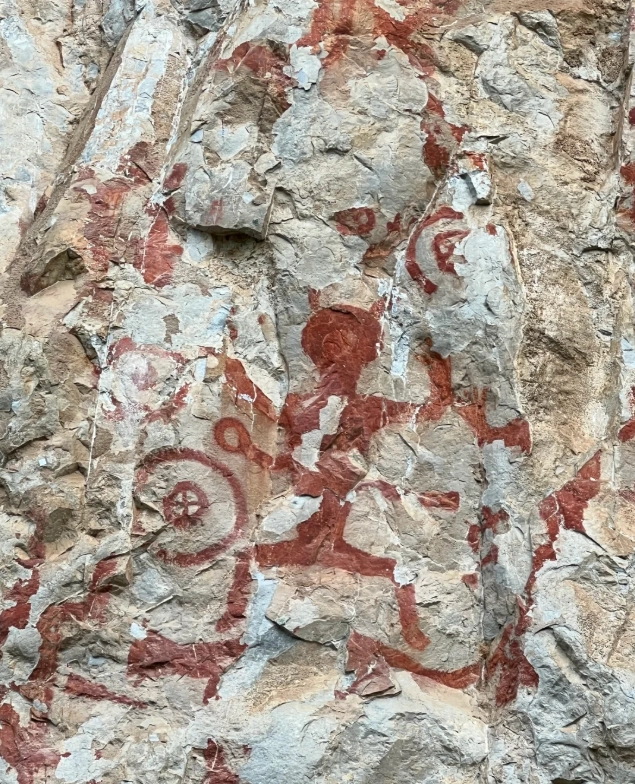
Autumn: My Top Pick for Your First Visit
If you want the clearest view of the paintings, target late October and November. The monsoon has backed off, the river settles to a normal level, and the day time temperature hovers around 20–28°C. I've found that the red pigment on the cliff looks sharpest under flat morning light, which you automatically get because the sun hasn't climbed above the karst peaks.
One caution: Chinese National Day (October 1–7) brings huge crowds and higher hotel prices. By the second week of October, the site quietens down. My best trip ever was on a mid-November Wednesday — we were the only boat for two hours.
Spring: The Green-Season Compromise
March and April are beautiful because the whole valley turns brilliant green. Water levels are still high from winter rains, so the boat can navigate all panels. The risk is you get a sudden downpour. I always tell clients to bring a dry bag for their camera and wear shoes with good grip — the gangplank is annoyingly slippery.
Winter: For Photographers and Hermits
December to February is cool and dry. You'll likely have the cliffside to yourself. But I've seen days when the Ming River drops so low that the captain takes a detour, missing the largest panel. If your goal is to see absolutely everything, I'd skip deep winter. If you want silence and are flexible, go for it — just ask the dock staff before buying a ticket.
Summer: Only If You're Flexible
The rain and heat are relentless. Typhoons can close the site with less than a day's notice. I've had to refund two clients' tickets in July. If you can only travel in summer, take the morning boat at first departure and check a reliable weather app like Windy. And prepare for 35°C with 90% humidity — you'll sweat through your shirt just standing still.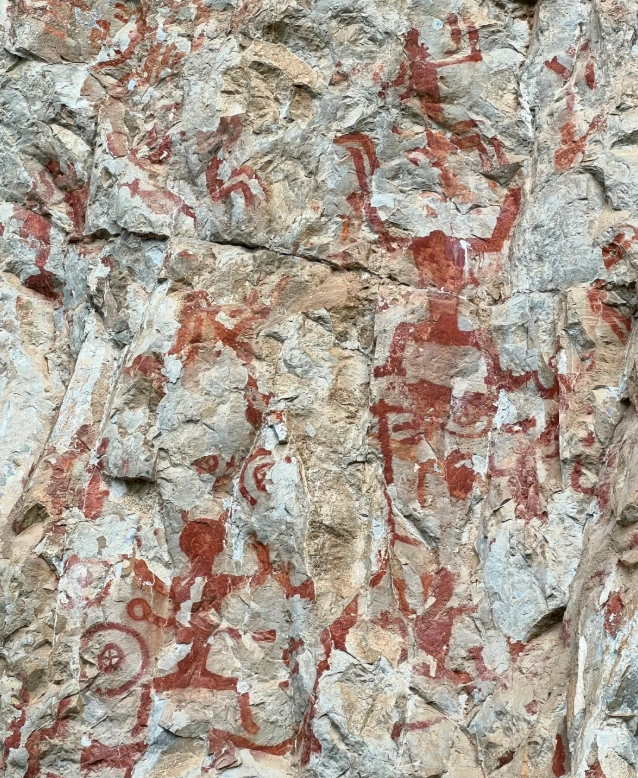
How to Plan Your Visit Around the Boat Schedule
The dock at Huashan Wharf (花山码头) runs two types of trips: a short loop that shows the main Huashan panel, and a longer route that covers several cliff faces including the one with the famous 'drum-dancer' scene. The longer trip is usually around 2.5–3 hours round trip. The short one may take about 1.5 hours.
Most boats leave in the morning. The typical departure window is 8:00 to 16:00, but the last boat often leaves at 15:00 so you can return before dusk. On busy days, they fill seats and leave on time; on slow days, they might wait for a minimum number of passengers. Don't show up at 4:30 p.m. expecting a boat.
How Long Is the Boat Ride?
From the wharf to the largest panel, it's roughly 30–40 minutes each way, depending on the water level. The boat itself is covered, but that doesn't help when the wind blows rain sideways. If you get seasick easily, take a motion-sickness pill 30 minutes before boarding.
What Happens If It Rains?
Light drizzle doesn't stop the boat. However, if there's a thunderstorm warning or the river reaches a dangerous level, departures are cancelled. The ticket office posts a sign in Chinese only, and sometimes the online booking platform stops issuing tickets for that day. My guide instinct says: always have a backup plan for that day, like the Chongzuo Museum or a foot bath in town.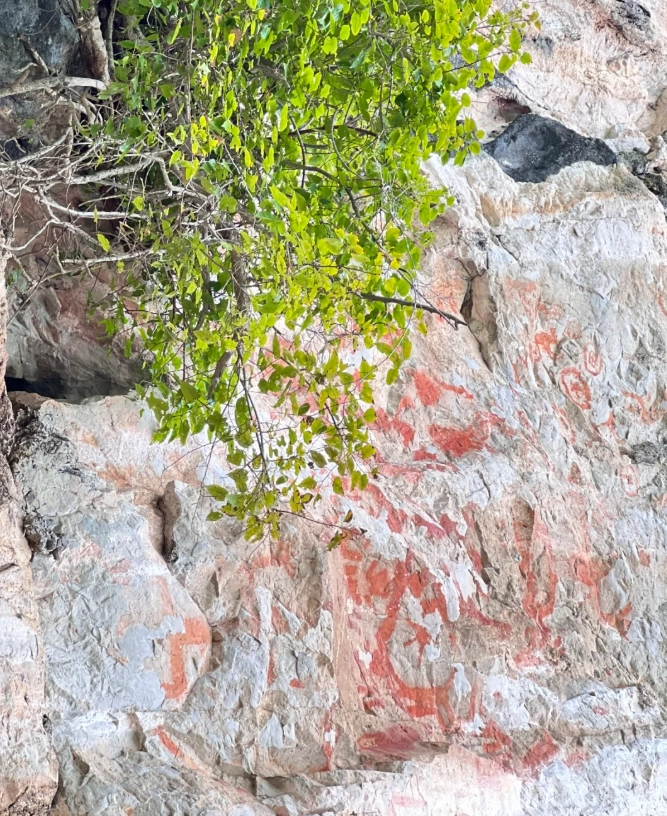
Practical Tips for Foreign Visitors
You can't just show up and hand over a credit card. Here's how to navigate the logistics without tears.
Payment: Go Digital or Go Home
This site, like most in small-town China, does not accept cash or international credit cards at the ticket window. You'll need Alipay or WeChat Pay linked to your foreign card. I've watched efficient travellers fumble with WeChat because they didn't set it up before leaving home. Do it at the airport, not at the dock.
Insider Advice: If you can't link your card, ask your hotel in Nanning or Chongzuo to prepay for your tickets via Trip.com. You reimburse them. It's a lifesaver.
Booking Your Ticket as an International Tourist
You can buy at the dock, but on weekends and holidays it's smarter to book in advance. Use Trip.com or Klook (search 'Zuojiang Huashan Rock Art'). They'll send you a QR code voucher. Important: your passport name must match the booking, because the ticket office will record your passport number.
Navigation: Don't Trust Google Maps Here
Google Maps is unreliable in this corner of Guangxi. I always switch to Apple Maps (for iOS) or the English version of Amap (AMap Go). Put this address in for the driver:
Huashan Wharf (花山码头), Ningming County, Chongzuo, Guangxi, China.
When you take a taxi or a ride-hailing car, show the Chinese characters to the driver. Your hotel receptionist can also write '请带我去花山码头' on paper.
Language & VPN
Almost nobody at the site speaks beyond basic English. Download Apple Translate or Baidu Translate because the Mandarin camera translation will help with signs. And yes, most Western apps are blocked in China. You need a stable VPN installed before you arrive, otherwise you won't be able to access your Trip.com booking or contact your embassy.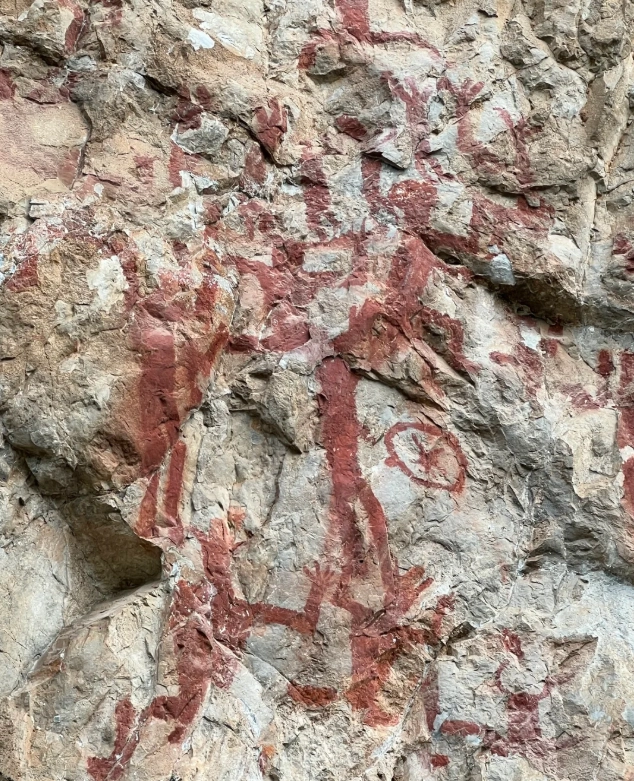
Getting to the Huashan Dock Without Getting Lost
From Nanning, take a high-speed train to Chongzuo South (about 1 hour) or a regular train to Ningming. Then take a taxi or ride-hailing car to the wharf. The car ride from Ningming town is about 20–30 minutes. From Chongzuo city, it's about an hour. If you're without a car, book a private day trip from Nanning on Trip.com — they handle transport and tickets in one go.
What You'll See: My Own Notes from the Cliffside
I admit, I love this place. The rock art is not high-art drama; it's an ancient visual record. The most striking figure is the giant 'drum-dancer' — a large human-like figure over three metres tall, surrounded by smaller people raising their arms. The red pigment has survived because the cliff overhang protects it from rain.
Don't expect a polished tourist site. The dock is basic: a concrete ramp, a corrugated iron roof, and a snack kiosk that sells bottled water and instant noodles. The toilets are communal and squat-style. I always tell my guests to use the restroom at their hotel before heading there.
Hot tip: the best photo spot is at the front right side of the boat, not the left. The morning sun hits the cliff at an angle that bounces light across the red ochre. Around 2 p.m., the cliff goes into shadow and details are hard to capture.
Nearby Places to Pair With Your Visit
You're in the western edge of Guangxi, close to Vietnam. After the boat, consider:
- Chongzuo Park – a quiet place to wander among subtropical trees, about 20 minutes from the dock.
- Detian Waterfall Country Park – a famous cross-border waterfall about 2.5 hours away. Good if you have a full extra day.
- Ming River Scenic Area – the same river farther upstream, with weird karst mountains. You don't need a separate boat; the view from the pier itself is gorgeous.
If you're stretched for time, you can pair Zuojiang with a visit to the Chongzuo National Museum (it has a small section on the rock art history) and still have dinner in Chongzuo's old town.
FAQ: Quick Answers for Trip Planners
Verified and fact-checked by the editorial team.





I'm a big archaeology nerd, so this was on my bucket list. The fact that these 2,000-year-old drawings of bronze drums and people are still visible is mind-blowing. Went in January – crisp and dry, perfect for taking photos. The boat captain let us linger at the best viewpoint for a while. We also hiked part of the opposite bank for a wider view. Seriously underrated site. Just check the water level and avoid summer torrents.
This was the highlight of my Guangxi trip. I timed it for the dry season (mid-April) and had zero rain. Taking the boat down the Zuojiang River felt like going back in time – giant cliff paintings towering above you, birds, bamboo groves, not many tourists. The visitor centre is well put together, and the staff helped me get the right boat after I missed the first one. If you want to see the art without rain ruining it, go when it hasn't rained for a few days.
Came in March on a clear, dry morning. Absolutely magical. The guide explained how the pigments were made and why the location on the river cliff mattered. We got lucky with calm water, and the reflections made the red figures almost glow. The hike around the site isn't hard if you're mobile, but the boat is the real highlight. 10/10 – go early and book a local guide.
We visited in November and avoided the downpours, so the boat trip to the rock art was smooth. The paintings are stunning and really well preserved for being centuries old. Only downside: our group got about 20 minutes at the viewpoint and then had to head back due to the tour schedule. Wish there was more time to just sit and take it in. Still recommend, just go with a smaller tour if you can.
Went in late May because flights were cheap. Bad idea—rain on and off all day. The boat ride was still running, but the cliff face got misty and we couldn't see the figures clearly from the water. The site itself is impressive, but the slippery steps and humidity really took away from it. I see why everyone says go between October and April. Would've rated higher if the weather had cooperated.
As someone who absolutely hates being caught in rain, this article is everything. I went in early February and the weather was crisp, dry, and just perfect. The boat dropped us at the boardwalk and I honestly gasped—rows of painted figures stretching across the whole cliff, some over three metres tall. I spent a long time just standing there imagining the ancient ceremonies. The tip about getting the first boat is 100% correct: by the time we left, bigger tourist boats were already arriving and crowds were forming. A must-read for anyone planning this trip.
Best guide I found on Huashan. I normally don't trust random articles, but this one was spot on. We went in late October and had zero rain—cool breeze, calm water, and hardly any other tourists. The rock art spans the cliff like something out of a dream, and our local guide explained the ceremonies while we floated quietly below. The timing tip is the most important part: go early, go dry, and you'll have the place almost to yourself. Highly recommend reading it before you go.
This article saved my trip. I almost went in June, but after reading about the rainy season I changed to early December. Huge difference! The cliff was dry, the boat got close enough to see the red pigments clearly, and the morning light was perfect for photography. If you're into ancient cultures or just want a peaceful river trip among karst peaks, follow this guide exactly—go in the dry season and take the first boat. Absolute highlight of my time in Guangxi, no question.
Really useful read! We visited in March after following the article's advice, and the weather was perfect—clear skies and no rain. The paintings are breathtaking, especially the big shaman figure on the left; photos really don't capture how tall it is. The only thing I’d add is that the visitor centre asked for our passports for the foreigner tickets, and the article didn’t warn us, so we had to walk back to the hotel. Still an amazing day and the article definitely helped us pick the right time.
The article gives solid advice about going in the dry season, and we did get lucky with no rain in November. The rock art itself is genuinely impressive—those red figures on the cliff are huge and the boat ride up the Zuojiang River is beautiful. But I wish the article had mentioned the local boat schedule is a bit loose. We waited 45 minutes at the dock, and the boardwalk steps were slick from morning mist, which the article didn't mention at all. Worth seeing, but 'beat the rain' doesn't cover everything you'll need to plan for.