 Ming Yang
Quick Navigation
I’ve been guiding photography tours in Shangri-La for seven years. And you know what? Most photographers come back disappointed—not because Shangri-La isn’t beautiful, but because they followed the wrong advice. They showed up at noon, got harsh light, and missed the real magic. This itinerary is built around the golden hours and lesser-known spots that make your portfolio pop. Let’s fix that.
Here’s the truth: Shangri-La (formerly Zhongdian) sits at 3,300m in Yunnan. It’s nicknamed “Heaven on Earth” for a reason. But without a solid plan, you’ll fight crowds, struggle with high altitude, and miss the best light. I’ve designed this 7-day Shangri-La photography tour itinerary to maximize your keeper shots. You’ll hit iconic monasteries, pristine lakes, and alpine meadows—all at the perfect time. Ready? Let’s dive in.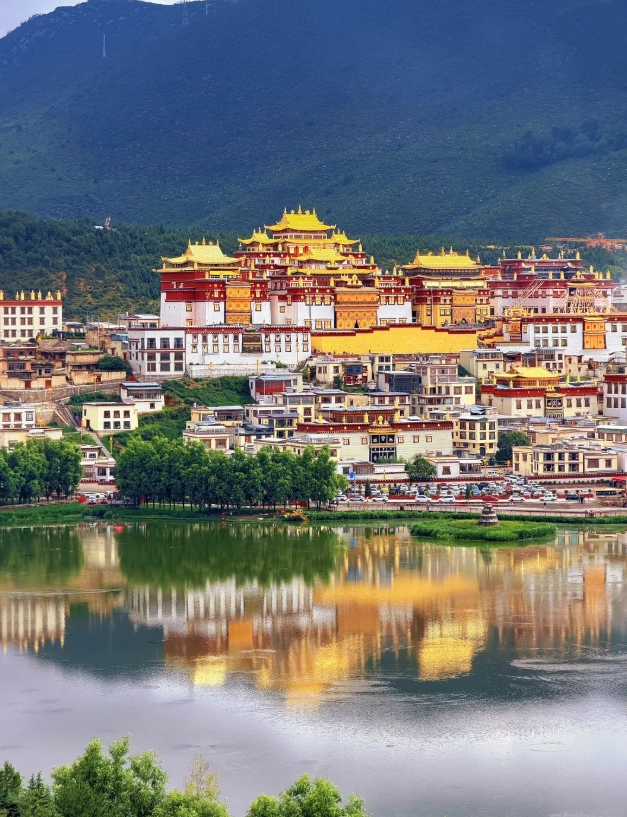
Why This Itinerary Works for Photographers
This isn’t a generic travel guide. It’s a photographer’s blueprint. Every location is timed for sunrise or sunset. I’ve included backup plans for bad weather (because it rains here even in dry season). You’ll also get specific tips on permits, paying in remote areas, and navigating without Google Maps. No other tour packs this much practical photo intel.
Essential Tips Before You Go
Payment & Connectivity
Cash is still king in small shops and entry fees. Many monasteries and local eateries don’t accept Alipay or international cards. Bring enough yuan from the city. For larger purchases, use WeChat Pay linked to a foreign card—but have a backup. Most ATMs accept Visa/Mastercard at Bank of China.
Navigation
Google Maps is useless here. Use Apple Maps or AMap Global (search “AMap” in App Store). Download offline maps before you arrive. For taxis, show the Chinese address from this article or use Didi (Chinese Uber) with a phone number.
Pro tip: Save these addresses in Chinese on your phone: 松赞林寺 (Songzanlin Monastery), 普达措国家公园 (Pudacuo National Park).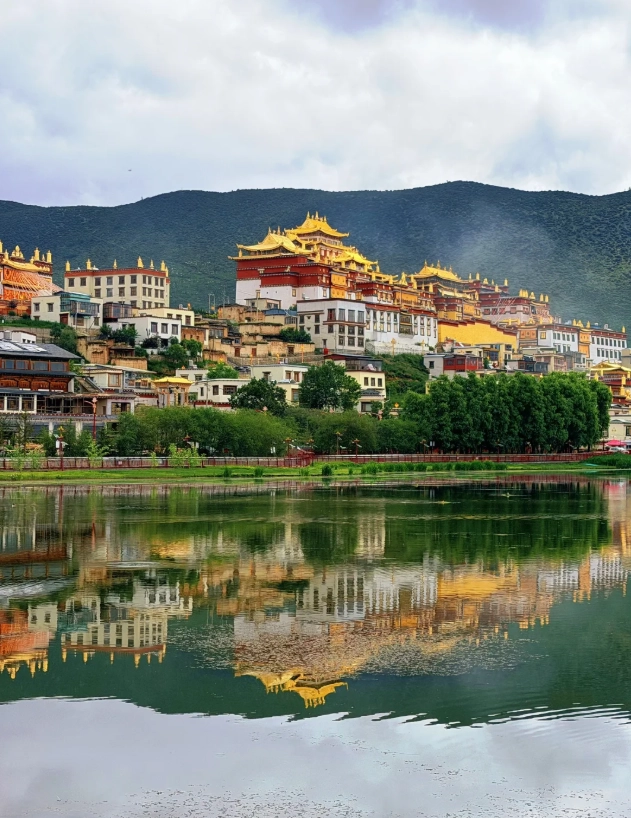
Altitude & Health
Acclimatize for 24 hours before strenuous hiking. Day 1 is intentionally light. Drink lots of water, avoid alcohol, and consider Diamox (consult your doctor). Symptoms hit hard at 3,300m.
7-Day Shangri-La Photography Tour Itinerary
Day 1: Arrival & Old Town Magic
Fly into Diqing Shangri-La Airport (DIG). Take a taxi to Old Town (30 minutes, ~50 yuan). Check into a guesthouse near Dukezong Ancient Town—I recommend Shangri-La Songtsam Lodge for its traditional vibe and stable wifi.
Golden hour shoot: Walk to the Giant Prayer Wheel on the hill. The light hits the old town roofs beautifully at 6pm (October). Use a wide-angle lens (16-35mm).
Dinner: Compass Restaurant (Google Maps: 4.5 stars) – try the yak burger. Pay by cash or WeChat. They have an English menu.
Tip: The altitude might give you a headache tonight. Go to bed early.
Plan B (rain): Visit Shangri-La Museum of Tibetan Culture – indoor exhibits, decent for street photography.
Day 2: Songzanlin Monastery (Little Potala)
Wake up at 6:30am. Take a taxi (15 minutes, 20 yuan) to Songzanlin Monastery (address: 香格里拉市松赞林寺景区). Buy tickets at the gate (90 yuan adults, semi for kids). You must show your passport. The ticket includes a shuttle bus to the main entrance.
Photography: Arrive before 8am. The morning mist over the monastery and the golden roofs backlit by sunrise is iconic. Use a telephoto (70-200mm) for compression shots of the monks walking.
Note: Do not photograph inside the prayer halls. Be respectful. Best spot: Climb the small hill to the left of the main hall for an overview.
Lunch: Potala Palace Restaurant (2km away) – authentic Tibetan cuisine. Average 60 yuan per person.
Afternoon: Return to Old Town for rest. Or explore the Thangka Painting Center near the monastery.
Insider advice: The monastery closes gates at 6pm, but the exterior remains accessible for sunset shots until 7pm (seasonal).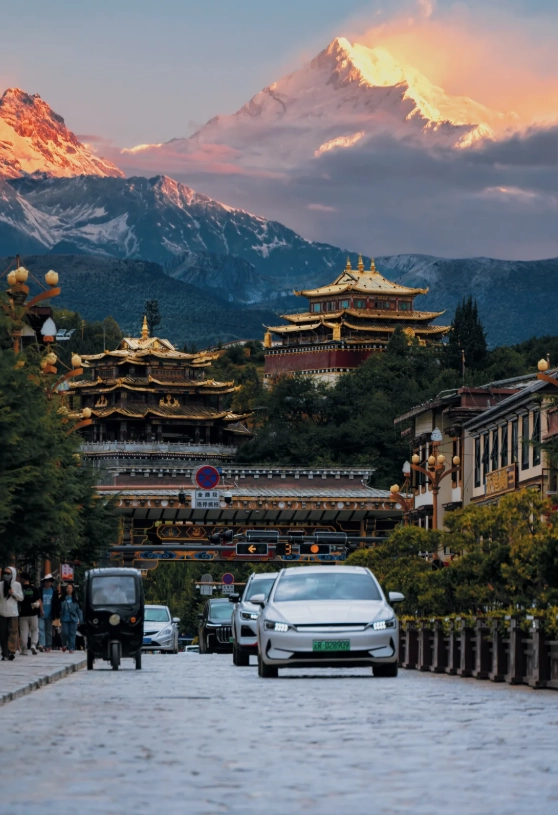
Day 3: Pudacuo National Park
Start early – park opens at 8am. Drive: 30 minutes from Old Town (taxi ~80 yuan). Address: 香格里拉市普达措国家公园. Ticket: 258 yuan (includes shuttle boat). Booking required via Trip.com or WeChat mini-program (ask your hotel to help). Passport needed.
Key spots: Shudu Lake (mirror-like reflections – best in calm morning) and Bita Lake (alpine meadow). Walk the wooden boardwalks – about 3 hours total.
Photography tip: Use a polarizer to cut glare on the water. Wide-angle for landscapes, plus a macro for wildflowers (June–August).
Crowds: Avoid 10am–2pm when tour groups swarm. Stick to the eastern trail; it’s quieter.
Lunch: Pack snacks – the park restaurant is overpriced and mediocre.
Backup (heavy rain): Skip the boat ride and focus on the forest boardwalk near the entrance – good for moody forest shots.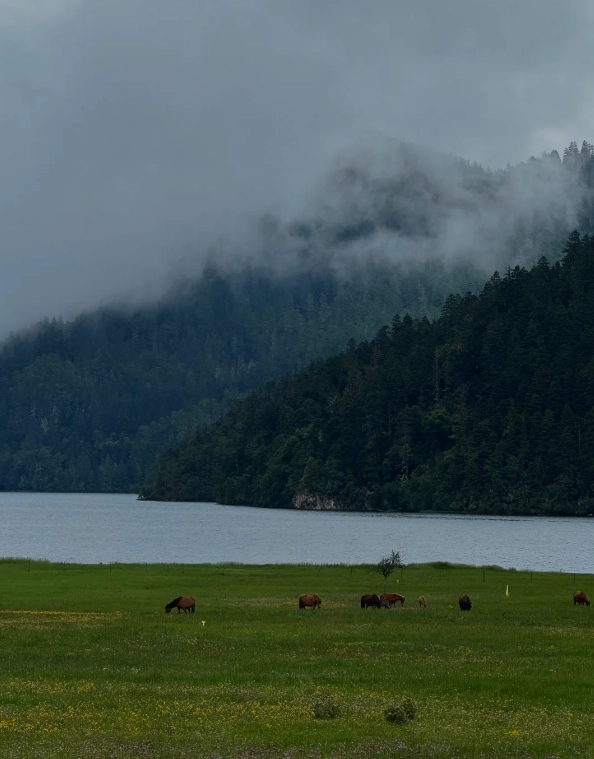
Day 4: Tiger Leaping Gorge (Optional Day Trip)
This is a full day (6–8 hours round trip). Only recommended if you have good weather and energy. Hire a private driver (~600 yuan for the day from Shangri-La). The gorge offers dramatic cliffs and the roaring Yangtze River.
Photography: The Middle Gorge section has the best viewpoint (28 bends). Use a wide lens for dramatic depth. Watch your step – trails are slippery after rain.
Note: The road can be bumpy. Consider this as an optional add-on; if you skip, instead spend Day 4 in the Baihua Valley (wildflowers) or a Tibetan homestay for cultural portraits.
Day 5: Meili Snow Mountain (2-Day Side Trip or Skip)
For serious landscape photographers: Meili Snow Mountain (4 hours drive) offers sunrise over the sacred peak. But it requires an overnight stay. If time is tight, skip it. I usually tell clients that 7 days is too short for Meili. Instead, use Day 5 for sunrise at Napa Lake (30 min from town) – a vast wetland with yaks and reflections. Free entry, best at 7am.
Day 6: Local Villages & Cultural Shots
Morning: Visit Shangri-La Cizhong Village – a traditional Naxi village with old wooden houses. Drive 40 minutes. No entry fee. Photograph locals weaving or making butter tea – ask permission first (a small gift helps).
Afternoon: Baima Snow Mountain Nature Reserve – less crowded than Pudacuo. Entry fee 60 yuan. Great for wildlife (black-necked cranes in winter).
Sunset: Return to Old Town for final night. Sunset at Guishan Park (the giant prayer wheel hill again) – different from Day 1 because the light will be softer.
Day 7: Departure or Flexibility
Morning shoot: Sunrise at Songzanlin Monastery (if you want a second chance). Or catch the morning market at Old Town (open 7am–noon) for street photography.
Flight home: Allow 1 hour to the airport.
Pro tip: If you have an extra day, hire a driver to Shangri-La Grand Canyon (2 hours) – less famous but spectacular for wide angles.
Photography Gear Recommendations for High Altitude
| Item | Why Important | My Preference |
|---|---|---|
| Lenses | Covers wide landscapes & telephoto compressions | 16-35mm + 70-200mm |
| Polarizer Filter | Reduces glare on lakes and snow | B+W 82mm |
| Extra Batteries | Cold drains batteries fast | 3+ fully charged |
| Lightweight Tripod | Essential for sunrise/sunset long exposures | Gitzo Traveler |
| Camera Rain Cover | Sudden rain is common | Think Tank Emergency Rain Cover |
Common Pitfalls & How to Avoid Them
1. “I’ll buy tickets on the spot” – Nope. Most scenic spots require advance booking, especially Pudacuo. Use Trip.com or ask your hotel to book via WeChat. Always have your passport.
2. “Google Maps will get me there.” It won’t. Use AMap Global. Download offline maps of Shangri-La at the airport.
3. “I’ll pay by card everywhere.” Many monasteries and small eateries are cash-only. Withdraw from ATM at arrival.
4. “The altitude won’t affect me.” It will. On Day 1, take it easy. If you feel dizzy, rest and drink ginger tea (helps).
5. “All photo spots are crowded.” Not if you go early. I’ve had entire bridges to myself at 7am. Book your itinerary to avoid weekends if possible.
Frequently Asked Questions
This content has been fact-checked to ensure informational precision. All prices are approximate and may vary. Always confirm current rates and opening hours with official sources.





I’m more of an iPhone shooter than a DSLR person, and I still came away with stunning images. The leader helped me compose shots using just my phone and even taught me a few panorama tricks at the Napa Lake marshland. The weather gods smiled on us, but the tour’s timing was impeccable—we caught the last light on the thirteen pagodas and then a rainbow over Gezong Mountain. I would go back tomorrow if I could.
I’m a solo traveler and was a little nervous, but I felt safe and completely supported the whole time. The small group—only 6 of us—meant we could spread out at viewpoints without jostling. The visit to a Tibetan family in a hidden village was the photographic highlight for me: raw faces, warm butter tea, and straw-yellow fields stretching past the courtyard. The itinerary balances iconic shots with intimate moments. If you’re serious about photography, just book this tour.
We just finished the 7-day Shangri-La photography tour and I’m still floating. From the mirror-like rice terraces at dawn to the incense smoke curling around Songzanlin Monastery, every frame felt like a painting. Our guide Tenzin seemed to know exactly where the light would hit the snow peaks, and he carried spare batteries and lens cloths in his pack—which saved me twice. This tour doesn’t just capture heaven; it hands you the keys to it. Worth every penny.
As a hobby photographer, I was impressed by the local guide’s knowledge of golden hour spots. The sunrise over Dukezong Old Town was absolutely magical, and the one-on-one feedback session on Day 4 helped me compose the monastery much better. The only reason I’m not giving five stars is that the van was a bit cramped and one dinner was lukewarm. Still, I came back with over 600 keepers, so I’d say it was well worth the trip.
We booked the 7-day tour hoping for epic shots of Meili Snow Mountain, but ended up with three cloudy mornings at Feilai Temple. The itinerary felt a bit rigid—when the light was finally good at Songzanlin, we had to leave for a fixed lunch stop. Our guide was knowledgeable, but stretched thin with 12 photographers all trying to get the same composition. On the plus side, they handled the permits and knew a quiet corner of Napa Lake where I got some nice yak shots and prayer flags. I came home with a few decent images, but not the 'heaven' I was hoping for.
I’ve been on many photo tours, but this one made me feel like I was in a dream. The moment I remember most is standing on a ridge near Pudacuo at 5 a.m., watching the clouds peel away from the mountains while a monk’s chanted prayer drifted up from the temple below. It wasn’t just about taking photos—it was about being present. Our guide even lent me his spare battery and genuinely cared about helping everyone get 'the shot.' I left with images that look like paintings and a heart full of gratitude. Can’t recommend this enough.
My wife and I went on this tour for our anniversary, and it exceeded every expectation. The logistics were seamless—all the permits, transfers, and meals were handled with care. We were a small group of six, which felt like traveling with friends. The best part was the after-dinner editing sessions: our guide shared Lightroom tips that completely changed how I process landscapes. By the final morning at Napa Lake, I felt like a much better photographer. Genuinely top-tier service, worth every penny.
This was hands down the best photography trip I’ve ever booked. Every single day felt designed for capturing light, from the mist over Nixi Valley to the golden afternoon on the Tibetan farmlands. Our guide, Lobsang, knew exactly when and where to stand, and even helped me adjust my ND filters at the waterfall. No pushing, no stress—just pure creativity and stunning landscapes. If you want to truly photograph heaven in Yunnan, this is it. I’m still sorting through 800+ images and already planning to return.
A solid trip overall, with a few bumps. The itinerary covers a great mix of monasteries, gorges, and high-altitude meadows, and the local guide knew all the hidden corners. Loved the sunrise at Songzanlin Monastery—just magical. The only reason I’m not giving five stars is that the group was a little too big for some of the locations; we often got in each other’s shots. Lunch options were also a bit hit-or-miss. But the driver was excellent, and I came home with enough keepers to make a small portfolio. Would recommend with some caveats.
I really wanted to love this tour because the concept is brilliant, but honestly the pacing was a bit off. We spent hours driving between spots, then at the most anticipated sunrise location we only had 40 minutes before being rushed back to the van. The guide was friendly but seemed more focused on hitting the checklist than letting us actually compose shots. Also, the accommodation on night 3 was pretty basic with cold water. The scenery is breathtaking and I got a few decent frames, but for the price, I expected better planning around light and weather.