 Ming Yang
🗺️ Quick Guide — What’s Inside?
I’ve brought countless groups to this sprawling Tibetan Buddhist complex perched on the outskirts of Shangri-La. And every single time, someone pulls me aside before we even get off the bus: “Is it really worth visiting?”
Let me cut to the chase — yes, absolutely. But only if you know what you’re doing. Here’s the catch: most tourists arrive at noon, bake under the relentless plateau sun, and leave feeling like they just walked through a giant tourist trap. That’s a shame, because this monastery — also known as Songzanlin (松赞林寺) — is one of the most authentic Tibetan Buddhist sites in China, often called the “Little Potala Palace.”
In this guide, I’ll walk you through every single detail that matters: how to skip the queues, where to get the best photos, and what to watch out for as a foreign traveler. No fluff, just the stuff I wish someone had told me before my first visit.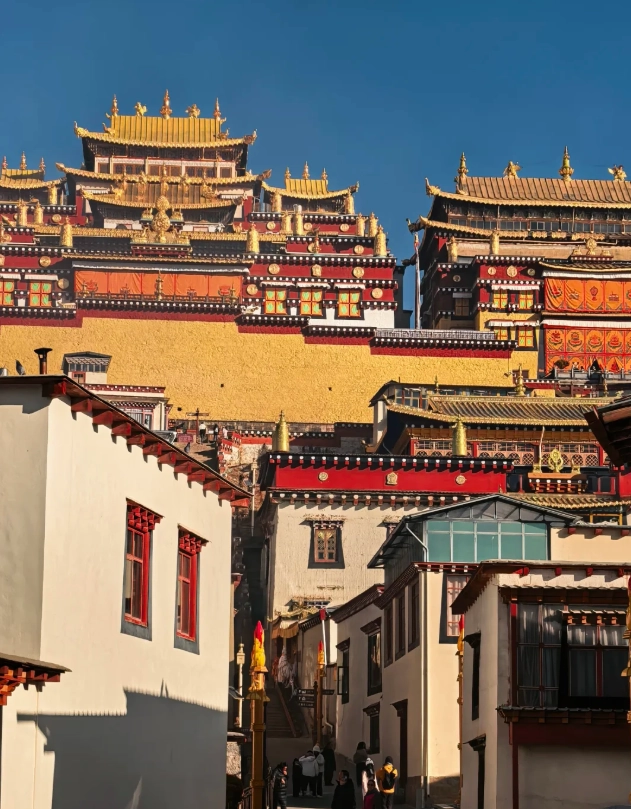
What Makes Ganden Sumtseling Monastery Special?
First, a bit of context. Built in 1679 (yes, during the Qing Dynasty), this is the largest Tibetan Buddhist monastery in Yunnan province. It sits at an elevation of about 3,380 meters (11,090 feet), so be prepared for some thin air. The complex houses around 700 monks during peak seasons, though the number fluctuates.
The architecture alone is jaw-dropping. The main hall (Zhacang) gleams with gold leaf and intricate murals depicting the life of Buddha. Around it, clusters of white-washed monks’ quarters climb up the hillside — it looks like a mini Potala Palace, hence the nickname.
What I love: the sense of living tradition. Unlike many temples that feel like museums, this one buzzes with chanting, butter-lamp flickering, and monks debating philosophy in the courtyards. It’s not a show — it’s their daily life.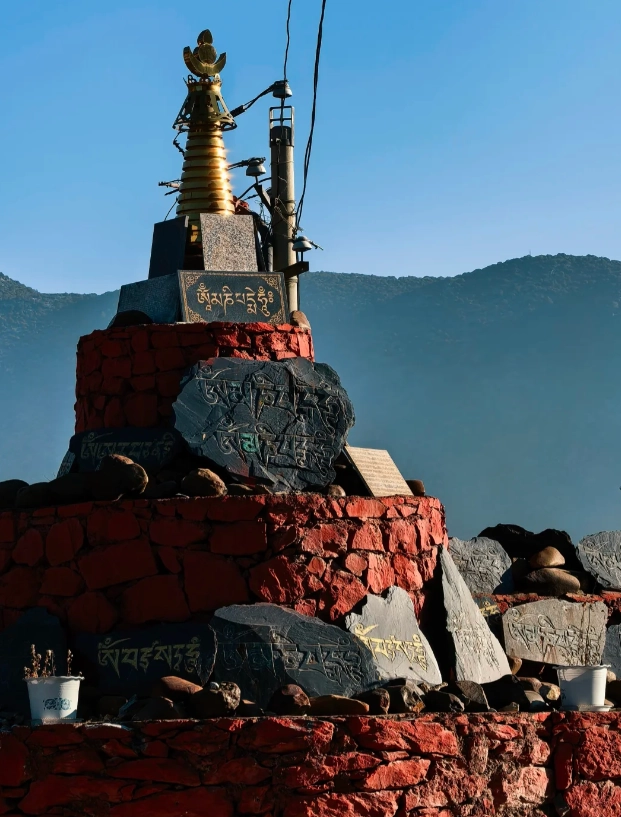
Pro Tip: If you visit during a major Tibetan festival (like Losar or Saga Dawa), the monastery becomes a riot of color with thangka unveilings and cham dances. Check the lunar calendar before you book.
How to Get to Ganden Sumtseling Monastery (and Avoid Taxi Scams)
The monastery is about 5 km north of Shangri-La’s old town. Here are your options:
| Method | Time | Cost (CNY) | Tips |
|---|---|---|---|
| Taxi / DiDi | 10-15 min | 15-25 | Insist on meter or use Didi app. Some drivers quote 50+; just walk away. |
| Bus #3 | 25 min | 1 | From old town gate, drops you at monastery entrance. Runs every 20 min until 18:00. |
| Walking | 40-50 min | 0 | Pleasant but uphill. Not recommended if you’re already feeling altitude. |
My recommendation: Take a DiDi (Chinese Uber) from your hotel. Show the driver this Chinese address: 迪庆藏族自治州香格里拉市建塘镇尼旺路3号. The ride costs around 15-20 yuan (about $2.50). I always tell my clients to avoid the touts near the old town gate who offer “private tours” — they overcharge and rush you through.
Ticket Booking and Entrance Tips for Foreign Travelers
This is where most foreigners get tripped up. Let me save you the headache.
| Item | Detail |
|---|---|
| Ticket price (adult) | 90 yuan (about $13) — includes a shuttle bus from the ticket office to the monastery itself. |
| Discounts | Students with ID: 45 yuan; seniors 60+: 45 yuan (requires passport). |
| Opening hours | 08:00-18:00 (last entry 17:30). Winter (Nov-Mar): 08:30-17:00, last entry 16:30. |
| Pre-booking | Required! Foreigners must provide passport number. Use Trip.com or Klook — they have English interfaces and accept international cards. |
| Payment at gate | Alipay/WeChat only. No credit cards. Cash accepted but change may be in Chinese coins. |
Biggest pain point for foreigners: The official WeChat mini-program is 100% in Chinese with no English option. I’ve seen many tourists get stuck there. I always send my clients a direct link to the Trip.com product page — it literally takes 2 minutes.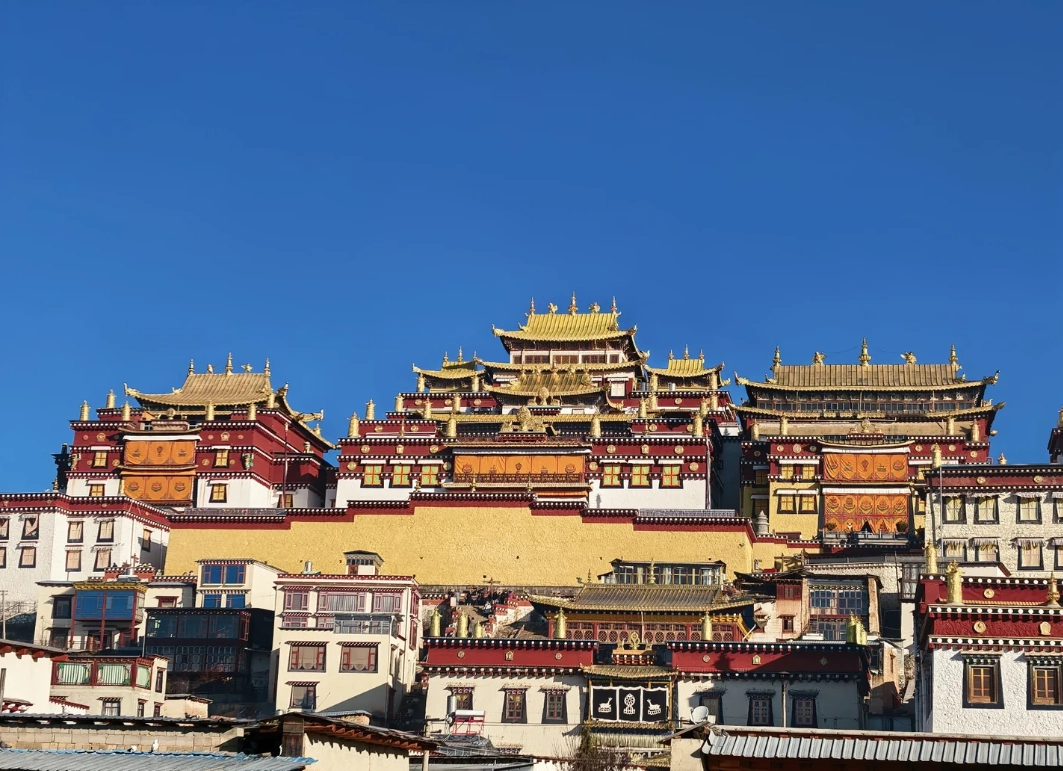
Self-Guided Walking Route & Best Photo Spots
Once you’re inside, the shuttle bus drops you at the foot of the monastery. Follow this route to avoid wasting time:
- Start at the main prayer hall (Zhakang): Enter from the east side, walk clockwise. Look up at the 8-meter-tall Buddha statue — it’s awe-inspiring.
- Walk up the 108 steps to the upper courtyard (yes, exactly 108 — a sacred number). Pause for photos looking back down at the village below.
- Visit the Debating Courtyard around 11:00 AM — that’s when monks gather for lively philosophical debates. It’s colorful and loud.
- Climb to the viewing platform behind the complex. This is my secret spot — almost no one goes there. You get a sweeping view of the whole monastery against the sky.
- Descend via the western path to the ring road and stop by the smaller temples (Kangtsen) along the way. Each has a unique protector deity.
Best photo time: Morning light (8:30-10:00) hits the front façade. Afternoon light (16:00-17:00) is warm if you’re shooting from the western hills. Avoid midday harsh shadows.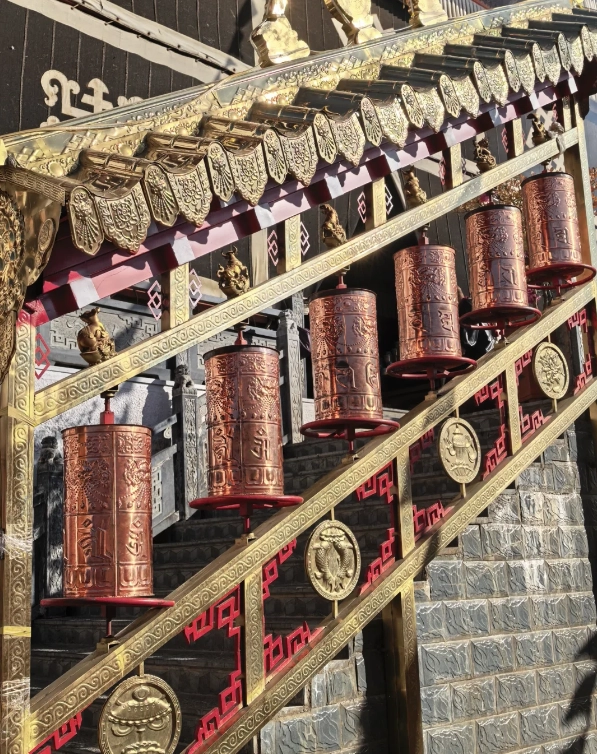
Pro Tip: Do not take photos inside the main halls where signs say no photography. Monks will ask you to delete them, and it’s disrespectful. Stick to exterior shots and courtyards.
Common Problems Foreigners Face (and How to Solve Them)
Here’s the honest reality — visiting as a foreigner involves some friction. Let’s fix that upfront.
Payment issues
Cash is king here — but only Chinese yuan. International credit cards are not accepted anywhere inside the monastery or at the ticket office. If you haven’t pre-booked, bring enough cash to cover tickets and small purchases (donations, souvenirs). Alipay works if you have a linked international card; WeChat Pay is less reliable for foreigners.
Navigation & maps
Google Maps will show the monastery’s location, but the walking paths inside are often wrong. Use Apple Maps or AMap (GaoDe) — they have better local data. Download an offline map of Shangri-La before you arrive because internet can be spotty deep inside the monastery.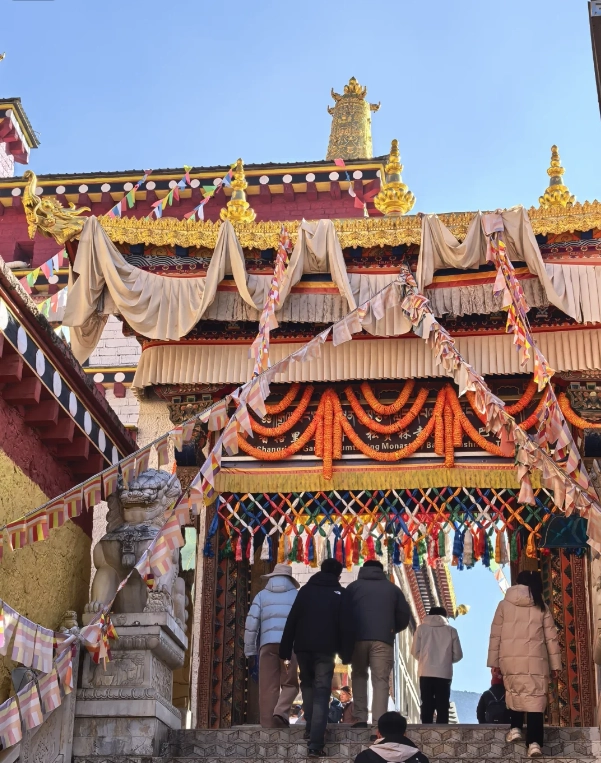
Language barrier
Very few signs are in English. I recommend the app “Pleco” for on-the-spot translation of Chinese characters, or take a screenshot of the monastery map from Trip.com before you go. The monks speak little English, but they’re friendly — a smile and a nod go a long way.
Altitude
Many tourists feel dizzy or short of breath here. Take it slow. The monastery has several steep staircases. I always tell my groups to bring a bottle of water and ascend gradually. If you feel overwhelmed, sit down for 5 minutes — it passes.
Is Ganden Sumtseling Monastery Really Worth It? My Final Verdict
After bringing over 20 groups here, I can say without hesitation: yes, it’s worth visiting — but with a few caveats.
The pros:
- Architecturally stunning — one of the best-preserved Tibetan monasteries in China.
- Authentic living culture, not a tourist reenactment.
- Significantly less crowded than the Potala Palace in Lhasa (and no altitude sickness at 3,300m compared to 3,600m).
- Easy day trip from Shangri-La old town.
The cons:
- Ticket price (90 yuan) is a bit steep for what you get — the shuttle ride is only 2 km.
- Some areas feel a bit commercialized (overpriced souvenir stalls).
- If you’re not into Tibetan Buddhism or photography, you might find 2 hours enough.
Best for: Solo travelers, couples, culture enthusiasts. Not ideal if: You have very limited mobility (lots of stairs), or you’re only interested in natural scenery.
If you have just one day in Shangri-La, this should be your top priority — along with a walk around the old town and a visit to the nearby Pudacuo National Park if time allows.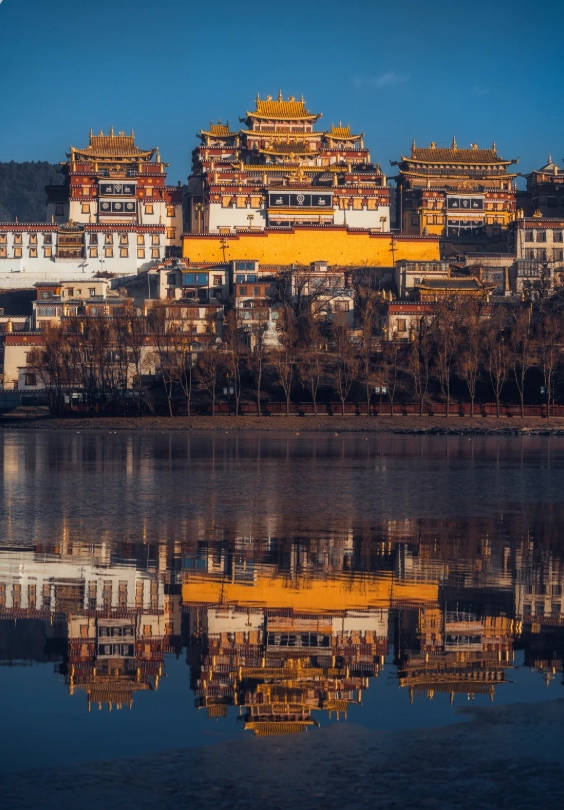





Honestly, this place caught me off guard. I was in Shangri-La to do the Tiger Leaping Gorge trek and thought the monastery would be a quick stop. It ended up being my favourite day on the road. Yes, there are other tourists, but the site is big enough that you can find quiet corners. I spent two hours just wandering the side alleys and watching the red and yellow buildings change colour as the light moved. The monks were friendly—one even helped me spin a giant prayer wheel and laughed when I almost lost my balance. A local photographer told me to look for the white stupa at the far end; from there, the entire monastery layout makes sense. Don't miss this, even if you're tired of temples.
We weren't sure what to expect after seeing photos online, but the real thing is even more impressive. The golden roofs shine against the blue sky, and the whitewashed walls look like something out of a movie. Our two kids loved spotting the yaks on the way up and feeding the pigeons in the square. The stairs are a workout at altitude—we had to stop a few times—but the view at the top is a great reward. Inside, the main temple is dark, cool and full of beautiful detail. One tip: after visiting the monastery, walk down the path behind it to get a photo of the whole complex. We did that and the perspective was stunning. Highly recommended.
This was my favourite place in all of Shangri-La. We arrived before 8am and had the main courtyard almost to ourselves. The morning mist was still sitting on the hills, and a monk was sweeping the steps. Inside, the buttery smell of burning lamps and the low hum of chanting gave me chills. We joined a small group with a local guide who explained the history of the monastery and showed us the hidden prayer wheels—I wouldn’t have known what I was looking at otherwise. There’s a deep peace here that you don’t find in other tourist sites. Don't just snap a photo and leave; sit for a while on the steps and watch the clouds move over the mountains. If you can go early, do it.
Ganden Sumtseling is a solid four-star experience for me. The climb up the central steps is tough but worth it—you can hear the wind chimes and see the whole valley spread out below. I liked that there were actual monks walking around, not just exhibits. The interior of the main hall is jaw-dropping: big golden statues, colorful thangkas, low chanting. It's not perfect though. Signage is confusing in places, and I almost missed the sutra printing room because there was no map. Also be prepared for uneven stone paths. If you’re moderately fit and bring water, it’s a great half-day trip.
I really wanted to love this place. The monastery sits beautifully against the hills and the white-washed buildings are impressive from the outside. But once inside, the experience felt a bit rushed and commercial. We paid for the ticket and then had to take a shuttle bus that dropped us at the entrance. There were tour groups everywhere, and some halls were closed for renovation, so the smell of paint kind of mixed with the incense. A few monks were kind when they passed, but they seemed used to being photographed. I’d still come if you’re in Shangri-La, but temper expectations. The surrounding landscape was honestly my favourite part.
Ganden Sumtseling exceeded every expectation I had. Yes, it gets busy down at the main entrance, but once you climb past the first few halls, the crowds thin out and you find moments of true quiet. I joined the kora with local pilgrims – walking clockwise around the outside of the monastery – and it completely changed my experience. The murmur of prayers, the spinning prayer wheels, the sharp mountain air... it felt very real, very alive. It's a holy place, so please be respectful: no photos inside the halls, stay quiet during ceremonies, and walk clockwise. One of those rare places where you feel like you've stepped somewhere truly special.
As a photographer, this place is a dream. The whitewashed walls pop against the clear blue sky, and the layers of stairways and rooftops make for incredible compositions at every turn. We spent about three hours here and I shot over 400 photos. The light is best in the late afternoon, when the whole monastery seems to glow. There's also a small cafe near the entrance that serves surprisingly good butter tea – we recharged there before heading back up. My only regret is not booking a room nearby so I could catch the sunset after the last tour buses left. Highly recommended.
Absolutely magical! This was the highlight of my entire Shangri-La trip. We went as early as possible, just as the monks were starting morning prayers, and the chanting echoing through the courtyard gave me chills. The golden rooftops, the prayer flags whipping in the wind, the smell of yak butter – every sense was alive. Insider tip: don't stop at the main courtyard – climb the steep stairs to the very top of the complex for an incredible view over the rooftops and down into the valley. Bring a water bottle and take it slow; the altitude is no joke. I would gladly go back tomorrow.
Ganden Sumtseling is genuinely impressive – especially in the early morning light, when the whole complex glows gold against the valley. We spent a good two hours wandering the prayer halls and listening to the monks chanting in the distance. The atmosphere up there is unlike anywhere else in Shangri-La. Only real downside: a few of the halls were covered in scaffolding and some paths were muddy from recent rain, so it wasn't the pristine look you see in photos. Still a solid four-star experience, and I'd recommend it to anyone who has a bit of time in town. Just wear sturdy shoes and dress modestly – it's a working monastery.
I really wanted to love this place because the setting is stunning, but my visit left me a little flat. The monastery itself is impressive, with beautiful whitewashed walls and golden roofs against the mountains. The problem was the crowds – we arrived mid-morning and every hall was packed with tour groups, making it hard to soak in any sense of peace. The ticket price also feels steep for what you get unless you join a guided tour; there isn't much English information posted inside. If you go, try to be there when the gates open or near closing time. It's worth one visit, but it didn't feel like the spiritual experience I hoped for.