 Tao Xu
Quick Guide to Your 3 Days in Chongzuo
- Why 3 Days in Chongzuo Is the Perfect Length
- How to Plan Your 3 Days in Chongzuo Before You Go
- Day-by-Day 3 Days in Chongzuo Itinerary
- Where to Stay in Chongzuo for Your 3-Day Trip
- What to Eat in Chongzuo: Local Dishes
- Top Tips for Navigating Chongzuo Like a Pro
- 3 Days in Chongzuo on a Budget
- What to Do in Chongzuo If You Only Have 24 Hours
- Frequently Asked Questions
Let me be honest — most 3-day Chongzuo itineraries online are a hot mess. I say that as someone who has spent years guiding travelers through this rugged corner of Guangxi. When you search for “3 days in Chongzuo,” you’ll see the same recycled advice: go to Detian Waterfall, float on a bamboo raft in Ming Shi, stare at Friendship Pass. What those posts don’t tell you is how your credit card will fail, how Google Maps will send you down a dirt road, and how the “local” restaurant you found on Tripadvisor is actually a tour-bus buffet.
So here’s my no-nonsense truth: for a real Chongzuo experience, you need a driver, a flexible mindset, and my exact timing plan — morning at Detian, late afternoon at Ming Shi, and a day for the border that doesn’t involve crossing it. Below is the guide I give every friend who visits. Use the quick links above to jump ahead.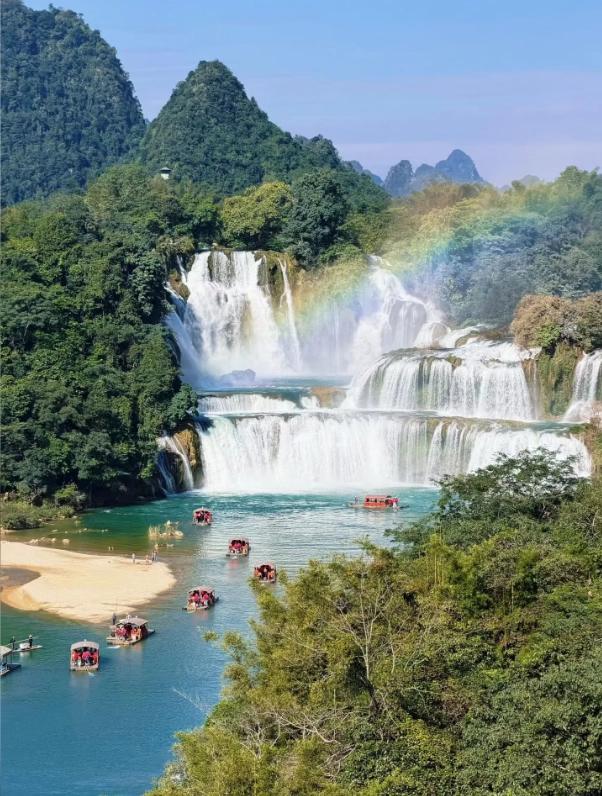
Why 3 Days in Chongzuo Is the Perfect Length
Three days let you cover the holy trinity of Chongzuo without turning it into a forced march. The region’s main draws — Detian Waterfall, Ming Shi countryside, and the border zones around Pingxiang — are each about an hour’s drive apart. Squeezing them into two days means cutting shade breaks and scenic overlooks; stretching to four means you’ll be doing laundry twice. In three days you get a full day for each theme: one for the waterfall, one for the karst farmland, and one for history. As a bonus, the evening light in Chongzuo is spectacular, and with three days you can arrange to be at the right spot at sunset at least twice.
How to Plan Your 3 Days in Chongzuo Before You Go
Best Time to Visit
Aim for October, November, or April — the sweet spot between summer floods and winter grayness. Detian Waterfall swells with rain from June to September, but the water turns muddy and the paths get slick. In winter (December-February), the falls shrink to a trickle and the karst peaks hide in fog. I personally love March-April, when spring rain sharpens the limestone peaks and the rice terraces in Ming Shi are flooded like mirrors. Pack a lightweight rain jacket whichever season you choose; showers can appear in 10 minutes.
Getting There and Getting Around
Take a high-speed train to Chongzuo South Station from Nanning (about 50–60 minutes), then arrange a private driver for all three days. Public buses exist to Detian and Ming Shi, but they are infrequent and drop you far from the actual entrances. A private sedan with an English-challenged local driver costs between 700 and 1,100 CNY per day, fuel and parking included. Split it between two couples and it’s a bargain. Your hotel can book a driver for you — do that, rather than trusting an online platform. If you insist on self-driving, download AMap (Chinese map) and get a translation app ready. Google Maps simply does not work reliably here.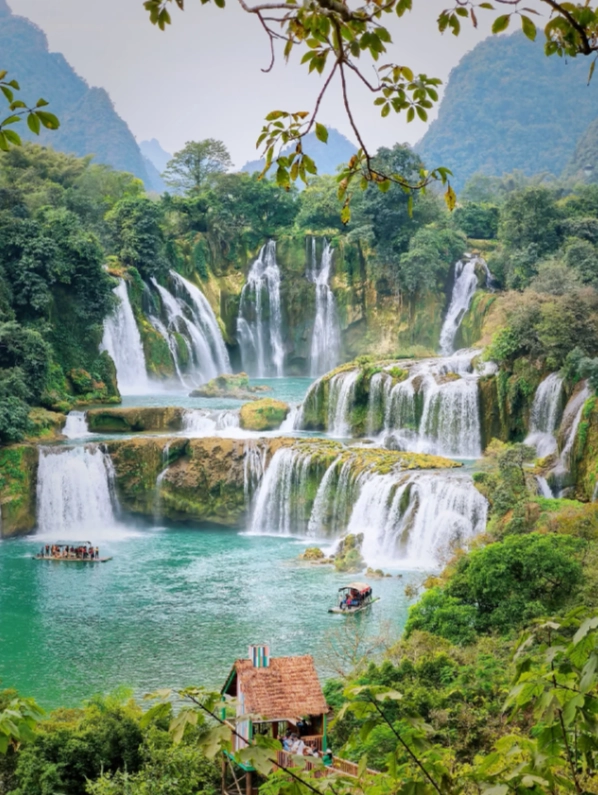
Money, Payment, and Essential Apps
Assume that your international credit card will be declined at most scenic spots and village restaurants. The only way to pay at Detian’s ticket window or a family-owned noodle shop is via WeChat Pay or Alipay. Before you leave home, link your international Visa/Mastercard to Alipay (it has an English interface) and possibly WeChat Pay. Carry some cash as an emergency backup — small shops will accept it, but expect change in Chinese yuan. Download these before you land:
- Alipay or WeChat Pay — for every payment
- AMap Global — the only reliable navigation
- Apple Translate or Baidu Translate — to ask for directions and order food
- A VPN — Google, Gmail, and WhatsApp are blocked unless you have one
Pro Tip: Set up your mobile wallet before you arrive. Trying to verify an international card over hotel Wi-Fi is a nightmare.
Day-by-Day 3 Days in Chongzuo Itinerary
Day 1: Detian Waterfall — The Grand Opening
Start your day at 7:30 am and be at the Detian ticket office by 8:30, before the tour buses roll in. The waterfall is about 1.5 hours from Chongzuo city. Your driver should drop you at the entrance parking lot, then buy the 80 CNY ticket plus the 35 CNY shuttle up to the viewing platform. Yes, there’s an escalator — Chinese engineering at its finest — but do not skip the middle viewpoint. That’s where the border river bends and you can see both the Detian and Vietnamese side without the crowds. Arrive before 10 am for the water mist to catch golden light. In peak season, expect 30–45 minutes at the main overlook. Walk the short trail down to the water’s edge; the spray will soak you, so carry a poncho or a quick-dry shirt.
Lunch: The on-site restaurants in the tourist park are overpriced and bland. Instead, ask your driver to take you to the nearby village along the Qiongquan Highway, where a family-run place serves guangxi sour bamboo shoots fish (sour and spicy) for about 40 CNY per person. It’s not on Google Maps, so point at the address below:
Address: 大新县硕龙镇头桥 (Shoulong Town, Daxin County) — look for the sign with ‘越南粉’.
Afternoon plan: Instead of returning to the hotel, head to Ming Shi Countryside for late-afternoon light. This saves you a second long drive tomorrow.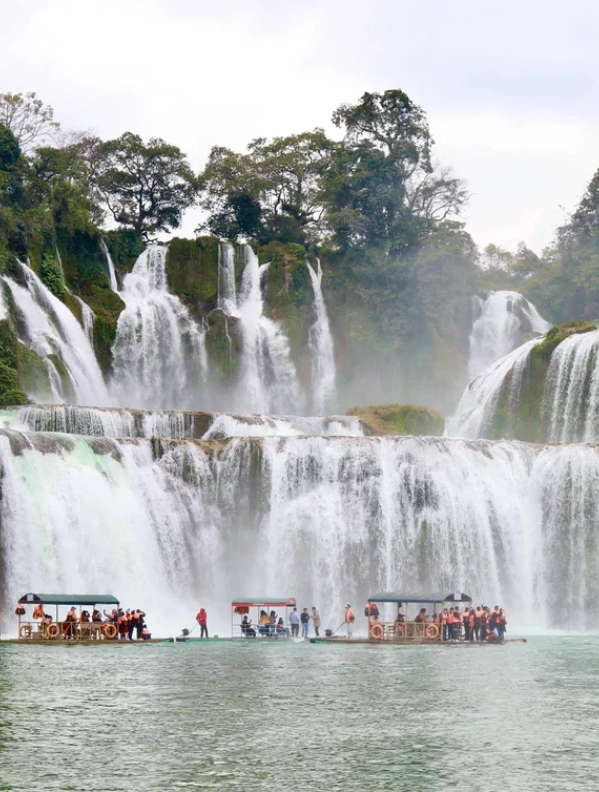
Day 2: Ming Shi Countryside and Karst Views
Ming Shi is best seen in the late afternoon, so use the morning for a slow start and a leisurely breakfast. The classic route is a bamboo raft float (80 CNY, about 40 minutes) along the river that weaves between karst mounds. I always tell my clients to take the 3:00 pm raft — the sun is lower, shadows move across the rice fields, and the tour groups have thinned out. After the raft, walk the bike path (rent a bicycle for 20 CNY/hour) and pass through rice paddies that glow in the golden hour. There’s also a small observation hill you can climb in about 15 minutes; the view from the top is the one you see on all Chinese travel posters.
If you don’t like heights, an alternative is to sit at the Ming Shi Cafe (near the entrance) and watch the light change — order a local honey latte, a weird fusion that actually works. Dinner tonight should be in Chongzuo city proper. Try the Sour Fish Hotpot at Ye Ge restaurant (City 30, Aimin Road). It’s spicy, sour, and ridiculously good. Ask for a non-spicy pot if you can’t handle the heat.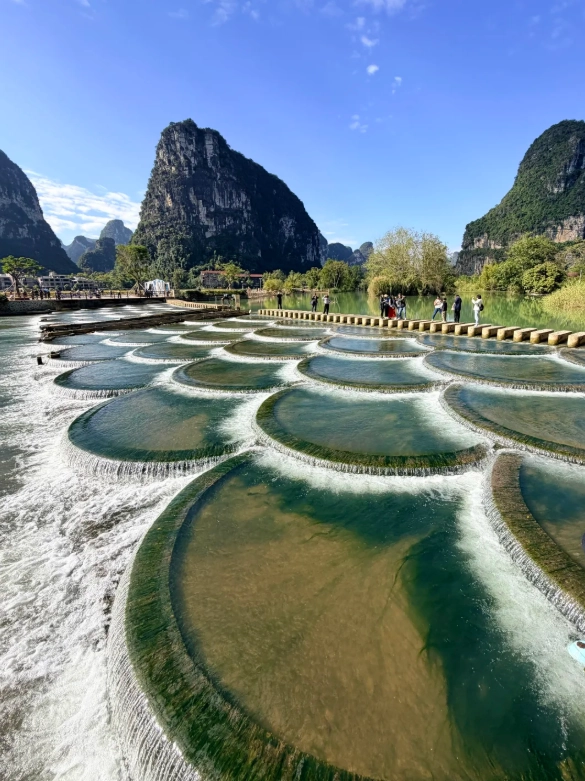
Day 3: Border Town Pingxiang and Friendship Pass
Half the fun is the drive from Chongzuo to Pingxiang — allow 1.5 hours for the winding road. At Friendship Pass (Youyi Guan), you’ll see both Chinese and Vietnamese soldiers, rail tracks crossing into Vietnam, and a museum that explains the border’s turbulent history. The entrance fee is 50 CNY. Bring your passport — you will be checked even if you don’t cross. Most travelers spend 2 hours here, but history buffs will want three.
In the afternoon, walk through Pingxiang’s Asia Pacific Border Market — a chaotic maze of stalls selling dried fruit, wooden crafts, and coffee. Haggling is expected; start at half the ask. Don’t expect Western-style restaurants; grab a bowl of pho at a street stall for 15 CNY. Then ask your driver to take you to Bingtang old street, a 300-year-old street with preserved Chinese-Vietnamese architecture. It’s a bit run-down, but that’s the charm.
Where to Stay in Chongzuo for Your 3-Day Trip
Best Areas for Different Travelers
Chongzuo city is the practical base, but for convenience book a hotel near the new railway station or in the city center. The city is not big, but rural hotels near Detian are expensive for what they offer and you’ll be bored at night. If you want to wake up to rice terrace views, that’s possible in Ming Shi, but you’ll be hours from the border. For most travelers, the best compromise is a mid-range hotel in Chongzuo city — close to good food and with easy drive-out routes.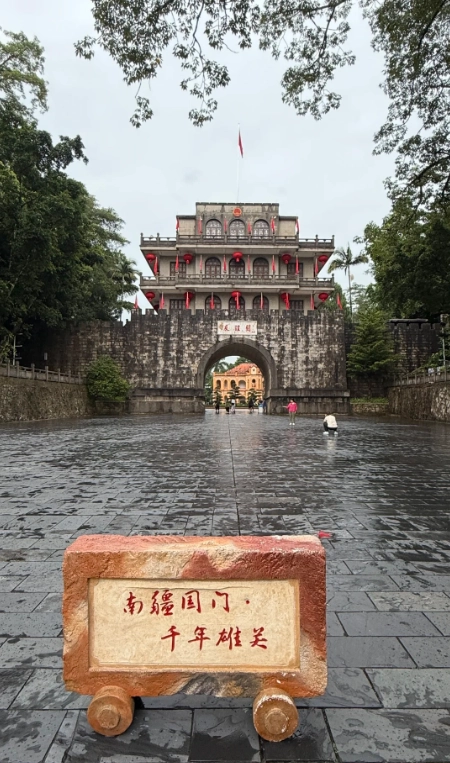
Chongzuo Hotels Compared
| Hotel Name | Area | Price per Night | Best For |
|---|---|---|---|
| Mangrove Hotel (红树林国际度假酒店) | City center | 250–350 CNY | First-timers, English-speaking staff available |
| Chongzuo Grand Hotel(崇左国际大酒店) | Near new train station | 200–300 CNY | Easy access if taking high-speed rail |
| Ming Shi Country Inn(明仕田园客栈) | Inside Ming Shi scenic area | 120–200 CNY | Nature lovers, morning views |
Prices are for a standard double room and may vary by season. Always check current rates on Trip.com.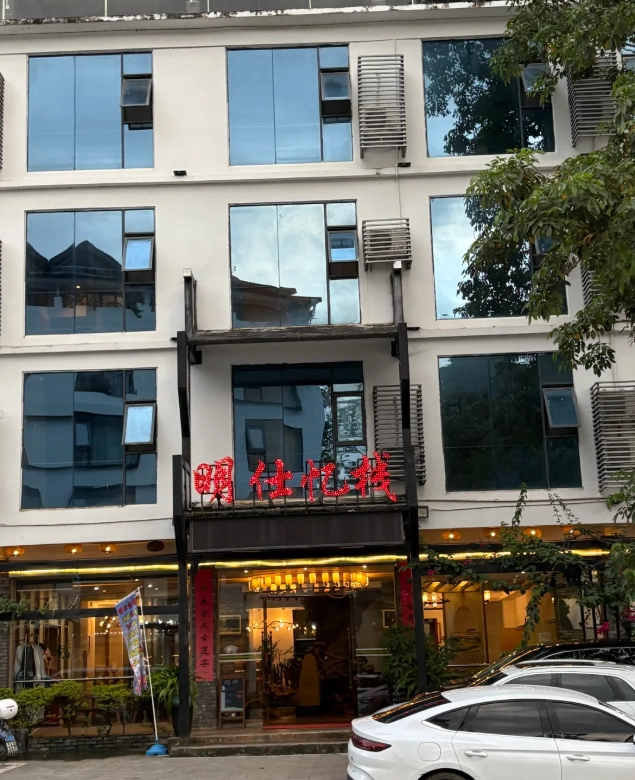
What to Eat in Chongzuo: Local Dishes and Where to Find Them
The food in Chongzuo is a spicy, sour love letter to the tropics. Unlike the oily northern style, Guangxi food favors fish, bamboo, and fresh herbs. Must-tries:
- Sour Fish Hotpot (酸鱼锅) — a fish simmered in a tomato and wild plum broth with chili. It’s sour, spicy, and utterly addictive. Best at Ye Ge Restaurant (野格餐厅) in Chongzuo city.
- Banana Leaf Rice (蕉叶糍) — sticky rice patties wrapped in banana leaves, filled with either sweet black sesame or savory pork. You’ll see them at breakfast stalls.
- Vietnamese Spring Rolls (越南春卷) — a legacy of the border trade. Crispy rolls served with fresh mint and a dipping sauce that tastes like liquid gold. Any street vendor in Pingxiang has them.
- Beef offal skewers — grilled brisket, tripe, and other cuts on sticks, seasoned with cumin and crushed peanuts. Best after 6 pm at the night market.
For a sit-down meal, order with a translation app and point at what the table next to you is eating. The owner will usually bring you the dish — it’s how I discovered my favorite stir-fried morning glory.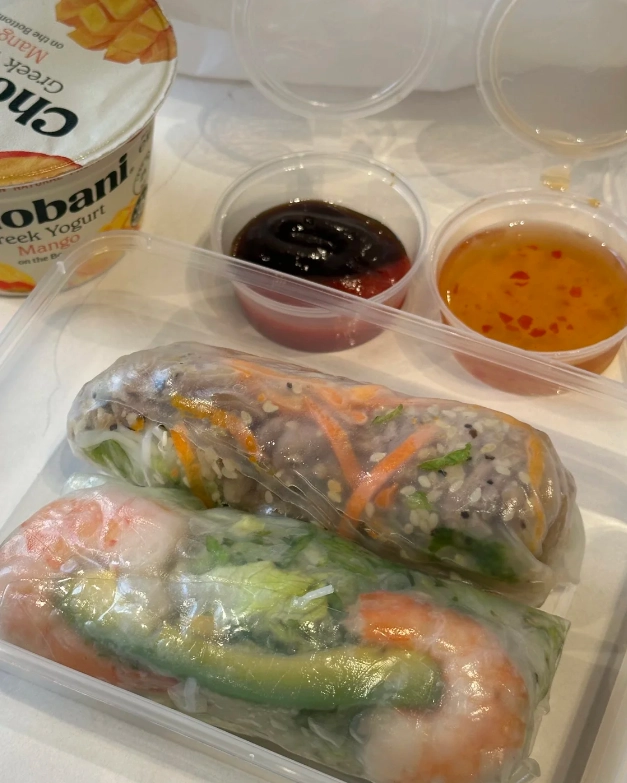
Top Tips for Navigating Chongzuo Like a Pro
These are the mistakes I see travelers make every week — avoid them and you’ll be fine.
- Don’t rely on Google Maps for driving. It will route you to closed roads. Use AMap or your driver’s phone.
- Book tickets for Detian and Ming Shi on Trip.com the night before if you want skip-the-line entry. Some scenic areas require passport scanning; have it ready.
- Carry a small power bank. The only place to charge in rural areas is your car.
- Bring mosquito repellent. The border river areas are full of bugs, especially at dusk.
- Learn two Chinese words: 左拐 (turn left) and 直走 (go straight). Your driver will appreciate it.
Pro Tip: If you’re visiting in summer, don’t try to cram all three major sites into one day. The heat and humidity here are brutal. Stick to the itinerary above, hydrate constantly, and you’ll enjoy the trip far more.
3 Days in Chongzuo on a Budget: How to Save Money
You can do this trip for as little as 1,200 CNY if you skip the private driver and use local buses. Here’s the budget breakdown:
- High-speed train from Nanning: 90 CNY (one way)
- Bus from Chongzuo to Detian: 35 CNY (but only a few depart in the morning)
- Entrance fees (Detian + Ming Shi + Friendship Pass): 210 CNY
- Food: 80–100 CNY per day if you eat local street food
- Dorm bed or budget hotel: 60–120 CNY per night
That adds up to around 1,100–1,300 CNY. The main cost saver is accepting the hassle of public transport. If that sounds like a pain, split a private car with two other travelers you meet at your hostel. It’s what I used to do in my broke-backpacker days.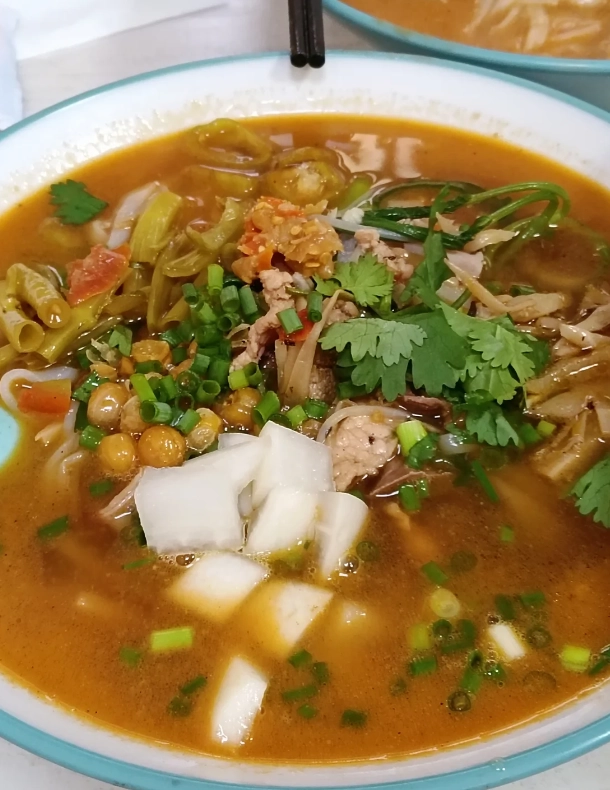
What to Do in Chongzuo If You Only Have 24 Hours
Can’t spare three days? Your one-day game plan: Detian Waterfall early, Ming Shi in the afternoon, and a late-night noodle bowl in the city. Start at 7:00 am, skip the shuttle and hike the 20-minute path up to the top-level viewpoint before the park opens’ crowds. Leave Detian by 11:00 am. Drive 40 minutes to Ming Shi for a 12:30 raft ride. Spend two hours there, then have an early dinner at a roadside pho place. You’ll miss the border, but you’ll get the two main sights.
Frequently Asked Questions About 3 Days in Chongzuo
Verified and fact-checked by the editorial team.





Great 3-day loop. I rented a car in Nanning and focused on the Chongzuo side of the border. The advice to skip the 'luxury cruise' at Detian saved us over 80 RMB each, and the substitute route gave a much better view. Sunset in Mingshi was unforgettable — water buffalo crossing the river as I cycled through the rice fields. This is how you travel without following a flag.
I loved that this article actively steers you away from the tacky side-trip add-ons. The morning we spent at Huashan Rock Art was pure magic — sitting on an old wooden boat, karst peaks reflecting in the water, and 2000-year-old petroglyphs just above us. The packing advice about sandals and bug spray was genuinely helpful too. If you want the border region without the crowds, follow this guide.
Our first time in Guangxi and this itinerary made everything so easy. Arriving at Detian just after 8:30 meant we practically had the waterfall to ourselves before the tour buses rolled in. Eating banh cuon from a tiny stall in Pingxiang was one of the best meals of the trip. This guide doesn’t just show you the sights — it shows you how to actually enjoy them without being herded around. Highly recommend for independent travellers.
Pretty solid 3-day plan. The tip to skip the VIP border viewing at Detian was spot on — we watched from the public path and got the same view for free. Day 1 and Day 3 flowed really well. Only reason it’s not 5 stars: the homestay they recommended in Mingshi was fully booked and the backup option wasn’t mentioned anywhere. We found somewhere last minute, but it added stress. Still, this definitely saved us from the group-tour chaos.
This itinerary has good intentions, but it didn’t quite live up to the title for me. The suggested noodle spot near the border market had closed down, and the timing for the Huashan boat was off — we waited an extra hour. It also skips over the fact that some of the 'hidden' viewpoints are behind locked gates. I ended up improvising on Day 2 and enjoying that more. It’s a useful base plan, but calling it 'perfect' is a stretch.
I usually hate following written plans, but this one made the whole trip stress-free. The balance between the big sights and slow moments was perfect. We loved the quieter third day—no rush, just coffee beside the black water river, watching the karst peaks turn pink in the sunset. There were no hidden costs, no terrible buffet lunches, and no awkward souvenir stops. If you want a relaxed Guangxi escape without tourist traps, this itinerary is exactly what you need.
I used this itinerary for a solo trip in October and it felt like a friend’s honest advice. The bus times, the price ranges, and the small-town vibe of Chongzuo all matched the descriptions. One tip about taxi drivers pushing the 'Friendship Temple' detour literally saved me from wasting an afternoon—I saw other travelers getting stuck there later. The sunset viewpoint near Mingshi on Day 2 is still one of my favorite memories from China. A very reliable, no-nonsense plan.
Finally, an itinerary that treats Chongzuo as a place rather than a photo stop. We spent three full days covering Detian, Mingshi, and the lesser-known Huashan rock art. Every stop had clear directions, expected costs, and honest tips about which viewpoints are overrated. No forced shopping breaks, no roadside 'tea tasting' traps. The small noodle place near Mingshi ended up being the best meal of our whole Guangxi trip. I would recommend this to anyone who wants real Karst scenery without the tour-bus circus.
This guide mostly delivered for us. We left Chongzuo by 6:30, made it to Detian Waterfall at opening, and the border scenery was absolutely unreal. The boat ride along the Guishun River is worth every yuan. Only small issue: the itinerary underestimates how muddy and slow the side road gets after rain on the way to the Huashan rock art site. Our driver had to turn around, so we swapped to the river boat view instead. That was a good backup, but you need extra time flexibility. Strong 4 stars overall.
I really wanted to love this itinerary because the idea of skipping the group-tour stops is solid. Day 2 around Mingshi was genuinely beautiful, and the countryside views were exactly what I came for. But the timing felt off—we arrived at Detian early and it was already swamped by 10 a.m., even with the guide’s advice to park and walk in. We also tried one of the eateries mentioned for Day 1 and it was closed, so we had to wing lunch. Good backbone, but it needs updated logistics and backup options.