 Ling Wu
Quick Navigation
Let’s be honest—when everyone talks about Guangxi, they only mention Guilin. But I’ve been guiding in this region for years, and the real hidden gem is Chongzuo. Tucked away near the Vietnam border, Chongzuo offers dramatic karst mountains, the mighty Detian Waterfall, and almost no tourist crowds. In this Chongzuo travel itinerary, I’ll show you exactly how to plan 3 days here—without getting lost in translation. The secret? Base yourself in Chongzuo city and use day trips. You’ll thank me later.
Now, let me save you a ton of research. Below is your complete guide, from transport to food to avoiding tourist traps.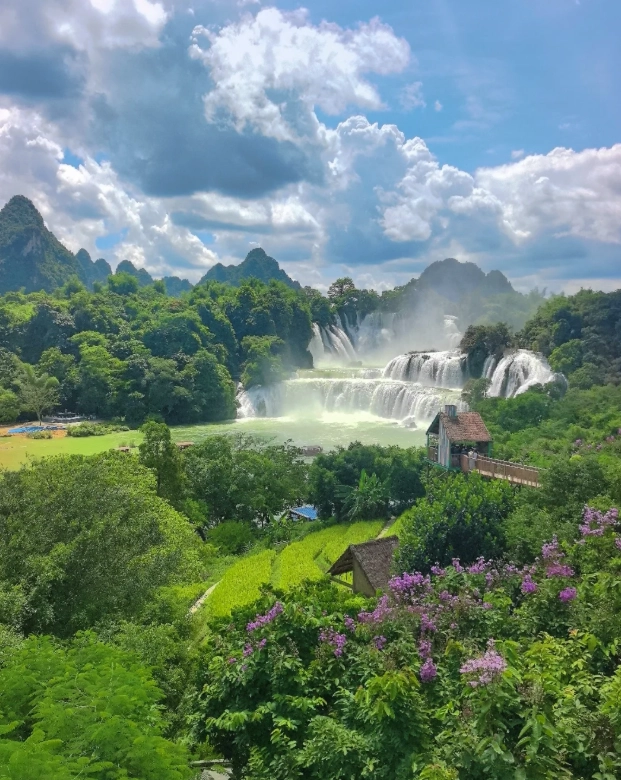
Why Chongzuo Deserves a Spot on Your China Itinerary?
Chongzuo is the closest you’ll get to unspoiled Guangxi. While Guilin has become a selfie-stick battlefield, Chongzuo still feels authentic. The landscape is equally stunning—karst peaks rise straight out of the rice paddies, rivers wind through valleys, and the sound of water is everywhere. Plus, you get a chance to stand at the China-Vietnam border and marvel at Asia’s largest transnational waterfall.
- Fewer tourists, especially foreign ones
- Direct views of Vietnam from Friendship Pass
- Cheaper hotels and meals than Guilin
- Excellent spots for photography at sunrise and sunset
I always tell my clients: if you only have time for one off-the-beaten-track destination in southern China, make it Chongzuo.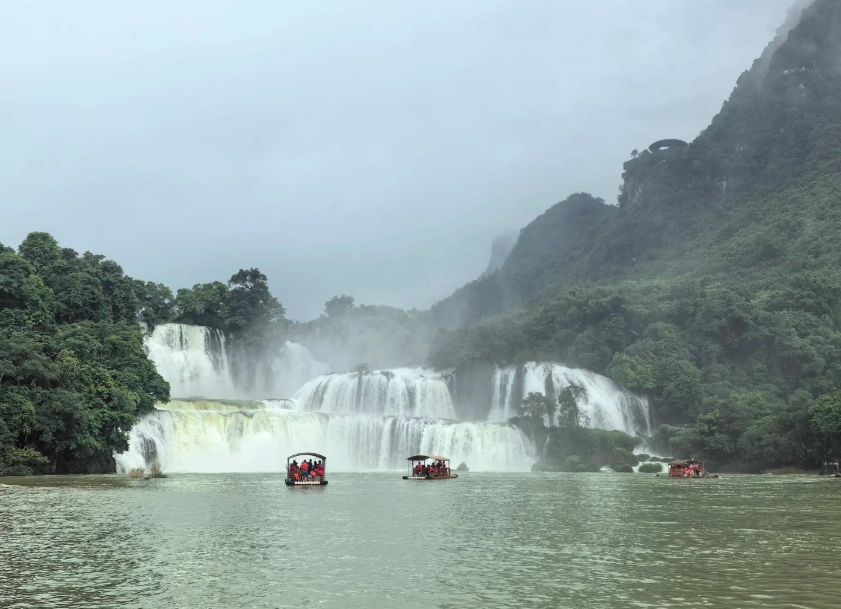
How to Get to Chongzuo like a Local?
Getting to Chongzuo is easier than you think. The city has a high-speed rail station (Chongzuo Station) on the Nanning-Pingxiang line. From Nanning, the capital of Guangxi, it takes roughly 1 hour and 20 minutes by bullet train. Fares are around 80 RMB for second class. Trains run frequently from Nanning East or Nanning Station—check Ctrip or Trip.com for schedules.
If you’re coming from Guilin, you’ll need to transfer in Nanning. Total travel time is about 4-5 hours. Buses are slower but cheaper—I recommend the train for comfort.
Insider Advice: When booking your ticket at the station, have your passport ready. The automated machines usually don’t accept foreign passports—head to the manual ticket window where they’re used to helping foreigners.
Once in Chongzuo, you’ll find the city is small and easy to navigate. Didi (China’s Uber) is the most reliable way to get between attractions. Download the app and link your Alipay before you arrive.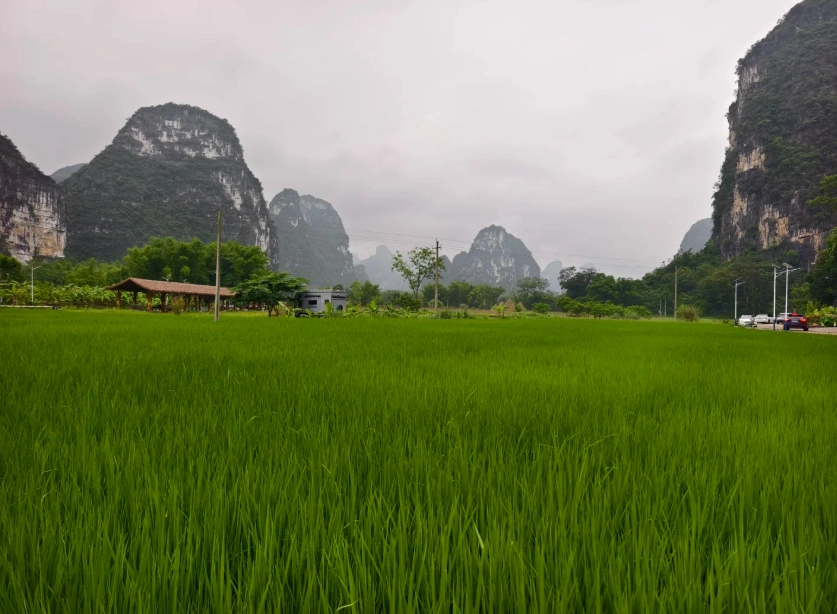
3-Day Chongzuo Itinerary: Waterfalls & Border
Here is my tried-and-tested 3-day plan that balances sightseeing and travel time. You can adjust based on your interests—if you hate long drives, swap Day 2 for more time in the countryside.
Day 1: Detian Waterfall & Mingshi Scenery
Start early—I mean 7 AM early. Detian Waterfall is about 2 hours by car from Chongzuo city. Your driver will take you through winding mountain roads with jaw-dropping karst views. Arrive by 9 AM to beat the tour groups that flood in from Vietnam.
- At Detian: walk the main boardwalk to see the waterfall from various angles. Don’t skip the bamboo raft ride (30 RMB extra)—it gets you so close you’ll feel the mist on your face.
- Lunch: try a local Vietnamese street food stall right outside the park entrance. The spring rolls are superb.
- Afternoon: drive 30 minutes to Mingshi Scenery. Take a slow bamboo boat tour through rice paddies and karst peaks. It’s serene, not touristy.
- Evening: return to Chongzuo city. Have dinner at a local Vietnamese restaurant.
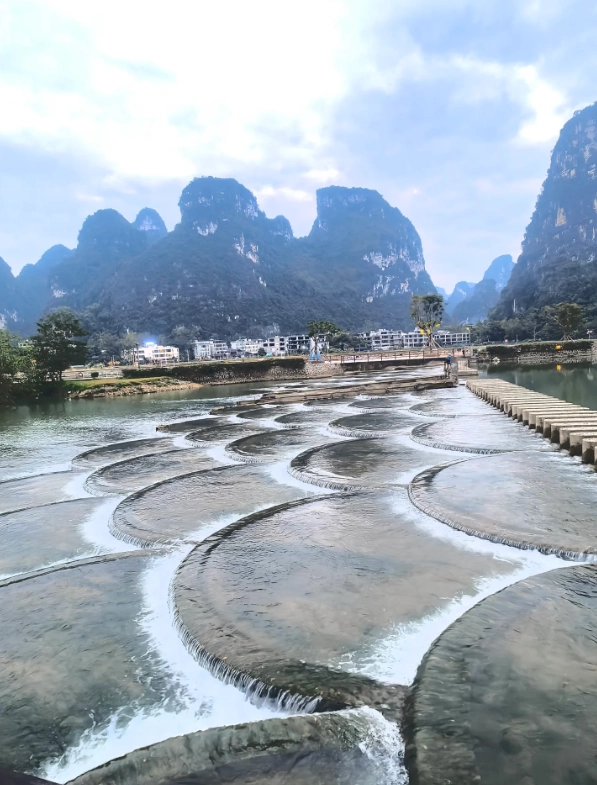
Pro Tip: The crowd at Detian is worst between 11 AM and 2 PM. If you can only go later, still go—but be prepared to share the view with Chinese tour groups.
Day 2: Friendship Pass & Border Town
This day is for history and border vibes. Friendship Pass (Youyi Guan) is in Pingxiang, about 40 minutes by train or 1 hour by car from Chongzuo. It’s a strategic gateway to Vietnam and has been a crossing point for centuries.
- Take a morning train to Pingxiang (it’s a quick ride). The station is small.
- Walk to Friendship Pass: it’s about 10 minutes from the station. You’ll see the border gate with Vietnamese customs on the other side.
- Explore the small museum inside the pass to learn about the French era and trade history.
- Have lunch in Pingxiang—it’s famous for tropical fruits. Try the local rice noodle soup with a sweet-and-sour twist.
- Afternoon: take a train or car back to Chongzuo and rest. If you’re adventurous, visit the local tea market in the evening.
If you have a Chinese visa, you could even do a day trip to the Vietnamese side, but that requires extra paperwork. Skip it unless you planned ahead.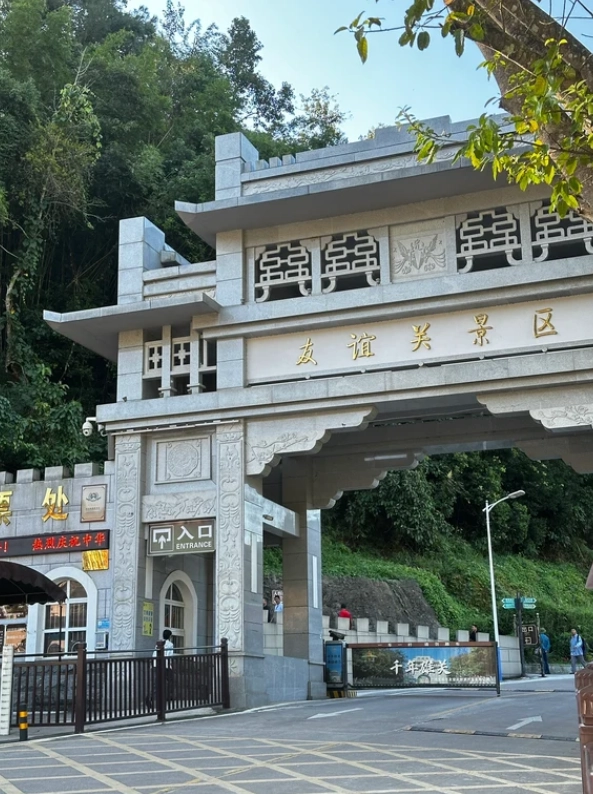
Day 3: City Stroll & Longhuashan
Today is lighter. Explore Chongzuo city center—visit the Jiangnan Water Street, a riverfront promenade with cafés and small shops. Then head to Longhuashan (Longhu Mountain), a scenic area with Buddhist temples and great viewpoints, just 20 minutes from downtown.
- Morning: stroll along the Zuo River. The air is fresh and there’s a nice park.
- Midday: taxi to Longhuashan (about 15 yuan from city center). The cable car takes you to the top—beautiful views of the karst valley.
- Afternoon: visit the nearby Chongzuo Museum to learn about local ethnic minorities.
- Sunset: end at the river if weather permits—it’s a favorite spot for locals.
For dinner, I suggest trying the local specialty—lemongrass grilled fish.
Top Attractions in Chongzuo You Can't Miss
Let me break down the must-see sights with practical details.
Detian Waterfall
Detian is the centerpiece of any Chongzuo travel itinerary. Located in Daxin County, it’s the largest transnational waterfall in Asia, shared with Vietnam’s Ban Gioc Falls. The entrance fee is around 80 RMB. You’ll need to show your passport to buy a ticket. The park is open from 8:30 AM to 5:30 PM. Best time to visit is in the rainy season (May-October) for full water flow.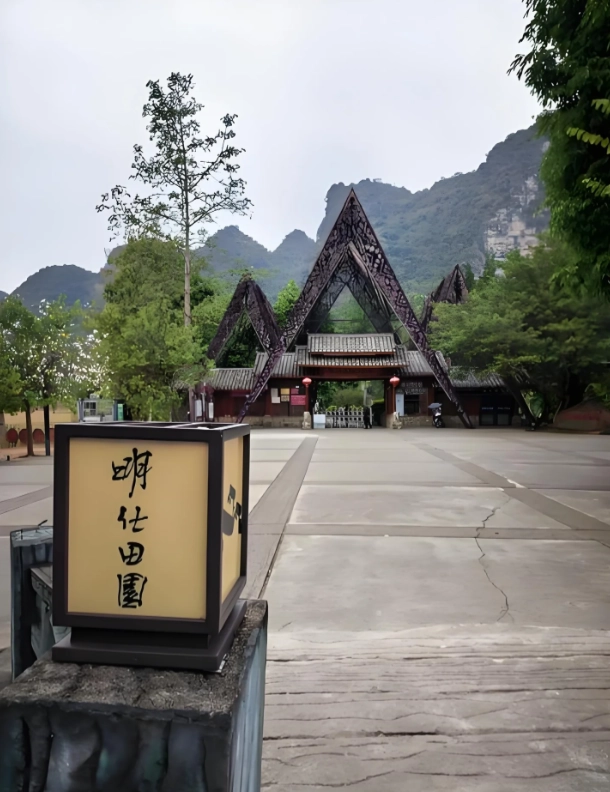
- Raft ride: 30 RMB, worth it
- Photography: sunrise and late afternoon are golden
- Accessibility: flat boardwalks, suitable for wheelchairs
Mingshi Tianyuan
Mingshi is often compared to Guilin’s Li River but without the boats. It’s a rural scenery area with karst peaks reflecting in rice paddies. Entry costs about 80 RMB if you take the boat, but you can also just walk the surrounding villages for free. The best time is sunset when the light is soft.
Friendship Pass
Friendship Pass is a piece of living history. It’s the largest border pass in China, with architecture from the Ming dynasty. Entrance is free, but you need to show your passport. The pass is less about sights and more about atmosphere—you can stand literally on the border line.
Longhuashan
Longhuashan offers the best panoramas in the area. There’s a cable car (80 RMB round trip) and a pagoda at the top. The mountain is sacred to both Buddhism and Taoism. Go early to avoid heat.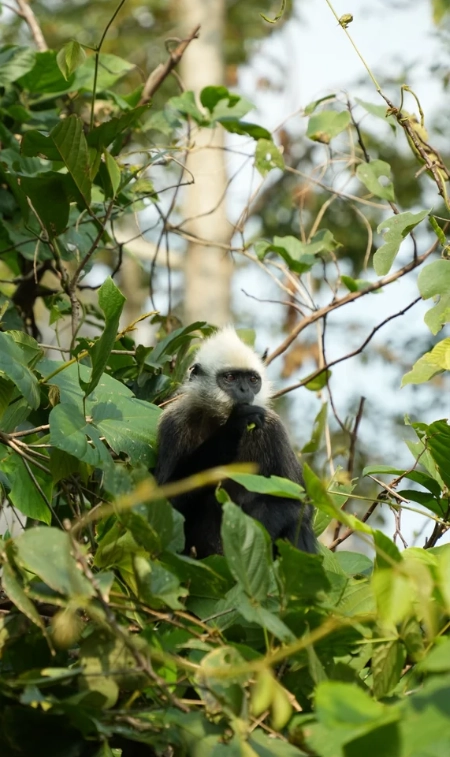
Where to Stay in Chongzuo
Chongzuo city has a surprising range of accommodations. For first-time visitors, I recommend the central area near the train station or Jiangnan Water Street.
| Hotel | Area | Est. Price (double) | Best For |
|---|---|---|---|
| Chongzuo International Hotel | City center | 300-400 RMB | Comfort & convenience |
| Lavender Boutique Hotel | Near Water Street | 200-300 RMB | Solo travelers & couples |
| Holiday Inn Express (if available) | New area | 250 RMB | Business travelers |
All major hotels accept foreign guests as long as you have a valid passport for registration. Wi-Fi is stable, but I always recommend using your phone’s data with a VPN for Google services.
What to Eat in Chongzuo
Chongzuo cuisine is a mix of Zhuang, Vietnamese, and Cantonese influences. Here are my personal favorites:
- Lemongrass grilled fish — tangy and slightly spicy, usually sold at night markets.
- Pingxiang rice noodles — lighter than Guilin’s, served with sour bamboo shoots.
- Milk tea with white fungus — a local dessert drink, refreshing after a hike.
- Border snacks — try Vietnamese spring rolls from street stalls near the border.
For dinner, head to Xinhua Street Food Street—it’s the go-to for locals. Bring cash or Alipay; small vendors rarely accept international cards.
Common Mistakes to Avoid in Your Chongzuo Travel Itinerary
I’ve seen travelers make these errors time and time again. Here’s how to dodge them:
- Not booking train tickets forward. The Nanning-Chongzuo line fills up on weekends. Always book via Trip.com a day ahead.
- Underestimating travel time. Distances are short but roads are windy. Add 30% buffer to your schedule.
- Skipping the passport. You need your passport for tickets and at the border. Copies don’t work.
- Using Google Maps. It won’t load correctly. Download AMap (高德地图) or use Apple Maps, which has better location data.
- Exchanging money at the airport. Rates are poor. Use Alipay for everything, and withdraw small cash from bank ATMs.
Remember: Carry a printed copy of your hotel address in Chinese to show taxi drivers—it saves a lot of pointing and hand gestures.
FAQs About Chongzuo Travel Itinerary
This content has been fact-checked to ensure informational precision. All prices and schedules are as of the latest update and may change—always verify on official channels.





A perfect 3-day escape from Nanning! This overlooked corner of Guangxi has it all: a thundering waterfall at the border, sleepy villages wrapped in mountains, and ancient rock art that makes you feel like Indiana Jones. The food suggestions in the itinerary were excellent — we had the best Vietnamese-style rice noodles in Pingxiang and sticky rice cakes from a little stall in Daxin. I've already recommended this trip to three friends. If you want the real off-the-beaten-path China, this is it!
As a solo traveler, I was relieved that this itinerary worked perfectly without renting a car. The bus connections and written directions were spot on, and the maps helped me avoid getting lost in Pingxiang. Detian waterfall from the Chinese side is absolutely breathtaking — you can hear the roar long before you see it. The karst peaks along the Ming River were like something out of a Chinese scroll painting. Just be warned: the mosquitoes at Huashan are fierce. Bring repellent and you'll have an amazing time.
Okay I was NOT prepared for how beautiful Detian Waterfall is. We arrived in the morning and the border market was chaotic, but the moment you see those falls dropping in the middle of the karst mountains, it takes your breath away. This itinerary made everything so easy — no stress with permits or timings, and the Huashan boat ride was just as memorable. Chongzuo feels like the real hidden gem compared to Guilin. So much less crowded, yet just as epic. I'm already planning a return trip
A really solid itinerary for Guangxi's quieter side. The rock paintings at Huashan were the highlight for me — seeing those ancient figures on the cliff face from the boat was surreal. Detian waterfall was also stunning, even more so because it had rained the night before. Only downside: the timing at Mingshi Village felt rushed. We had about 50 minutes to wander, and I could have easily stayed half a day there. Overall great mix of culture and nature, but it needed a bit more breathing room.
Went mainly for Detian Waterfall after seeing all the hype online. The waterfall is genuinely impressive from the first viewpoint, but I didn't expect so much of the day to be spent on buses and jostling with tour groups. Our itinerary included three stops and by the third one we were pretty tired. The mist also meant the water looked more muddy than postcard blue. It's not a bad trip, just not the hidden gem I imagined — it felt developed and touristy, especially around the border market.
As a solo traveler, I usually hate generic itineraries, but this one felt genuinely researched. The directions for getting to Huashan by ferry were super clear, and the little map notes helped me avoid getting lost along the riverbank. The bamboo raft tip at Detian was worth every yuan – you get soaked but the views are insane. I also appreciated the warning about the bus schedules in the afternoon; it saved me from being stranded. Easily one of the best travel guides I’ve downloaded in a while.
I loved how this itinerary balanced the big sights with quieter local corners. The mention of the old French architecture near the Friendship Pass turned out to be a highlight – peeling paint, crooked shutters, and all that history in the heat. Detian was spectacular, but honestly my favorite memory was sitting on a plastic stool at a roadside stall eating rice noodles and watching the border buses roll through. This guide gave me just enough direction without killing the spontaneity. Five stars from me.
I had high hopes after seeing the title, but for us it fell a little flat. The first half involved a lot of sitting in a van and several turn-offs that didn’t look like anything special. We hit heavy fog at Detian so the views were basically grey, and one of the recommended viewpoints was closed. We did enjoy the little taste of local sugarcane juice and the French-style buildings in downtown Chongzuo, but I wouldn’t call it a hidden gem – more like a long day trip with a couple of nice moments.
Good itinerary overall – I just wish the pacing was a bit more relaxed. The Huashan Rock Art section was outstanding; climbing those stairs and seeing the ancient paintings up close gave me chills. But the schedule felt rushed around the border area, and we didn’t have enough time to wander the little streets by Friendship Pass. I’d give it a solid 4 because the logistics were useful, but definitely add an extra day if you can.
This itinerary was spot on! We followed it almost day by day and loved every stop. Detian Waterfall is absolutely unreal – the spray felt like a light sea mist on your face, and the bamboo raft ride gets you close enough to hear the thunder of the water. The Mingjiang River cruise was the perfect relaxing afternoon too. Honestly, without this guide I think we would have missed half the best viewpoints. Highly recommend for anyone wanting a proper Chongzuo experience!