 Tao Xu
Quick Navigation
- What to Expect From a Chongzuo 3-Day Itinerary
- Day 1: Detian Waterfall and the Border Vibe
- Day 2: Mingshi Scenery and Karst Countryside
- Day 3: Youyi Pass and the Historical West
- How to Move Between Spots on Your Chongzuo 3-Day Itinerary
- Where to Stay During a Chongzuo 3-Day Trip
- Practical Tips: Payments, Navigation & Booking in Chongzuo
- Frequently Asked Questions About a Chongzuo 3-Day Itinerary
I've lost count of how many travelers show up at Detian Waterfall with no bookings and a dead phone battery. The entry queue moves slow, the shuttle stop is confusing, and the 'international' ticket machine rejects their card. Sound familiar? This Chongzuo 3-day itinerary is built to fix exactly those pain points.
Here is the catch: most English guides ignore the infrastructure side of Chongzuo. They'll tell you to 'see the waterfall and the karst' but never mention that your credit card is useless or that Google Maps will send you into a cane field. I've been leading tours here for years, and I know which practical hacks actually work.
So, upfront: your perfect Chongzuo 3-day itinerary looks like this—Day 1 hits the big waterfall, Day 2 floats through the rice fields, Day 3 crosses history at the border pass. With the local knowledge I'm sharing below, you'll skip the crowds and nail every ferry, ticket, and meal.
What to Expect From a Chongzuo 3-Day Itinerary
Chongzuo is a prefecture-level city in Guangxi, tucked right against the Vietnam border. It's not on the typical backpacker trail, so you'll get a raw slice of Chinese border life that most tourists miss. But that also means fewer English signs and less tourist infrastructure.
**The core trio** that makes a 3-day itinerary shine is Detian Waterfall, Mingshi Scenery, and Youyi Pass. Each is a completely different vibe: thundering water, serene karst countryside, and historical border fortifications. Getting between them requires a bit of planning, but I'll map it all out below.
Pro Tip: Skip the day trips from Nanning — they pack 8 hours of driving into one day and you'll see nothing. Three days gives you enough time to breathe and catch the magic light at each spot.
| Attraction | Distance from Chongzuo | Suggested Time | Best Transport |
|---|---|---|---|
| Detian Waterfall | ~1.5-2h drive | Half-day | Private car or bus |
| Mingshi Scenery | ~1h drive | Full day | Bicycle or private car |
| Youyi Pass | ~1h drive | 2-3 hours | Private car or taxi |
Now, let's dig into each day like I'm walking you through it on the ground.
Day 1: Detian Waterfall and the Border Vibe
**Detian Waterfall is the centerpiece of your Chongzuo 3-day itinerary** — it's the largest transnational waterfall in Asia, straddling the China-Vietnam border. The scenery is jaw-dropping, but the logistics can be messy if you're not prepared.
Getting to Detian Waterfall from Chongzuo
**Your best bet is to hire a private driver or join a small group tour from Chongzuo**. There's a public bus from Chongzuo Bus Station to Detian, but it's slow (2+ hours) and drops you off 3 km from the entrance. I always tell my clients to book a driver through their hotel or a local travel agency — it's about 150-200 RMB per person round-trip, and the car can wait while you explore.
Insider Advice: If you're driving, enter through the east gate. The west gate is where tour buses unload, and the queue at west gate can snag you in the sun for an hour. My driver knows to use the east entrance — it's where the locals go.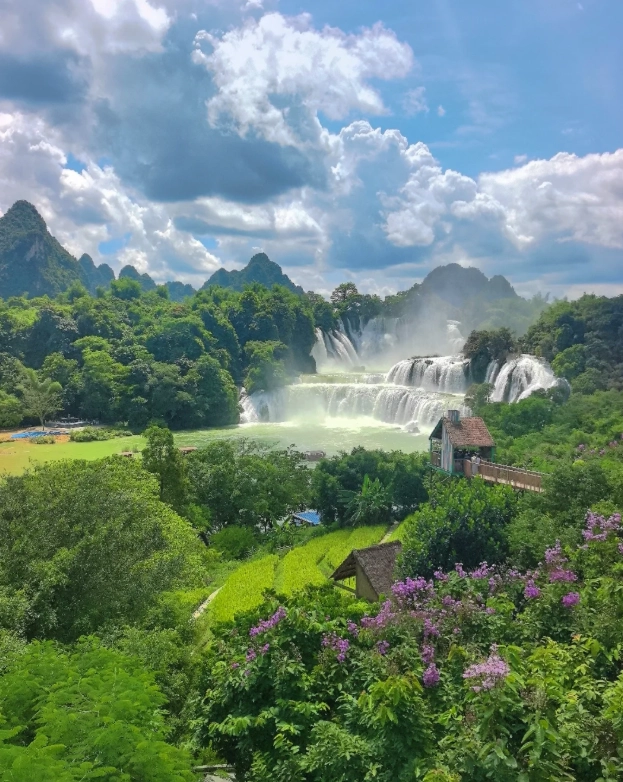
The Waterfall Up Close
Admission is around 80 RMB for the core zone, plus a shuttle bus fee (about 35 RMB) — but always check the latest price on Trip.com or the official WeChat account, because they adjust seasonally. You'll need your passport to buy a ticket, and be ready to scan a QR code for the security check.
Once inside, take the shuttle to the 'Boundary Island' viewpoint first. Most tourists rush to the main viewing platform, but the upper walkway offers a panoramic view that makes for far better photos — especially in the early morning when the mist lifts.
There's also a bamboo raft ride that crosses the border river for about 25 RMB. It's touristy, but it gets you close enough to feel the spray. Watch your head — the boat stops right at the waterfall's edge.
Pro Tip: Visit between 8:30 a.m. and 10:30 a.m. The cruise boats start arriving around noon, and the crowd becomes unbearable. My last group left at 11:30 a.m., and we had the place nearly to ourselves.
Don't skip the border market near the exit. It's a long alley of stalls selling Vietnamese coffee, dried fruit, and woven goods. Bargain hard — they expect it. And bring cash or Alipay; most stalls won't take international cards.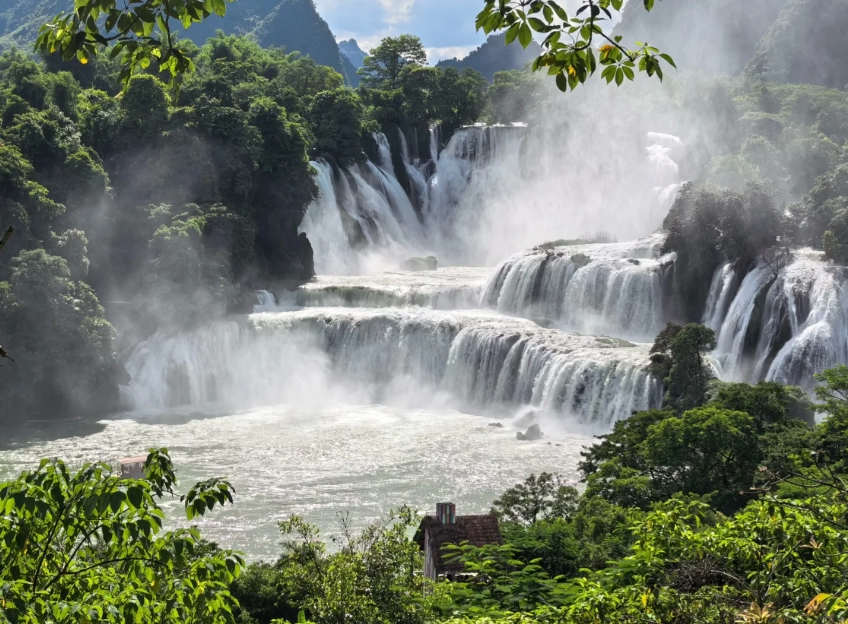
Where to Eat Near Detian
Inside the scenic area, you'll find simple noodle shops and BBQ stalls. I always stop at the 'Canteen Area' near the shuttle drop-off for a bowl of Vietnamese-style rice noodles — they're loaded with fresh herbs and a tangy fish sauce broth. It's not fine dining, but it's a spot I've eaten at with half a dozen groups, and it's reliably fresh.
If you want a real meal, head back to the town of Shuolong (硕龙) just before Detian. Look for the 'Daxin Mingfeng Restaurant' — it's a common stop for drivers, and the lemon duck (柠檬鸭) is spicy, sour, and worth every bite. Budget about 60-80 RMB per person. Since it's a local joint, they only take cash or mobile payments — no cards.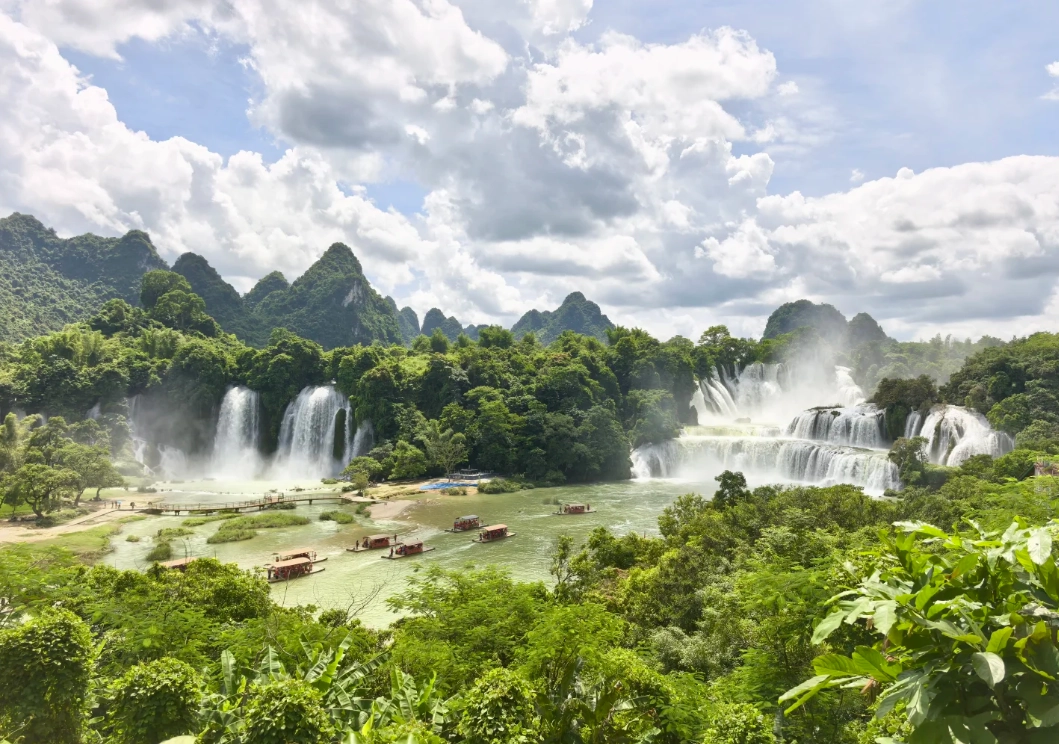
Day 2: Mingshi Scenery and Karst Countryside
**Mingshi Scenery is the second pillar of your Chongzuo 3-day itinerary** — it's a classic Guilin-esque landscape of karst mountains and rice paddies, but without the tourist hordes. The area is best explored slowly, ideally on two wheels.
Cycling or Kayaking the Mingshi River
Rent a bicycle from one of the homestays near Mingshi Village — usually only 15-30 RMB for the day. There's a well-marked cycling loop that takes about 3 hours, passing through several picture-perfect farming villages. Don't worry about getting lost — the loop is basically one ring, and any local kid can point you back.
If you can, try the bamboo raft on the Mingshi River (also called Mingshi Yong). The official raft station is at the bridge near the entrance. It's a 30-minute float, silent except for the oar creaking and birds calling. You'll see water buffalo lounging in the shallows — even the locals stop to photograph them.
Real Deal: I've built this itinerary a hundred times, and every single client tells me the raft ride was the 'unexpected highlight' of the whole trip. It's that calm.
Hidden Viewpoints in Mingshi
Walk up the small hill behind the Mingshi Zhuang Minority Village — it's a 15-minute climb with a shrine at the top. From there, you get a panoramic view of the entire valley as the sun makes the river sparkle. I always tell my group to bring water and go before 10 a.m., because the heat becomes brutal at noon.
There's also a newer glass bridge near the village entrance, but it's 150+ RMB and honestly not worth it. The view from the hill is free and better for photos.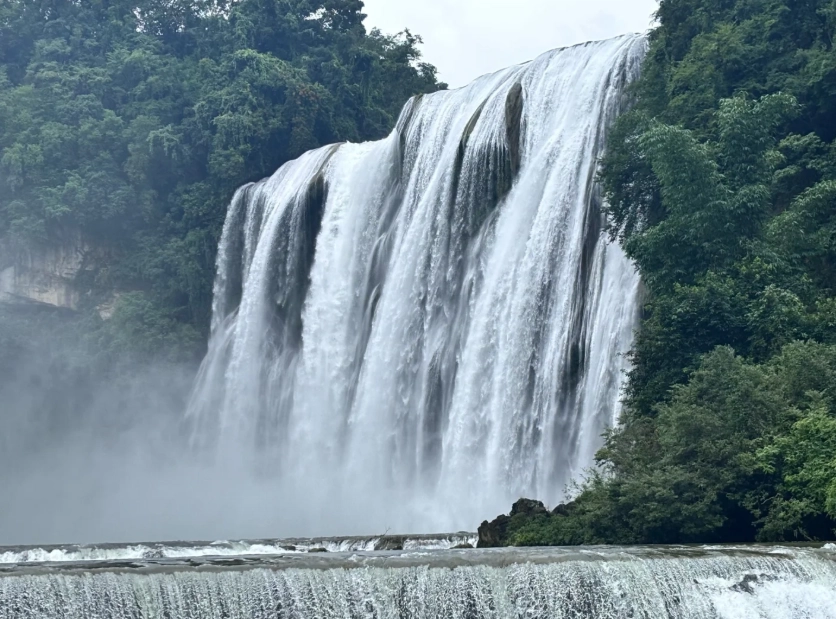
Day 3: Youyi Pass and the Historical West
**Youyi Pass (Friendship Pass) is the historic gateway between China and Vietnam** — an actual Stone Gate that's been a trade and military route for over a thousand years. It’s considered one of the Nine Famous Passes of China and gives you a tangible feel of border geopolitics.
Youyi Pass: History on the Border
Admission is about 50 RMB, and you'll need your passport to enter the border control zone. The pass itself is relatively small — you can explore the gate walls, a small museum, and walk up to the watchtower in about 1.5 hours. Keep in mind that the Chinese border police are active here; don't wander off the marked path or photograph any crossing vehicles.
Behind the gate, you'll find a small souvenir street that sells Vietnamese snacks and trinkets. The best buy is the Vietnamese 'weasel coffee' — but ask for the bulk beans, not the pre-packaged ones which are often stale.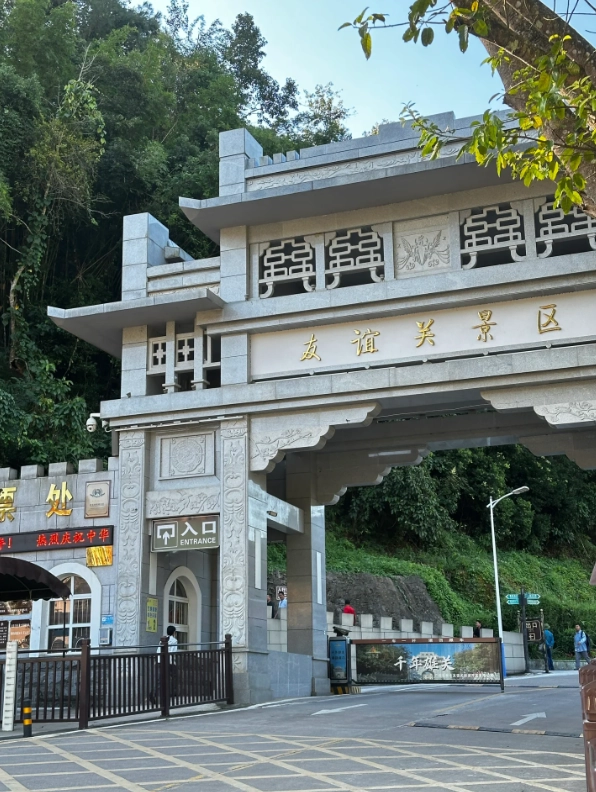
Alternative: Huashan Rock Art
If you're into ancient history, swap Youyi Pass for the Huashan Rock Art (花山岩画) — a UNESCO site with giant painted figures on cliffs along the Mingjiang River. It's about 1.5 hours from Chongzuo, and requires a boat ride to view the art. It's a less-visited option that adds a completely different layer to your Chongzuo 3-day itinerary.
| Attraction | Ticket Price | Time Needed | Best For |
|---|---|---|---|
| Youyi Pass | ~50 RMB | 1.5 hours | History buffs |
| Huashan Rock Art | ~100 RMB (incl. boat) | Half-day | Culture enthusiasts |
Pro Tip: If you choose Huashan, go in the morning when the river is calm and the reflections are perfect. The afternoon sun is harsh on the cliff faces.
How to Move Between Spots on Your Chongzuo 3-Day Itinerary
**Transport is the biggest headache for a Chongzuo 3-day itinerary** — there's no convenient train between these attractions. You have three main options:
- Private driver (most recommended) — Book via your hotel or a local agency. Expect to pay around 500-600 RMB total for the whole itinerary, including waiting time. The driver stays with you all day.
- Public buses — Cheaper but slow and infrequent. Chongzuo Bus Station has buses to Detian (approx. 2 hours) and Youyi Pass (approx. 1 hour), but you'll waste precious time waiting for connections.
- Renting a car — You can rent a car in Nanning and drive yourself, but Chinese driving culture is chaotic, and you'll need an international driving permit plus a Chinese translation. Insurance is tricky; I don't recommend it unless you've driven here before.
My advice: hire a driver for all three days. It's the only way to hit the early-morning light at Detian and still get back to town for a proper dinner.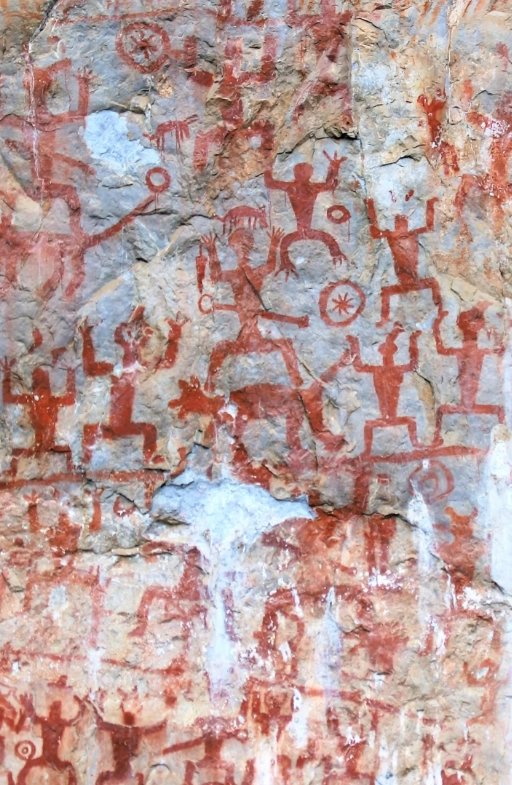
Where to Stay During a Chongzuo 3-Day Trip
**For a Chongzuo 3-day itinerary, I recommend basing yourself in the city of Chongzuo for the first and last nights**, and one night in a homestay near Mingshi on Day 2. This avoids backtracking and keeps you close to the sights.
| Hotel / Area | Advantages | Price Range | Best For |
|---|---|---|---|
| Chongzuo City Center | Restaurants, buses, easy hiring of drivers | 200-400 RMB | Budget to midrange |
| Mingshi Homestay | Wake up to karst views, breakfast at a local farm | 150-300 RMB | Nature lovers |
| Detian Waterfall Village | Close to the fall, feels remote | 180-350 RMB | Early birds |
For the city stay, I've had good experiences with the Yitel Chongzuo (雅悦酒店) near the Jiangnan bus stop — clean, has stable Wi-Fi, and the front desk can call you a driver in the morning. For Mingshi, look up Mingshi Shanshui Homestay (明仕山水客栈) on Trip.com; it's a family-run spot with the coziest courtyard and the owner speaks a little English.
Important: Even budget hotels in China usually have electric kettles, hot water, and reasonable Wi-Fi. Elevators are standard in mid-range hotels, but if you have heavy luggage, ask for a ground-floor room when booking.
Practical Tips: Payments, Navigation & Booking in Chongzuo
Here's where I save you from the rookie mistakes I see every week.
Payment and Booking
In Chongzuo, cash is rarely used, and international credit cards are often declined. You'll survive with Alipay or WeChat Pay — link your international card before you arrive. For attractions, always book in advance through Trip.com or Klook using your passport information. The official ticket gates often require scanning your passport, so keep it in your pocket, not in the hotel safe.
If you haven't linked your international card to Alipay yet, do it while you have Wi-Fi. It takes 10 minutes but saves hours of panic later.
Navigation and Language
Google Maps is useless in China — it'll show you phantom roads and turn-by-turn directions that lead to dead ends. Download the Chinese map app AMap (Gaode Maps) and set it to English in the settings. It works well for finding addresses, but the English interface is a bit clunky. For simple walking directions, Apple Maps also works and is human-friendly.
Language is a real barrier. Even in tourist spots, English is rare. Carry a translation app like Apple Translate or Baidu Translate, and save the following sentences in your phone:
- “Can I pay with card?” — 我可以刷卡吗?
- “Where is the exit?” — 出口在哪里?
- “I'm going to Detian Waterfall.” — 我要去德天瀑布。
Also, remember to set up a VPN before you land if you need Google, WhatsApp, or Instagram. China's firewall blocks many sites, and buying a local SIM doesn't bypass it.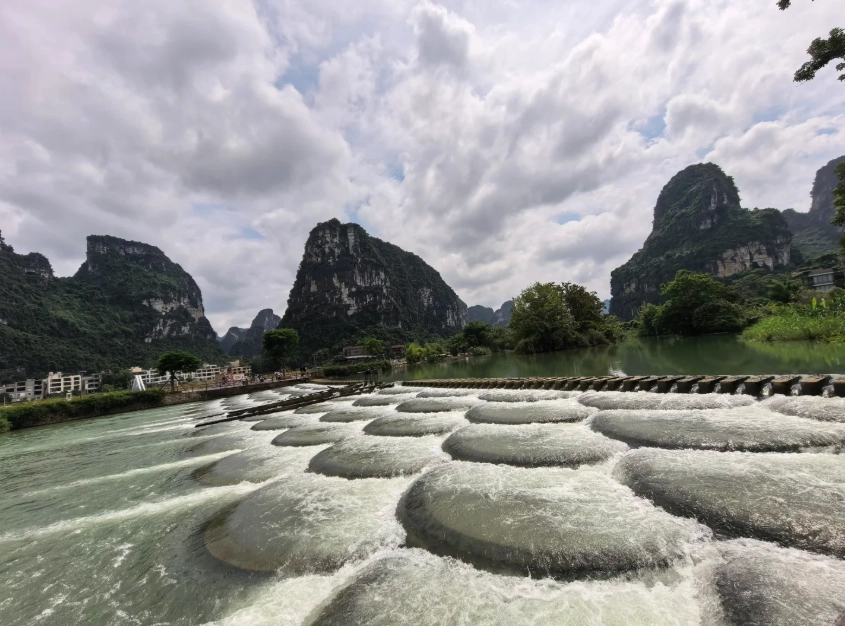
The Border Crossing Reality
You don't need a visa to visit Detian Waterfall or Youyi Pass — you'll stay on the Chinese side. However, you must bring your passport because the police check point at Youyi Pass will examine it. Do not try to cross into Vietnam unless you have a proper visa; the border zone is heavily monitored.
Frequently Asked Questions About a Chongzuo 3-Day Itinerary
I hope this Chongzuo 3-day itinerary saves you the headaches I've seen too many travelers face. The region is raw, beautiful, and refreshingly unpolished — exactly what you want when you travel off the beaten path. If you have more questions, drop them in the comments, and I'll answer as a local guide who's been on the ground for over a decade.
Verified and fact-checked by the editorial team.





We weren’t sure a 3-day itinerary just for Chongzuo would be enough, but it turned out to be perfect for slow travellers like us. Morning at Detian Waterfall is pure magic — rainbows in the spray, layered mountains behind the falls, and a mist that makes everything look like a Chinese painting. The karst scenery around the limestone towers was gorgeous, and our guide handled all the border formalities smoothly. He even packed local snacks and found us a quiet picnic spot with a view. Couldn’t have asked for a more relaxed trip.
This itinerary had great bones, but our experience felt a bit off. The hotel was okay, just far from the scenic area. On Day 1 we waited over an hour for lunch because the restaurant was overwhelmed. Detian itself is amazing when the water levels are high, but the guide kept us on a strict schedule — barely enough time to walk along the path at my own pace. Also, the boat ride costs extra and wasn’t mentioned clearly beforehand. I’d still recommend seeing the waterfall, but maybe book a private tour instead.
Good three-day route overall. Detian Waterfall is genuinely spectacular, and the cross-border viewpoint adds something you don’t get anywhere else. We got pretty close to the Vietnamese side near the 53rd boundary tablet, which was cool. Would have given 5 if Day 2 had felt less rushed. We spent more time in the van than I wanted, and the ‘karst scenery’ stop was only twenty minutes. Still a solid 4 — choose the smallest group size if you can.
Exactly the kind of trip I needed. Day one was mostly driving to Daxin County, but the scenery changed so much along the way that I didn’t mind. Detian Waterfall is enormous, and the bamboo raft took us right to the base — we got soaked but it was absolutely worth it. Day two’s karst hiking around Tongling Gorge was greener than I imagined. Local food included sour bamboo fish and wild vegetables, which won’t suit everyone, but I’m still thinking about that lunch. 10/10.
Booked this 3-day tour after seeing photos of Detian Waterfall, and it still blew me away. Standing on the boardwalk near the falls, you feel the spray on your face and hear the rumble — Vietnam is literally on the other side of the water. The karst peaks along the way looked dreamy in the morning mist. Our guide was patient and always pointed out the best photo spots before the crowds arrived. Highly recommend packing a rain jacket and waterproof sandals.
I’m a little torn on this one. Detian Waterfall itself is genuinely impressive — one of the most powerful falls I’ve seen in Asia. But the rest of the itinerary didn’t wow me as much as I’d hoped. The karst hills are nice, but after a few stops they all started to blend together, and the boat trips felt short and a bit touristy. We also hit drizzle on day two, so the views were muted and the whole day felt reduced to car time. Maybe I overhyped it from the photos. It’s okay, but I wouldn’t call it an unforgettable three days.
A solid trip overall. Detian Waterfall is obviously the superstar and the karst scenery around Chongzuo is really impressive. I liked how the itinerary broke up the driving with stops, but day two felt a bit rushed — we spent more time in the van than I expected, and the lunch place near the scenic area was overpriced for what you got. Still, the highlights were strong enough that I’d give it a 4. Just be ready for some long stretches on the road.
I came for the photography and left completely happy. Getting to Detian by 8:30 made all the difference — soft light, almost no crowds, and the waterfall looked unreal against the limestone peaks. The itinerary’s suggestion to walk up to the viewing platform is genius; you get that classic bird’s-eye angle over the terraces. Even the smaller viewpoints along the karst river were great for long exposures. Wish I had packed an extra memory card!
We followed this itinerary with our two kids and it worked really well. Day one was long, but the driver the blog recommended was safe and friendly. Detian was amazing even from a distance, and the karst hills along the road made every turn interesting. My daughter still talks about the little bamboo raft ride. The only thing I’d change is staying two nights in Daxin instead of moving around — but the plan itself was solid and stress-free for a family.
Absolutely worth the long drive from Nanning. Detian Waterfall left me speechless — the spray was so cool on my face and the roar of the water echoing off the karst cliffs was something else. The itinerary balanced the big sights with quiet countryside moments, and the boat ride at Minghe felt like gliding through a Chinese painting. I’ve done a lot of trips in Guangxi, but this 3-day plan is the one I keep recommending to friends.