 Tao Xu
Quick Look Inside
- Why Visit Friendship Pass on a Day Trip?
- How to Get to Friendship Pass for a Day Trip
- What to Expect at the Border: Entry Requirements and Paperwork
- Top Sights to See During Your Friendship Pass Day Trip
- Where to Eat Near Friendship Pass: Local Favorites
- My Personal Day-Trip Timeline: From Nanning to Friendship Pass
- Insider Tips to Make Your Friendship Pass Day Trip Smooth
- FAQ About Friendship Pass Day Trip
Hands shaking, a tourist in front of me at the ticket window tries to wave a credit card. The clerk shakes his head. No card, no Alipay — only cash or WeChat. I step in and pay with my phone. That's when I realized: this is why I wrote this Friendship Pass day trip guide.
You've probably read about the historic China-Vietnam border gate, but nobody tells you that Google Maps will lose signal, that the WeChat mini-program to book tickets is in Chinese only, or that the best viewpoint is actually after 4 PM. Let me fix that.
Bottom line: you can do this day trip solo, cheaply, and without a tour group — but only if you know the exact steps. Here's what worked for me.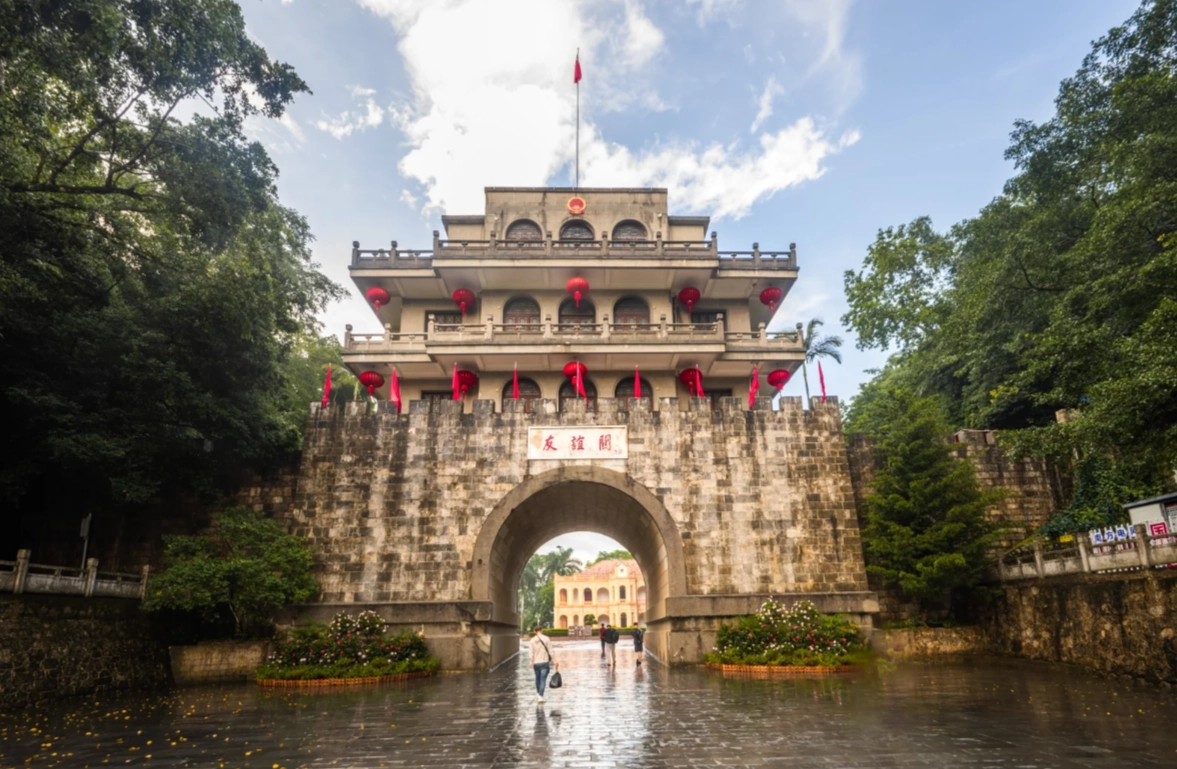
Why Visit Friendship Pass on a Day Trip?
Let's be honest — Friendship Pass isn't as polished as the Great Wall, and you won't find crowds of Instagram influencers there. That's precisely why you should go. This is a raw, working border crossing where history and daily life collide.
For centuries, this mountain pass connected China and Vietnam. It was a key military stronghold during the Sino-French War in the 19th century, and you can still see bullet holes in the old ramparts if you look closely. Standing at the border marker, watching trucks rumble through the checkpoint, is a surreal experience that many mainstream tours skip.
I've brought dozens of travelers here, and the reaction is always the same: this isn't just a sight, it's a place that feels alive. You get a genuine glimpse of cross-border trade, local soldiers, and the slow rhythm of the frontier.
How to Get to Friendship Pass for a Day Trip
First, let's talk logistics. Friendship Pass sits in Pingxiang, a small city in Guangxi province, about 220 kilometers from Nanning, the capital. The easiest way to get there is by high-speed train.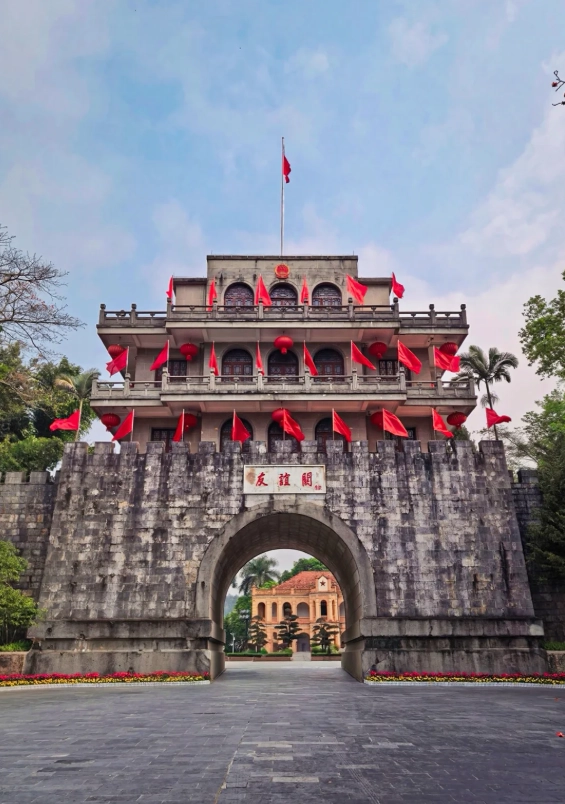
Take the High-Speed Rail from Nanning
From Nanning East or Nanning Station, hop on a high-speed train to Pingxiang. The ride takes roughly 1.5 to 2 hours. Second-class tickets cost around 80–100 RMB, depending on the train. Check the schedule on Trip.com or the official China Railway website. Tickets go on sale 15 days ahead, so book as early as possible.
Once you exit Pingxiang Railway Station, don't trust Google Maps to find the bus. Instead, just show the driver this phrase: 去友谊关 (qù Yǒuyìguān). Or, even easier, use the Didi app — it's the Chinese Uber. The ride to the Friendship Pass scenic area takes about 20 minutes and costs 30–40 RMB. Make sure you have cash or a working Alipay/WeChat Pay to pay the driver.
| Transport | Duration | Cost | Notes |
|---|---|---|---|
| High-speed train (Nanning → Pingxiang) | 1.5–2 hrs | 80–100 RMB | Most comfortable; book ahead |
| Local bus from Pingxiang station to Friendship Pass | 30–40 min | 10 RMB | Less frequent; harder to find |
| Didi / taxi | 20 min | 30–40 RMB | Fastest and easiest option |
Alternative: Bus from Nanning to Pingxiang
If you're really on a budget, you can take a long-distance bus from Nanning Langdong Bus Station to Pingxiang. It takes about 3 hours and costs around 60 RMB. But the train is faster and just as cheap, so honestly, why bother?
What to Expect at the Border: Entry Requirements and Paperwork
Here's where people get confused. Friendship Pass is a border crossing, but you don't actually need a Vietnamese visa to visit the scenic area. You only need a valid passport and a Chinese visa (or visa-free entry if you qualify). The ticket office will take your passport number to register you as a visitor.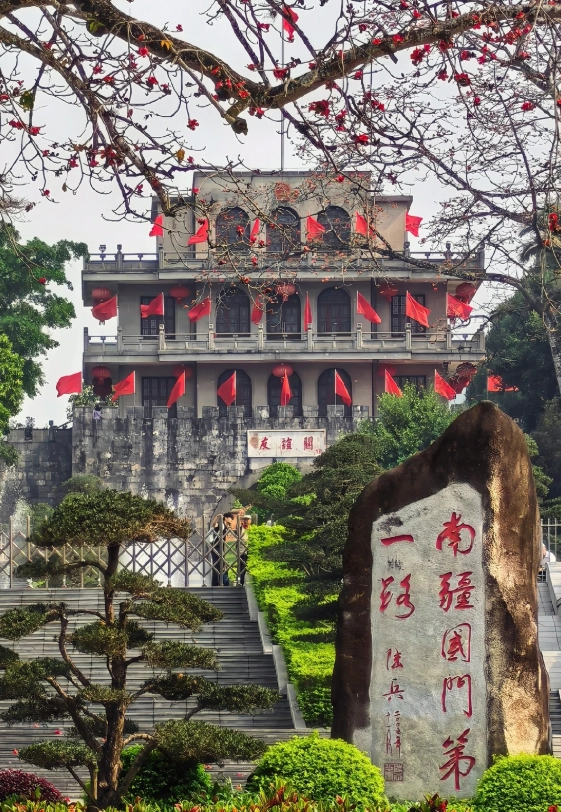
The entrance fee is around 50 RMB for adults. Children under 1.2 meters and seniors over 65 can get discounts — bring your ID. You don't need to book in advance; you can buy the ticket at the window. But remember: cash is your backup — most foreign cards won't work, and Alipay/WeChat Pay is the standard. Set up your mobile payment before you leave Nanning.
Pro Tip: The ticket window accepts cash and mobile payments. Do not rely on a credit card. If you haven't linked your foreign card to Alipay yet, do it at home — it takes 10 minutes and saves you a headache.
Another thing: keep your passport handy because at the viewing platform, soldiers may ask to see it. They're friendly but serious. Don't take photos of the restricted military area — you'll see signs.
Top Sights to See During Your Friendship Pass Day Trip
Once you're inside, you'll want to plan your time. The whole site is compact; you can cover it in a couple of hours without rushing. Here's what you shouldn't miss.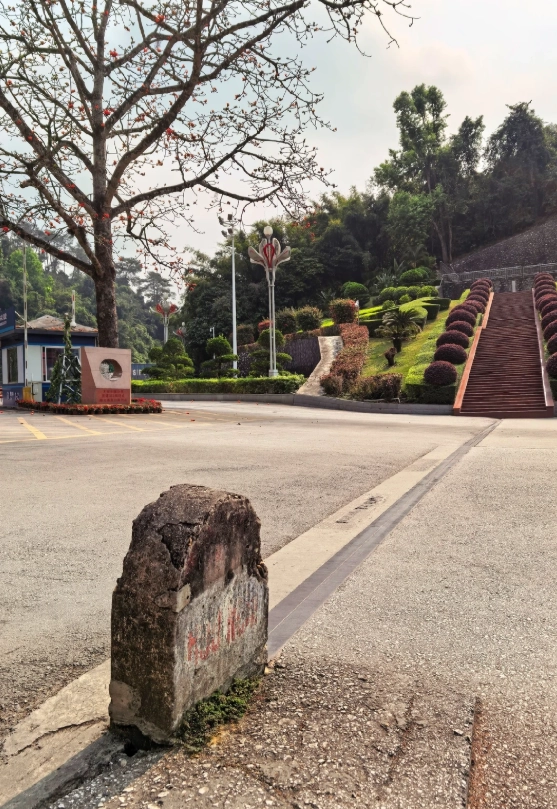
The Ancient City Gate
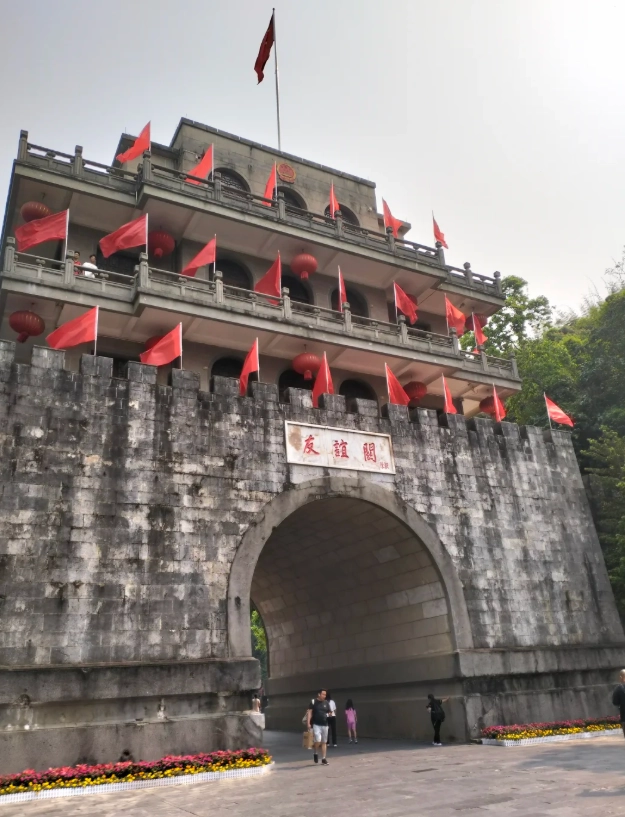
This is the centerpiece — a towering stone gate built during the Ming Dynasty. Walk through the tunnel and read the calligraphy above the entrance. It's a UNESCO World Heritage candidate but hasn't been crowded at all in my experience. Spend 20–30 minutes here, climbing the stairs to the top for a panoramic view of the surrounding mountains.
Zero-Kilometer Border Marker
Follow the main path to the border marker, where China meets Vietnam. On one side, Chinese soldiers stand calmly; on the other, you can see Vietnam's frontier town. You'll likely see trucks waiting to cross. This spot is a great photo opportunity — but remember, don't cross the red line. I've witnessed tourists getting warned for stepping over.
The 105th Boundary Pillar
Just a short walk uphill brings you to the boundary pillar with the number 105 painted on it. It's a small but iconic monument. The trail is steep but manageable in decent shoes. At the top, you'll find a tiny pavilion with a surprising view.
Old Fortifications and Trenches
The hillside is riddled with old military bunkers and trenches from the Sino-French War. They're partially restored, and you can actually walk through some. It's not the cleanest place — dust and spiders are part of the experience. But for history buffs, this is gold.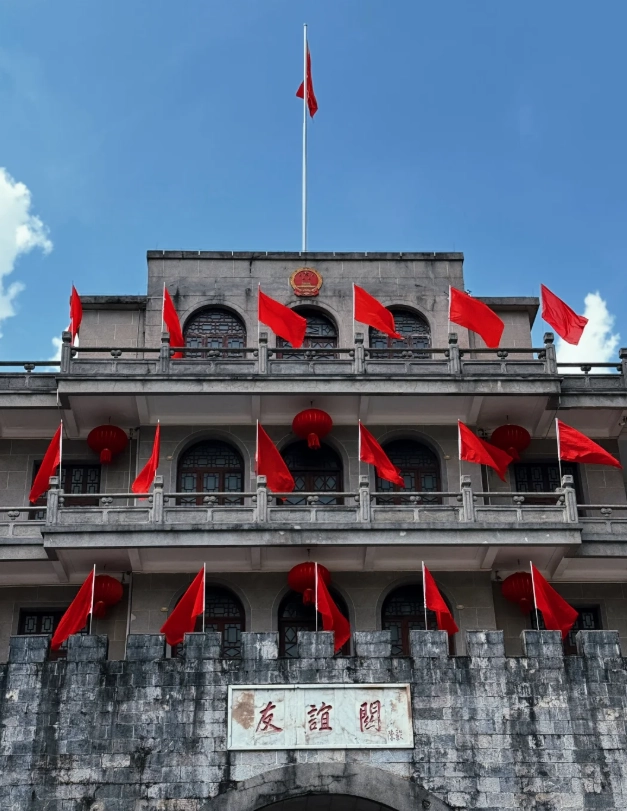
Where to Eat Near Friendship Pass: Local Favorites
You'll likely build up an appetite. Inside the scenic area, there are a few tiny food stalls selling instant noodles and drinks — nothing special. The real food is back in Pingxiang town, a 20-minute taxi ride away.
For an authentic lunch, head to the streets around Huihe Road (南站附近). You'll find plenty of small restaurants serving Vietnamese Pho (Pho) with fresh herbs, and spring rolls with a unique local twist. One dish I always order is Shrimp and Pork Rolls (越南春卷) — they're crisper and lighter than the ones in Hanoi.
Expect to pay around 15–25 RMB per person for a satisfying bowl. Most places accept cash and Alipay, not foreign cards. Look for places with picture menus — just point to what looks good. The locals are patient and won't mind your gestures.
My Personal Day-Trip Timeline: From Nanning to Friendship Pass
Here's a realistic schedule I use with my clients who want to do the round trip in one day without feeling rushed.
Morning (7:00 AM – 11:30 AM)
7:00 AM — Get an early start from Nanning. Catch a high-speed train around 7:30 AM. You'll arrive in Pingxiang by 9:00–9:30 AM.
9:30 AM — Grab a Didi to Friendship Pass. Arrive by 9:50 AM. The ticket office opens at 8:00 AM, so you'll beat the typical tour-bus wave.
Explore (10:00 AM – 12:30 PM)
10:00 AM — Enter the site. Start with the old city gate and the boundary pillar. The light is still soft, perfect for photos.
11:30 AM — Walk the trenches and visit the small museum near the gate (if it's open — it has interesting photos from the war era).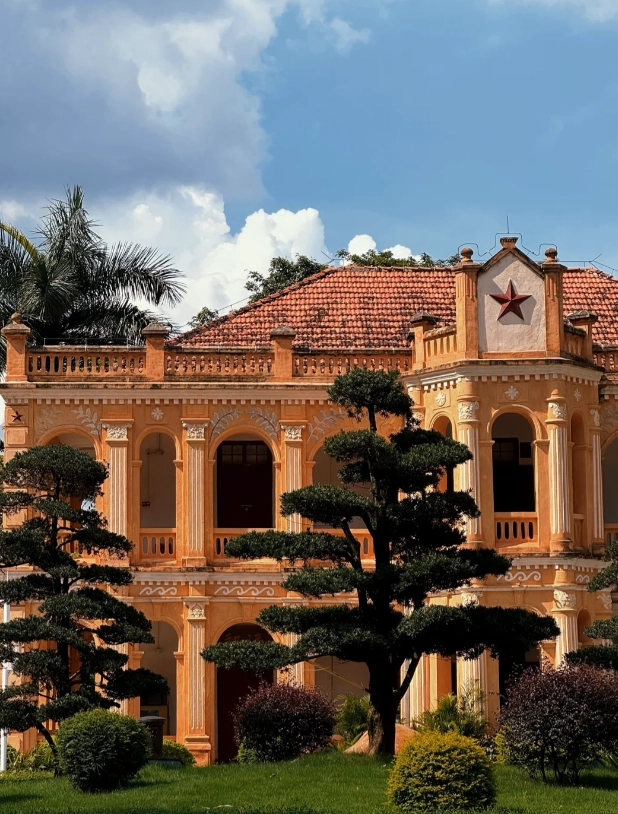
Lunch (12:30 PM – 2:00 PM)
12:30 PM — Leave the site and head back to Pingxiang for lunch. Try a local Vietnamese-style restaurant. I always recommend the Hương Ngọc restaurant near the train station — the pho there comes with a fragrant broth that's been simmering overnight. (Don't worry, it's easy to find: just show the name to your taxi driver.)
Afternoon (2:00 PM – 5:00 PM)
2:30 PM — Decide: if you're interested, you can visit the local border trade market near the station. It has a chaotic but lively atmosphere — you'll see Vietnamese vendors selling hats, dried fruits, and coffee.
4:00 PM — This is the golden hour for photography at Friendship Pass. If you didn't take enough photos in the morning, go back for a second round. The late-afternoon sunlight casts a warm glow on the old stone walls, and tour groups have thinned out.
5:00 PM — Head back to the railway station. Catch a train around 6:00 PM to be back in Nanning by 8:00 PM.
Insider Tips to Make Your Friendship Pass Day Trip Smooth
- Set up Alipay or WeChat Pay before you arrive. International credit cards often fail or get blocked. Link your card at home — it takes minutes and saves you the humiliation I saw at the ticket window.
- Download a VPN before landing in China. Gmail, WhatsApp, Instagram — all blocked. You can get by without them, but it's a hassle. I use a paid VPN that works with my phone's hotspot.
- Use Apple Maps or an app called “AMap Global” instead of Google Maps. Google will lead you to a rice field. Apple Maps is partially accurate, but checking a real-destination app is even better.
- Keep small cash (20 RMB bills) for backup. Not every market stall accepts mobile payments, and ATMs in Pingxiang can be finicky with foreign cards.
- Dress for the weather. The border area is hotter than Nanning in summer and can get chilly in winter. Wear comfortable shoes for the steep paths.
FAQ About Friendship Pass Day Trip
Verified and fact-checked by the editorial team.





Honestly, I'm not sure this should be called a day trip. We left Hanoi at 7am, waited at the border for over an hour behind a tour group, and once we walked through, there wasn't much to see—just a small gate, a few souvenir stalls, and the railway line. The 'insider tip' about going early didn't help because everyone arrives at once. The passport hall was cramped and had no seating. The best part was the iced coffee at a roadside hut on the way home. If you have extra time and love borders, fine, but I'd skip it otherwise.
Solid day trip, not amazing. The crossing is efficient if you pay attention to the guide, but there was no signal in the terminal and our group's visa paperwork got held up at one window because we didn't have the printed exit form. Our guide sorted it quickly though. The old gate is interesting but the whole area is under renovation, so you can't climb the tower or walk the full wall. We had a good bowl of noodles on the way back and the market stalls are fun for 20 minutes. Worth doing if you're already near Lang Son, but don't go out of your way.
I'm always a bit sceptical of border crossings as 'attractions', but Friendship Pass surprised me. The history here is thick—old French fort, bullet holes in the stone walls, and trains still sliding through the mountain gap. We stopped at a local stall for iced coconut coffee and watched porters carry huge bags of fruit across the line. The guide gave us exactly 40 minutes to wander, which was the right amount. The passport control on the China side is big and air-conditioned; the Vietnam side is tiny and chaotic, but that's part of the charm. Would do it again.
Booked this as a last-minute day trip from Hanoi and it exceeded expectations. The driver was friendly and the guide knew exactly which windows to use for stamping—something you really need because the signs are confusing. The new Chinese terminal looked futuristic, but the real highlight was walking the kilometer of shops between the two checkpoints. You can buy snacks, Vietnamese coffee, duty-free stuff, and everyone is used to day-trippers. The guide also made us fill out the health form in the van, saved us at least half an hour. Five stars from us.
We used the tips in this guide and breezed through the whole thing. Got to Friendship Pass at 8:15 right after the gates opened, walked straight through the empty immigration hall. Tip: go before the Chinese tour buses arrive—we avoided the chaos. The old pass and the railway track right at the border are so atmospheric. We took photos on the Vietnam side, crossed the line to the Chinese side for a bubble tea, and were back in Lang Son by lunchtime. Felt like a tiny international adventure without a plane ticket. Absolutely recommend.
Look, it's not a bad day trip, but it didn't wow me. Our minivan from Hanoi took nearly four hours because of roadworks, so we only had about an hour at the actual pass. The border gate itself is cool once, but there's not much to do beyond photos and a quick look at the market. Our guide was friendly but spent a lot of time on his phone. Maybe on a clear day with no traffic it's better. Good if you really love border crossings; otherwise manage your expectations.
Great trip overall. The border crossing is genuinely interesting and the photo spot by the big bilingual gate is a keeper. The reason for 4 stars instead of 5: we were in a group of 12 and the guide had to move fast to hit the permit window, so we didn't get as much time to browse the market as I hoped. If you book privately, I think it would be perfect. Still, logistics were smooth and the tips in the article about bringing both passport and ID card were spot on.
This is the perfect day trip if you want something a little different from the usual Hanoi museums. The Friendship Pass is not monumental, but the atmosphere is charged with border-town energy. Our guide was a retired customs officer and he pointed out the exact footprints where the old French customs house used to be. The drive there and back was comfortable in a Toyota SUV. The only thing I'd say: the wind at the gate can bite, so pack a light jacket even in early spring. Absolutely recommended.
I almost didn't book this because I thought it would be a gimmick, but the weird thrill of standing at an actual international border was unforgettable. Our guide Hong was hilarious and told stories about the old railway. She also warned us to bring photocopies of the passport and that saved us 30 minutes at the paperwork desk. We took a slow afternoon, watched the trains cross, and had a great noodle bowl at the little café. This trip deserves a solid five stars. Insider tip: go on a weekday if you can.
Took the Friendship Pass day trip last week and honestly it was the smoothest border-adjacent experience I've had in Vietnam. The guide met us in Dong Dang and handled the permit paperwork, so we skipped the confusing queues. Walking across the bridge is surreal—you can see the China-Vietnam gate with its huge red sign. Bring your passport and wear decent walking shoes; the pavement is cracked in places. The little market on the Vietnam side has the best egg coffee we tried all trip. 10/10.