 Chen Liu
At a Glance: Your 48 Hours in Chongzuo
Honestly? The first time I brought a group to Chongzuo, I underestimated the distances. We almost missed sunset at Detian because my driver took a wrong turn. Now I always use a simple rule — split the two main sights across two days, not one. This Chongzuo 2-day itinerary is the exact plan I use for friends who want waterfalls without the headache. No fluff, just logistics that work.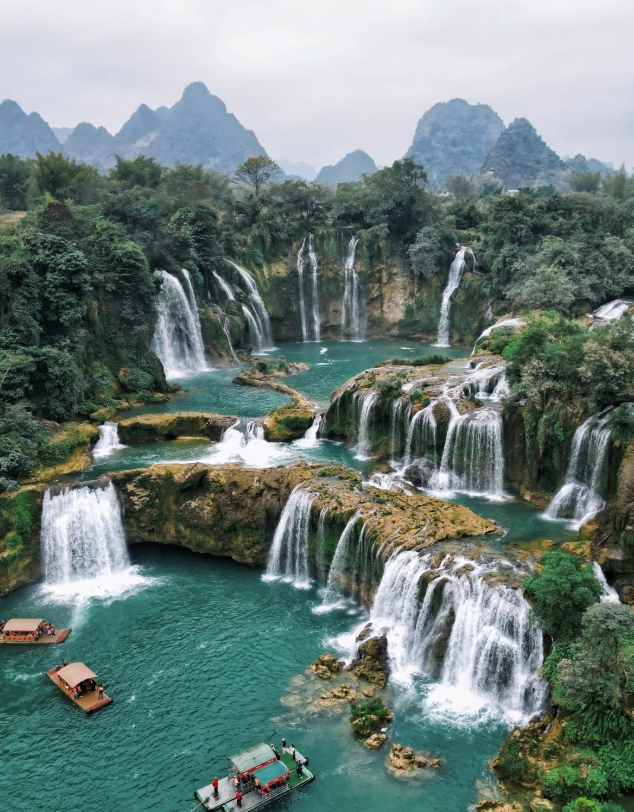
Why Chongzuo Deserves Two Full Days?
Chongzuo is often skipped by travelers rushing between Guilin and Hanoi — and that's exactly why you should stop here for two days. The county-level city is home to the magnificent Detian Waterfall, the fourth-largest transnational waterfall in the world, and the serene Mingshi Countryside, a lush karst landscape straight out of a Chinese painting. But here's the catch: these spots are not within walking distance of each other. A typical one-day tour means spending 4-5 hours on buses and squeezing the fun into a few rushed hours. That's not travel — that's commuting.
During my last trip, I timed every transfer. From Chongzuo city center to Detian Waterfall takes about 1.5–2 hours by bus or private car. From Detian to Mingshi Countryside it's another 45–60 minutes. And from Mingshi back to Chongzuo, roughly 1.5 hours. Multiply that by any number of stops, and you'll quickly see why a 2-day plan is the only smart option.
Day 1: Detian Waterfall – The Crown Jewel
Your first day belongs to Detian. Start early — I mean 8:00 AM — and you'll have the waterfall almost to yourself before the tour groups arrive at noon. Yes, you need to wake up earlier than you'd like, but the payoff is huge: soft morning light, mist rising from the plunge pool, and zero crowds fighting for rail space.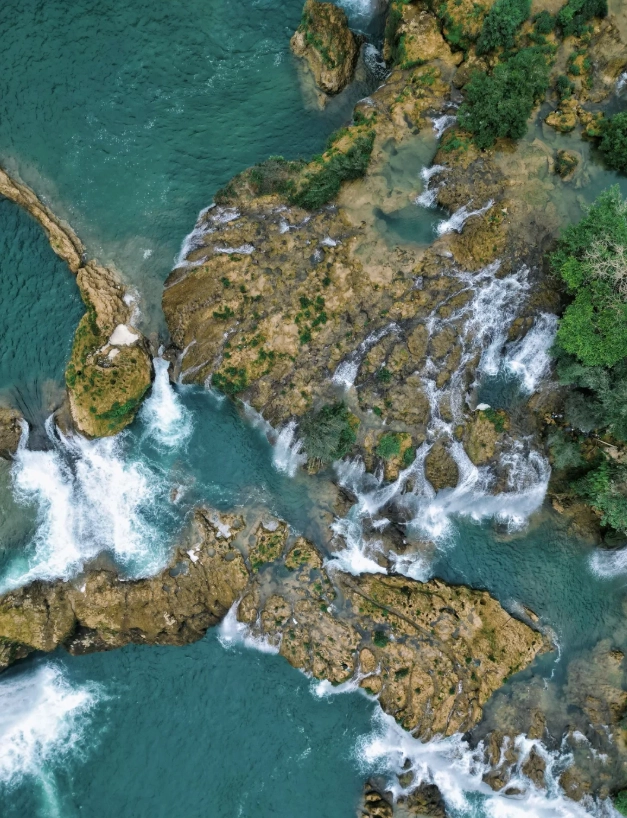
Getting to Detian Waterfall from Chongzuo
There's no direct train to Detian, so your options are a long-distance bus or a chartered car. From Chongzuo International Bus Station (崇左国际客运站), you can grab a bus to Daxin County (大新县) — roughly 1.5 hours — then change to a local minibus to the scenic area. Total cost: around 50–60 RMB per person. But if you're not in a mood to wrestle with luggage, I highly recommend hiring a private driver for the day. Your hotel can arrange it for about 400–500 RMB for a round trip. It sounds pricey, but you'll save hours and hassle.
If you're coming from Nanning, there's a direct high-speed train to Chongzuo that takes about 1 hour. From Nanning East or Nanning Station, trains depart frequently. Tickets are around 100 RMB in second class. From Chongzuo station, you'll need to transfer to a bus or taxi to the attraction — plan for an extra 30–45 minutes.
| Transport Mode | Cost | Time | Pros | Cons |
|---|---|---|---|---|
| Public bus + minibus | ~80 RMB total | 3–4 hours | Cheap | Inflexible, luggage issues |
| Private car (hotel-arranged) | 400–500 RMB round trip | 2 hours direct | Fast, door-to-door | Expensive |
Detian Waterfall Tickets, Hours, and Booking
Tickets cost around 80 RMB per adult (as of my last visit), with a discounted rate of 40 RMB for students and seniors over 60. The entrance fee includes access to the waterfall viewing platforms and the border bridge. However, the park's electric sightseeing car (from the gate to the main viewing area) costs an extra 35 RMB round trip — you can walk it, but it's a 4-km uphill slog. I always tell my guests to take the car up and walk down; that saves energy for the boardwalk.
For foreigners, the easiest way to buy tickets is via Trip.com or Klook — both accept international cards and show English. You'll need your passport number to book. On-site, you can also buy tickets at the counter, but note that cash and WeChat Pay are accepted, while credit cards are not. The park opens at 8:00 and the last entry is around 16:30. I'd advise getting there by 9:00 at the latest.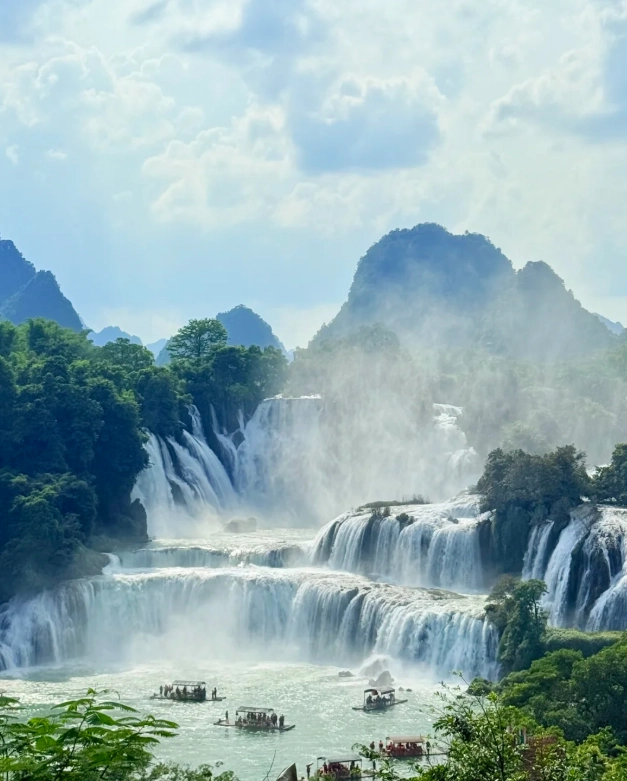
My Favorite Walking Route (and Where to Photograph)
Once inside, follow this loop: take the shuttle to the top viewing platform, then walk down to the border markers, and finally cross the river to the bamboo raft dock. The raft ride (30 RMB per person) takes you right to the base of the waterfall — it's the money shot. From there, the boardwalk leads you past several viewpoints. My personal spot for an unobstructed panorama is the wooden pavilion near the Sino-Vietnamese 835 boundary stone. But be careful — the steps are slippery after rain.
Watch out for the lunch rush. Between 11:00 and 14:00, the observation decks fill up with tour groups from both China and Vietnam. If you want solitude, visit in the morning or after 15:30. Also, the waterfall is south-facing, so the lighting is best before noon. After that, the front of the falls gets blown out in photos.
Where to Sleep Near Detian
If you can afford the time, stay in the village just outside the west gate (the same entrance used by most drivers). There are a handful of family-run guesthouses where you get simple rooms, home-cooked meals, and the chance to hear the waterfall's roar at night. Prices range from 150 to 400 RMB per night depending on the season. The downside? Wi-Fi can be flaky, and hot water might be limited in busy periods. If you're not keen on that, Chongzuo city has a wider choice — like the Lavande Hotel or the Vienna Hotel, both around 300–400 RMB. But keep in mind that staying in town means another 2-hour drive in the morning.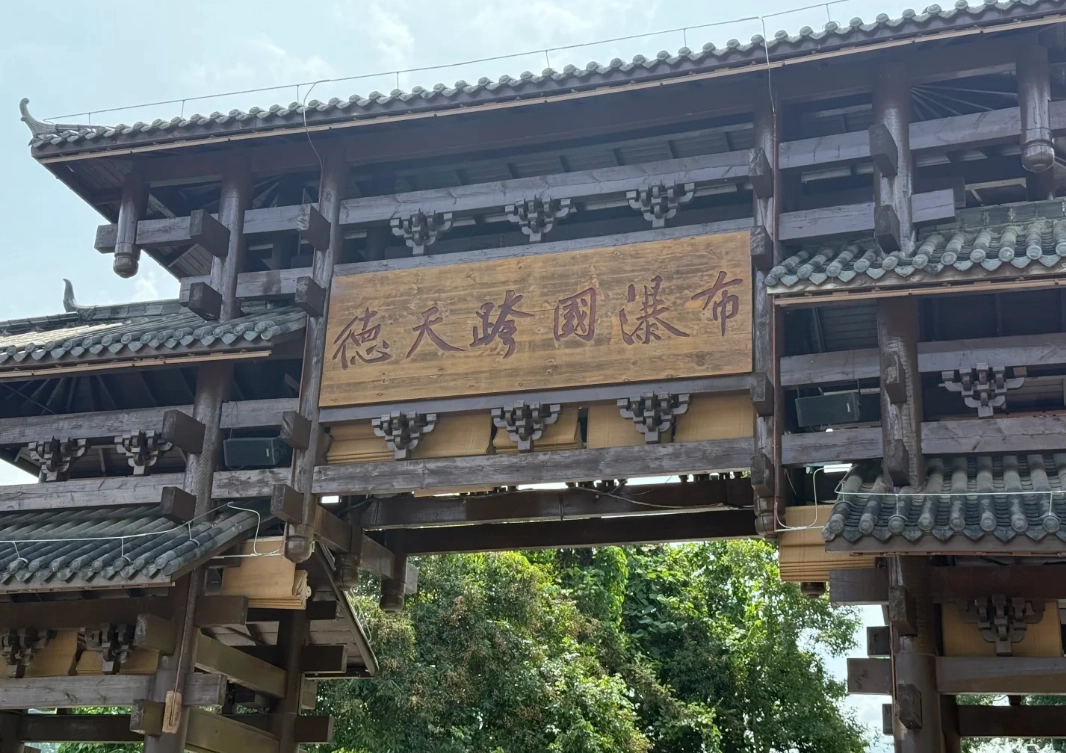
Day 2: Mingshi Countryside and Border History
Day two is all about slowing down and soaking in the karst peaks. After breakfast, drive about 45 minutes to the Mingshi Countryside (明仕田园) scenic area. If you've seen the movie 'The River of No Return' (2014), you'll recognize the scenery — it's the same location.
Mingshi Countryside: Rent a Bike or Take a Raft
The classic way to explore Mingshi is by bamboo raft — a relaxed 40-minute float that weaves through the rice paddies and between limestone towers. The raft ticket is around 120 RMB per person, and it includes a short guided commentary in Chinese. If you're on a tight budget, skip the raft and instead rent a bicycle (roughly 30 RMB per day) and ride the flat paths along the river. I prefer cycling because you can stop whenever a photo calls to you. The scenery changes every 200 meters — one moment it's a water buffalo cooling off, the next a woman washing laundry by the riverbank.
For the best views, head to the 'Little Guilin' viewpoint around the middle of the area. Climb the small wooden tower for a panoramic shot. But come early — the light is better and there are fewer tour groups.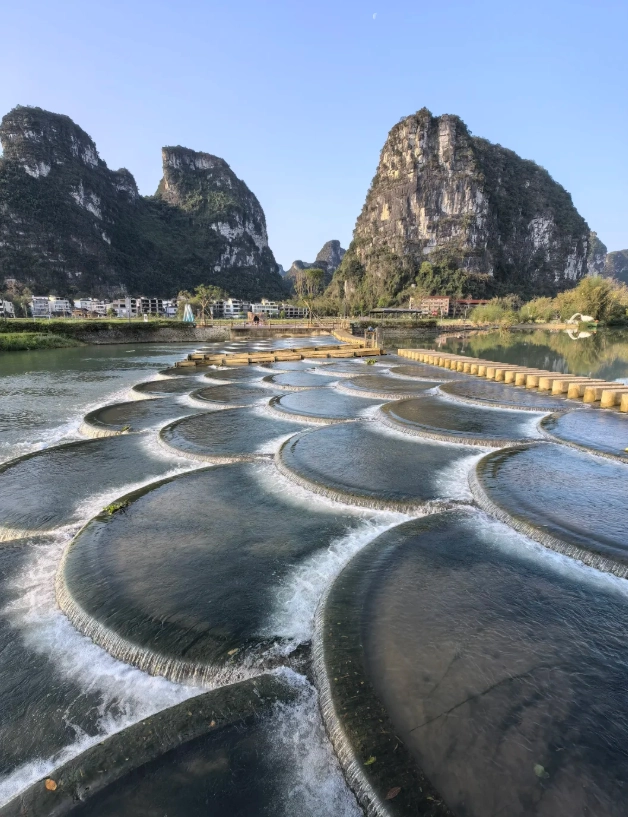
Adding Friendship Pass (Youyi Guan) to Your Day
If you're a history buff, squeeze in a visit to the Friendship Pass (Youyi Guan), about 1 hour south of Mingshi. This ancient frontier gate has guarded the Sino-Vietnamese border for centuries. The admission is 40 RMB, and you can walk around the restored gate and nearby museum. The main highlight is stepping onto the gallery where Vietnamese and Chinese soldiers once exchanged stares. It's a sobering contrast to the tranquil countryside. But be warned: the border area requires a separate security check, and you'll need your passport. Also, the road can be winding; if you're prone to motion sickness, take medication beforehand.
Getting Around on Day 2
The most practical way to combine Mingshi and Friendship Pass in one day is to hire a driver for about 500–600 RMB. Public buses do run between towns, but they're infrequent and not foreigner-friendly. If you're short on time, pick just Mingshi and skip the pass. Save Friendship Pass for a future trip — it's not a must-see if you prefer nature over man-made structures.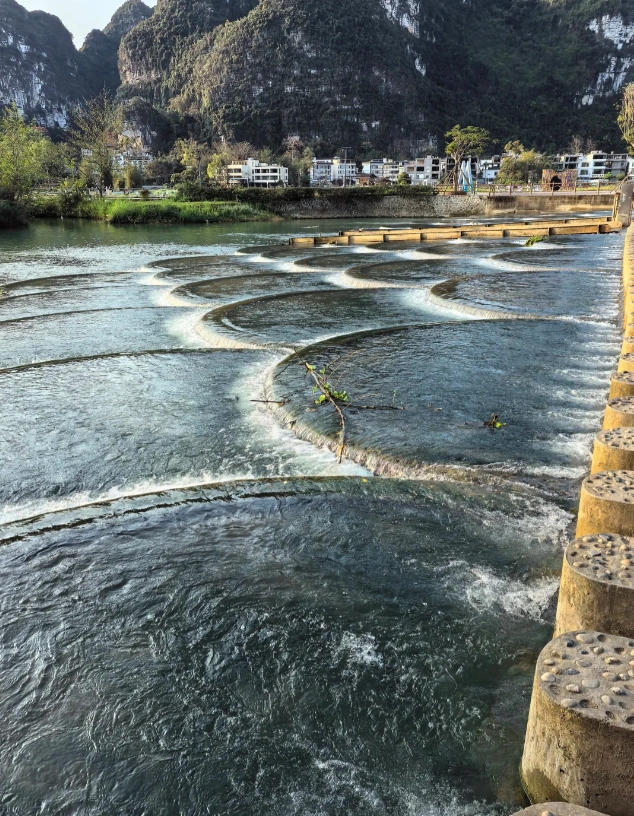
What Should You Know Before Your Chongzuo 2-Day Trip?
Now, let me save you some money and headaches. Learn from the mistakes I've seen tourists make.
Payment and Money in Chongzuo
Forget credit cards — most small shops, restaurants, and even ticket booths only accept mobile payments like Alipay or WeChat Pay. As a foreigner, you can link your international Visa or Mastercard to these apps before you arrive, as long as you have a local SIM or a roaming number. But if you haven't set that up, carry some cash in small denominations. ATMs are available in Chongzuo city, but not at the scenic areas. Always have at least 200 RMB in cash for emergencies.
Navigation and Translation Apps
Google Maps is useless in China — it won't show accurate bus times and often gives wrong coordinates. Instead, download AMap (Gaode Maps) which has an English interface, or use Apple Maps if you're on iOS. For translations, use Apple Translate or the Microsoft Translator app. I always keep a note showing '我要去德天瀑布' (I want to go to Detian Waterfall) in Chinese to show taxi drivers — trust me, you don't want to rely on your own pronunciation.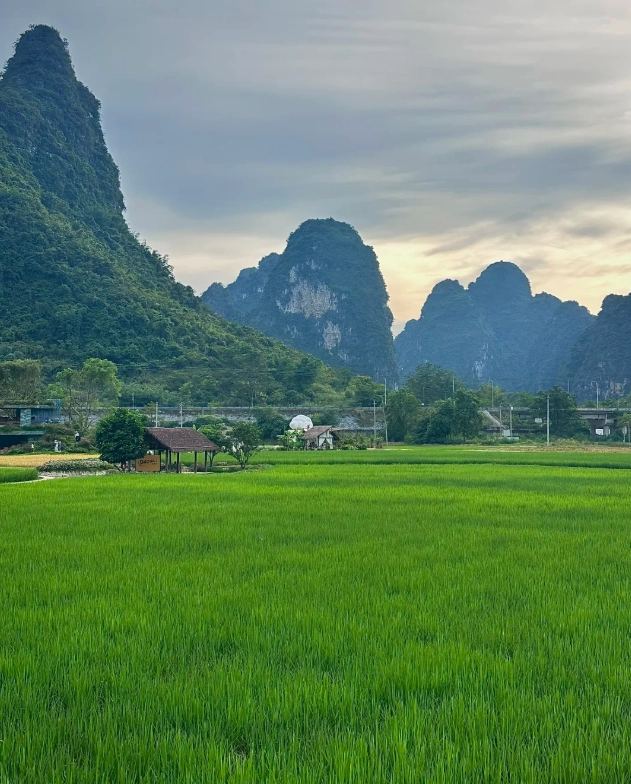
What to Pack for the Karst Hills
The sun here is merciless, especially between 11 AM and 3 PM. Bring a wide-brimmed hat, SPF 50+ sunscreen, and reapply it. Mosquito repellent is non-negotiable — the damp riverbanks breed the worst mosquitoes. And a light rain jacket or umbrella, because tropical showers can appear without warning. Comfortable shoes with good grip are essential for the wet boardwalk at Detian.
How to Adjust This Chongzuo Itinerary for Different Travelers?
Not every traveler moves at the same pace. Here's how I customize the plan for different groups.
For families with kids: Swap the second-day raft for the bike ride — kids love the freedom. Also, lower your expectations at Friendship Pass; the history is dense, and kids will get bored. Instead, add a visit to the Longgang Natural Reserve if they're into wildlife.
For photography buffs: Stay overnight near Detian and catch the sunrise over the falls. From the west bank, you can also get shots of the Vietnamese side. In the early morning, the mist is unreal. I always tell my photography clients to bring a polarizing filter to cut glare.
For budget backpackers: Skip the private car from Chongzuo. Take the public bus to Daxin, then a shared minibus to Detian. The savings might be 200 RMB, but you'll sacrifice some flexibility. On day two, rent a bike in Mingshi and cook your own meals at the guesthouse kitchen.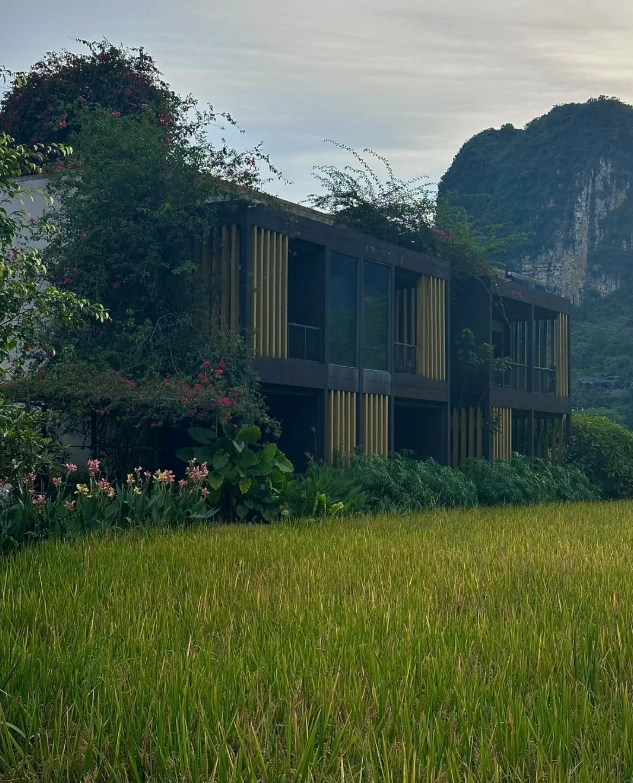
Frequently Asked Questions about Chongzuo 2-Day Itinerary
That's my go-to Chongzuo 2-day plan. I've tested it with dozens of travelers, and it works. If you have any more questions, drop them below — I'll answer as best as I can. Safe travels, and enjoy the borderland beauty.
Verified and fact-checked by the editorial team.





As a solo traveler, I was a bit nervous about driving around rural Guangxi, but this itinerary made it stress free. It includes a realistic timeline and backup suggestions if it rains. I took the alternative indoor route on day two because the weather looked iffy, and still got amazing views of the karsts shrouded in mist. The highlight was crossing the bridge at Detian and hearing Vietnamese music drifting across the river while the waterfall crashed beside me. I only wish I had booked two nights instead of following the exact hotel suggestion, but that's on me. A solid, honest guide.
We took this trip in October. The advice for avoiding the crowds at Detian was worth it alone — we arrived right at opening and had the main platform nearly to ourselves for 20 minutes. The waterfall thundered so loud we felt it in our chests. The second day's drive through the karst formations felt like moving through a painting, but by car. Every viewpoint was clearly marked on the map. The hotel with the river view near Bashi was charming, and the local duck dish they recommended was fantastic. Will definitely use this itinerary again for a friends' trip.
Used this as our base for a spontaneous long weekend and it worked perfectly. The mix of the dramatic waterfall and the quiet karst hills was exactly what we needed. My favorite part was stopping at a small village on the way to the karst viewpoint — the itinerary mentioned it as an alternative route, and we got to see rice terraces and water buffalo. The sunset spot at the end of Day 1 was unreal. Bring mosquito repellent and a poncho because the spray from the waterfall soaks you, but this guide nailed all the logistics.
Good trip if you're comfortable driving yourself. The itinerary gave clear directions and the GPS points were spot on. Highlights for me were the early morning at Detian before the tour buses arrived and the viewpoint over the karst peaks near Longzhou. We only had light drizzle on day 2, so the mountains looked moody and green. I dropped one star because the hotel recommendation in Chongzuo was a bit dated and the included map made us take a gravel road that was fine for our SUV but would be rough in a normal car. Otherwise, a very satisfying weekend.
I really wanted to love this itinerary, but it felt rushed. Day 1 packs in Detian Waterfall and then a long drive to the karst viewpoints, so by the time we got there the light was flat. The waterfall itself is amazing, but the 2-day route doesn't leave enough time to enjoy the bamboo raft ride or the walk up to the viewing platforms. We didn't even have time for the market area on the Vietnam side. Some of the suggested restaurants weren't open on weekdays either. It's a decent outline, but I'd shave off one stop and add an extra night.
Honestly, this itinerary opened up corners of Chongzuo I would have never found on my own. The karst formations near Daxin are unreal — towering limestone peaks wrapped in mist, rice terraces between the valleys, and hardly any tourists until you get close to Detian. I followed the suggested hike to a viewing platform above the waterfall, and the view across the border into Vietnam was one of the best I’ve had in Asia. The practical details about parking, ticket windows, and where to eat saved me a ton of stress. Five stars without hesitation.
I travelled solo and followed this exactly as written, and it worked like a charm. The two-day pacing was perfect for me. I rented an e-bike in Chongzuo and cruised along the Heishui River while the karst hills mirrored in the water. One morning I even had a tiny village noodle shop all to myself thanks to a breakfast suggestion in the itinerary. Detian was breathtaking from the border viewing platform, and the mist rising off the falls made me feel like I was in a painting. A really well-thought-out route for independent travellers.
It was okay, but I expected a bit more after reading all the hype. The karst peaks are genuinely pretty, but the itinerary felt rushed — we were constantly watching the clock. Detian was the highlight, sure, but the bamboo raft part felt overpriced and touristy. We also ended up paying entrance fees for a few viewpoints that were basically just pull-offs on the road. If you’re on a budget or prefer slow travel, I’d say pick only one or two spots and skip the rest. Not a total waste, but not the magical experience I was hoping for.
A solid itinerary overall. It got me and my partner through the highlights without major hiccups. Detian was impressive, and the karst viewpoints near the river were beautiful. I’m giving four stars because the bus timing info was slightly off when we visited — we had to grab a taxi to make the last connection. Also, the pace felt a little optimistic if you like stopping for photos as much as I do. Still, the maps and practical tips were accurate enough, and I’d use this again for a short trip.
This itinerary was spot on for our two days in Chongzuo. We went in early November and had clear skies both days. Detian Waterfall was absolutely roaring after recent rain, and the spray soaked our ponchos but we didn’t care. The karst scenery all around Daxin felt unreal, especially on the little scenic road between the border checkpoint and the falls. The guide’s directions saved us from getting stuck in ticket line chaos, and we ended up at a quiet lookout just in time for golden light. Honestly the best two days we spent in Guangxi. Highly recommend it.
Booked this for my parents and myself, and everyone loved it. Our driver/guide spoke decent English and adjusted the schedule when my dad needed extra breaks. The karst formations from the observation deck at dusk were unreal — soft golden light, dark green peaks, mist rolling in. The waterfall hike on the second day was a highlight; not too tough and the little viewpoints are perfect for photos. We also tried some local sour bamboo soup and grilled river fish at a tiny village place that the guide knew — definitely ask for that. It felt authentic and not at all rushed.
This itinerary packs a punch. Two waterfalls in one day? Yes. Karst peaks that look like they were painted in a Chinese landscape painting? Also yes. We went in early autumn so the water level was perfect — lots of spray and rainbows at the largest fall, and the smaller cascades along the hike were empty enough to enjoy in silence. The second day's viewpoints over the winding rivers and cone-shaped hills made me feel like I was in a drone shot. Even the bumpy road in the middle was worth it. Just bring good shoes because there are some steep sections with slippery rocks. Highly recommend.
Honestly one of the best short trips I've done in Guangxi. The Detian waterfall crossing into Vietnam looked like something from a fantasy film, especially with the morning mist and the water thundering into the turquoise pool. Our guide arranged for a bamboo raft right at the border marker, which was a bit surreal — you could literally wave to sellers across the river. The karst mountains around Chongzuo were just as beautiful as more famous spots like Yangshuo, but without the crowds. Everything felt well paced for a weekend, and we slept at a family-run guesthouse with a balcony overlooking rice paddies. Could not have asked for more.
Solid two-day itinerary if you want to see towering waterfalls and classic Guangxi karst without stretching too far off the beaten path. The drive was scenic, the local homestay was comfortable, and the boat ride near the border gave us a close-up view of the waterfall that I'll remember for a while. I'm only knocking one star because the schedule felt a little redundant on day two — we spent over two hours at a viewpoint that looked strikingly similar to the morning stop — and the packed lunch from the guide was pretty sad. Still, friendly locals, crisp green scenery, and a fair price for what you get.
I wanted to love this two-day loop, and there were definitely a few 'wow' moments, but I left a bit underwhelmed. The first day was mostly driving through similar limestone scenery, and by the time we reached the main waterfall it was mobbed and the path was bottlenecked. The falls themselves are impressive from a distance, but the viewing platforms felt cramped and there isn't much to do after you've taken the same photo ten times. The karst views near the river are pretty, yet some overlooks were closed without any signs. It's not a bad trip, just overhyped for the price and the long transfers.