 Qiang Huang
What's Inside (click to jump)
I’ve been guiding travelers through China’s transit visa maze for over a decade. And here’s the brutal truth: most online guides make it sound easy, but I’ve seen people turned away at immigration because they didn’t understand the “third country” rule or they thought 240 hours meant 10 full days. Let me save you that headache.
The 240-hour visa-free transit policy lets you stay in designated Chinese cities for up to 10 days without applying for a traditional visa. But it’s not a free-for-all. You must enter and exit from specific ports, stay within approved areas, and have a confirmed onward ticket.
Sound confusing? I’ve broken it down into actionable steps.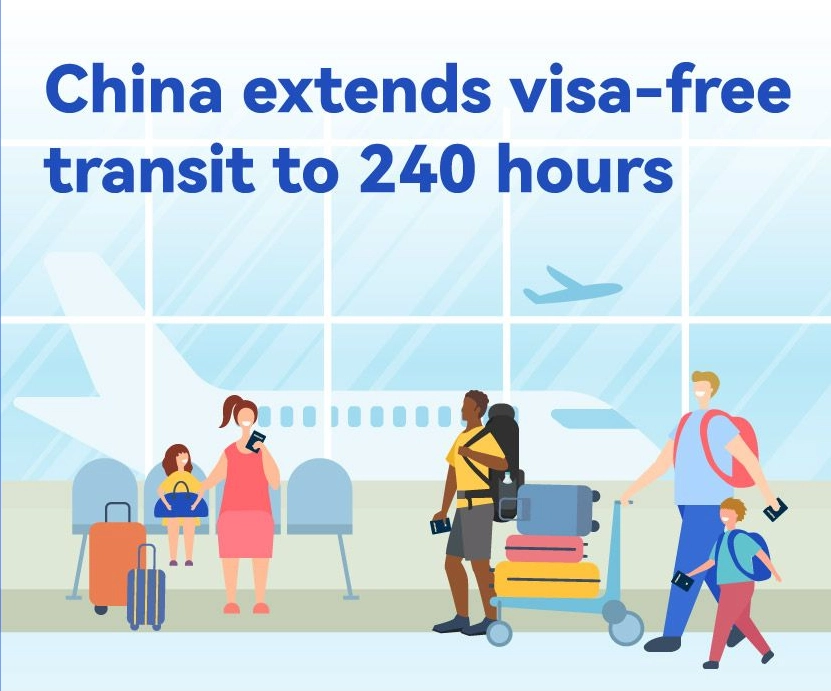
Who Qualifies for the 240-Hour Visa-Free Transit?
You are eligible if:
- You hold a passport from one of the 53 eligible countries (including US, UK, Canada, Australia, most EU nations, etc.).
- You have a confirmed onward ticket to a third country/region (not back to your home country directly).
- You will transit through one of the approved Chinese ports (airports, seaports, or land crossings).
- You will stay only within the designated area (usually a single province or a cluster of cities).
Which Cities Allow 240-Hour Transit?
The policy is region-based. You can only stay within the administrative area of the entry port. Here are the most popular options: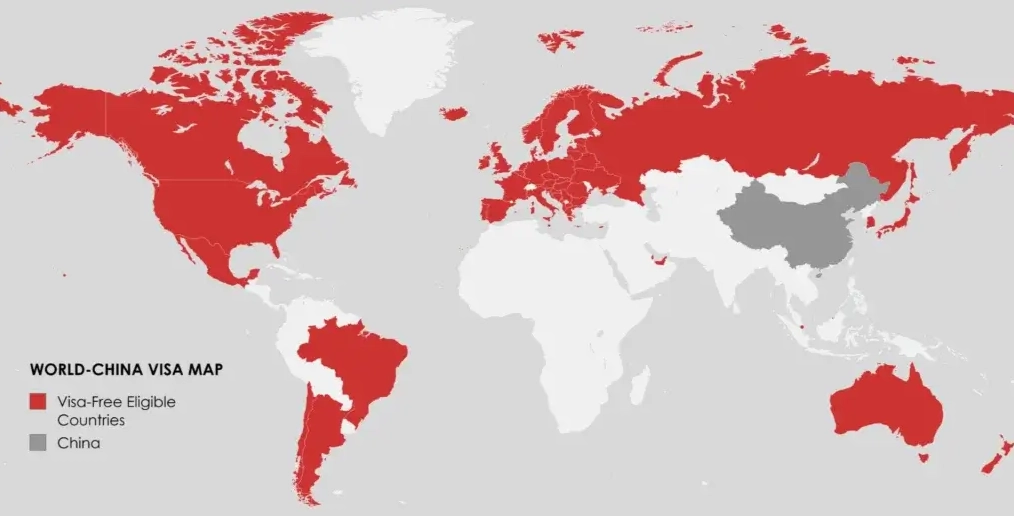
| Region | Entry Ports (Air, Sea, Land) | Allowed Stay Area |
|---|---|---|
| Beijing | Beijing Capital (PEK), Beijing Daxing (PKX), Tianjin Port, etc. | Beijing, Tianjin, Hebei province |
| Shanghai | Shanghai Pudong (PVG), Shanghai Hongqiao (SHA), Shanghai Port | Shanghai, Jiangsu province, Zhejiang province |
| Guangdong | Guangzhou Baiyun (CAN), Shenzhen Baoan (SZX), Shenzhen Port | Guangdong province (including Shenzhen, Guangzhou, Zhuhai, etc.) |
| Chengdu | Chengdu Tianfu (TFU), Chengdu Shuangliu (CTU) | Chengdu, Leshan, Deyang, Mianyang, etc. (Sichuan province) |
| Xi'an | Xi'an Xianyang (XIY) | Xi'an, Xianyang, Tongchuan (Shaanxi province) |
Step-by-Step: How to Get the 240-Hour Transit Permit
No advanced application needed. You do it all at the airport upon arrival. Here’s the exact process:
- Fill out the Arrival Card on the plane or at the immigration hall. Check the box for “Transit Without Visa (TWOV).”
- Gather your documents: Passport (valid at least 6 months), onward ticket (printed or on phone), and optionally a hotel reservation (not mandatory but helpful).
- Go to the TWOV counter (usually marked separately from regular visa lines). Hand over your documents.
- Answer a few questions: The officer may ask where you’re going, your itinerary, and your next destination. Be honest and concise.
- Get the stamp: They will stamp your passport with entry and departure dates. That’s it.
The whole process takes about 10-15 minutes if the line is short. But I’ve seen flights with 200 passengers all heading to the TWOV counter – then it can take an hour. My advice: book a flight that arrives early morning or late evening to avoid peak crowds.
Must-Know Pain Points for Foreign Travelers
Let’s talk about the stuff that drives tourists crazy. I’ll give you the fixes I use with my own clients.
Payment: Cash is Not King Anymore
China runs on Alipay and WeChat Pay. International credit cards (Visa, Mastercard) are accepted only in high-end hotels and some department stores – forget about using them at restaurants or metro stations. Solution: Before you fly, download Alipay and link your international credit card. I’ve tested it: it works for most users. Also carry some Chinese yuan for small street vendors (they rarely accept cards).
Navigation: Google Maps is Useless Here
Google Maps is blocked in China and the data is outdated anyway. Use Apple Maps (for iOS) or AutoNavi (Gaode) – but note that AutoNavi is only in Chinese. My go-to: download the DiDi app (like Uber) in English. It uses accurate local maps and you can pay with Alipay. For walking, I rely on Apple Maps – it’s surprisingly good in Beijing and Shanghai.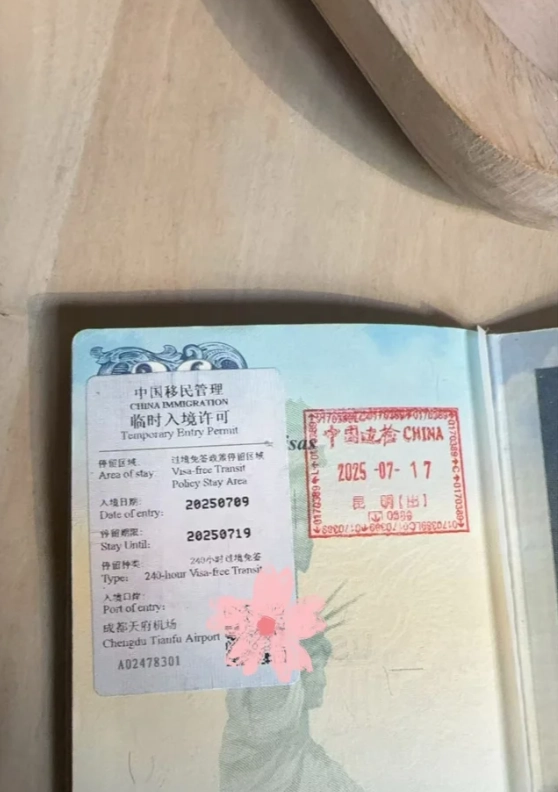
Booking: Most Attractions Need Pre-Booking
Museums, the Great Wall sections, even the Bund observation deck often require advanced reservation, especially during holidays. The official WeChat mini-programs are a nightmare in Chinese. My shortcut: Use Trip.com or Klook – both accept international cards and have English interfaces. You’ll pay a small markup but save hours of frustration.
Language & VPN
You can’t access Google, Facebook, WhatsApp, or Instagram without a VPN. Buy a VPN subscription before you come (I recommend ExpressVPN or NordVPN). Also, download Google Translate offline or Apple Translate for instant text translation. Most Chinese apps don’t have English versions, so a translation tool is your best friend.
Sample 240-Hour Itinerary: Beijing + Shanghai (Without Flying Between Them)
Since the policy restricts you to one region, here’s a smart way: fly into Shanghai, spend 5 days exploring Shanghai and nearby water towns, then take a high-speed train to Beijing? No – you can’t cross regions. Actually, you can enter through Beijing, stay 10 days within Beijing-Tianjin-Hebei, then depart. But many travelers want two cities. Here’s the hack: Some ports allow a “drop-off” if you fly into one city and out from another within the same region? For a true multi-city experience, the best bet is to use the 24-hour visa-free transit (not 240-hour) for a short layover, or combine a 240-hour entry with a separate visa for the other city. But I’ll share a realistic single-region itinerary:
Day 1-3: Beijing
- Day 1: Arrive at PEK, clear TWOV, take the Airport Express to Dongzhimen (¥25, 30 min). Check into a hotel near Wangfujing (e.g., Novotel Peace – around ¥500/night). Visit Forbidden City (book via Trip.com, ¥60). Evening: explore Wangfujing Snack Street (cash preferred).
- Day 2: Great Wall at Mutianyu (less crowded than Badaling). Take bus 916 from Dongzhimen to Huairou, then a shuttle (total ~2.5 hours). Return by 4 PM to avoid traffic. Dinner at Dadong Roast Duck (try the crispy duck, about ¥200 per person).
- Day 3: Temple of Heaven (morning, ¥35). Then Summer Palace (afternoon, ¥30). Use Didi between them (¥30-40).
Day 4-5: Tianjin (by High-Speed Train)
Take the train from Beijing South to Tianjin (30 minutes, ¥55). Visit the Italian Style Town (free) and Tianjin Eye (¥70). Stay at The Ritz-Carlton Tianjin (around ¥800/night).
Day 6-8: Option for Hebei Province
Take a train to Qinhuangdao (2 hours) to see the Old Dragon's Head (where the Great Wall meets the sea). Or skip and enjoy more time in Beijing.
Day 9-10: Departure
Fly out from PEK or Tianjin airport. Remember to confirm your onward ticket is to a third country (e.g., Japan, Korea, not your home).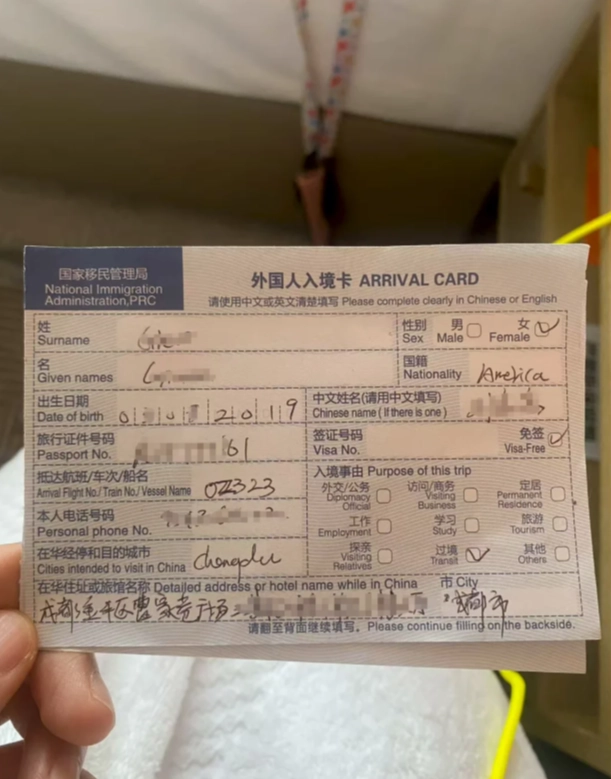
Frequently Asked Questions (Real Answers)
I have a flight from London to Shanghai, then a connection to Seoul 12 hours later. Can I leave the airport?
Yes, if you have a boarding pass for the onward flight and your passport qualifies. But your 240 hours start counting from midnight after landing. For a 12-hour layover, you actually get a 24-hour visa-free transit automatically – no need to apply for 240-hour. Just go to the TWOV counter and they’ll give you a 24-hour stamp.
Can I extend my stay beyond 240 hours on a cruise or train?
No. Extensions are rarely granted. If you need more time, apply for a regular tourist visa (L visa) before you leave. The 240-hour policy is strictly for transit and cannot be extended, except in medical emergencies with hospital proof.
Do I need a hotel booking for every night? The airline check-in staff often ask.
Technically not mandatory for the immigration officer, but airlines sometimes require proof of onward travel and accommodation. To be safe, book a free-cancellation hotel on Trip.com and print the confirmation. I’ve had clients denied boarding because they didn’t have a hotel address. Don’t risk it.
Is the 240-hour policy the same as the old 144-hour policy?
Not exactly. The 240-hour policy (10 days) is newer and applies to more ports. The 144-hour (6 days) policy still exists at some ports. Always check the official list from China's National Immigration Administration. Most major airports (Beijing, Shanghai, Guangzhou) offer 240 hours now.






I'm not someone who books big trips often, so an article like this was my security blanket. The 240-hour visa-free transit was the only reason I agreed to a 3-day layover in Guangzhou, and this guide made it feel like a mini vacation instead of a stressful logistics puzzle. I especially appreciated the practical details—getting a paper boarding pass if your phone won't scan, grabbing a local SIM card near the arrival hall, and even a couple of food suggestions near the old town. Everything in it worked for me. Genuinely grateful this exists.
Used this for my first China transit through Beijing and it was spot on. The writer doesn't just list rules; they explain how things actually work at the airport. I loved the tip about using the 24-hour transit hotel inside the terminal if you have a long layover—I booked it for a short nap and it was a game-changer. Also the QR code mention? Genius. I scanned everything at the border faster than the people who had new visas. I've already forwarded this guide to two friends. Great job.
This guide is an absolute lifesaver! I was terrified I'd mess up my 240-hour transit visa-free entry during a layover in Shanghai, but this article explained everything in such a calm, straightforward way. The part about staying within the allowed province and having a confirmed onward ticket was exactly what the immigration officer asked for. I walked past the visa counter feeling like a pro. I even used the tip about buying a refundable ticket as backup—never needed it, but the peace of mind was priceless. If you're doing any kind of China layover, read this before you fly. Highly recommend!
Overall a very solid guide. I've read a bunch of these transit articles and this one is definitely in the top three because it actually gives you a checklist. The reminder about keeping your hotel confirmation and having your next flight ticket ready on your phone saved me a few headaches at Shanghai Pudong. I only wished it went into more detail about how the 240-hour clock works with flight delays. I checked and rechecked the math myself because the guide just gave one example. Still, I cleared immigration fine, so I can't complain too much. 4 stars.
I really wanted to love this because the 240-hour visa-free thing is a lifesaver, but the guide felt a bit too surface-level. It explains the basics well, but I had to dig through the comments to figure out whether I could fly out of Shanghai if my arrival was in Beijing. The answer ended up being yes, but the article itself never made that clear. Also, the part about proving onward travel gave me a scare—it didn't explain what counts as proof. I managed in the end, but only thanks to a very patient airline agent. Fine for a first read, but not the complete resource I hoped for.