 Ming Yang
What You'll Find Inside
I once had a client who almost cried. He followed a 3-day itinerary from a popular blog, rushed from Lijiang to Shangri-La, spent one day at Pudacuo and the next at the monastery, then tried to hike to a glacier. Altitude sickness hit him hard – he spent his last day in a hotel room with a headache and nausea. That's when I realized most online guides miss one crucial thing: acclimatization is not optional at 3,300 meters.
This Shangri-La 4-day itinerary is built around avoiding that mistake. It's the exact plan I've used with dozens of foreign travelers over the years – paced, practical, and packed with local knowledge that no blog will tell you. I'll show you how to get the most out of this stunning Tibetan plateau without getting sick, overpaying, or wasting time.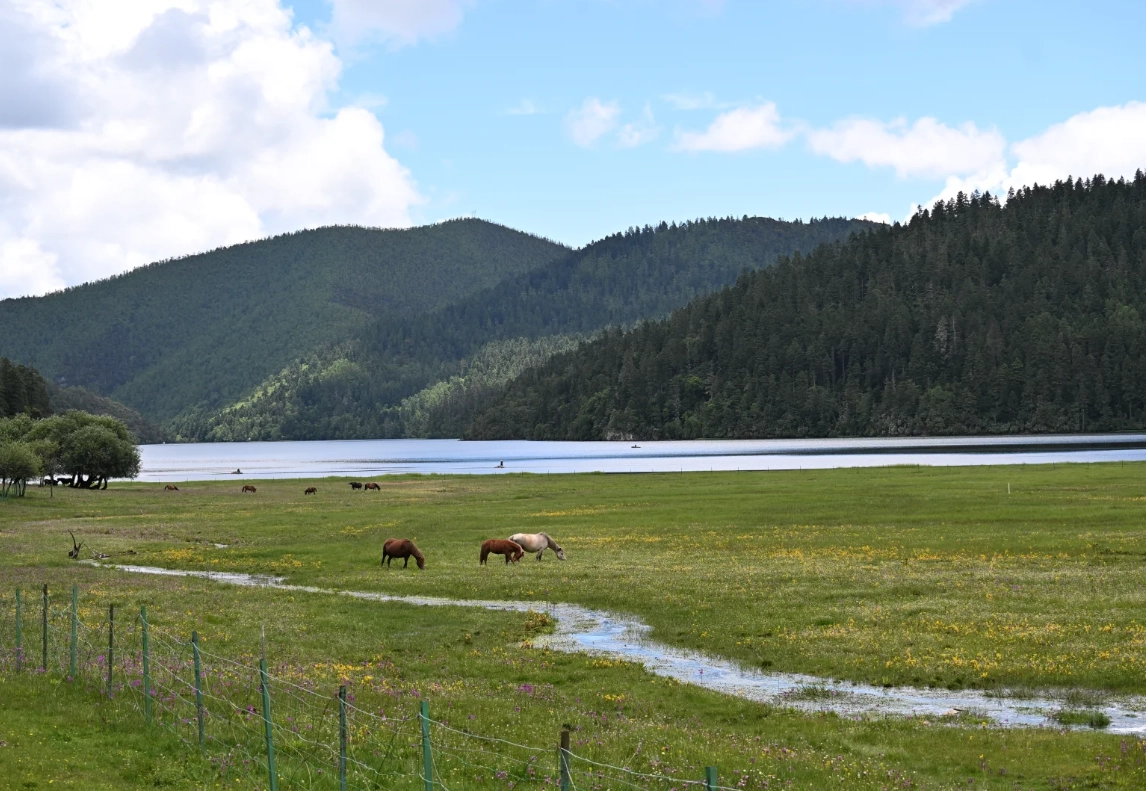
Why 4 Days Is the Sweet Spot for Shangri-La
Three days is too rushed for proper acclimatization, and five days gives you more downtime than most visitors need. Four days lets you experience the three main highlights – Songzanlin Monastery, the old town, and Pudacuo National Park – with buffer time for altitude adjustment or bad weather. Most foreigners fly into Diqing Shangri-La Airport (DIG) from Kunming or Chengdu. Pro tip: book a flight arriving before 2 PM so you have the afternoon to rest, not sightsee.
Let's be honest: the first 24 hours above 3,000 meters are the hardest. Your body needs time to produce more red blood cells. I always tell my guests: “Your only job on day one is to breathe, drink water, and take a slow walk.” No temples, no parks – just settle in.
Day 1: Arrive & Acclimate the Right Way
Getting to Your Hotel
From the airport, take a taxi (fixed price around ¥50-60, ~20 minutes). Do not use Didi (Chinese Uber) because drivers near the airport often cancel on foreigners – cash or Alipay works fine for taxis. Most hotels in the old town (Dukezong) are inside a pedestrian zone, so ask the driver to drop you at the nearest vehicle-accessible point. I recommend booking a hotel with an elevator – carrying luggage up steep Tibetan-style stairs at altitude is brutal.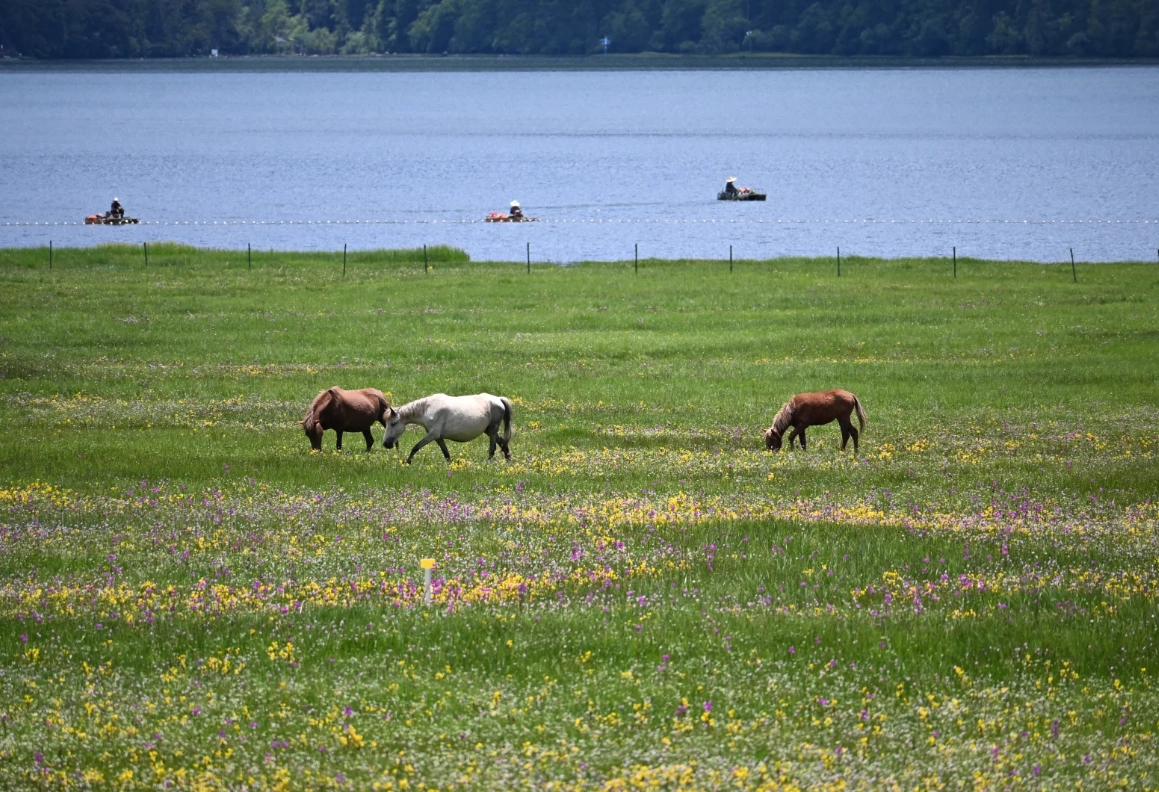
Altitude Management – Do This, Not That
Drink at least 2 liters of water. Avoid alcohol and heavy meat dishes on the first night. Walk slowly. If you feel a headache, take acetaminophen (Tylenol), not ibuprofen – ibuprofen can mask worsening symptoms. Insider advice: many local pharmacies sell “Gaoyuan An” (高原安), a Tibetan herbal supplement that helps acclimatization. I buy a box for every guest. Cost: about ¥30.
Evening: Gentle Walk in Dukezong Old Town
Around 4 PM, take a slow stroll through the old town. It's free. The cobblestone lanes twist around the massive prayer wheel on the hill. Do not climb to the prayer wheel today – that's a steep 10-minute climb that can trigger altitude sickness. Just explore the lower streets, watch Tibetan women spin their prayer beads, and grab a light dinner. I love Yak Momo (yak meat dumplings) at a tiny place called Yak Cafe (Google Maps: 28.9079, 99.7068). They have an English menu and accept Alipay. Cash works, but international credit cards? Only at large hotels.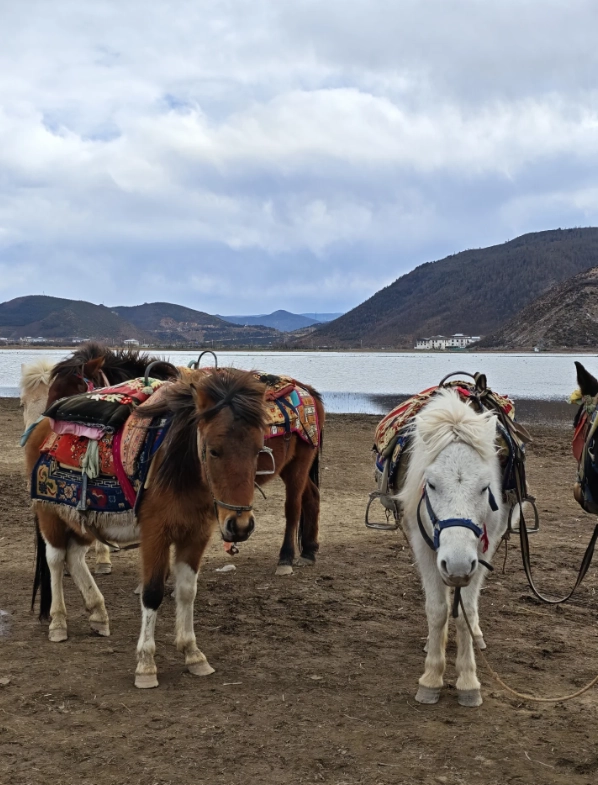
Day 2: Songzanlin Monastery & Old Town Deep Dive
Start at 8:30 AM – the monastery opens at 8:00 and gets crowded by 10:30. Take a taxi from Dukezong (¥15-20, 10 minutes). Buy tickets at the gate (¥90 per adult; show your passport for the discount? No discount for foreigners, sorry). You must book in advance via Trip.com or WeChat mini-program. I use Trip.com because it's in English and accepts international credit cards. You need your passport number for booking.
Inside the Monastery
The main hall is jaw-dropping – golden statues, yak butter candles, and chanting monks. Photography is banned inside. Guards will shout at you if they see a phone. Outside, you can take pictures of the whitewashed buildings. The best shot is from the parking lot looking up. Spend about 2 hours. If you feel dizzy, sit on the benches near the ticket office – it's a sign you pushed too hard.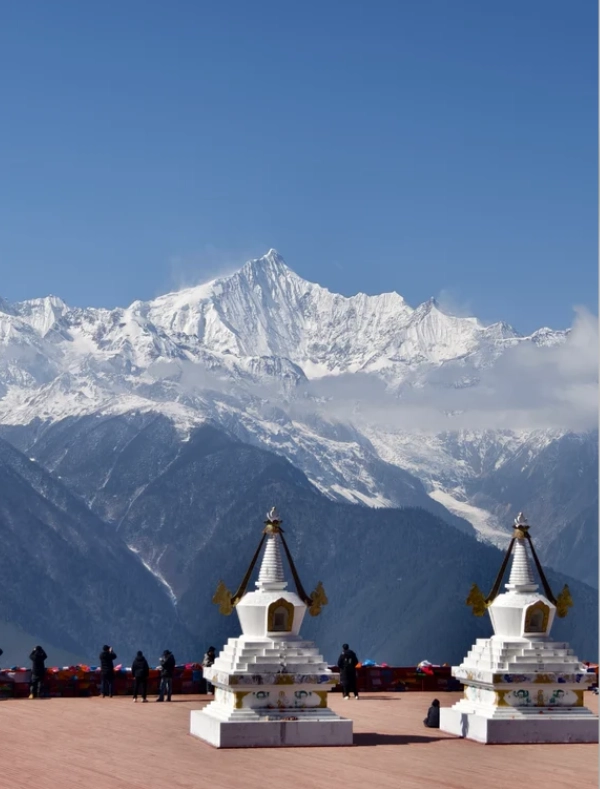
Lunch: Tibetan Hot Pot
Head back to old town for lunch. I always take my group to Mingyue Restaurant (Google Maps location: near the east gate). Their yak meat hot pot (¥88 per person) is perfect for altitude – warm, hydrating, and protein-rich. They accept Alipay/WeChat, not credit cards. Vegetarian option available. Ask for “su shi huoguo” (素食火锅).
Afternoon: Prayer Wheel & Local Market
Now your body is ready for the prayer wheel climb. It's 108 steps – take it slow. At the top, you'll see a massive golden prayer wheel (the largest in the world). Spin it three times clockwise for good karma. Sunset is around 5:30 PM; come back at 5 PM for golden light on the old town rooftops. After descending, wander through the market near the white pagoda. Buy a khata (silk scarf) for ¥15-20 – bargain hard, starting price is usually ¥50.
| Activity | Cost | Time Needed | Payment Method |
|---|---|---|---|
| Songzanlin Monastery | ¥90 | 2-3 hours | Alipay/Trip.com |
| Prayer Wheel | Free | 30 min | N/A |
| Old Town Walk | Free | As you like | N/A |
Day 3: Pudacuo National Park – The Real Gem
This is the highlight of your Shangri-La 4-day itinerary. Pudacuo is a pristine alpine lake and forest reserve. It's 30 km from the city, about 40 minutes by taxi (¥80-100). You must pre-book tickets (¥138 entrance + ¥70 shuttle bus). Again, Trip.com is your friend. Passport required.
What to Do Inside
The shuttle bus has two stops: Shudu Lake and Bita Lake. I recommend starting at Shudu Lake, walking the 3.3 km boardwalk (easy, flat, takes 1.5 hours). Then take the shuttle to Bita Lake – hike the 2.5 km trail through rhododendron forest. Beware of marmots! They are cute but carry fleas – don't touch them. Best photo spot: the wooden bridge over the stream at Bita Lake, around 11 AM when the sun hits the water.
Bring your own lunch – the only restaurant at the park is overpriced and underwhelming (¥50 for a bowl of noodles). Pack yak jerky and dry fruit from the market. I always bring a thermos of tea; altitude makes you dehydrated faster.
Day 4: Flexible – Hike, Culture, or Rest
Your last day depends on your energy. Option A: Nabula Lake (纳帕海) – a seasonal wetland. Take a taxi (¥60, 20 minutes). Walk around the lake for 2 hours. Admission is ¥30. Best in the morning when birds are active. Option B: Local Family Visit – I can arrange for you to visit a Tibetan family's home near the old town. They offer butter tea and homemade yogurt (about ¥100 per person). Contact me via the blog comments. Option C: Rest and shopping – pick up Tibetan silver (beware of fakes) or thangka paintings. Never buy from the big souvenir shops near the parking lot; they charge 3x the price. I recommend a small shop called "Tibetan Art & Craft" on the north side of the old town.
Leaving Shangri-La
If you're flying out, plan to be at the airport 1.5 hours before departure. The airport is small. Taxis wait outside your hotel. If you're taking the bus back to Lijiang (4 hours, ¥80), buy tickets a day in advance at the bus station (west of old town). Cash only for bus tickets.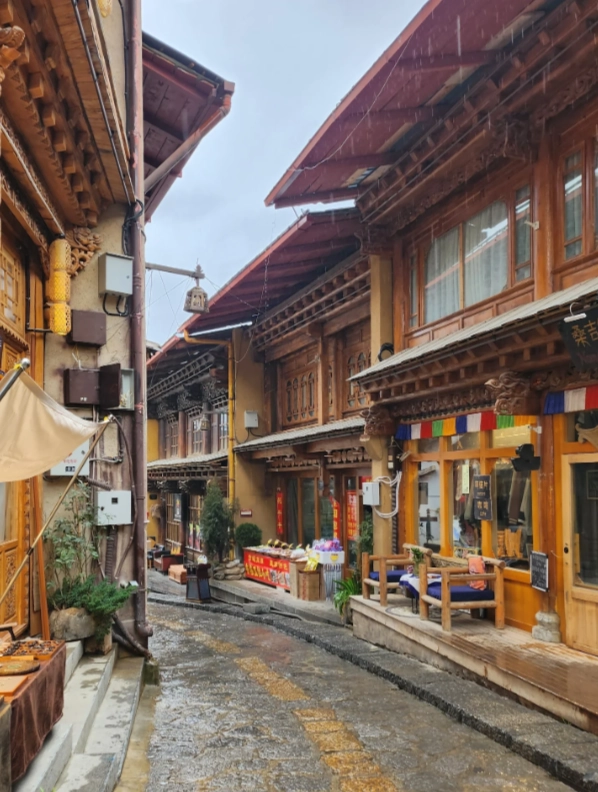
FAQ: Your Shangri-La Questions Answered
This content has been fact-checked to ensure informational precision. Prices and policies may change; always verify with official sources before travel.






We used this itinerary for our honeymoon and it was perfect! The directions to skip the horse carriage at the lake saved us from a tourist trap — we just walked along the western trail and had a picnic with a view. The altitude recommendation to drink warm salt water in the morning? Weird but we both felt fine. Every stop was well-organized. Already recommended it to our friends.
As a solo traveler, I was nervous about altitude sickness. This guide made it feel manageable. The tip about not using the hotel oxygen bottle at minor headaches was hard to follow, but I trusted it and after 2 days I was great. The hidden viewpoint they mentioned for the old city at sunset was magical — I had the entire roof terrace to myself. Worth every minute.
The itinerary has good intentions, but we had some issues. The rest-day advice was helpful, but the suggested hotel area was noisy at night and the tea house they listed was closed for renovation when we went. Also, the route to Napa Lake had a confusing turn and we ended up at a random entrance that charged us extra. Not terrible, but I'd adjust expectations if you follow it strictly.
Solid itinerary overall. Good mix of culture and nature. We skipped the heavy tourist spots and found some quiet alleys in Dukezong. The pacing was manageable, though day 3 felt a bit rushed with the temple and lake in the same afternoon. Could use a few more food options too. But we never felt lost and the altitude tips were practical. Would give 4.5 if possible.
Just came back from Yunnan and this itinerary was spot on. We followed it exactly and managed to avoid the crowds at Songzanlin by going early. The altitude advice about going straight to the hotel and resting the first day saved me — I was dizzy but not full blown sick. Loved the little tea house they recommended for butter tea, and the walk through Old Town felt authentic. Highly recommend for first-timers!