 Ming Yang
Quick Navigation
Let me guess—you've booked 4 days in Shangri-La and now you're wondering if that's enough. Honestly, it's perfect. Not too rushed, and you can actually breathe the thin air without collapsing. I've guided dozens of groups here, and the biggest mistake? Following generic advice that treats Shangri-La like a checklist. Let me fix that.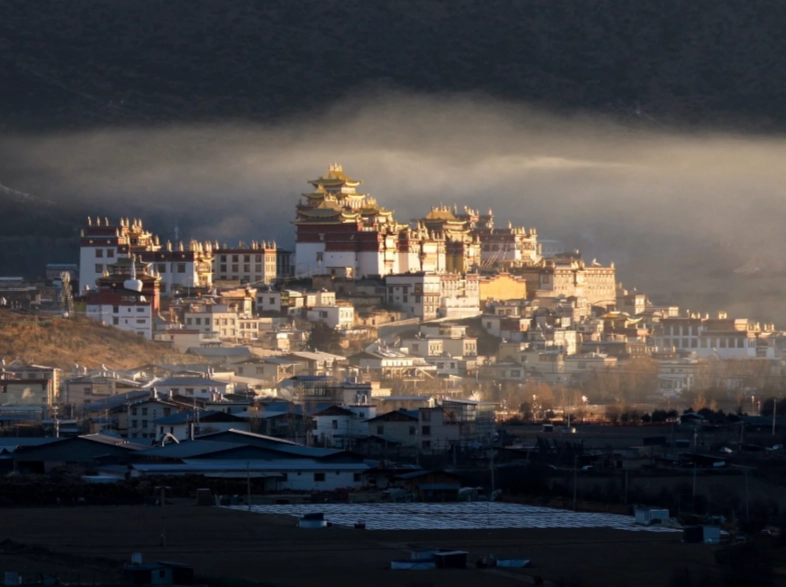
Why 4 Days in Shangri-La Hits the Sweet Spot
Most tours squeeze everything into 2 or 3 days, leaving you breathless—literally. Altitude sickness kicks in, and you end up staring at monastery walls from a taxi. With 4 days, you get one full day for arrival acclimatization, two for core sights, and one for a flexible side trip. Plus, you can actually enjoy a slow breakfast at a local zang café.
Day-by-Day Breakdown
Day 1: Arrival & Old Town Immersion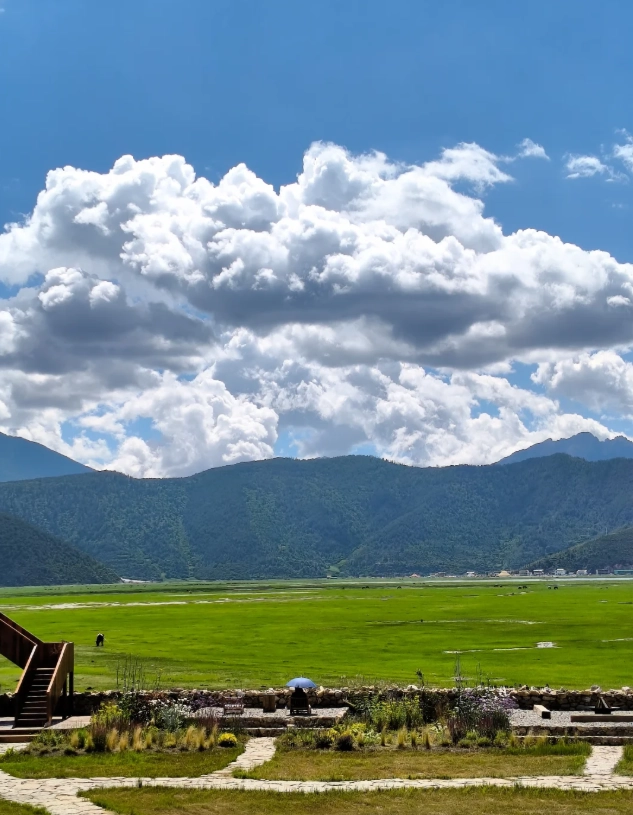
Land at Diqing Shangri-La Airport (DIG)—it's tiny but charming. Skip the taxi sharks; use DiDi (Uber-like app) or ask your hotel to arrange a pickup. Cost: around ¥40 to the old town. Check-in, then resist the urge to nap. Walk slowly to Dukezong Old Town—a maze of cobblestone alleys and Tibetan-style houses.
Pro Tip: Head straight to the Giant Prayer Wheel on the hill. It's a 15-minute gentle climb (good for altitude test). Spin it three times clockwise—locals say it brings luck. Dinner at Argok Restaurant (address: 20 Jinshan Rd, Dukezong; Google Maps doesn't work here, so use Apple Maps or ask your hotel to write the Chinese name: 阿若康巴). Try the yak meat hotpot—slightly gamey but warming. Cash is accepted, but most places prefer WeChat Pay. If you only have international credit cards, bring enough cash for meals (about ¥100 per person).
Insider Advice: Don't go to the prayer wheel at sunset—everyone does. Go at 7 a.m. instead. You'll have the whole hill to yourself, and the morning light paints the old town gold.
Day 2: Songzanlin Monastery & Tibetan Culture
Songzanlin Monastery (also called Ganden Sumtseling) is a 20-minute drive from the old town. Take a taxi for ¥30–40. Admission is ¥90 (adult) and requires your passport for booking. Reserve via Trip.com or the official WeChat mini-program (if you can navigate it—ask your hotel receptionist to help; they're used to this). Open 8:00–18:00, but last entry is 17:30. Plan for 3 hours.
What to look for: The main assembly hall has massive thangkas (Tibetan scroll paintings). Photography is allowed in courtyards but not inside temples. Dress modestly—cover shoulders and knees. The monks here are friendly; a simple “Tashi Delek” (hello) goes a long way.
Lunch: Try Tibetan Momo House near the monastery (address: 17 Jiantang Rd). Their steamed momos (dumplings) with yak cheese are addictive. ¥25 for 10 pieces. The owner speaks little English but has a picture menu. Point and smile.
Afternoon: Visit the Shangri-La Tibetan Medicine Museum (free, but they'll try to sell you herbs—just say “no thanks”). For a real cultural hit, book a thangka painting workshop at Thangka Art Center in Dukezong (around ¥200 for 2 hours). You'll learn the basics and keep a small souvenir.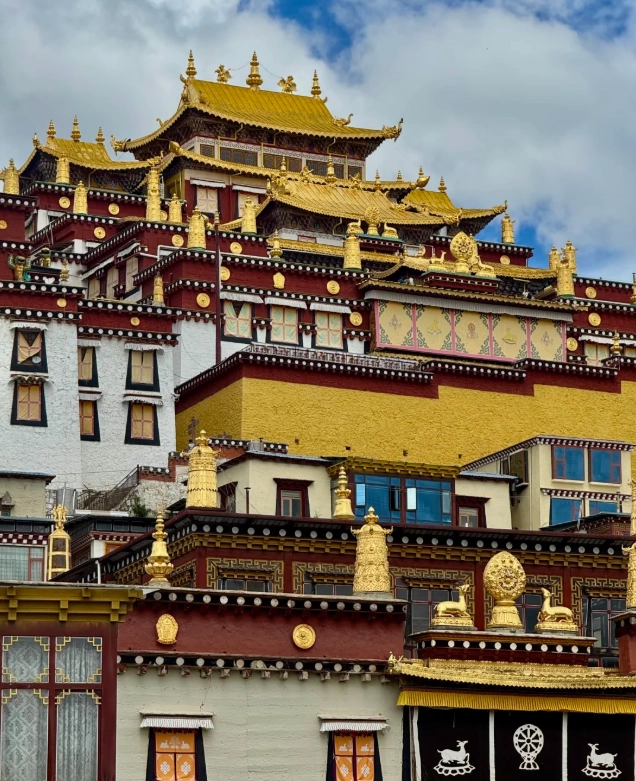
Day 3: Pudacuo National Park – the Real Highlight
Pudacuo National Park is the crown jewel. It's 22 km from town; take the special bus from the park's visitor center (you can't drive your own car in). The bus runs every 30 minutes from 7:30 to 16:00. Entry: ¥100 + bus ¥60 = ¥160 total. Pre-book on Trip.com or Klook with your passport.
The park has two main sections: Shuduhu Lake (a pristine alpine lake) and Bhitahai Lake (a wetland). Most tourists take the bus to Shuduhu first, then walk the 2.5 km boardwalk—it's flat and easy. Bhitahai requires a 40-minute bus ride; you can also cycle (bike rental ¥50 for 1 hour).
My honest take: Shuduhu is more photogenic, especially the reflection of the surrounding mountains. But Bhitahai is where you spot black-necked cranes in winter. If you're short on time, just do Shuduhu and skip the cycling—it's exhausting at 3,500m altitude.
Pro Tip: The park's ticket office line can stretch 30 minutes. Arrive by 8:00 a.m. to be among the first. Also, bring your own snacks—the on-site restaurant is overpriced (¥50 for a simple noodle bowl).
Return to town by 4 p.m. Rest, then head to Taboo Tibetan Restaurant (address: 18 Dukezong Old Town) for dinner. The yak pizza sounds weird but works—creamy cheese with dried yak meat. ¥80 for a 12-inch. They accept Alipay and WeChat only.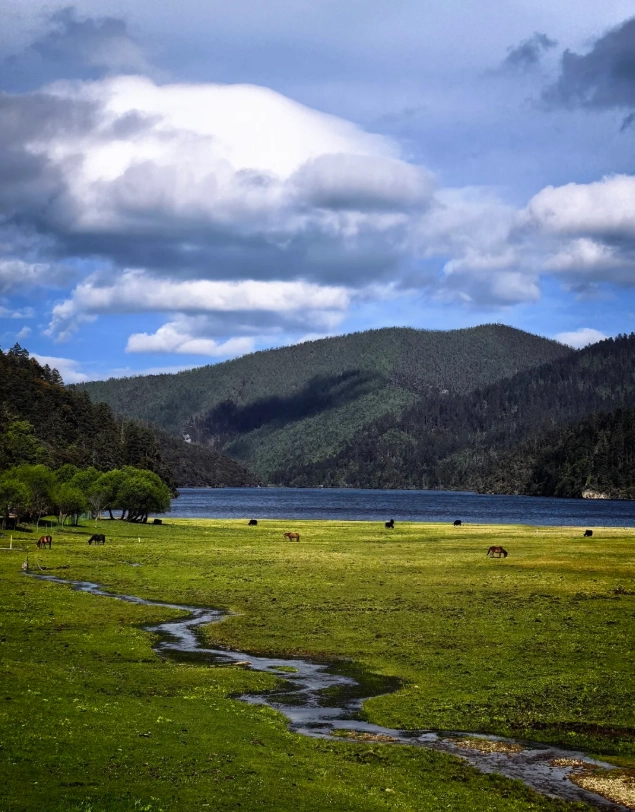
Day 4: Tiger Leaping Gorge or Napa Lake? Choose Wisely
Option A: Tiger Leaping Gorge (if you're fit and have a full day). It's a 2-hour drive from Shangri-La; hire a private car or join a mini-bus tour (around ¥300 per person from Trip.com). The gorge is stunning—one of the deepest in the world. The middle section (where the roaring river is closest) requires about 3 hours of hiking on uneven trails. Not recommended if you have knee problems.
Option B: Napa Lake (if you want an easy morning). It's only 30 minutes north of town. A taxi round trip costs ¥100–120. The lake is seasonal—in summer it's a vast wetland with yaks grazing; in winter it's a dry grassland. You can walk along the wooden boardwalk for free. It's peaceful, but don't expect a deep blue lake—that's only in photos.
My advice: If you've never seen a gorge like this, go for Tiger Leaping Gorge. You'll thank me later. If you're already tired from the past three days, Napa Lake is a relaxing breather.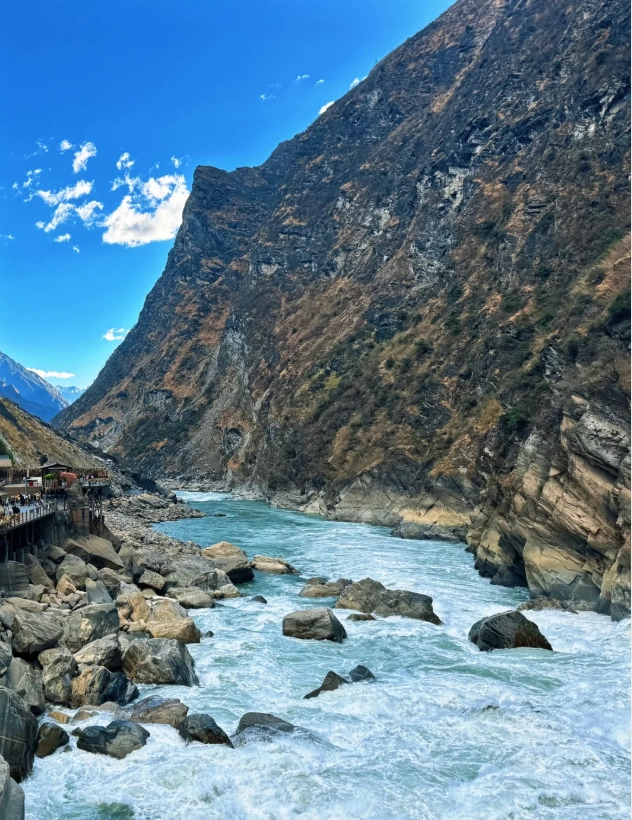
Where to Stay in Shangri-La (With Honest Reviews)
| Hotel Name | Distance to Old Town | Price (USD/night) | Best For |
|---|---|---|---|
| Songtsam Retreat | 10 min walk | $80–150 | Luxury & Tibetan design |
| Shangri-La Meiya Inn | Inside old town | $30–60 | Budget & central location |
| Jiantang Hotel | 5 min drive | $40–70 | Families (has elevator) |
Notes: All three have stable Wi-Fi, but the connection can be slow during peak hours (7–9 p.m.). Songtsam Retreat has a Tibetan-style wooden building—no elevator, so if you have heavy luggage, request a ground-floor room. Meiya Inn's walls are thin; bring earplugs. Jiantang Hotel has a helpful front desk that speaks basic English.
Essential Tips for Foreigners in Shangri-La
Payment & Connectivity
Bring cash. Many small restaurants and taxis don't accept international credit cards. Alipay works if you've linked your foreign card, but some mom-and-pop shops only take WeChat Pay (which requires a Chinese bank account). Always ask: “Alipay?” If they shake their head, pay in cash. Also, install a VPN before you arrive—Google, Facebook, Instagram, WhatsApp are blocked without it. Buy a local SIM card at the airport (China Unicom or China Mobile) for around ¥100 with 20GB data; or use a pocket Wi-Fi (available on Klook).
Navigation & Transportation
Google Maps is useless here. Download Apple Maps (it works decently) or use Amap (highly accurate but Chinese-only; have your hotel write the destination in Chinese). For taxis, DiDi is the safest. Most taxi drivers don't speak English—show the Chinese address on your phone. Example: 独克宗古城 (Dukezong Old Town).
Altitude Sickness – Don’t Ignore This
Shangri-La sits at 3,300 m. Symptoms include headache, nausea, and dizziness. My non-negotiable rules: Day 1, no alcohol, no hiking, no hot showers (vasodilation worsens symptoms). Drink plenty of water. Buy a can of oxygen (¥20 at any pharmacy) and use it if needed. If you feel very ill, go to the Diqing People's Hospital (they have an altitude sickness clinic). For prevention, start taking Diamox (acetazolamide) 24 hours before arrival—it's prescription-only in some countries, but you can buy it over the counter at local pharmacies (ask for “Gao Yuan Kang”).
Frequently Asked Questions
This content has been fact-checked to ensure informational precision. All prices and details reflect the most current available data at the time of writing. However, always confirm with official sources before travel.






I read this on the plane coming into Diqing and it completely changed my approach. Instead of booking a tour bus to the big scenic spots, I rented a bicycle and followed the back road route the author described – passed through tiny villages where kids waved and old women were drying yak meat on rooftops. The 4-day pacing was perfect, not rushed. Only wish the author had included more info on altitude sickness prep for someone like me from sea level. Still, 5 stars.
This article is a gem. I’ve been to Shangri-La twice before and always felt trapped in the commercial zones. The author’s tip to visit Tashiding Monastery at 6 AM instead of noon? Life-changing. I had the entire courtyard to myself, just monks sweeping and the sound of wind chimes. The list of local dishes to try (especially the cold buckwheat noodles) was spot-on. Shared it with my hiking group and we all agreed – it’s the only guide you need.
Honestly, I was pretty disappointed. The article talks a lot about “seeing the real Tibet” but then recommends a bunch of hotels and restaurants that are totally westernized. I followed the suggestion for a homestay and ended up in a place that felt more like a hostel with Tibetan decorations. Also, the hiking trail directions were vague – I got lost twice. If you’re a first-timer, maybe this helps a bit, but for experienced travelers it’s surface-level.
Solid read but a bit too rosy for me. The writer makes it sound like every hidden path is empty and peaceful, but when I went, some of the “secret” spots were already crowded with other tourists who had read the same article. Still, the advice on bargaining at local markets saved me at least 50 yuan, and the section on how to spot a fake prayer wheel was useful. Just manage expectations – it’s not as secluded as the article claims.
I’ve been planning a trip to Tibet for years and this article finally gave me the confidence to book it. The author’s tips on skipping the overpriced souvenir shops and heading straight to the local tea houses were gold. I followed the 4-day itinerary exactly and felt like I actually saw real life in Shangri-La, not just the tourist facade. The descriptions of the morning prayer flags fluttering in the cold air made me tear up—it was exactly that way. 100% recommend to anyone who wants an honest experience.