 Chen Liu
Quick Navigation
I've been guiding tours in Haikou for nearly a decade. Over the years, I've seen too many travelers show up in the wrong month—drenched in sweat, stuck in a typhoon, or paying triple for a hotel. So let me cut through the noise: the absolute best month to visit Haikou is November. Here is why—and how to avoid the mistakes most tourists make.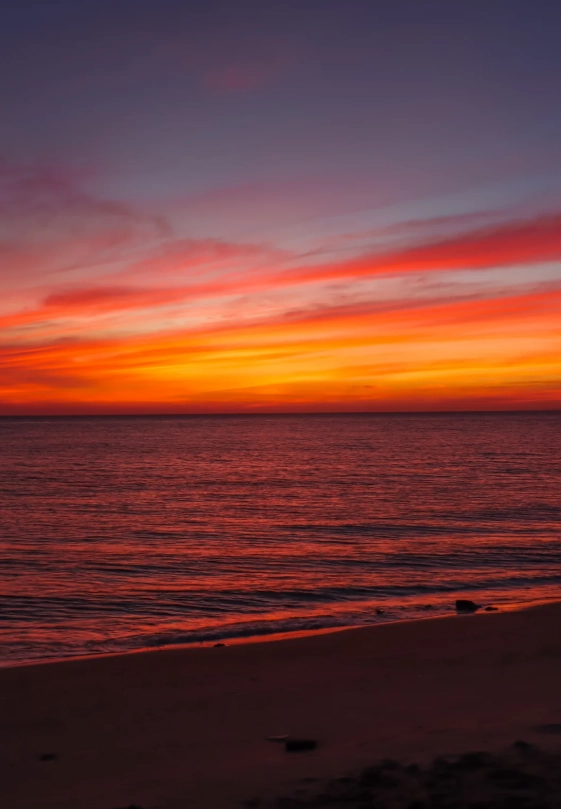
Why Timing Matters in Haikou
Haikou has a tropical monsoon climate. That means two distinct seasons: a dry season (November to April) and a rainy season (May to October). But the 'dry season' isn't all sunshine. January can be surprisingly chilly (down to 15°C) and many hotels lack heating. The rainy season brings not just rain but also typhoons, high humidity, and even flooding in some low-lying areas. Most online guides simply say 'avoid summer,' but that's not detailed enough. Let's get specific.
The Worst Months to Visit Haikou (And Why)
If you can only pick one month to absolutely avoid, make it July or August. These are peak typhoon months. I once had a group stuck in the hotel for two days because of Typhoon Rammasun. Not fun.
June and September are close seconds—still hot (35°C with humidity) and prone to sudden downpours. October? It's the tail end of the rainy season. The ocean is often rough, and many water activities are suspended. Plus, the 'Golden Week' holiday (first week of October) jacks up prices and crowds everywhere.
February can be tricky too. It's cool, but the famous 'Haikou fog' can ruin your beach plans—visibility drops, and everything feels damp.
The Best Month: November
Here's why November is the sweet spot:
- Weather: Average 22-28°C, low humidity, almost no rain. Blue skies and gentle sea breezes—perfect for beach days.
- Crowds: No major Chinese holidays. You get the 'shoulder season' advantage: fewer tourists, lower prices.
- Activities: Ideal for outdoor explorations like Qilou Old Street, Volcanic Cluster Geopark, and the beaches. Even the water sports are generally open (though always check local forecasts).
- Accommodation: You can score a 4-star hotel near the beach for around 300-400 RMB per night. Compare that to 600+ in January or February.
One insider tip: November is also the tail end of the 'winter' season for Hainanese locals—they don't consider it cold yet, so many attractions have full operating hours without winter closures.
What About December to February? (Winter Escape)
These months are popular with domestic tourists escaping northern China's cold. That means crowds and higher prices. The weather is comfortable (18-25°C), but be prepared for occasional cold snaps and drizzle. Many budget hotels don't have reliable heating—I've had clients complain about chilly rooms. If you do come in winter, book a hotel with central air conditioning (heating mode) and bring a light jacket.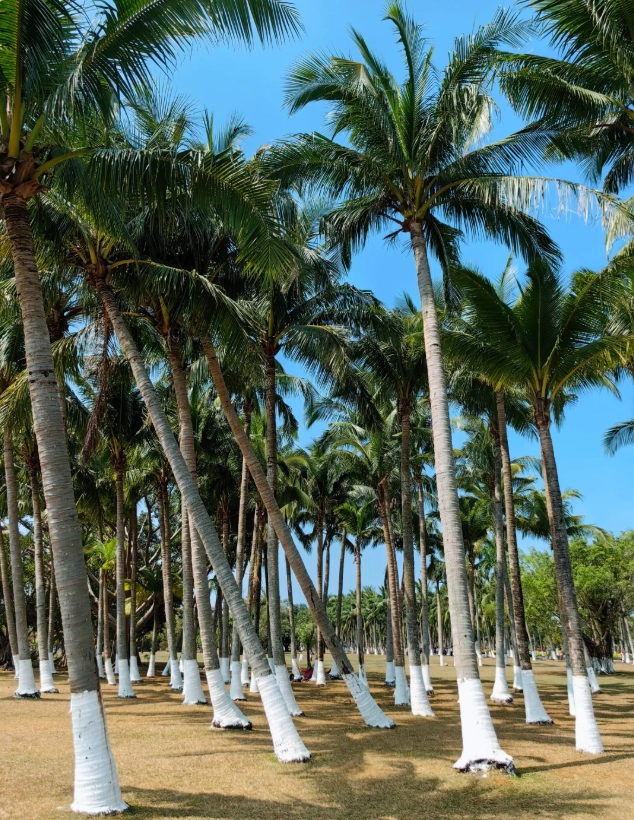
March to May: The Shoulder Season Trap
March is pleasant, but April and May heat up quickly. By May, temperatures hit 32°C+ with rising humidity. It's not yet the full rainy season, but afternoon thunderstorms become common. Not the best for a relaxing vacation. Plus, the May Day holiday (first week of May) brings crowds and higher prices.
June to October: Rainy Season Survival Guide
If you can only travel during this period, here is how to survive: stay in Haikou's downtown area (e.g., Guomao or Binhai area) for easy access to indoor attractions like museums and shopping malls. Always carry a travel umbrella. Check the weather forecast daily—typhoons can develop quickly. Plan activities in the morning (usually less rain) and have a backup indoor plan. Avoid going to the seaside during typhoon warnings—I've seen tourists ignore warnings and get stranded.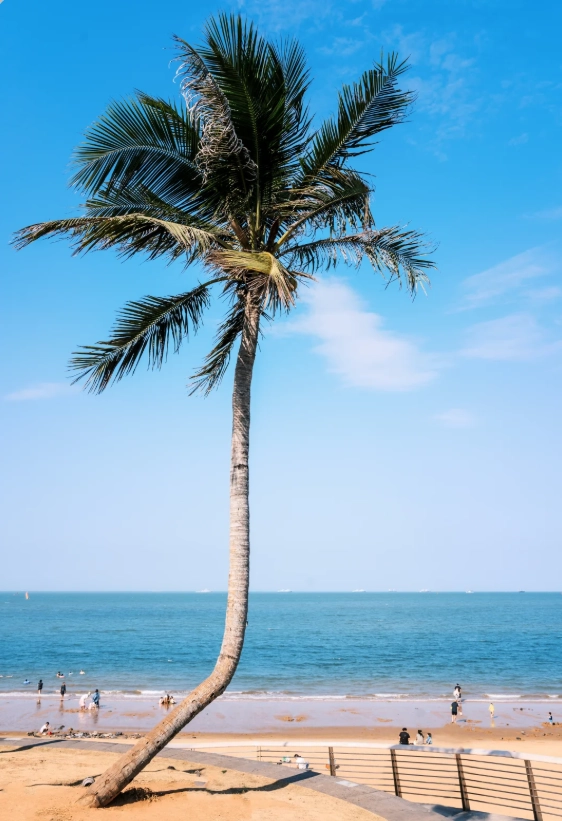
Quick Comparison Table
| Month | Avg Temp (°C) | Rainfall (mm) | Crowds | Price Level | Verdict |
|---|---|---|---|---|---|
| January | 15-20 | 35 | High | $$$ | Cool, foggy |
| February | 16-22 | 45 | High | $$$ | Fog risk |
| March | 19-25 | 50 | Moderate | $$ | Pleasant |
| April | 23-29 | 75 | Moderate | $$ | Heating up |
| May | 25-32 | 150 | Moderate | $$ | Humid, storms |
| June | 26-33 | 220 | Low | $ | Rainy, typhoon risk |
| July | 26-34 | 250 | Low | $ | Wettest, typhoon peak |
| August | 26-34 | 240 | Low | $ | Typhoon peak |
| September | 25-31 | 200 | Low | $ | Transitional, still wet |
| October | 22-28 | 130 | High (Golden Week) | $$$ | Tail end of rain, busy |
| November | 20-26 | 30 | Low | $ | Best month |
| December | 17-22 | 25 | Moderate | $$ | Cool and dry |
24-Hour Itinerary in November (Sample)
Assume you arrive at Haikou Meilan International Airport at 9 AM. You've pre-downloaded Alipay and linked your international card (most vendors accept QR codes, but carry some cash for small stalls). Grab a taxi or use DiDi (the Uber of China) to your hotel—I recommend the Hilton Haikou Meilan near the coast for easy beach access. Check in by 10:30 AM.
11:00 AM – Qilou Old Street
Address: 98-1 Bo'ai Road, Longhua District. Entrance free. This is a historic arcade street with colonial architecture. The sun isn't too intense yet. Try the local snack 'Hainan Rice Noodle' at Yaozhuang Laonian Rice Noodle (about 15 RMB). Pay by WeChat—they don't accept cash often.
1:00 PM – Lunch at Wuzhishan Restaurant
Address: 55 Binhai Avenue. It's famous for Wenchang chicken and Hele crab. Expect to spend around 150 RMB per person. They have picture menus, so pointing works. No English spoken, but staff are used to foreigners.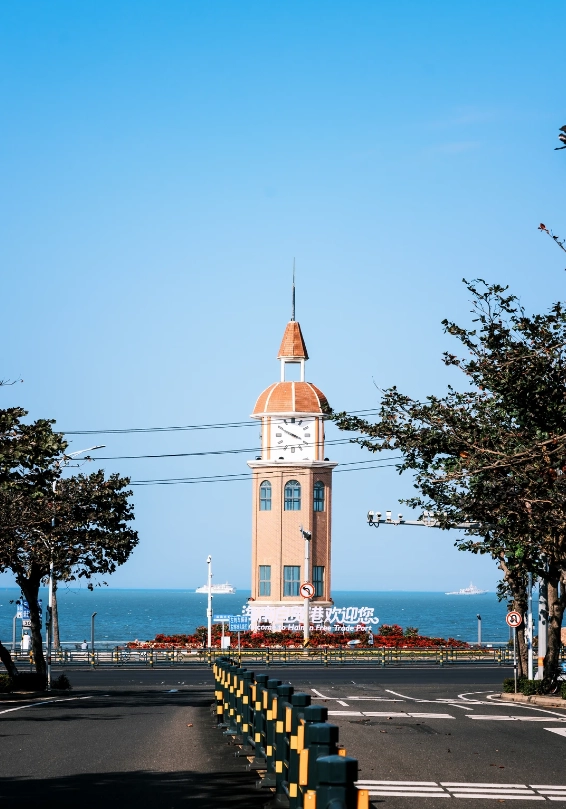
2:30 PM – Volcanic Cluster Geopark
Address: Shishan Town, Xiuying District. Take a taxi (30 mins, 50 RMB). Admission: 60 RMB (requires passport for booking—buy at ticket window, they accept cash but prefer Alipay). It's a stunning volcanic landscape with a crater. The walk is easy, but bring water. No shade on the crater rim. Spend about 1.5 hours.
5:00 PM – Holiday Beach
Address: Binhai Avenue. Free entry. November sunset is around 6 PM. Perfect time for a stroll and photos. Avoid the area north of the beach where rocks are slippery.
7:00 PM – Dinner at Seafood Street (Dongjiao Seafood Market)
Address: 62 Dongjiao Road. You pick your seafood from tanks and have it cooked at a stall. Costs vary: 100-200 RMB per person. Warning: some stalls overcharge foreigners. I always bring a local friend or use the Dianping app (in Chinese, but the ratings are reliable).
9:00 PM – Back to hotel. If you have energy, the rooftop bar at the Hilton has great views.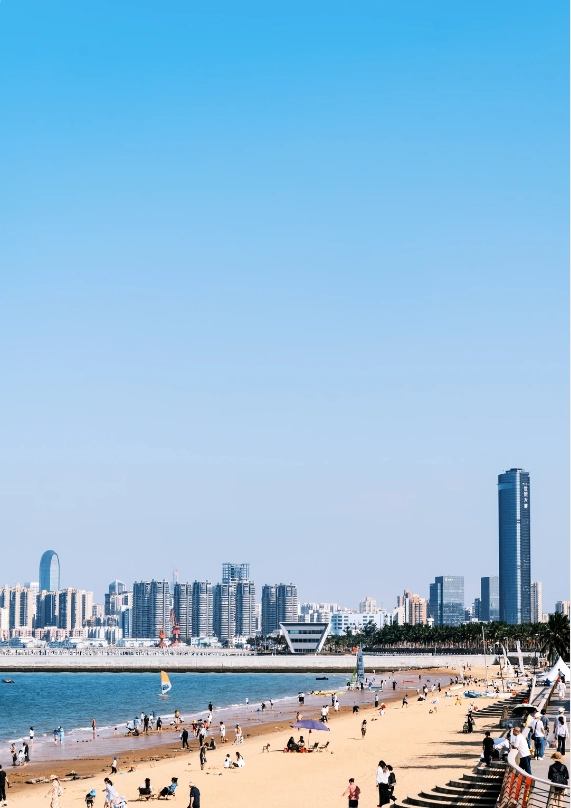
FAQ
This content has been fact-checked to ensure informational precision. All prices and conditions are based on personal experience and may vary; always confirm on official sources.







No comments yet.