 Yan Zhou
Quick Navigation
I still remember my first week in China, jet-lagged and starving, staring at a menu full of characters I couldn't read. Every dish seemed to have pork or shrimp hiding in it. The local 'vegetarian' option? Usually just a pile of oily greens with garlic. I almost gave up. But after a dozen trips and countless meals, I cracked the code. This vegan guide to China is everything I wish I had back then — no fluff, just street-smart tips that actually work.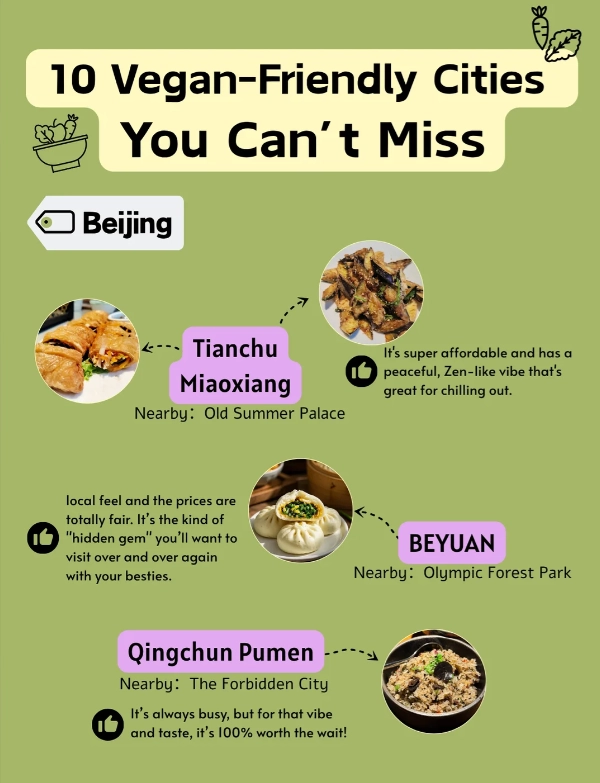
Why Veganism in China Feels Hard (But Isn't)
The real problem isn't Chinese food — it's the assumption that 'vegetable dish' means vegan. In China, many vegetables are stir-fried with lard or oyster sauce. Even 'mapo tofu' typically contains minced pork. I once ordered 'vegetable dumplings' and got pork-filled ones because the waiter assumed 'vegetable' meant 'with a bit of meat for flavor'. Frustrating? Yes. But once you know the loopholes, eating vegan in China becomes surprisingly easy — and delicious.
Hot take: Skip the fancy vegan restaurants in tourist zones. The real vegan gold is in su shi (Buddhist vegetarian) temple eateries and noodle stalls that cook everything to order. Way cheaper, and they understand 'no meat, no fish, no egg, no dairy' without you having to explain.
3 Essential Tools Before You Land
1. WeChat + Alipay (with international card linked)
Cash is nearly useless in cities now. Yes, you can survive with cash at big hotels, but street stalls and small restaurants rarely carry change. I watched a vegan friend fumble with 100 yuan notes for a 6 yuan bowl of noodles — the vendor just shook his head. Link your Visa or Mastercard to Alipay before departure. Most merchants scan your phone. If you can't get Alipay working, carry small bills (10s and 20s) and be prepared to haggle at wet markets.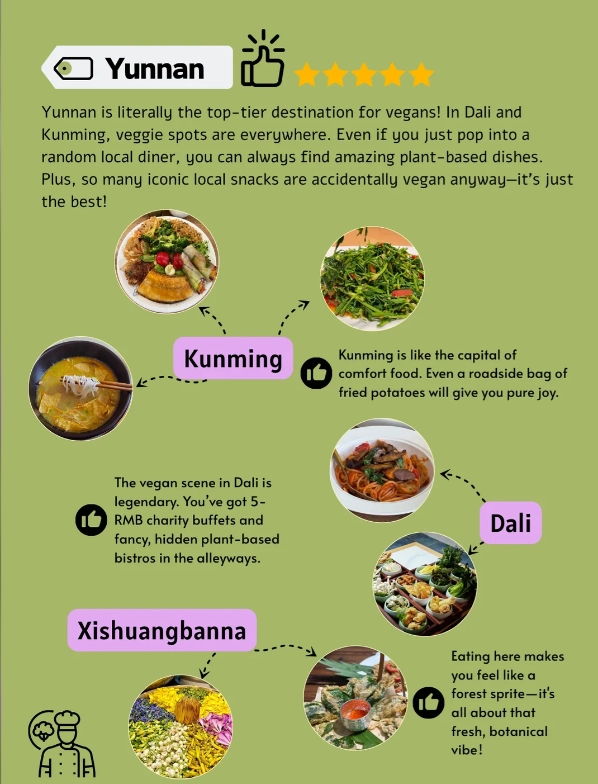
2. Reliable VPN + Translation App
Google Maps? Blocked. Google Translate? Spotty without a VPN. Install a solid VPN (Astrill or ExpressVPN) before you leave. For offline translation, download Apple Translate or Baidu Translate (it's more accurate for food terms). I always have a screenshot of the vegan Chinese phrase card that I'll share later.
3. Apple Maps or Gaode Maps (highly recommend)
Apple Maps actually works in China and uses local data. Gaode Maps (高德地图) is the app I live by — but it's Chinese-only. If you need to tell a taxi driver where to go, have the Chinese address written out. Here's a pro move: take a screenshot of the restaurant's name in Chinese from Dianping or Google Maps before heading out.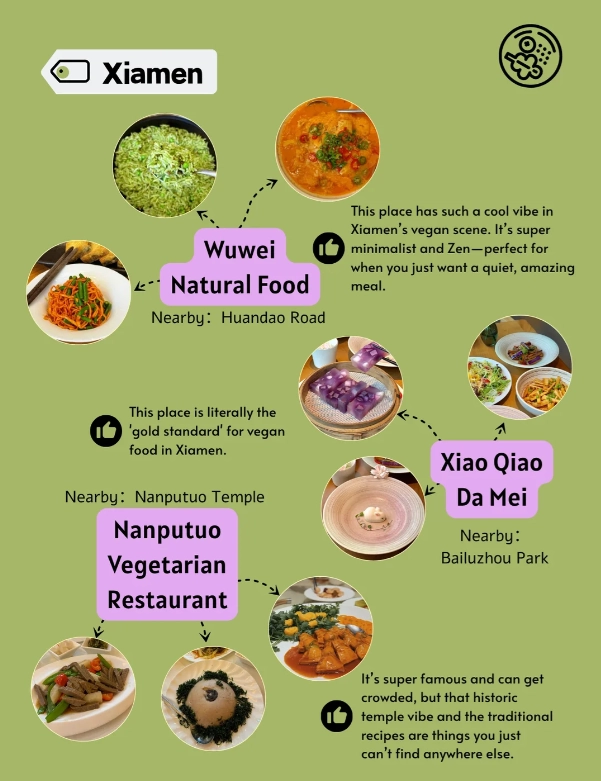
Vegan Food in China: What to Actually Order
You can't just order 'vegetable dish' and hope for the best. Use these specific phrases. Print this or save it on your phone:
| Dish Name (English) | Chinese Characters | Notes |
|---|---|---|
| Stir-fried seasonal greens (garlic style) | 清炒时蔬 | Usually vegan — confirm no oyster sauce |
| Mapo tofu (without meat) | 素麻婆豆腐 | Explicitly ask for 'no meat' |
| Steamed eggplant with garlic | 蒜蓉蒸茄子 | Often vegan, but check for chicken stock |
| Buddhist-style mock meat | 素斋仿荤 | Made from tofu, gluten — very safe |
| Cold mixed cucumber salad | 凉拌黄瓜 | Usually garlic, vinegar, chili — naturally vegan |
| Tomato and egg stir-fry | 番茄炒蛋 | Not vegan (eggs), but easy to swap |
Here's the catch: even 'clear' soups often contain chicken powder. Stick to hot-and-sour soup (酸辣汤) — it's typically vegan, though some places add pork shreds. Always say bu yao rou, bu yao ji jing, bu yao yu (no meat, no chicken essence, no fish).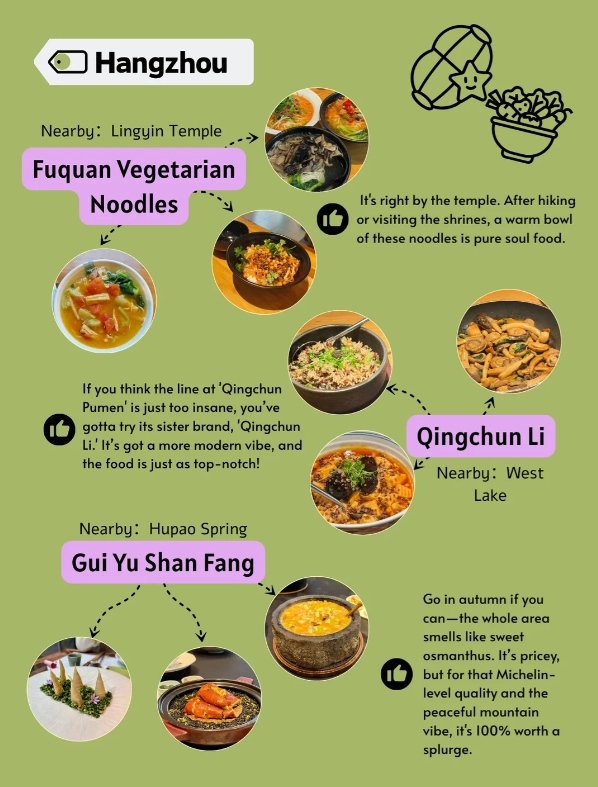
How to Avoid Hidden Animal Ingredients
Three ingredients to watch out for:
- Lard (猪油) — used in many noodle dishes and stir-fries. Ask for zhi wu you (vegetable oil).
- Oyster sauce (蚝油) — common in 'vegetable' dishes. Say bu yao hao you.
- Chicken essence (鸡精) — used in almost every restaurant broth. Say bu yao ji jing.
A personal nightmare: I ordered 'stir-fried green beans' at a popular chain, and they came glistening with lard. The waiter didn't understand 'vegetable oil' until I pointed to the oil bottle. Now I always bring a small card with these three phrases in giant characters.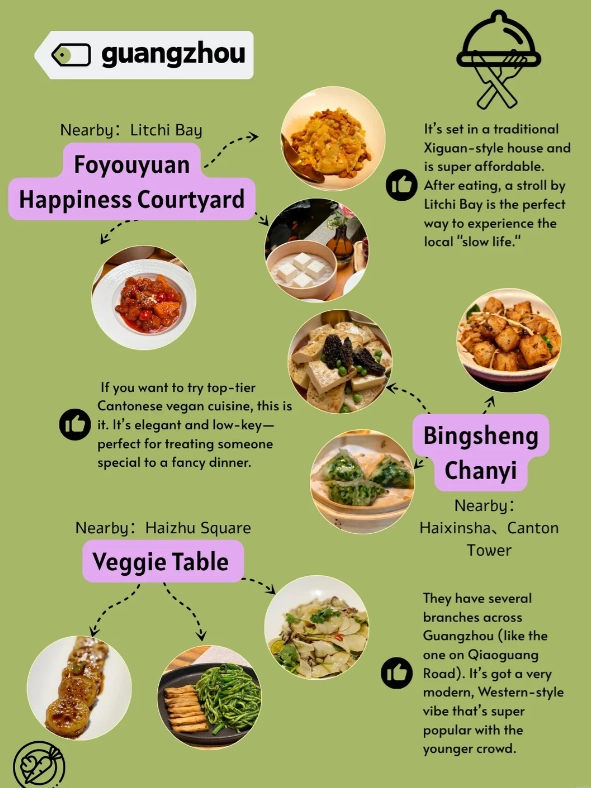
City-by-City Vegan Hotspots
I've tested these personally. No fluff.
Beijing
King's Joy (京兆尹) — Upscale vegetarian, near the Lama Temple. Expect set menus from 300 to 800 CNY. Reserve via Trip.com. They speak English, and the mock 'shark fin' soup from coconut is incredible. Address: 2 Wudaoying Hutong, Dongcheng District. Pure Lotus (净心莲) — Buddhist-themed, near the Forbidden City. A bit touristy but authentic. Try the 'vegetable spare ribs' — made from lotus root and tofu skin. Open 11am to 9pm. Accepts Alipay only. Vegan table at 798 Art Zone — 'The Veggie Table' (有饭) has English menus and western-style bowls. A lifesaver after a day of walking the galleries.
Shanghai
Wujie (无界) — A cozy vegan chain with locations near Yu Garden and Jing'an. Their 'braised tofu with mushrooms' is my go-to. Address: 328 Madang Road (near Xintiandi). Green Friday (绿蔬星期五) — Cheap and cheerful, perfect for budget travelers. The 'soy chicken with rice' is under 30 CNY. Noodle Buddha (面佛) — In the French Concession. They do an epic vegan 'dandan noodles' — no meat, no dairy. Just nutty sesame and chili. Bring cash (small bills) as their card machine is often broken.
Chengdu
Chunshui Tang (春水堂) — Not fully vegan, but their 'mock beef noodle soup' (soy-based) is legendary. Located near Jinli Ancient Street. Vegetarian Life (素生活) — Right next to Wuhou Temple. They do a 9-course tasting menu for 100 CNY. Best value in town. Street stalls at Jinli — Look for vendors selling 'liang fen' (cold starch noodles) with chili oil — almost always vegan. Skip the ones with 'pig ear' on display.
Common Vegan Scenarios & Solutions
Scenario 1: You're at a hot pot restaurant — Most hot pot places offer a mushroom or tomato broth. Load up on veggies, tofu, and noodles. Say su cai huoguo (vegetarian hotpot) and ask for zhi wu you for simmering. I've had excellent vegan hot pot at Haidilao (海底捞) — they even bring you a free fruit platter.
Scenario 2: You're ordering from a street cart — Point at vegetables, say 'zhe ge' (this), and shake your head at meat. Most vendors can make a noodle or rice bowl with only veggies. Payment? Alipay or cash. But be warned: they often reuse the same oil for meat items. If you're strict, avoid heavily fried street food.
Scenario 3: You're invited to a family meal — The host will pressure you to try 'just a little' meat. Be polite but firm: 'I'm vegan for health reasons, I can't eat any animal products.' Most Chinese families will accommodate if you warn them beforehand. Offer to bring your own dish — they'll appreciate the gesture.
FAQ for Vegan Travelers in China
Final Practical Checklist
- ✓ Install Alipay and link international card (top up via card, cash deposit at major banks if needed)
- ✓ Save vegan phrase card screenshots (features 'no lard, no chicken, no oyster sauce')
- ✓ Download offline maps (Apple Maps or Gaode with Chinese addresses saved)
- ✓ Get a VPN working (test before departure)
- ✓ Carry small bills (10, 20 yuan) for cash-only stalls
- ✓ Book accommodation near wet markets or Buddhist temples (best vegan food nearby)
I've been living here for years, and I still get surprised. But with this vegan guide to China, you'll dodge the biggest pitfalls. The key is preparation and a thick skin — don't be afraid to double-check ingredients even at fancy places. China is a vegan paradise if you know where to look. Happy eating.
Verified and fact-checked by the editorial team.








I bought this last minute before a two-week trip and it completely changed my experience. The author clearly understands the challenges of eating plant-based in China. I loved the 'emergency snacks' list (who knew you could find vegan mooncakes?). The section on Buddhist vegetarian restaurants was a game-changer—I stumbled into one in Hangzhou and had the best meal of my life. Every vegan traveler needs this in their backpack.
If you're going to China as a vegan, buy this guide before you even book your flight. It's not just a list of restaurants—it explains Chinese food culture, common non-vegan ingredients hidden in 'vegetarian' dishes, and even how to communicate dietary restrictions to street vendors. I used the phonetic cheat sheet at a night market in Chengdu and got a perfect bowl of mapo tofu. Five stars, no question.
Honestly, I was disappointed. The guide hyped up this 'must-try' vegan dumpling place in Guangzhou, but when I got there, it was a tiny shop with zero English and the owner didn't even know what 'vegan' meant. I ended up eating plain rice. The app recommendation section was okay, but some of the restaurant hours were wrong. Felt like it needed more local validation. Not terrible, but I wouldn't rely on it alone.
Pretty handy overall, but I wish it had more coverage of northern China. I used it in Shanghai and Chengdu and it worked great—loved the section on hidden vegan-friendly hotpot spots. But when I went to Xi'an, two of the listed restaurants had closed down. A bit outdated in some areas. Still, the tips on ordering (like how to say 'no egg, no dairy') were a lifesaver. Good, but not perfect.
This guide saved my trip to China! I was so nervous about finding vegan food outside of Beijing, but the restaurant recommendations were spot-on. The map feature with pinyin translations made ordering a breeze. Even in a tiny village in Yunnan, I found the exact street stall the guide mentioned. The spicy tofu there was life-changing. Absolutely essential for any plant-based traveler!
I bought this guide on a whim before my solo trip to Hong Kong and Shenzhen, and it was the best decision I made. The author clearly understands the struggles of plant-based eating in a culture that loves meat – they even explain how to navigate hot pot restaurants and dim sum carts without looking like a total newbie. I loved the 'decoder' menus with Chinese characters and pinyin; I just pointed and most waiters nodded. By day 3 I felt totally confident ordering on my own. Three weeks later, I hadn't gone hungry once. 5/5 – buy it!
This guide totally transformed my trip. I'm a long-time vegan and was dreading the food situation in smaller cities like Kunming and Dali. Turns out, the author included tons of local joints that aren't on any English website. My favorite part was the 'emergency snack' list – I stocked up on those packaged tofu snacks and they saved me on long train rides. The writing is funny and down-to-earth, like a friend giving you advice. If you're a vegan planning to go beyond the tourist trail, this is gold.
I'll be honest – I was let down. The guide has good intentions, but a lot of the info feels outdated. I went to three restaurants in Guangzhou that were listed as vegan-friendly and they had either closed down or changed their menu completely. The language tips are helpful, but I ended up relying more on HappyCow than this book. For the price, I expected more frequent updates and maybe a section on how to handle business dinners without offending your hosts. Not terrible, but not worth the hype.
Honestly, I was skeptical at first because I've been burned by vegan guides before, but this one delivered. I used it in Beijing and Xi'an, and every single restaurant I tried from the list had clear vegan options and understood 'mei you rou, mei you yu, mei you nai lao' - it's like the author did all the awkward communication for you! The street food section was a bit thin compared to the restaurant lists, but overall it's a solid 4-star resource. Would've been 5 if it included more hole-in-the-wall places.
This guide was an absolute lifesaver during my two-week trip through Shanghai and Chengdu! I'm a new vegan and was terrified of being stuck eating plain rice, but the restaurant recommendations were spot-on. The little tips about how to say 'no egg' and 'no fish sauce' in Chinese saved me more than once. My only tiny complaint? A few of the maps in the PDF were a bit blurry, but the digital version on my phone worked just fine. Highly recommend for anyone worried about plant-based eating in China!