 Ling Wu
What you'll find here
I watched a family from the US nearly miss their connecting flight because they thought the 144-hour policy applied to all nationalities. It doesn't. The list of eligible countries for China 144-hour visa-free transit is strict. If yours isn't on it, you can't enter — no exceptions. Let me save you that panic.
Here is the exact list, how the rules actually work, and what I tell every traveler before they book.
How the 144-Hour Policy Works
This policy lets citizens of certain countries stay in specific Chinese cities (or provinces) for up to 144 hours — that's 6 days — without applying for a visa. You must arrive from one country and depart to a different country. No circle trips. You also can't leave the designated area.
Full List of Eligible Countries for China 144-Hour Visa-Free Transit
The policy currently covers 53 countries. Check yours:
| Region | Countries |
|---|---|
| Europe (39 countries) | Austria, Belgium, Czech Republic, Denmark, Estonia, Finland, France, Germany, Greece, Hungary, Iceland, Ireland, Italy, Latvia, Lithuania, Luxembourg, Malta, Netherlands, Norway, Poland, Portugal, Slovakia, Slovenia, Spain, Sweden, Switzerland, United Kingdom, Russia, Belarus, Ukraine, Cyprus, Bulgaria, Romania, Serbia, Croatia, Bosnia and Herzegovina, Montenegro, North Macedonia, Albania |
| Americas (6 countries) | United States, Canada, Brazil, Mexico, Argentina, Chile |
| Asia (6 countries) | South Korea, Japan, Singapore, Brunei, United Arab Emirates, Qatar |
| Oceania (2 countries) | Australia, New Zealand |
Important: This list changes occasionally. Check the latest from the National Immigration Administration before booking.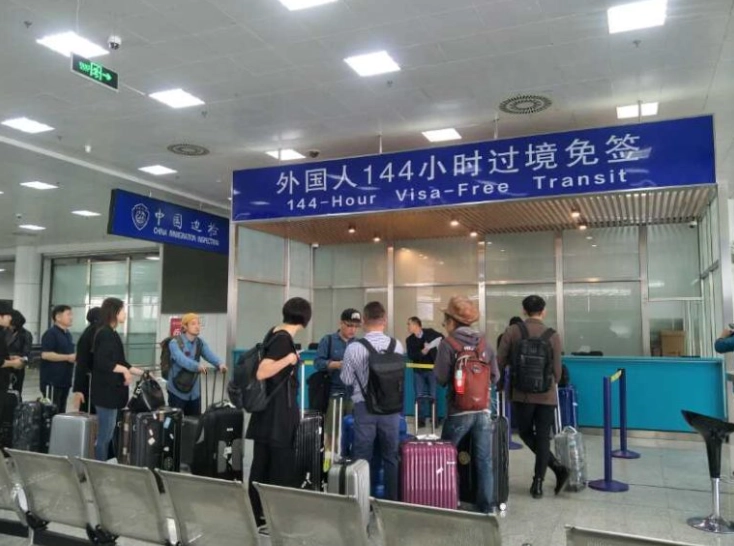
Which Chinese Ports Offer This Policy?
Not all airports or ports participate. Major ones include Beijing, Shanghai (both airports), Guangzhou, Chengdu, Chongqing, Xiamen, Shenzhen, and many more. But you cannot use it if you transit via a non-participating port.
Key Requirements & Traps
I've seen too many travelers turned away at immigration because of these:
- Valid passport from an eligible country: Must have at least 6 months validity.
- Confirmed onward ticket to a third country (not your origin): You cannot return to the country you came from. For example, flying US -> Shanghai -> US is rejected. US -> Shanghai -> Japan works.
- No more than 144 hours: Counts from 00:00 the next day after arrival. Land at 11 PM on Monday? Your 144 hours start Tuesday 00:00.
- Stay within the designated area: Each port defines its area. Shanghai lets you travel to nearby Zhejiang and Jiangsu. Beijing is only the municipality. Chengdu allows entire Sichuan province.
- Hotel reservation and proof of funds: You may be asked to show hotel bookings and enough money for your stay.
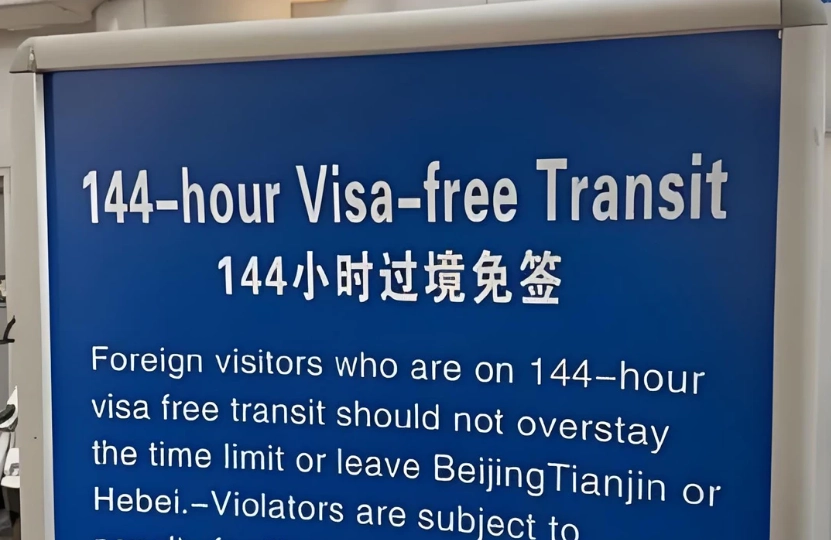
Step-by-Step: How to Use the 144-Hour Visa-Free Transit
- Book flights: Ensure your arrival port offers 144-hour transit and you have a different final destination. Example: London -> Shanghai -> Hong Kong.
- Check your passport covers the transit period. You don't need a visa in advance.
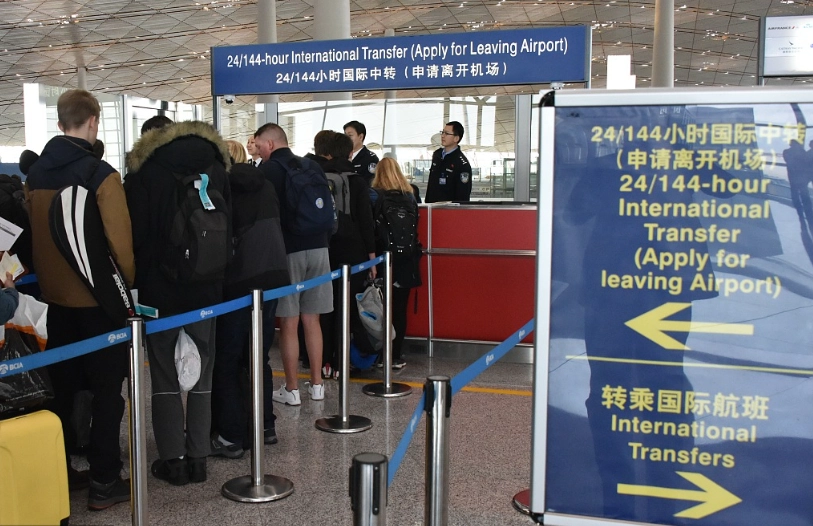
- On arrival, go to the transit visa-free counter (not the regular immigration line). Fill out the arrival card stating "Transit 144 hours".
- Present your onward ticket and accommodation proof. They may take fingerprints and a photo.
- Enter and enjoy up to 6 days. Remember the start of your 144 hours (next day 00:00). Don't overstay.

Common Mistakes That Get You Denied
- Thinking you can enter from an eligible country but your passport isn't eligible. Only your nationality matters, not your departure point.
- Booking a flight from Beijing to Shanghai within the window. That's domestic travel, not allowed.
- Overlooking the 24-hour early departure rule? Actually, no such rule exists. You can leave any time within 144 hours, but flights before the 00:00 reset are tricky. I tell people: don't book a departure before 6 AM on day 1 – you might have problems.
- Not having a printed ticket for your onward journey. Digital is usually fine, but I've seen officers ask for physical copy.
Quick FAQ
Verified and fact-checked by the editorial team.








I’m a frequent transit visa user and this article is the most up‑to‑date I’ve seen in a while. The mention of separate zones (Jiangsu vs. Shanghai) was a detail I’d missed before. After reading, I successfully did a 144‑hour stop in Nanjing with zero issues. The writing style is straightforward, no fluff. Exactly what I needed. Will share with my travel group.
Perfect piece for last‑minute planners like me. I had a 12‑hour layover in Guangzhou and wasn’t sure if my nationality (UK) qualified. The table at the bottom with the 24‑hour, 72‑hour, and 144‑hour zones saved me time scrolling. Printed a copy, showed it to the immigration officer, and got the stamp in minutes. Five stars for clarity and practicality.
This list got me excited about a quick Chengdu layover, but after reading the fine print I realized my nationality wasn’t actually covered—the article didn’t emphasize the ‘eligible’ part strongly enough at the top. I nearly booked my flight based on an older version. It’s fine if you already know your country is on the list, but newbies should double‑check with official sources. Bit misleading.
Solid info for the most part, but I wish it included more real‑life examples. I showed up at Beijing airport with everything ready, and the officer still questioned my outbound ticket because it was to a third country not on a direct flight route. The article says ‘any third country’ but doesn’t warn about possible scrutiny at smaller airports. Still useful, just not perfect for every scenario.
I used this article to plan a 3-day stopover in Shanghai before flying to Bangkok. The list of eligible countries was super clear, and I double-checked my passport against it. The rules about leaving from the same port? That part saved me from making a huge mistake. Honestly, this is the most organized breakdown I’ve found online. Highly recommend bookmarking it if you’re even thinking about a transit trip.
Couldn't have planned our China stopover without this. My girlfriend is from Brazil and I’m from the US—we were confused about whether both of us were eligible. The article lists both countries and even mentions that the rule applies even if you’re on separate tickets. We printed the page to show the immigration officer just in case. Absolutely essential reading for anyone doing a short China layover. Highly recommend!
Finally, a straightforward breakdown! I’ve been trying to use the 144-hour transit for a side trip from Hong Kong to Shenzhen, and this article explained exactly which nationalities qualify and what documents to show. The warning about not leaving the designated transit area if you miss your connection was a lifesaver. Shared it with my travel group—we all feel way more confident now. Five stars for clarity.
Exactly what I needed! I'm planning a layover in Guangzhou next month and this article laid out the eligible countries clearly—yes, Australia is on the list—plus the key rules about staying within the same province. The bit about needing a confirmed onward ticket saved me from a potential headache at check-in. Easy to read and bookmark-worthy. Thanks for cutting through the official jargon!
A decent overview, but I wish they'd included more specific examples—like how the 144 hours are counted from the minute you land or from midnight? There’s a small table of countries but no map or infographic. Saved me some Googling though, and the links at the bottom to official sources were helpful. If you just need a starting point, this works, but don't expect a step-by-step guide.
Honestly, I was pretty let down by this article. The list of eligible countries is there, but the details on the actual transit rules are super vague. I’m from the UK and was trying to figure out if my connecting flight to Tokyo via Shanghai would qualify. The piece says ‘certain conditions apply’ without explaining what those conditions are. Ended up having to dig through government sites anyway. Not worth the click if you need clear, actionable info.