 Wei Zhang
Quick Navigation
I've lost count of how many times I've seen tourists melting at the Leshan Giant Buddha in July — literally dripping in sweat, stuck in a 2-hour queue for the stairway. If you are reading this, you are probably trying to avoid that exact nightmare. Good. Let me save you the pain.
The Leshan best time to visit is either March–April or October–November. Why? Comfortable temperatures (15–25°C), low humidity, thin crowds, and cheaper hotels. But those are not the only windows. I'll walk you through every season, so you can pick what works for you.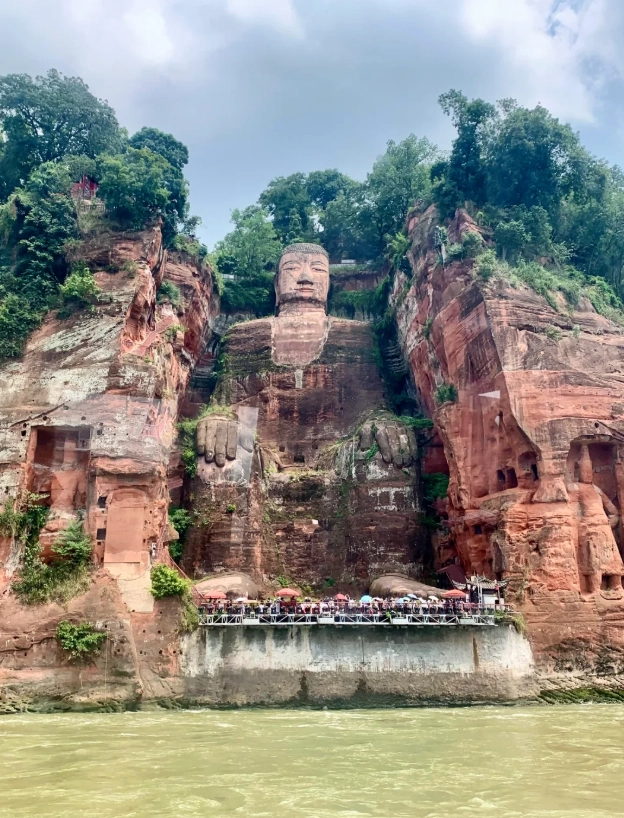
Weather & Seasons at a Glance
Leshan has a subtropical humid climate. Summers are scorching and wet; winters are chilly and sometimes foggy. Spring and autumn are glorious. Here is a quick table to help you compare.
| Season | Months | Avg Temp | Rainfall | Crowd Level | Price Level |
|---|---|---|---|---|---|
| Spring | Mar–May | 14–25°C | Moderate | Medium | Medium |
| Summer | Jun–Aug | 26–35°C | Heavy (July peak) | High (Aug peak) | High |
| Autumn | Sep–Nov | 12–26°C | Low (Oct best) | Low (except Oct 1st week) | Low (except National Holiday) |
| Winter | Dec–Feb | 4–12°C | Low | Very low | Lowest |
Month-by-Month Breakdown
March – May: Blooming Season
Temperatures climb from 14°C to 25°C. April brings light rain but also fresh greenery. The Buddha's surrounding hills look stunning. Pros: comfortable for walking, fewer tourists than summer. Cons: occasional rain can make the steps slippery — wear non-slip shoes. I always tell my groups: bring a light jacket and an umbrella.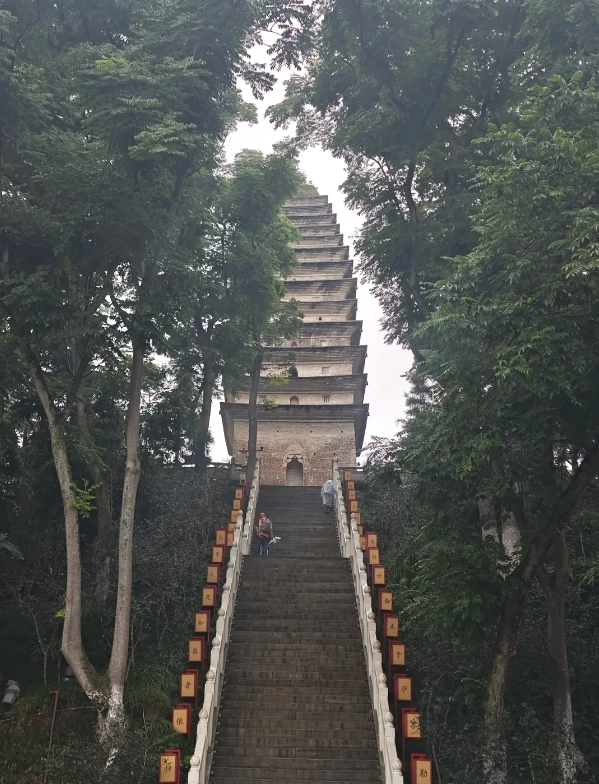
June – August: Hot & Humid
This is when I see the most miserable faces. 35°C with 80% humidity. The queue for the stairway down to the Buddha's feet can stretch to 2 hours under direct sun. If you must come in summer: arrive at the ticket gate (address: 2435 Lingyun St, Shizhong District) right when it opens at 7:30 AM. Or better, take a boat from the pier (Giant Buddha Cruise, cost about 70–150 RMB) — you will see the full figure from the river without queuing. Warning: payment at the boat ticket office is Chinese mobile only (WeChat/Alipay). Bring cash if you have to, but they may not accept cards.
September – November: Golden Time
September still has some summer heat, but October and November are perfect. The sky is clear, the river is calm, and the Buddha looks majestic against the blue backdrop. I've taken groups on November mornings and found only 30 people at the viewing platform. Pro tip: November afternoons can be chilly (12–15°C), so bring a sweater. But the lack of crowds makes it worth a slight chill.
During this period, the Leshan best time to visit for photographers is around 3:30 PM – the sunlight hits the Buddha's face directly. The west gate (local entrance) is less busy than the east gate. Tell your taxi driver to drop you at the west entrance — it cuts 10 minutes of walking.
December – February: Low Season Bargains
Winter is cold (4–12°C) but very dry. The Buddha is still impressive. Many hotels drop prices by 40%. The only downside: some days have heavy fog, which can obscure the view from the top. Best strategy: Check the weather forecast before buying tickets. If the forecast says "fog" in the morning, wait until noon when it usually lifts. Also note that the boat services may be suspended during extreme fog — confirm with the pier the day before.
How to Dodge the Crowds
Even in the best season, crowds can appear on weekends and holidays. Here is what I do with my private groups to beat the rush.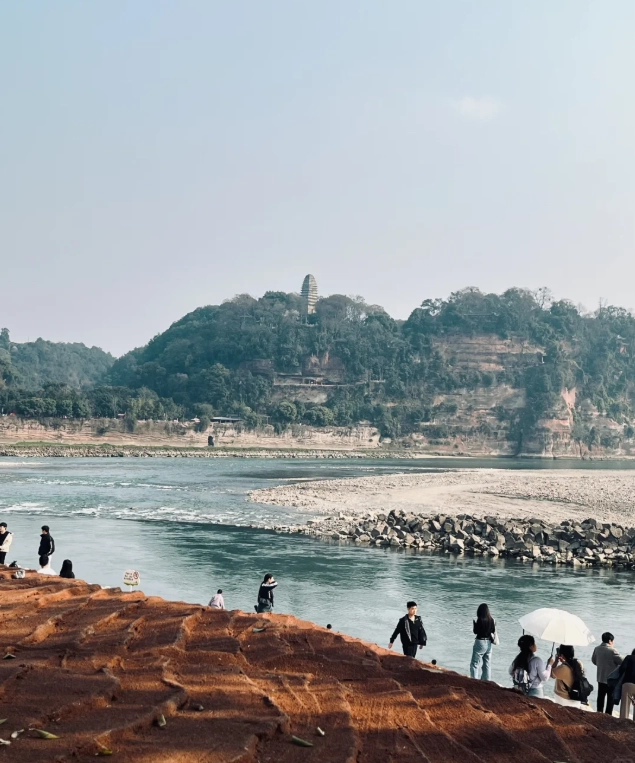
- Book tickets online: Use the official WeChat miniprogram "Leshan Giant Buddha Scenic Area" (乐山大佛景区). It's in Chinese, so ask your hotel to help. Without a pre-booked ticket, you might wait 40 minutes at the gate.
- Enter before 8:30 AM or after 3:00 PM. The midday sun also ruins photos — harsh shadows on the Buddha's face.
- Avoid Chinese public holidays: National Day (Oct 1–7), Labour Day (May 1–5), and Spring Festival (late Jan/Feb). Crowds become absurd — picture shoulder-to-shoulder for 500 meters.
- Take the cruise instead of hiking: The boat gives you a perfect profile view and skips the queuing. Cruises run 7:30 AM – 6:00 PM in peak season, 8:00 AM – 5:00 PM in low season. Tickets can be bought at the dock (just show up, but they prefer mobile payment).
Festivals: When to Come and When to Run
Some festivals enhance the experience; others suffocate it. Here's what I've observed.
| Event | Date | Impact on Visit | Recommendation |
|---|---|---|---|
| Spring Festival | Late Jan/Feb | Very crowded, many souvenir stalls open | Avoid if you hate crowds; but festive lanterns are pretty |
| Qingming Festival | Early April | Moderate crowds, pleasant weather | Decent time; book hotels early |
| Labour Day | May 1–5 | Extremely crowded | Strongly avoid |
| Dragon Boat Festival | June (variable) | Hot and humid, moderate crowds | Not recommended due to heat |
| National Day Golden Week | Oct 1–7 | Worst crowds of the year | Do not come during this week; wait until Oct 8 |
One hidden gem: The Lantern Festival in February (the 15th day of the lunar year) — the Buddha area is decorated with lights, and the atmosphere is magical. However, it's a single evening event, so plan accordingly.
Practical Tips for Your Visit
Getting to Leshan
From Chengdu, take the high-speed train from Chengdu East Station to Leshan Station. It takes about 45–60 minutes, cost around 54 RMB. Then take bus 3 or 13 to the Giant Buddha scenic area (about 40 minutes). Taxi from Leshan Station to the west gate costs about 30 RMB.
Ticket Information
- Adult ticket: 80 RMB (Mar–Nov), 50 RMB (Dec–Feb)
- Student/elder discount: half price (bring ID)
- Boat cruise: 70 RMB (ordinary), 150 RMB (VIP with tea)
- Opening hours: 7:30–18:30 (Mar–Oct), 8:00–17:30 (Nov–Feb); last entry 30 min before closing
- Toilet note: The ones near the ticket office are often crowded. Use the restroom inside the park near the Jiuding Pagoda — cleaner and shorter lines.
What to Pack
Comfortable walking shoes are non-negotiable. The Buddha's planking stairway has over 300 steps and no handrails in some spots. In summer: sunscreen, a hat, and a portable fan. In winter: a warm coat. And always a reusable water bottle — there are water refill stations near the rest areas.
Frequently Asked Questions
Verified and fact-checked by the editorial team. This content has been fact-checked to ensure informational precision.





No comments yet.