 Ming Yang
- Why Sera Monastery Deserves a Spot on Your Lhasa Itinerary
- Getting to Sera Monastery: From Lhasa City Center
- Entrance Fees, Opening Hours, and Best Time to Visit
- The Debates: Sera Monastery's Unmissable Highlight
- Exploring the Temples and Assembly Halls
- Practical Tips for Foreign Travelers
- FAQ about Sera Monastery
Let me be honest: the first time I brought a group to Sera Monastery, I made the classic mistake of arriving at noon. The sun was brutal, the courtyard was packed, and half my clients couldn't even see the monks debating. Now, after dozens of visits, I've cracked the code. Here is the no-nonsense guide you actually need.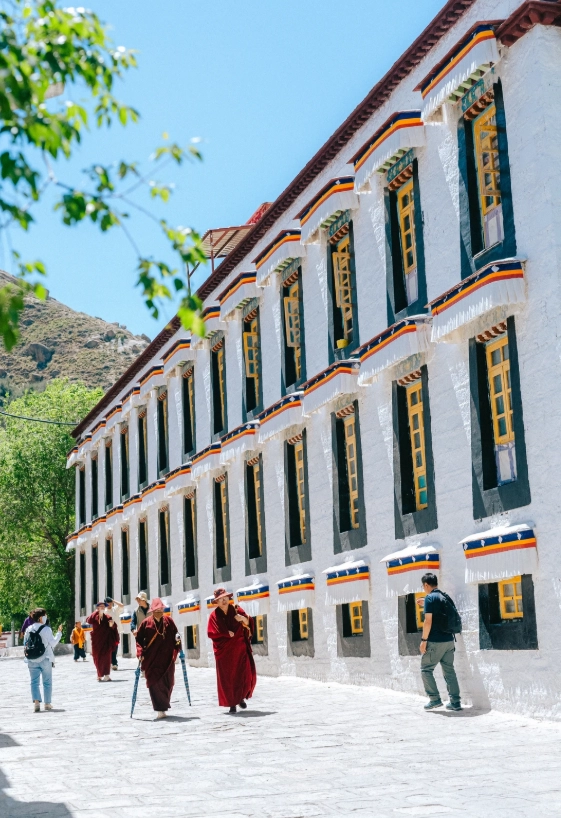
Why Sera Monastery Deserves a Spot on Your Lhasa Itinerary
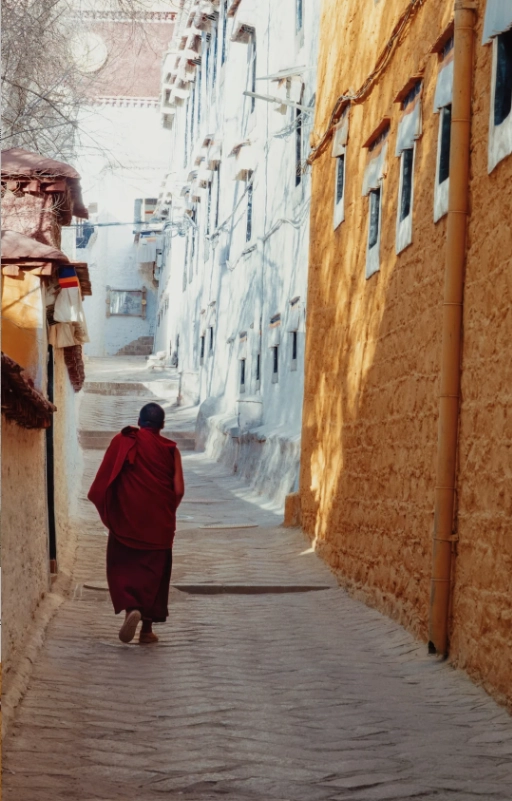
Sera Monastery is one of the "Great Three" Gelug monasteries of Tibet, founded in 1419 by Jamchen Chojey, a disciple of Tsongkhapa. Unlike the more solemn Drepung or the massive Tashilhunpo, Sera has a vibrant, almost campus-like energy. The main draw? The daily philosophical debates where monks argue Buddhist doctrine with dramatic hand-claps and body slaps. It's part theater, part scholarship, and totally unique. Plus, the monastery sits at the foot of a hill, offering great views of Lhasa valley without the climb of Potala Palace.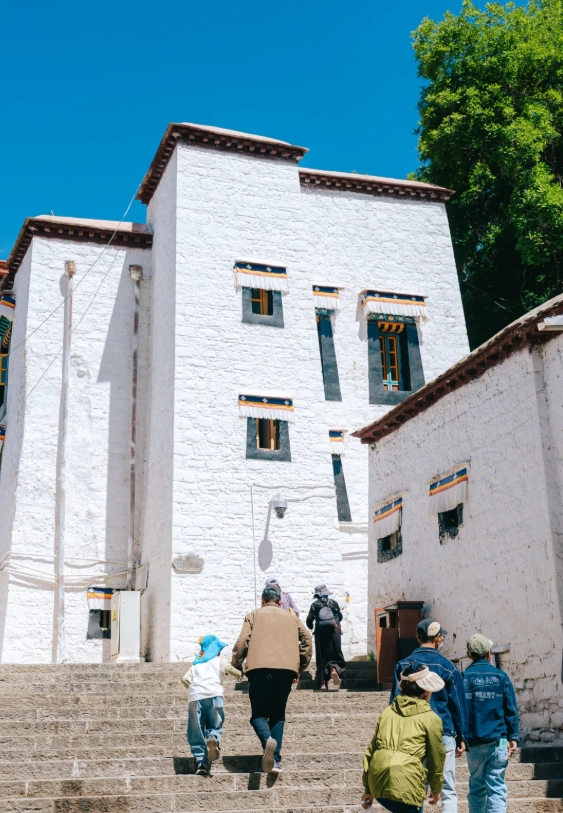
Getting to Sera Monastery: From Lhasa City Center
From the Barkhor Street area, you have two solid options. Taxi is the easiest: about 15-20 RMB (2-3 USD), and the ride takes 15 minutes if traffic is light. Tell the driver "色拉寺" (Sèlā Sì). Be warned: during peak tourist season (May-October), taxis near Jokhang Temple often refuse to go to Sera because of traffic jams. Here's my trick: walk two blocks north to a smaller street and hail one from there.
Prefer public bus? Take bus 24 from the stop near the Ramoche Temple (ask your hotel to point it out). It drops you right at the monastery entrance. The bus costs 1 RMB (15 cents) and runs every 10-15 minutes. But here's the catch: the bus can be stuffed like sardines during rush hour—avoid 8-9 AM and 5-6 PM if you value personal space.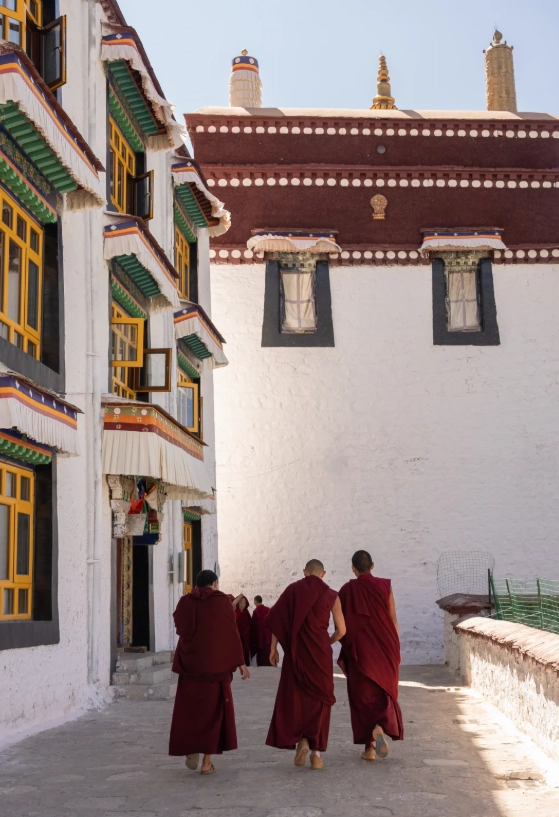
Entrance Fees, Opening Hours, and Best Time to Visit
| Item | Details |
|---|---|
| Entrance fee (adult) | 50 RMB (~7 USD). No discount for students or seniors for foreigners. |
| Hours | 9:00 AM – 4:00 PM (last entry at 4 PM, but you can stay until closing at 5:30 PM). |
| Closed days | Never fully closed, but the debate courtyard may be empty on Sundays (monks' day off). Check the Tibetan calendar for special holidays. |
| Best time to visit | Arrive at 2:30 PM. You'll see the monastery in calm morning light, then grab a spot for the debates starting at 3:00 PM. |
The Debates: Sera Monastery's Unmissable Highlight
The monks gather in the debate courtyard (near the main entrance, follow the shouting) every afternoon except Sunday. The session runs from 3:00 PM to about 4:30 PM. But here is what most guides won't tell you: the first 20 minutes are the warm-up—the real energetic exchanges happen after 3:30 PM. Don't leave early just because you saw a few claps.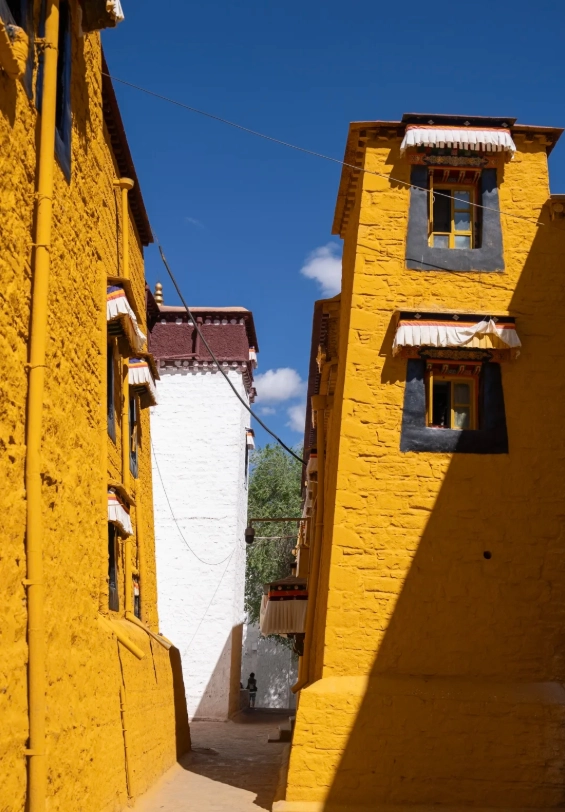
What Time Do the Debates Start and Where to Sit?
As I said, 3:00 PM is the official start. But I steer my clients to the northeast corner of the courtyard, where the senior monks debate. The junior monks near the entrance are often distracted by tourists. The northeast spot gives you the best photo angle (sun behind you) and less background chatter. Bring a foldable cushion—the stone floor is cold even in summer.
Photography Tips for the Debate Courtyard
Cameras are allowed, but no flash—it disrupts the monks. My go-to lens is a 70-200mm zoom so I can capture expressions without crowding them. If you use your phone, switch to portrait mode and tap the screen to lock focus. Most tourists make the mistake of shooting wide-angle, resulting in messy shots with too many people. Also, please don't walk between two debating monks—they are in a focused flow and you'll break their concentration.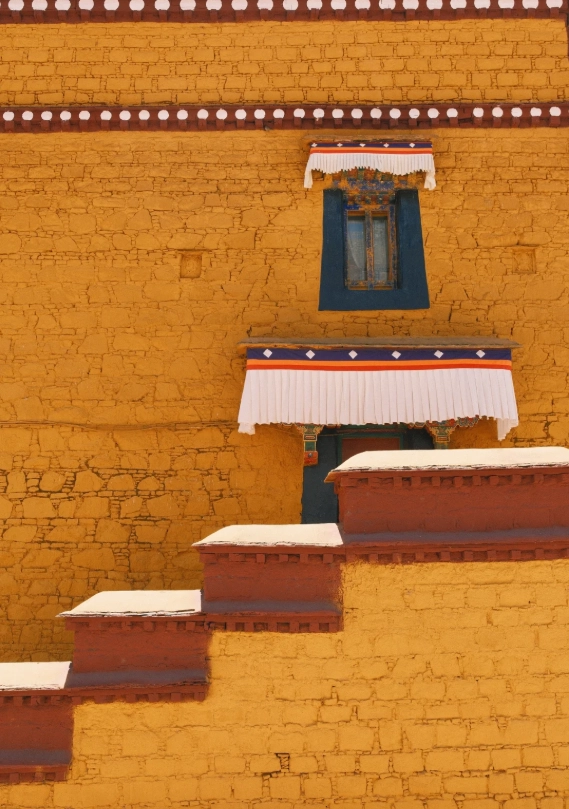
Exploring the Temples and Assembly Halls
Once you've had your fill of debates (or if you arrive early morning), wander into the main halls. The layout can be confusing—I still get lost sometimes. Here's what not to miss:
The Coqen Hall (Main Assembly Hall)
This four-story building houses a massive statue of Maitreya Buddha and stunning frescoes. Enter through the south door, remove your shoes, and turn left to see the thangka (scroll painting) collection. The lighting is dim, so let your eyes adjust before taking photos. And for heaven's sake, don't touch the butter lamps—the oil is hot and sacred.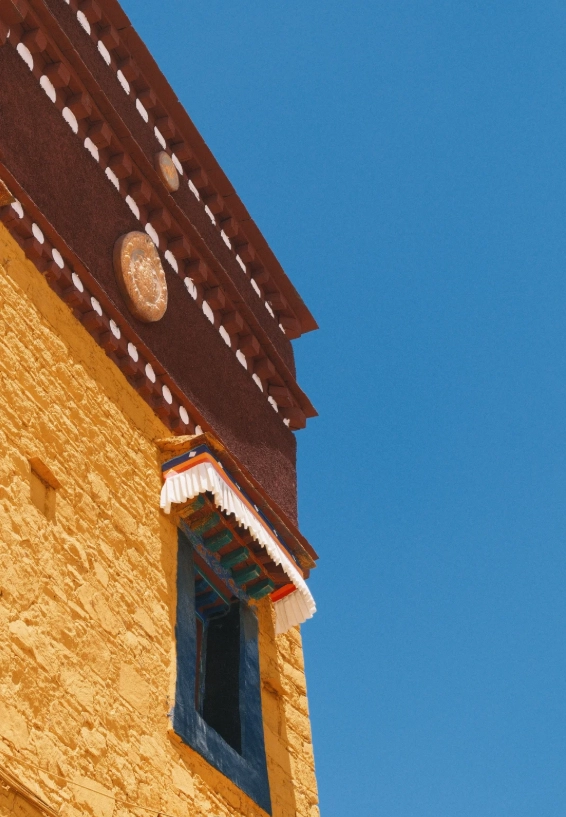
The Four Tantric Colleges
Sera is divided into four colleges (Tratsang): Sung, Ngagpa, Jang, and Tashi. Each has its own assembly hall. Ngagpa College has a famous wrathful deity statue that first-time visitors often find intimidating. If you're short on time, skip the small colleges and focus on Coqen Hall and the debate courtyard.
Practical Tips for Foreign Travelers
Altitude: Sera Monastery sits at 3,650 meters (12,000 feet). If you just arrived in Lhasa, don't attempt this on your first day—the climb up the small hill to the upper halls will leave you breathless. I've seen tourists keel over from altitude sickness. Give yourself at least one full day of acclimatization.
Toilets: There is a public toilet near the ticket office. It's squat-style and not super clean. Carry your own tissue paper. I always tell my groups to use the hotel restroom before leaving—it's a lifesaver.
What to wear: Cover your shoulders and knees. The monks don't enforce a strict dress code, but it's respectful. In summer, bring a light jacket—the shade gets chilly suddenly.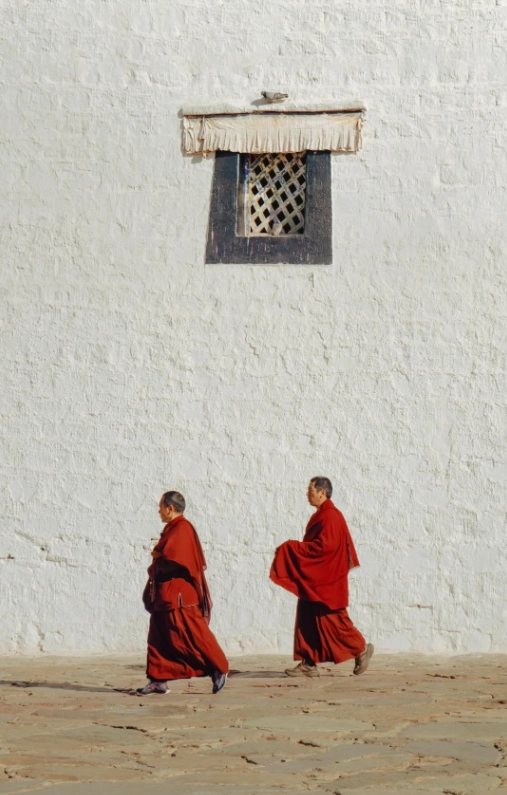
Where to Eat Nearby
Right outside the monastery gate, there's a row of small eateries. For reliable hygiene, I recommend Tsampa Cafe (Google Maps 4.2 stars). Their momos (dumplings) are decent, and they have English menus. A full meal costs about 40-60 RMB. But avoid the noodle soup at the first stall—I've had two clients get stomach issues from it. For a quick snack, grab a bag of roasted barley grains from the vendors—they're called *tsampa* and are quite filling.
Accommodation Options
Most visitors base themselves in Lhasa's city center, but if you want to be close to Sera, consider the Barkhor North Hostel (about 2 km away). Dorm beds from 70 RMB, private rooms 200 RMB. They have a rooftop with great views. However, Wi-Fi is spotty in rooms—the lobby is better. For more comfort, Lhasa Shangri-La Hotel (4 km away) offers oxygenated rooms starting at 800 RMB per night. I've stayed there once; the service is good but breakfast is overpriced.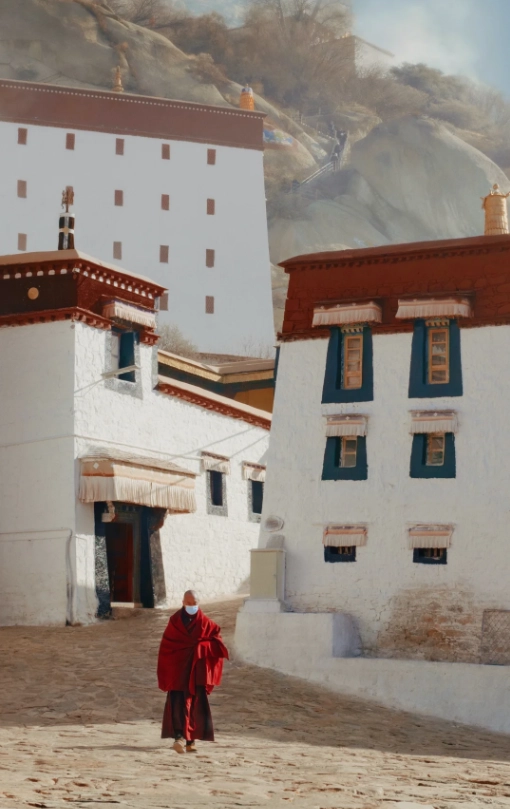
Common Mistakes to Avoid
- Mistake 1: Arriving at 10 AM thinking you'll see debates. They don't start until 3 PM. You'll be wandering around bored.
- Mistake 2: Taking photos inside the temples with flash. Some halls have guards who will confiscate your camera—yes, I've seen it happen.
- Mistake 3: Assuming the ticket includes a guide. It doesn't. If you want a guided tour, arrange through a local agency (around 200 RMB for 2 hours).
Frequently Asked Questions
External Links for Further Reading
For official information, check Tibet Tourism's official site (they have a page on Sera). For ticket booking, you can also use Trip.com which often has skip-the-line options (though I find buying on-site easier). If you're planning your Tibet permit, read about it on the China Highlights Tibet travel guide.
Verified and fact-checked by the editorial team. This content has been fact-checked to ensure informational precision.





No comments yet.