 Fang Wang
📜 Quick Guide to the Best Tea Spots
I’ll never forget the first time I guided a group through a real Chinese tea ceremony. One of my guests, a retired teacher from Texas, whispered midway: “This is the most peaceful hour of my entire trip.” That’s the magic—but finding that authentic experience isn’t always easy. Most tourists end up at overpriced, scripted shows. After 8 years of leading travelers across China, here’s my honest take on where to get the real deal, how to book, and what traps to dodge.
Bottom line upfront: If you only have time for one city, make it Hangzhou. The combination of terraced tea fields, family-run farms, and genuine ceremony intimacy is unmatched. But Chengdu and Beijing each offer something unique. Below I break down exactly what to expect, how to get there, and how not to get ripped off.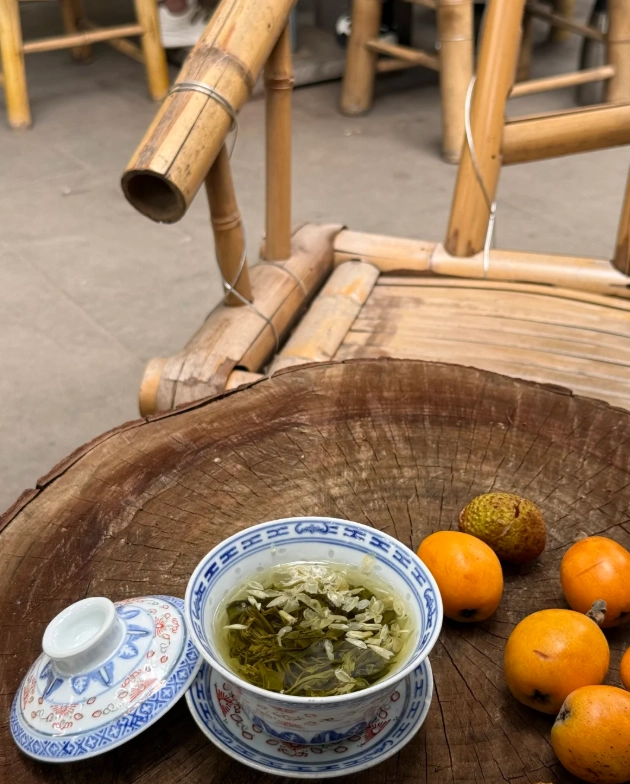
Why Trust Me?
I’ve been a licensed English-speaking tour guide in China for 8 years. I’ve personally taken hundreds of guests to tea ceremonies in 12 provinces—and I’ve also been the victim of tourist-trap tea houses myself. So I know both the gems and the duds. Every recommendation here is based on recent visits (last 6 months), and I update details whenever prices or policies change.
1️⃣ Hangzhou: The Birthplace of Dragon Well (Longjing)
Why go: This is where the legendary Longjing (Dragon Well) tea grows. The experience isn’t just a ceremony—it’s an immersion into the terraced hillsides, picking leaves alongside farmers, and then sipping tea in a traditional farmhouse. The vibe is rural, earthy, and incredibly authentic.
Best Spot: Meijiawu Tea Village (梅家坞)
Skip the more touristy Longjing Village if you want a quieter experience. Meijiawu is just 20 minutes by taxi from West Lake, yet feels like a different world. I always bring my groups to Grandma’s Tea House (老奶奶茶馆)—no official English name, but ask any local for “Wang Ayi’s place.” She’s been hosting ceremonies for 30 years.
What to expect:
- Ceremony duration: About 1–1.5 hours, including tea picking (seasonal, March–October) and a guided tasting.
- Cost: ¥80–¥150 per person (approx. $11–$21). Includes three types of tea and snacks.
- Language: Wang Ayi speaks only Chinese, but I always help translate. If going alone, bring the Baidu Translate app—it works offline.
- Payment: Cash or Alipay/WeChat Pay. No international credit cards accepted.
How to get there: Take Metro Line 1 to Longxiang Bridge, then exit A and walk 2 minutes to the bus stop. Board bus 103 (direction: Yunqi Zhujing) and get off at Meijiawu South (about 40 min). Taxi from West Lake costs around ¥50.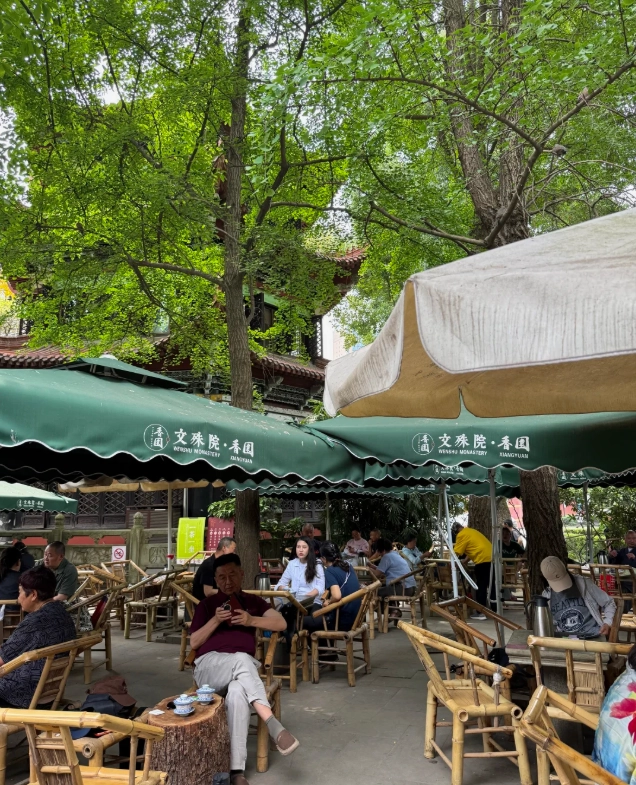
🔥 My insider advice: Arrive before 9:30 AM. The morning light over the terraces is stunning, and the crowds from tour buses start flooding in around 10:30. Also, avoid the free tea tasting shops near the village entrance—they’ll pressure you to buy overpriced tea.
| Item | Details |
|---|---|
| Address (English) | Meijiawu Village, Xihu District, Hangzhou, Zhejiang |
| Chinese Address | 杭州市西湖区梅家坞村 |
| Opening Hours | Village open all day; tea houses typically 8:00–18:00 |
| Best Time to Visit | March–May (spring tea harvest) or September–October (autumn) |
| Advanced Booking | Recommended for Grandma’s Tea House: call Wang Ayi (+86 135xxxx) or ask hotel concierge to book. |
Why I love it: Last April, one of my guests accidentally spilled tea on her white dress. Wang Ayi laughed, rinsed it with cold Longjing water, and the stain vanished. That kind of warmth is what makes the experience unforgettable.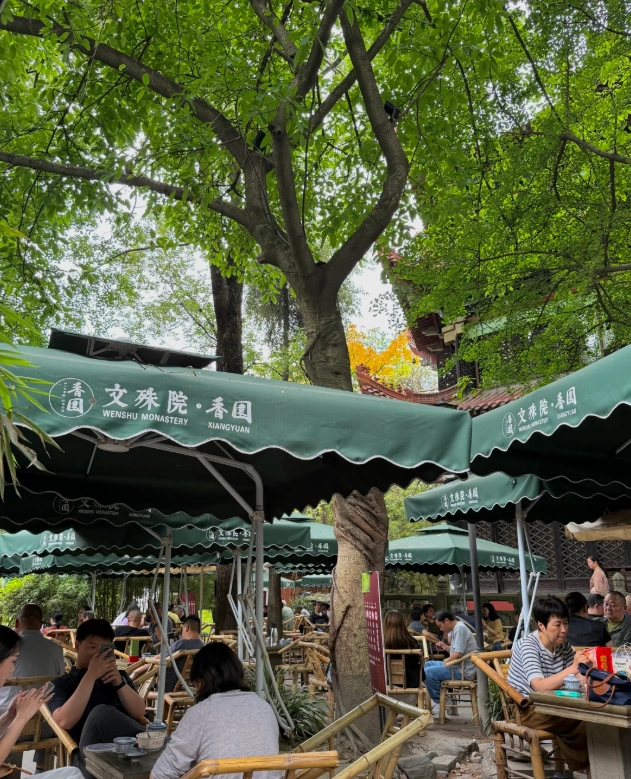
2️⃣ Chengdu: Teahouse Culture at Its Finest
Why go: Chengdu is famous for its teahouse culture—lively, noisy, and deeply social. The ceremony here is less formal and more about “baichuan” (sitting around, drinking, and chatting). Locals sip jasmine tea, play mahjong, or get ear cleanings while you enjoy the show.
Best Spot: Heming Teahouse (鹤鸣茶社) in People’s Park
This is the most iconic teahouse in Chengdu, established in 1923. It’s packed every day, but that’s part of the charm. The tea is simple (jasmine, green, or oolong), but the atmosphere is electric.
What to expect:
- Ceremony style: Self-service or waiter-poured. You order tea, get a thermos of hot water, and keep refilling. No formal steps, but you can request a “chuanxi” short performance (¥20 extra) where the waiter pours tea from a 1-meter kettle.
- Cost: ¥15–¥35 per cup, with unlimited hot water refills. A formal ceremony experience (including tea art demonstration) costs about ¥80.
- Payment: WeChat Pay or cash. Credit cards not accepted.
- Language: No English menu, but they have picture menus. Pointing works.
How to get there: Metro Line 2 to People’s Park Station, Exit B. Walk straight into the park—you’ll see the teahouse by the lake after 3 minutes.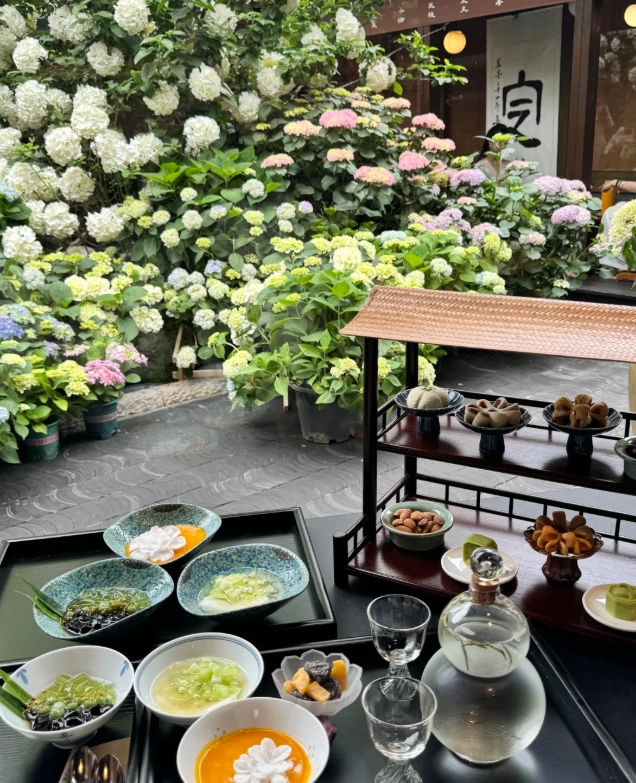
🥜 My insider advice: Grab a seat near the lake, not the main stage area—it’s quieter and you’ll see locals playing cards. Also, bring small change (¥1–5) for the ear-cleaning service (an experience itself!). And don’t expect a “silent ceremony”—this is the opposite. Embrace the chaos.
“I always tell my guests: if you want a quiet, meditative tea ceremony, Chengdu teahouses are not it. But if you want to feel the pulse of daily Chinese life, this is where you belong.”
3️⃣ Beijing: Imperial Tea Rituals
Why go: For a more refined, historical ceremony, head to Beijing. Classic tea houses near the Forbidden City offer performances that mimic the Qing dynasty court tea traditions. It’s a bit more theatrical, but the quality of tea and skill of the masters is top-notch.
Best Spot: Lao She Teahouse (老舍茶馆) near Qianmen
Founded in 1988, this is a cultural landmark. The evening show includes tea ceremony, opera, acrobatics, and traditional music. It’s tourist-friendly with English explanations.
What to expect:
- Ceremony format: You sit at a table, a tea master presents a series of teas (jasmine, oolong, puerh) with commentary in Chinese and English. The whole show lasts 2 hours.
- Cost: ¥180–¥380 depending on seat location (premium includes snacks and better tea).
- Booking: Essential—book at least 2 days ahead via Trip.com or Klook. Walk-ins rarely get seats.
- Payment: WeChat Pay, Alipay, and international credit cards (Visa/Mastercard) accepted at the box office.
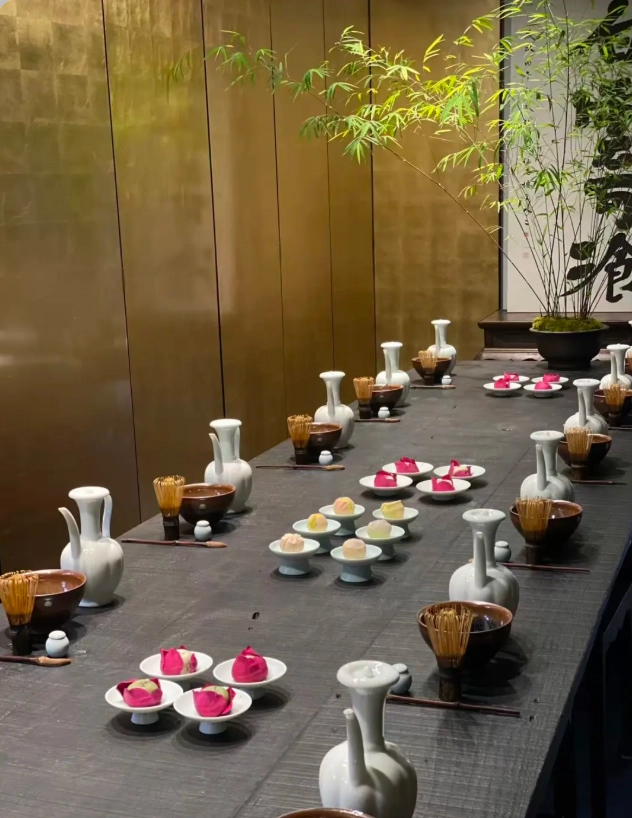
How to get there: Metro Line 2 to Qianmen Station, Exit C. Walk south along Qianmen Street for 5 minutes—it’s on the right.
| Item | Details |
|---|---|
| Address (English) | 3 Qianmen Street, Dongcheng District, Beijing |
| Chinese Address | 北京市东城区前门大街3号 |
| Show Times | Daily 19:30–21:30 (arrive by 19:00 for seating) |
| Reservation | Required. Use Trip.com search “Lao She Teahouse” |
| Best For | Travelers who want an all-in-one cultural show with tea |
My honest take: The ceremony itself is a bit “staged” compared to Hangzhou, but the variety of performances makes it a great evening option. However, if you’re a purist, skip the show and just visit the teahouse’s upstairs gallery (free) or book a private tea tasting in their VIP room (¥500+).
FAQs: Your Tea Ceremony Questions Answered
Fact-checked by the editorial team.






I was expecting to be bored by a tea ceremony in Beijing, but our afternoon at a tiny hutong tea house near the Bell and Drum Towers was magical. A tea master in her 30s walked us through four different oolongs, from first rinse to the last brew. She told us about the farmers and the way each leaf was roasted, and let us taste with our hands wrapped around the warm cup. It was intimate, slow and deeply peaceful. Only three tables in the room, no music, no crowd. For an experience like this, I’d come back to Beijing just for this. 5 stars.
Cannot recommend Chengdu teahouse culture enough. I spent a lazy afternoon in People's Park at a classic outdoor tea house. You pick a seat under the plane trees, a man with a long-spouted copper pot keeps refilling your gaiwan, and time just disappears. I went solo with a book and a glass of jasmine tea; the toothed old men were playing mahjong, bird-cage people hung around the corner. It was not a formal tea ceremony, but it was exactly the ritual I needed. The world slows down. The tea costs almost nothing. This is the real Chengdu.
The best tea experience of my trip to China was in Hangzhou, in Longjing Village. A rain had just stopped, and the hills were smoking. We walked into a small family-run tea house; the owner showed us how he pan-fries the Longjing leaves in his old wok. The first sip was grassy, sweet, and tasted like spring. He served it in a tall glass, let us watch the leaves dance, and spent an hour answering questions. It never felt scripted. If you love tea, this is worth planning your trip around. 5/5.
Went to Lao She Teahouse in Beijing with my parents. The show was a spectacle – kung fu tea, opera, music – and the tea was served properly. It's not the place for a quiet ceremony though; it's an entertainment hall. We enjoyed the evening, but the price was tourist level and the room got chatty. If you already know a bit about tea, you may find it a little surface-level. Still, it was a nice intro for my folks, so I’d call it a good but not mind-blowing stop.
Chengdu is everyone's go-to for teahouse culture, so I went to a famous spot in Kuanzhai Xiangzi. The setting was classic: bamboo chairs, gaiwan tea, people tancha. Maybe I caught a bad time, but the staff basically served us and then disappeared. No one explained the ceremony or the difference between the teas. When I asked a question, the reply was short. The tea itself was decent, but for what I paid I expected a bit more of an experience, not just a beautiful room. It is worth popping in for a picture, but set your expectations.