 Ming Yang
Quick Navigation — Find Your Match
I've lost count how many times travelers ask me: "Chengdu or Chongqing?" They stare at maps, torn between pandas and skyscrapers. Here's the truth — both are amazing, but they're nothing alike. And if you pick wrong for your travel style, you'll waste precious days. After guiding hundreds of groups through both cities, I can tell you exactly which one fits your vibe. Let's cut the fluff.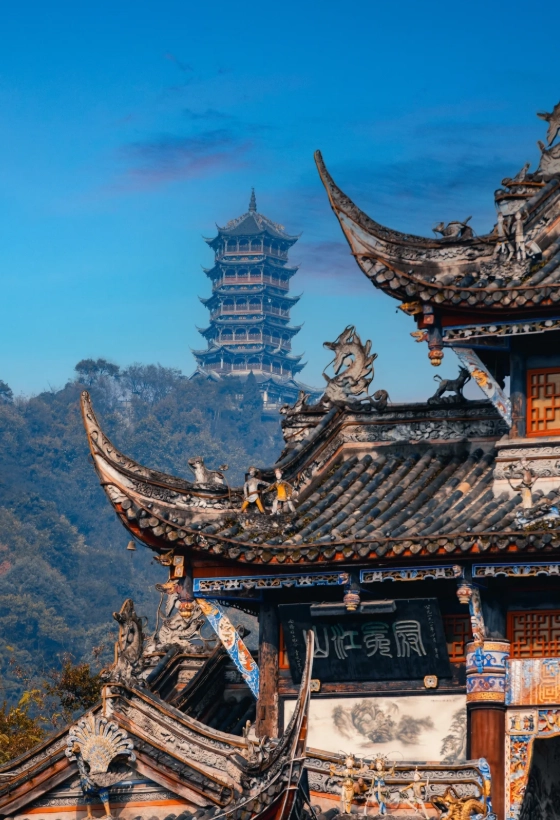
1. The Food Showdown: Chengdu's Elegance vs Chongqing's Fire
If you love mala (numbing spice) with nuance, head to Chengdu. If you want tongue-numbing heat that punches you in the face, Chongqing wins. Both cities claim Sichuan cuisine, but their styles diverge dramatically.
Chengdu Food: Balanced & Complex
Chengdu's dishes are layered — think mapo tofu with tingling pepper and fermented bean paste, or dandan noodles drenched in sesame paste. I always tell my clients: "Order yuxiang qiezi (fish-fragrant eggplant) — it's sweet, sour, and spicy all at once." For a classic meal, hit Chen Mapo Tofu (地址: 134 West Yu Long Street, Wuhou District). It's been serving since 1862. Pro Tip: The queues start at 5:30 PM; come at 4 PM for a seat. They accept Alipay and WeChat Pay but no cash or international cards. English menu? Yes — point at the pictures.
Chongqing Food: Bold & Oily
Chongqing's signature is hotpot — a bubbling cauldron of oil and chili that locals eat year-round, even in 40°C summer. The broth is heavier, saltier, and uses more huajiao (Sichuan pepper). Try Laoyi Hotpot (地址: 89 Minquan Road, Yuzhong District). The beef tripe is addictive. Important: You'll dip raw ingredients into a communal pot — if sharing with strangers, use the separate spoon! Insider Advice: Order a bowl of ice jelly (liangfen) on the side to cool your tongue.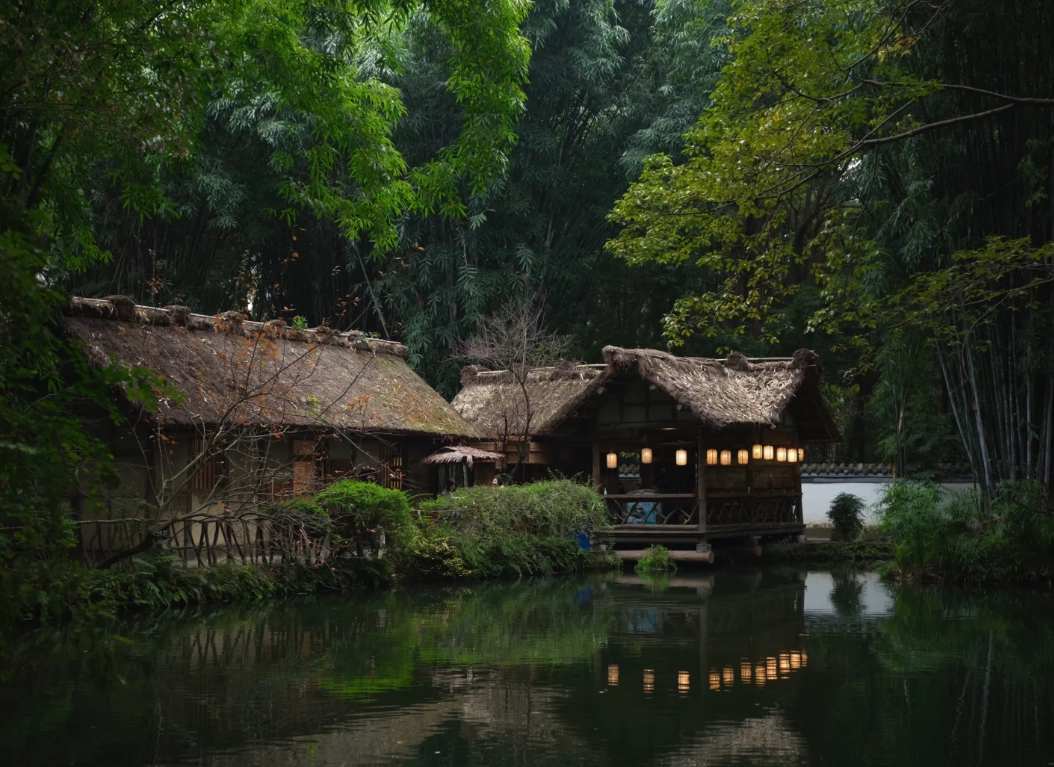
| Aspect | Chengdu | Chongqing |
|---|---|---|
| Flavor profile | Complex, floral, sweet-spicy | Straightforward, oily, blazing hot |
| Signature dish | Mapo tofu ($3-5 USD) | Chongqing hotpot ($8-15/person) |
| English friendliness | Moderate (pictures help) | Low (use translation app) |
| Must-try street food | Dan dan noodles, jianbing | Chuanchuan (skewers), sour-spicy noodles |
The verdict? If you have a delicate palate, Chengdu. If you eat spice for breakfast, Chongqing. But honestly — why choose? Take the 1.5-hour bullet train between them.
2. Attractions: Pandas vs. Skyscraper Dystopia
Chengdu is about laid-back culture and giant pandas; Chongqing is about jaw-dropping urban landscapes and sci-fi vibes. Here's what you can't miss.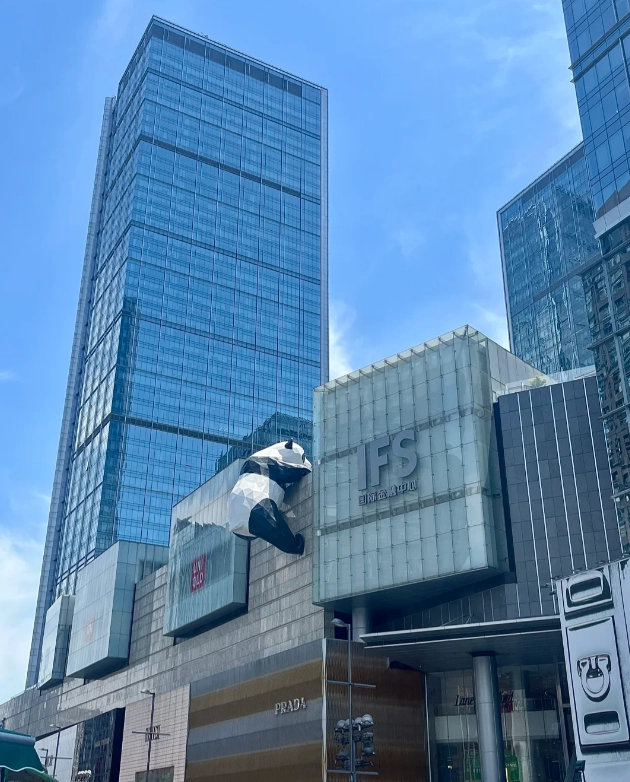
Chengdu: Giant Pandas & Ancient Streets
Start at the Chengdu Research Base of Giant Panda Breeding (地址: 1375 Xiongmao Avenue). Go before 8:30 AM — pandas are most active in the morning before they nap. Ticket: $7 USD (adult), book on Trip.com with your passport number. No need to print; show QR code. Avoid weekends — school groups swarm. The base is huge; wear comfortable shoes. My trick: skip the crowded indoor viewing area and head straight to the juvenile panda yard — fewer people, and babies play there.
After pandas, explore Jinli Ancient Street (free entry). It's a pedestrian alley with folk crafts and snacks. But be warned: it gets packed by lunch. Go at 9 AM for photos without crowds. Use Apple Maps to navigate — Google Maps shows wrong bus stops here.
Chongqing: Hongya Cave & Night Cruise
Hongya Cave (地址: 88 Cangbai Road, Yuzhong District) is a 11-story stilt building that looks like a real-life Ghibli movie. Free to enter, but individual floors have paid exhibits ($3-5). The real magic is at night when golden lights reflect on the river. Pro Tip: The best photo spot is across the river at Nanbin Road — take the light rail Line 2 to Jiangbeicheng station, then cross the bridge. For a surreal experience, book a Yangtze River night cruise ($15 USD) on Klook. Bring your passport for boarding.
Also visit Eling Erling (212) Views from Nanshan Mountain — a free viewpoint overlooking the whole city. Taxi up costs $5 from city center. The cable car across the Yangtze (Yangtze River Cableway) is iconic, but expect 1-hour queues even on weekdays.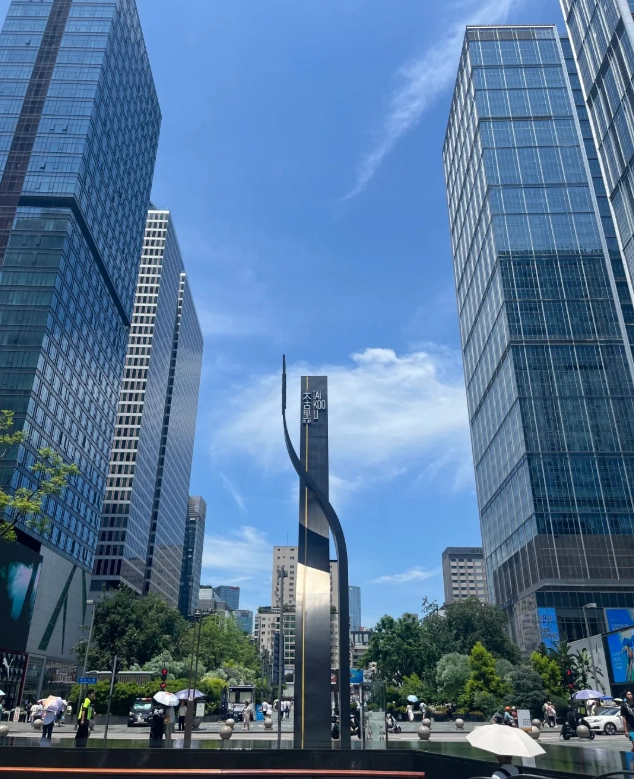
3. Getting Around & Transport
Navigating both cities requires patience and the right apps. First, forget Google Maps — it's inaccurate inside China. Use Apple Maps or download AMap Global (Alibaba's maps) which has English interface. For rides, ditch taxis — they often don't speak English and may overcharge. Instead, use Alipay's ride-hailing (called "DiDi") which has an English mode. Link your international card to Alipay before departure.
Chengdu: Flat & Bikeable
Chengdu is pancake-flat. Rent a bike from HelloBike (scan QR code in Alipay) — $0.50 per hour. The subway (Line 1, 2, 3, 4) covers most attractions. Station signs have English. A single ride costs $0.30-0.80. For panda base, take subway Line 3 to Panda Avenue station, Exit D, then free shuttle bus.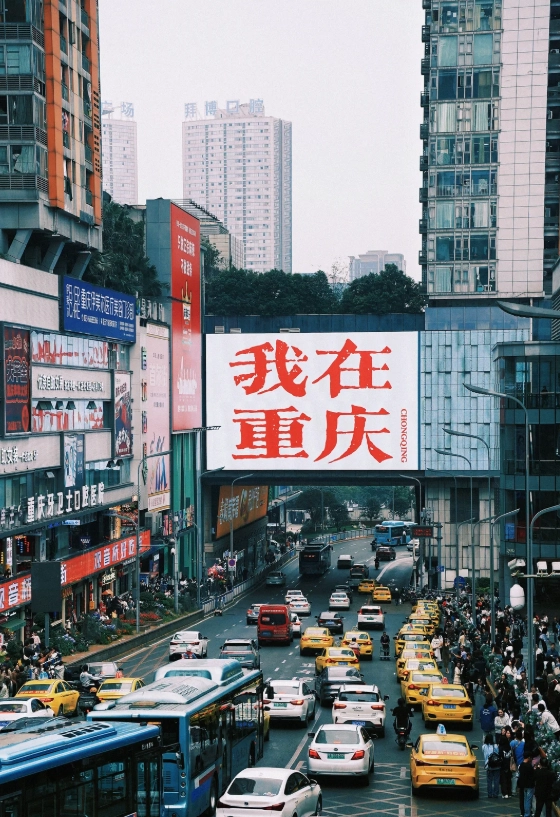
Chongqing: 3D Elevator City
Chongqing is built on mountains — your GPS will show you "on the building" when you're actually 10 floors below. Don't trust walking distances on maps; they don't account for stairs. The light rail is your best friend: Line 1 goes through downtown, Line 2 clings to the cliff with amazing views. Buy a temporary IC card at any station (refundable deposit $5). Also, take the escalators — Chongqing has free public escalators to climb hills. Example: from Jiefangbei to the bridge, use the Hongya Cave escalator.
Essential prep: Install a VPN before leaving home (I recommend ExpressVPN or Astrill). Also download Baidu Translate — its camera feature translates Chinese menus instantly. Carry small cash ($10-20) for street vendors who don't take cards.
4. Cost Comparison: Chengdu vs Chongqing
Chongqing is slightly cheaper for accommodation and food; Chengdu costs more for attractions. Here's a breakdown of typical daily spend for a budget traveler (excluding accommodation):
| Item | Chengdu | Chongqing |
|---|---|---|
| Budget meal | $3-5 | $2-4 |
| Mid-range restaurant | $8-12 | $6-10 |
| Public transport daily | $2-3 | $2-4 (more if cable car) |
| Top attraction ticket | $7 (Panda base) | $5 (Hongya cave complex) or $15 night cruise |
| Hostel dorm bed | $8-12 | $6-10 |
| 3-star hotel private room | $25-40 | $20-35 |
Bottom line: Both are affordable, but Chongqing gives you more bang for your buck. However, the Panda base ticket in Chengdu is a must-pay.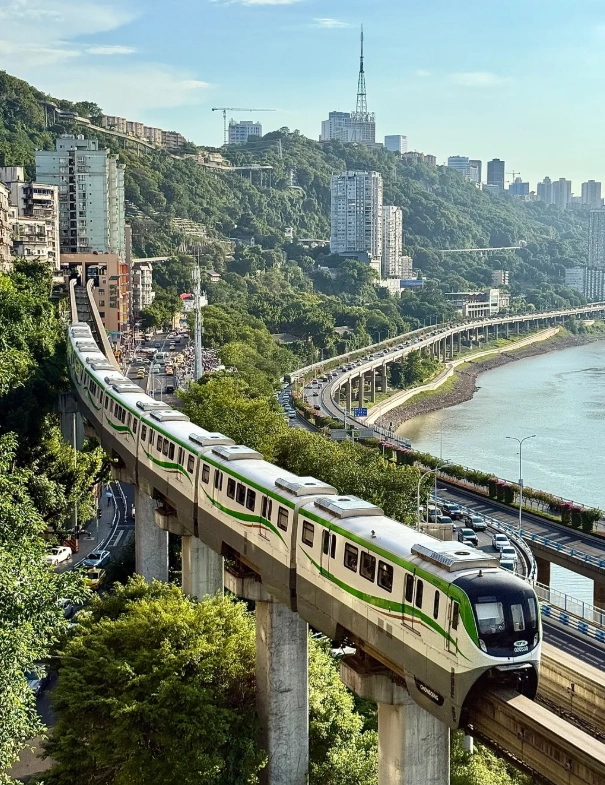
5. Which City Is Better for Nightlife?
Chengdu: chill bars and craft beer; Chongqing: rooftop clubs and live music. I've closed many nights in both.
Chengdu: Teahouses by Day, Jazz by Night
Start at Wide and Narrow Alleys (free, open until 10 PM). Then head to Lan Kwai Fong area for cocktail bars. My favorite: Jing Bar (地址: 19 Jinli Road) — a hidden speakeasy with $8 cocktails. No cover charge. They accept Alipay/WeChat. Cash not accepted. For a local experience, sip tea at a night teahouse — try Shunxing Teahouse in People's Park (closes at 10 PM).
Chongqing: Rooftop Parties & Riverside Walks
Chongqing's nightlife is vertical. Go to the top of Waldorf Astoria (地址: 97 Qingnian Road) for a $15 cocktail with a view. Or head to Nanbin Road — a long stretch of outdoor bars with live bands and street food. A beer here costs $2. Insider Advice: Don't miss the Chongqing Night Market near Jiefangbei — opens until 2 AM. Try chuanchuan (spicy skewers) — you'll pay by the stick.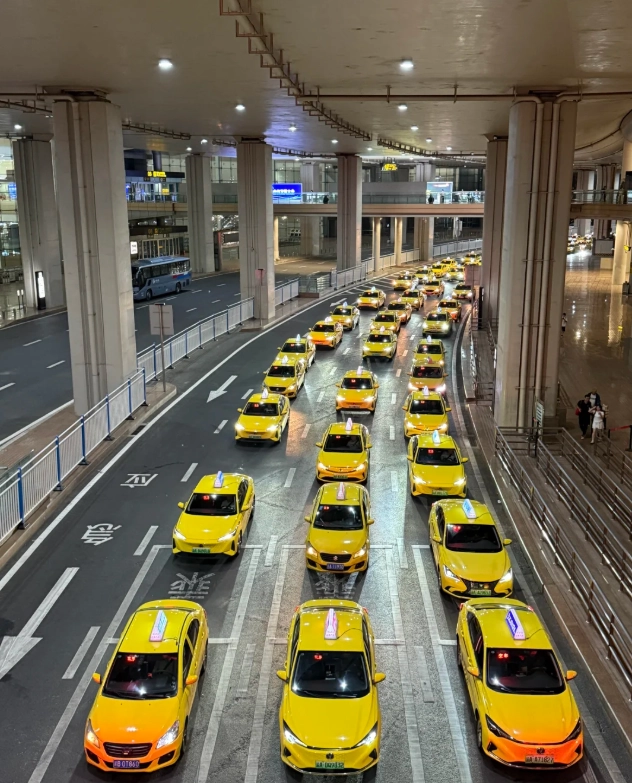
6. Accommodation: Where to Stay
For convenience, stay near the city center in both places. Here are my recommendations after hosting dozens of groups.
Chengdu: Chunxi Road Area
Stay near Chunxi Road or Taikoo Li. Walk to all major sights. I recommend Yunhui Hotel (地址: 8 Dongsheng Street) — clean, $35/night, friendly English-speaking staff. Breakfast included. Note: No elevator (but only 3 floors). They can help book panda base tickets. For luxury, Niccolo Chengdu is stunning ($120+).
Chongqing: Jiefangbei Area
Base yourself at Jiefangbei (People's Liberation Monument). Ibis Styles Chongqing Jiefangbei (地址: 188 Minzu Road) — $25/night, solid WiFi, elevator. Reception speaks basic English. Walk to Hongya Cave (5 min). Downside: thin walls — bring earplugs. For a splurge, JW Marriott Chongqing has a rooftop pool ($100+).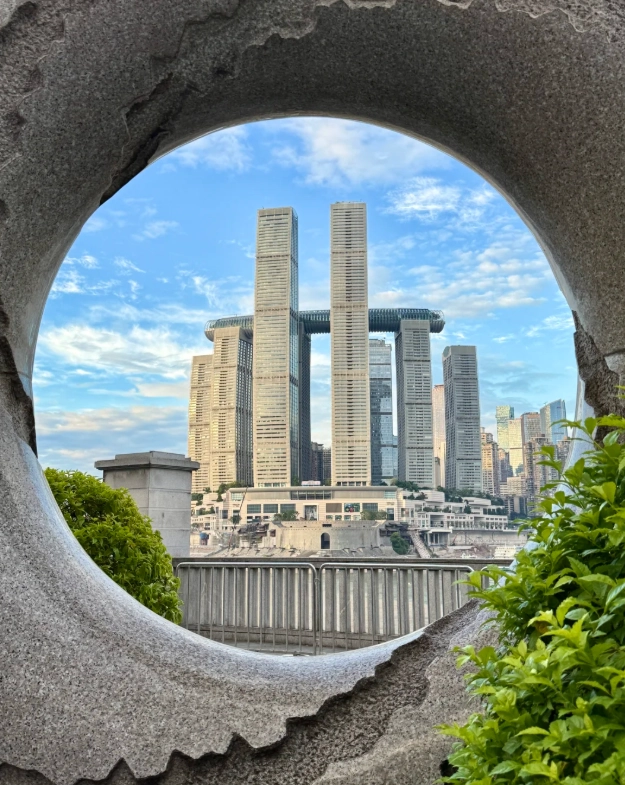
FAQ — Your Burning Questions Answered
Insider Advice: Most travelers underestimate the digital barrier. Before you step off the plane, make sure your phone has a working VPN installed, a translation app ready, and Alipay loaded with funds. The first day will feel chaotic — but by day two, you'll be navigating like a local. Trust me, I've seen it hundreds of times.
Verified and fact-checked by the editorial team.





I read this in the airport before flying to Chengdu and used it as a loose guide. The comparison is super readable and not bogged down with history lessons—just the important stuff: food, pandas, nightlife. The part about ordering at Chongqing hotpot spots with the little ingredient cards saved me. My only issue? It ended! I wanted a couple more hidden gem spots. But honestly, it was the best pre-trip read I found.
As a travel photographer, I found the section on Chongqing's nightlife spot-on. That skyline from the Yangtze cable car is unreal, and the photos these days are worth the trip alone. The article also told me to skip the tourist trap panda cafes in Chengdu—good call. It's like the writer actually walked the streets. The hotpot descriptions had my mouth watering. 5/5 for nailing the vibe.
Solid overview. I appreciated the breakdown because it made me choose Chongqing first for a weekend. The food section is useful, especially the reminder that Chongqing breakfast is a big deal. The only reason I'm not giving 5 stars is because the article lacks a proper budget comparison—I spent way more on accommodation in Chongqing than expected. Still, it's a good starting point.
There are some good points here, but I was a bit let down. I've visited both cities twice and expected more practical details. The part on food is fine, but it keeps saying 'must-try' without telling you where, and nightlife advice is pretty generic. Also, they overhype the pandas—if you've seen one panda base you've seen them all. Not bad for an intro, but I wouldn't rely on it for a real trip plan.
This article made me hungry and nostalgic! I lived in Chengdu for two years and now I'm planning Chongqing. The food breakdown is spot-on—Chengdu's mala is numbing and floral, but Chongqing's hotpot is a whole different beast. I love how they mentioned the little old-school teahouses in Chengdu too. Pandas? Obviously Chengdu, but the real tip is going to the base right when it opens. Nightlife: the author's take on Chongqing's Hongya Cave after dark gave me chills. Highly recommend reading this before booking any flights.