 Lei Li
Quick Guide to Great Wall Sections
- Why Choosing the Right Section Matters
- Great Wall Section Comparison Table
- Mutianyu Great Wall: Best for Families
- Badaling Great Wall: Most Famous & Crowded
- Jiankou Great Wall: Wild & Adventurous
- Simatai Great Wall: Night Hikes & Photography
- Jinshanling Great Wall: Hiking Paradise
- Insider Tips for Your Great Wall Visit
- Frequently Asked Questions
Why Choosing the Right Great Wall Section Matters
You've waited years to see the Great Wall. The last thing you want is to spend your day stuck in a sea of selfie sticks or suffocating under the summer sun. I've been leading groups here for over a decade, and I can tell you: not all sections are created equal. Picking the wrong one can turn a dream into a sweaty, crowded nightmare. But choose wisely, and you'll have a moment that's almost spiritual.
Here's the thing most online guides won't tell you: logistics are brutal if you're an international traveler. Google Maps doesn't work properly. Many taxi drivers won't take international credit cards. And the official booking systems are almost entirely in Chinese. That's why I wrote this — to give you real, ground-level advice. I've personally navigated these headaches dozens of times, so you don't have to.
Great Wall Section Comparison Table
Below is a quick snapshot of the most popular sections. Use it to narrow down your options, then dive into the details.
| Section | Distance from Beijing | Restoration | Crowds | Difficulty | Best For |
|---|---|---|---|---|---|
| Mutianyu | ~1.5 hours by car | Fully restored, very safe | Moderate (fewer tour groups) | Easy (cable car & toboggan) | Families, first-timers |
| Badaling | ~1.5 hours by car | Fully restored, very safe | Extremely crowded (especially mornings) | Easy to moderate (steep in parts) | Those who must see "the" Great Wall |
| Jiankou | ~2 hours by car | Wild, crumbling sections | Very few (only hikers) | Difficult (scrambling, steep) | Adventurous hikers, photographers |
| Simatai | ~2.5 hours by car | Partly restored, some wild parts | Moderate (cap on daily visitors) | Moderate (stairs, cable car option) | Night tours, photography |
| Jinshanling | ~3 hours by car | Mix of restored and wild | Low (especially weekdays) | Moderate to strenuous (long hikes) | Serious hikers, solitude seekers |
Mutianyu Great Wall: Best for Families
Mutianyu is my top recommendation for 90% of travelers. It's fully restored, outrageously scenic, and manageable for all ages. The cable car zips you up in 5 minutes, and the highlight? A 1.5‑km toboggan ride down — yes, you slide down the Great Wall on a wheeled sled. Kids love it. Adults love it. Even your parents will thank you.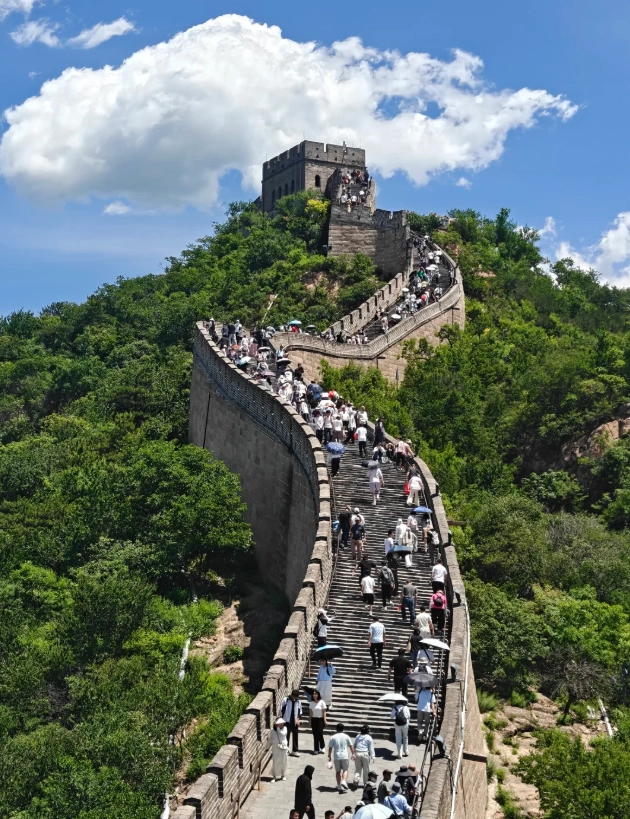
Key practical info:
- Ticket price: 40 RMB (peak season). Cable car round trip: 120 RMB. Toboggan: 100 RMB. Pay via WeChat or Alipay — cash and international cards are rarely accepted. I always tell my clients to pre‑book on Trip.com to skip the queue. You'll need your passport number.
- Getting there: Take a Didi from central Beijing (about 200 RMB). Tell the driver to head to "Mutianyu Great Wall Entry Gate" (慕田峪长城入口). Alternatively, take bus H23 from Dongzhimen to Huairou, then a local taxi — but that's a hassle. The direct shuttle bus from Dongzhimen (cost: 40 RMB) runs only in peak season, so check the day before.
- Navigation: Apple Maps works fairly well here. Download the offline map just in case. Once at the entrance, follow the English signs — they're decent.
- Best time to go: Arrive by 8:00 AM to beat the crowds. The afternoon light (after 3 PM) is gorgeous for photos, but you'll encounter more people. I always recommend weekdays — weekends are packed with domestic tourists.
- Insider advice: Avoid the public toilet near the ticket office — it's small and often has a long line. Use the restroom at the cable car departure area instead.
Badaling Great Wall: Most Famous & Crowded
Badaling is the most visited section — and the most touristy. It's where presidents go, and where every bus tour dumps its passengers. If you absolutely must see the wall that appears on every postcard, Badaling delivers. But fair warning: prepare for shoulder‑to‑shoulder walking in peak hours.
Key practical info:
- Ticket price: 40 RMB (peak). Cable car: 100 RMB round trip. Again, mobile payment only. I've watched dozens of tourists fumble with cash — don't be that person. Book via Trip.com or the official WeChat mini‑program (have your hotel download and set it up).
- Getting there: Train S2 from Huangtudian station to Badaling (6 RMB, about 1 hour). The station is near the Great Wall, but tickets sell out fast. Alternatively, Didi costs around 300 RMB. Avoid buses from Qianmen — they're overpriced and crammed.
- Navigation: Forget Google Maps. Use Apple Maps or the Chinese app Gaode (AMap). I save the Chinese address on my phone to show taxi drivers: 八达岭长城.
- Crowd avoidance: Go at 3:30 PM — most tour groups leave by 4 PM. The light is also softer for photos. Never go on a Chinese national holiday unless you enjoy human traffic jams.
- Pro tip: The left side of the wall (after the entrance) is significantly less crowded than the right. Most people instinctively turn right.
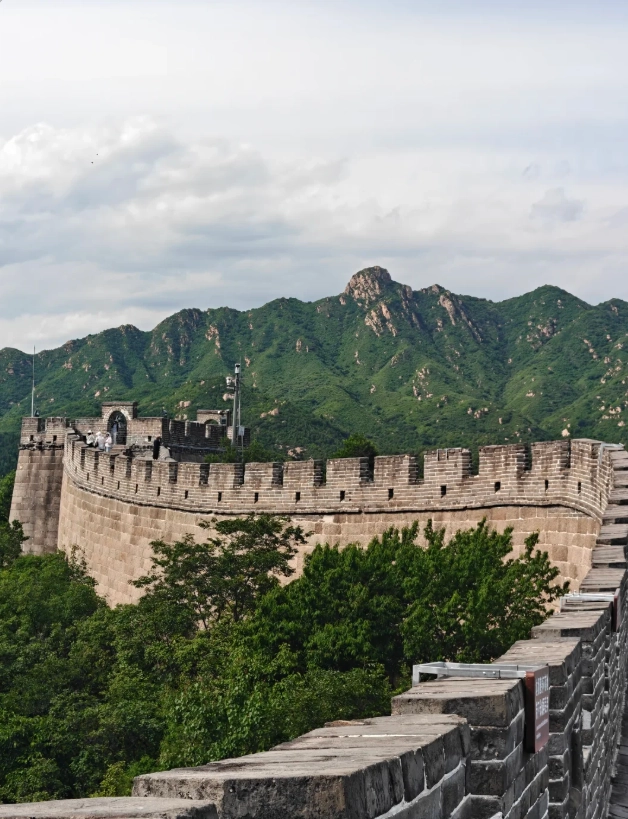
My honest take: Unless you're a first‑time visitor with a strong desire to see the most iconic stretch, I'd skip Badaling. Mutianyu offers a similar experience with half the people and way more fun (toboggan!).
Jiankou Great Wall: Wild & Adventurous
Jiankou is for thrill‑seekers who want the wall in its raw, untamed state. It's not restored. Parts are crumbling, overgrown, and steep. But the views are absolutely jaw‑dropping — and you'll likely have them to yourself. I've hiked Jiankou 20+ times, and every time my heart races at the first glimpse of the jagged watchtowers.
Key practical info:
- Difficulty: High. You'll need sturdy hiking boots, gloves (some sections require scrambling), and a good level of fitness. I do not recommend it for children or anyone with mobility issues.
- Guides: You can go solo, but I strongly suggest hiring a local guide (find them on Klook or through your hotel). They'll navigate the unmarked paths and ensure you don't end up on a dangerous cliff. Price: around 500 RMB for a half‑day.
- Getting there: Didi from Beijing to the village of Xizhazi (西栅子) — about 2 hours, 400 RMB. From there, a local farmer might drive you to the trailhead for 20 RMB.
- Pack wisely: No vendors on the wall. Bring at least 2 liters of water, snacks, and a fully charged phone with offline maps. Download the route in advance using Maps.Me.
- Safety: I cannot stress this enough: the wall is not maintained. Watch your step, especially after rain. I carry a small first‑aid kit and always share my location with a friend in Beijing.
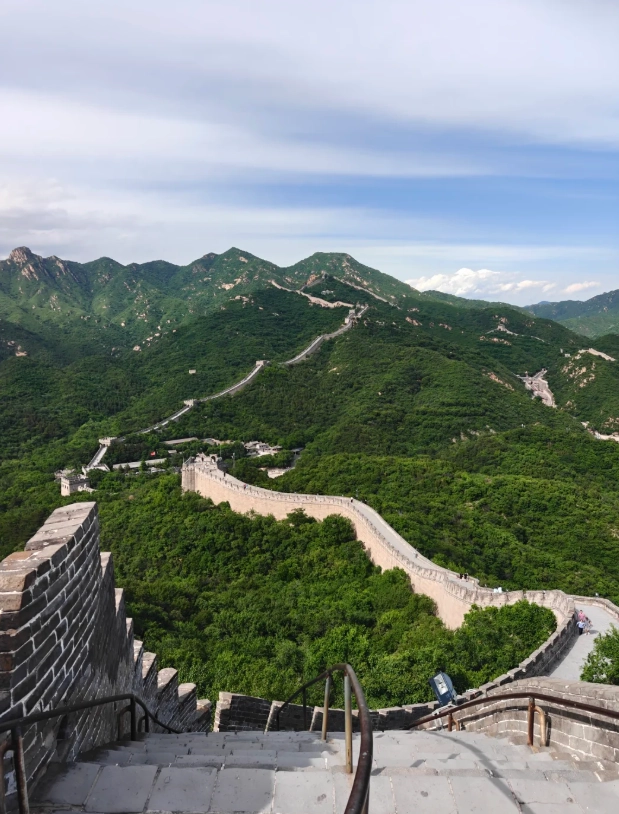
Simatai Great Wall: Night Hikes & Photography
Simatai is the only section that offers night visits. Imagine the Great Wall illuminated against a starry sky — it's pure magic. The wall here is partly restored, with unique steep staircases that make for fantastic photos. During the day, it's also less crowded than Mutianyu.
Key practical info:
- Night tours: Check the official schedule — night openings are seasonal (usually May to October, weather permitting). Tickets are limited, so book at least a week ahead on Trip.com. Price: 120 RMB (night).
- Getting there: A 2.5‑hour drive from central Beijing. Didi costs around 500 RMB one‑way. Alternatively, join a night tour package from a reputable agency — it includes transport and saves the headache of finding a return ride.
- Daytime info: Cable car available (100 RMB round trip). The Great Wall here has a remarkable "sky ladder" — 88 degree steps. Not for the faint of heart!
- Photography tip: Bring a tripod for the night tour. The best shots are from the second watchtower looking back at the lit wall.
- Payment: Again, mobile only. I've seen visitors struggle to buy water without WeChat. Carry some cash as backup (small denominations), but don't rely on it.
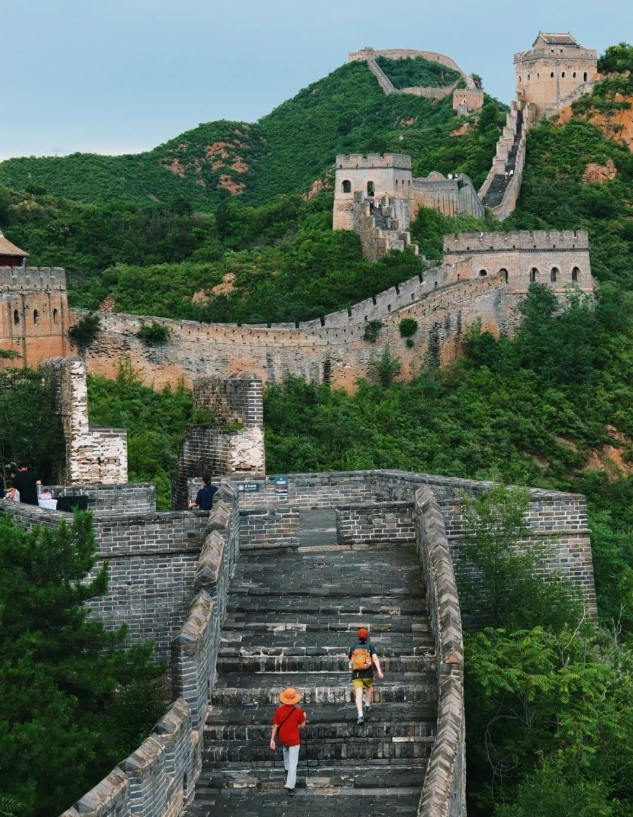
Jinshanling Great Wall: Hiking Paradise
If you love long hikes with diverse scenery, Jinshanling is your place. It's the longest restored section open to the public, with both restored and wild portions. The hike from Jinshanling to Simatai (about 10 km) is one of the best Great Wall walks in China. I usually tell my clients to allow 4–5 hours, with plenty of photo stops.
Key practical info:
- Entry fee: 65 RMB (peak). Cable car: 80 RMB one way. Save your energy for the downhill side.
- Getting there: Didi from Beijing costs about 500–600 RMB. There's also a direct bus from Dongzhimen (departs 8:00 AM, returns 3:00 PM, 80 RMB). But the bus is unreliable — I recommend splurging on a car with a driver for the day (around 800 RMB total).
- What to bring: Sun protection, at least 1.5 liters of water, and snacks. There's a small snack stand at the entrance, but prices are inflated and they don't take international cards.
- Best route: Head east from the entrance — the restored section is well‑paved and offers incredible views. If you're feeling adventurous, continue to the wild section (requires a local guide beyond the barrier).
- Crowds: Very few, especially on weekdays. I once walked for an hour without seeing another soul.
Insider Tips for Your Great Wall Visit
Here's what I've learned from years of making mistakes myself:
- VPN is essential. Many apps (Google, Instagram, Facebook) are blocked. Set up a reliable VPN before you land in China. I recommend Astrill or ExpressVPN.
- Download WeChat and Alipay and link an international credit card (Visa/Mastercard). Without them, you'll struggle to pay for almost everything. Even the ticket kiosks often reject cash.
- Pre‑book everything. Great Wall sections cap daily visitors. Use Trip.com or Klook — they accept international cards and provide English support. Booking at least 2 weeks ahead is wise.
- Bring your passport. You'll need it to enter all major attractions.
- Use a translation app like Apple Translate or Baidu Translate. Most signs at the Great Wall have English, but menus and bus stop signs often don't.
- Wear layers. The temperature on the wall can be 10°C cooler than in Beijing, and wind gusts are strong. A windproof jacket is worth its weight.
- Hydrate before you go. Toilets on the wall are few and far between — and they're squat toilets with no toilet paper. Bring your own travel tissues and hand sanitizer.
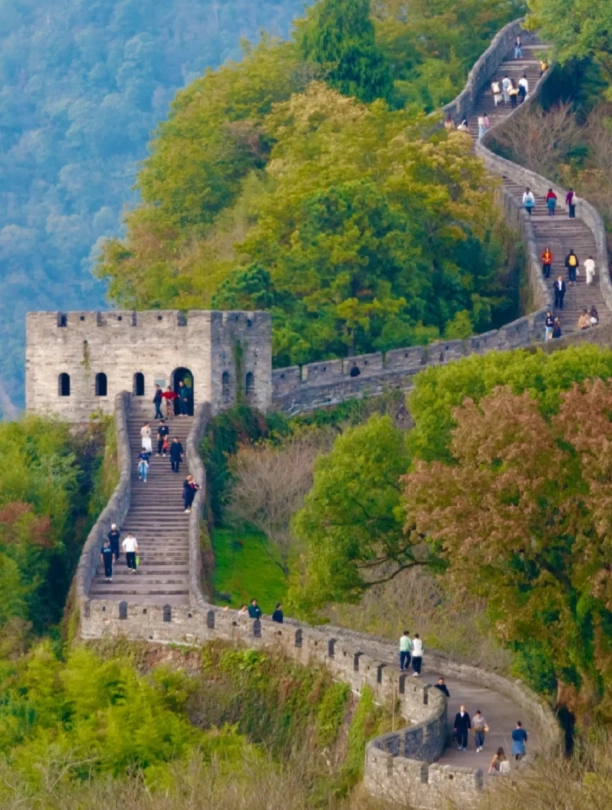
Insider Advice: Most guides tell you to go early. I say go late — arrive around 2:00 PM. The morning crowds are gone, the light is golden, and you can enjoy a quieter experience until closing time (usually 5:00 PM). Plus, the afternoon temperature is milder.
Frequently Asked Questions
Verified and fact‑checked by the editorial team. This content has been fact‑checked to ensure informational precision.





I wanted to love Mutianyu because everyone says it is better than Badaling, and the scenery really is pretty. But the shuttle from the parking lot is mandatory and crowded, the cable car is very pricey on top of the entrance ticket, and the stone steps are so uneven and worn in places that I was honestly scared. Badaling felt more convenient and easier to walk for someone like my mom. Maybe I caught Mutianyu on a bad day, but I left a bit let down. It is not a terrible visit, just not the bucket-list feeling I expected.
Solid trip, but not perfect. Mutianyu is definitely more scenic and less packed than Badaling. Views from the higher watchtowers are incredible, and the air was surprisingly clear. However, a lot of the wall is heavily restored, so it lacks that raw, crumbling atmosphere I was hoping for. The cable car line was also about 40 minutes in the sun. Badaling is more convenient and paved in parts, but far too touristy. Mutianyu was great, just not the five-star perfect hike I had built up in my head.
I usually avoid the absolute top sights, but I gave Mutianyu a chance and it surprised me. The wall snakes along the ridge so dramatically that I kept stopping just to stare. Walk past the first few towers and you find quiet stretches that feel empty. Badaling may have the historical fame, but selfie sticks and souvenir stalls completely killed the vibe for me. Mutianyu still has vendors, but they are far less pushy. It felt like the actual Great Wall, not a theme park.
We visited both sections during our week in Beijing. Badaling was easier to reach by train and the name is impressive, but the crowds made it stressful with two kids. Mutianyu was much better for a family: clean restrooms, a proper food court, and the cable car up felt safe. The steps are steep in places, but there are railings in the tricky spots. The toboggan ride down was the kids' favorite memory of the whole trip. Highly recommend Mutianyu over Badaling, unless you really want the tourist-brochure shot of Badaling.
Mutianyu wins for me, hands down. I went to Badaling first because my hotel host recommended it, and it was shoulder-to-shoulder everywhere. Mutianyu had actual elbow room and I could hear birds. I took the cable car up, walked from watchtower 14 to 6, and the hazy Beijing morning made the mountains look like an ink painting. The toboggan down was the perfect silly ending. If you want a Great Wall experience without being shoved along, pick Mutianyu.