 Yan Zhou
What's Inside
I've been bringing travelers to Taoxichuan for years, and every time I see their faces light up when they step into this sprawling ceramic wonderland. It's not your typical museum – it's a living, breathing arts district built from a former (state-owned porcelain factory). You'll find workshops, galleries, boutiques, and cafes all wrapped in that industrial-chic vibe. But let me cut the fluff: if you only have 24 hours in Jingdezhen, this is where you spend your afternoon and evening.
Taoxichuan is about 3 km from Jingdezhen's city center, and it's the single best place to experience both traditional and contemporary ceramic art. The key is to come with a plan, because wandering aimlessly can leave you overwhelmed. Here's exactly how to make the most of your visit.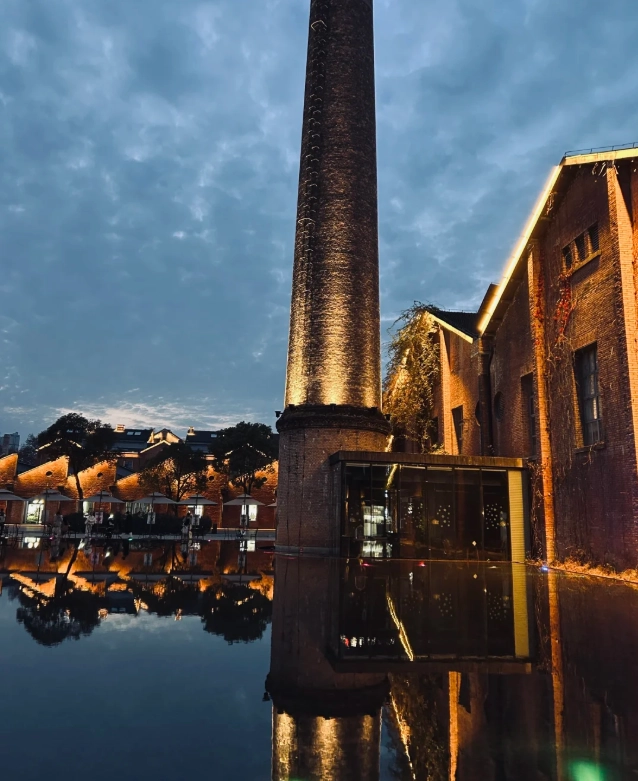
Best Time to Visit
I always tell my groups to arrive around 3 PM. Why? Two reasons: the light is perfect for photos (those red-brick buildings glow in the afternoon sun), and you can seamlessly transition into the evening when the whole place lights up and the night market starts rolling. Avoid midday – especially between 11 AM and 1 PM – when the sun is harsh and the crowds are thickest. If you're a night owl, come back after 7 PM for a completely different atmosphere: live music, glowing kilns, and a more relaxed pace.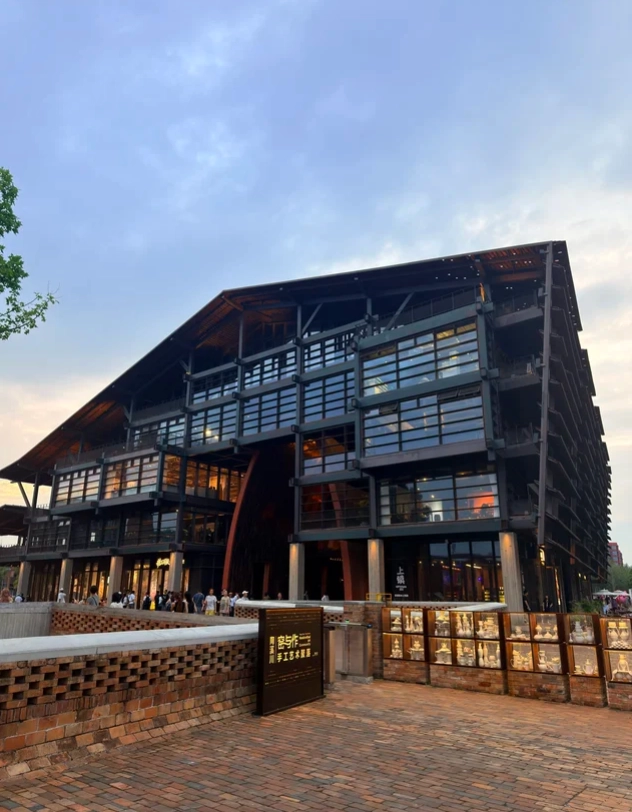
How to Get There
From Jingdezhen Airport (JDZ)
The airport is about 10 km northwest of the city. Taxi is your best bet – fixed price around ¥40-50 (no meter needed). Show the driver "陶溪川文创街区" or just "Taoxichuan." The ride takes roughly 20 minutes. Alternatively, take bus route 28 from the airport to "陶溪川站" – about 40 minutes, ¥2. But honestly, with luggage, just grab a taxi.
From Jingdezhen Railway Station (old station)
The old station is much closer – only 2 km. Take bus 1, 6, or 10 to "里村" stop, then walk 5 minutes. Or just walk – it's a pleasant 20-minute stroll through old neighborhoods. Taxi cost about ¥10.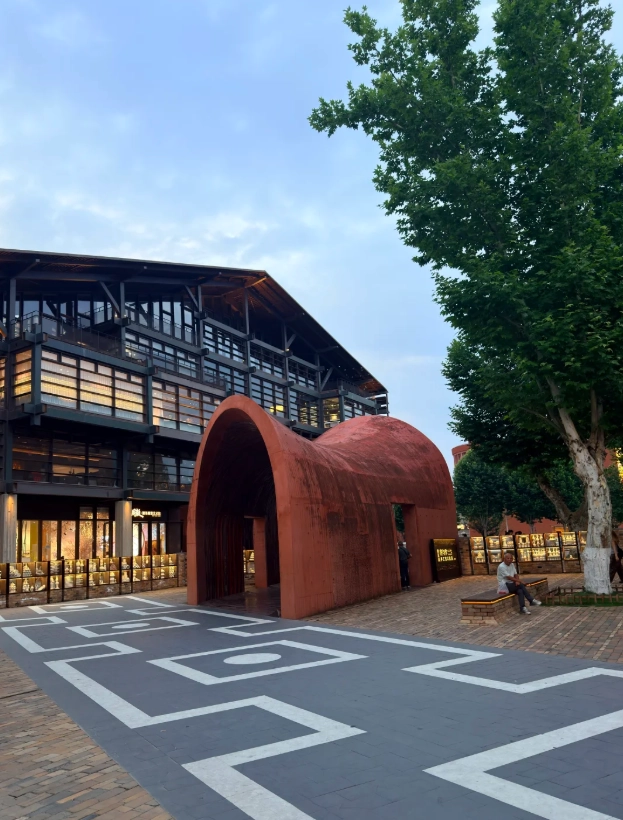
From Jingdezhen North Station (high-speed rail, G-trains)
This station is 12 km away. Take bus 901 or 902 to "陶溪川" stop (about 50 minutes, ¥2). Taxi costs ¥30-40 (15 minutes). I recommend taxi if you're short on time.
| Starting Point | Distance | Best Option | Cost | Time |
|---|---|---|---|---|
| Airport | 10 km | Taxi | ¥40-50 | 20 min |
| Old Station | 2 km | Walk / Bus 1,6,10 | ¥0-2 | 20-30 min |
| North Station | 12 km | Bus 901/902 | ¥2 | 50 min |
Tickets & Opening Hours
Good news: the main avenue is free to enter. No ticket needed for the outdoor area. However, some individual museums and galleries inside charge admission. The most popular one is the Taoxichuan Ceramic Museum ( ¥50 for adults, ¥25 for students and seniors over 65). You can buy tickets at the entrance or scan a QR code – but the QR leads to a WeChat mini program that's only in Chinese. Here's the catch: if you don't have WeChat Pay or Alipay, bring cash for the ticket booth.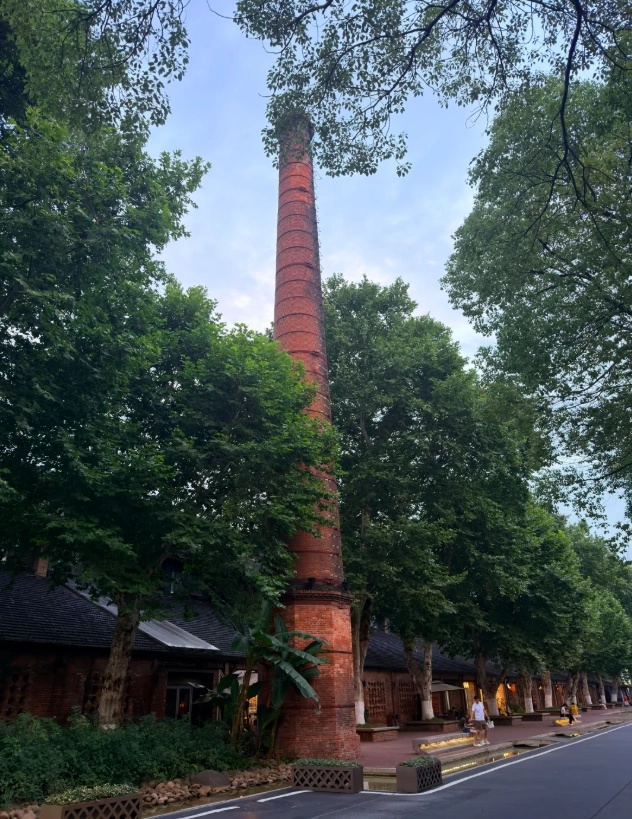
Special closures: The museum is closed on Mondays (except during national holidays like May Day or National Day). Don't get caught out – I've had a few disappointed guests who showed up on a Monday expecting the museum to be open.
What to See and Do
1. The Main Axis: Ceramic Boutiques & Studios
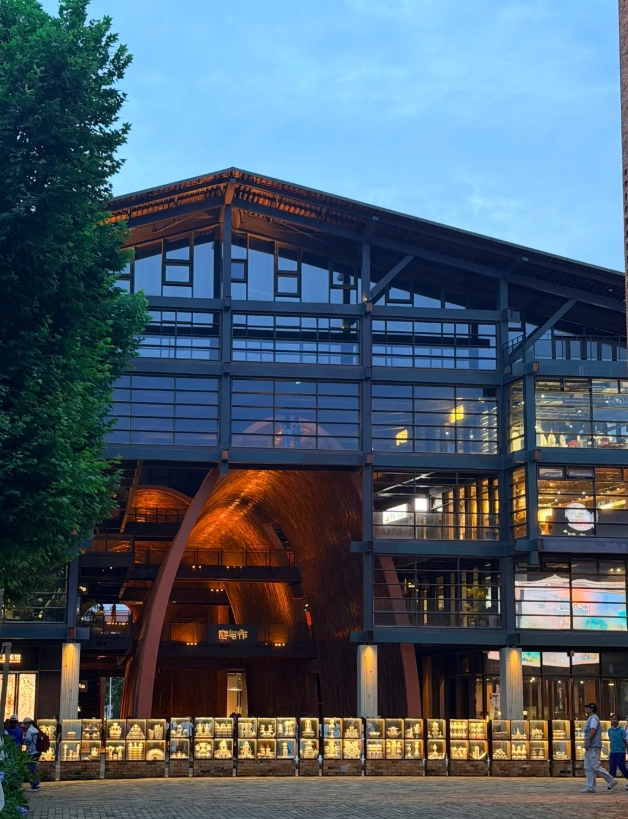
Walk straight from the main entrance (the big arch with "陶溪川" in red). Both sides are lined with studios where you can watch artists at work. I love stopping at Yi Studio on the right – they do live porcelain painting demonstrations. Don't be shy to ask questions; most artists speak a bit of English and love sharing their craft.
2. The Old Factory Buildings
The preserved kiln buildings are Instagram gold. The original tunnel kiln is still inside Building 3 – you can walk through it. The smell of clay and fire is unforgettable. Head to the second floor for a view over the whole complex.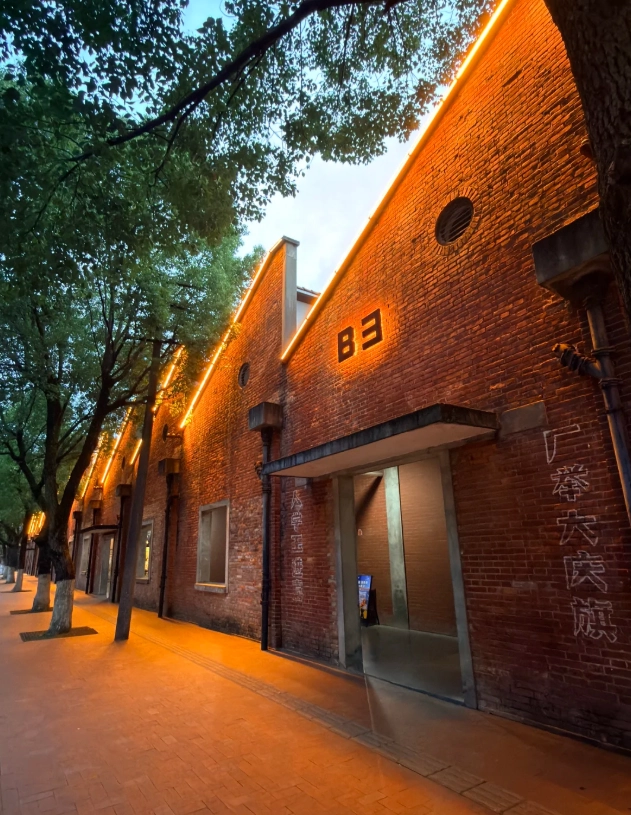
3. Taoxichuan Ceramic Museum
If you're into history, this is worth the ¥50. It traces Jingdezhen's porcelain evolution from imperial kilns to modern design. The highlight is the huge blue-and-white porcelain wall on the second floor. I recommend spending about 45 minutes here.
4. Night Market (Weekend Evenings)
From Friday to Sunday, a market sets up near the central square. Local artisans sell handmade pottery, jewelry, and snacks. Bargaining is expected – start at 50% of the asking price. I once got a beautiful tea set for ¥120 (originally ¥300).
Where to Eat and Shop
Food: My Go-To Spots
You can't leave without trying Jingdezhen cold noodles. At Lao Fang Noodle Shop just outside the main entrance (address: 新厂西路 138号), a bowl costs ¥12 and it's spicy, sour, and refreshing. They also have vegetarian options (ask for "sù"). Google Maps rating: 4.5. No English menu, but point at the picture.
For a sit-down meal, Yi Pin Xuan inside the avenue serves local Jiangxi cuisine. Try the potted tofu and steamed pork with rice flour. Average ¥60 per person. They accept WeChat Pay and cash, but not international credit cards.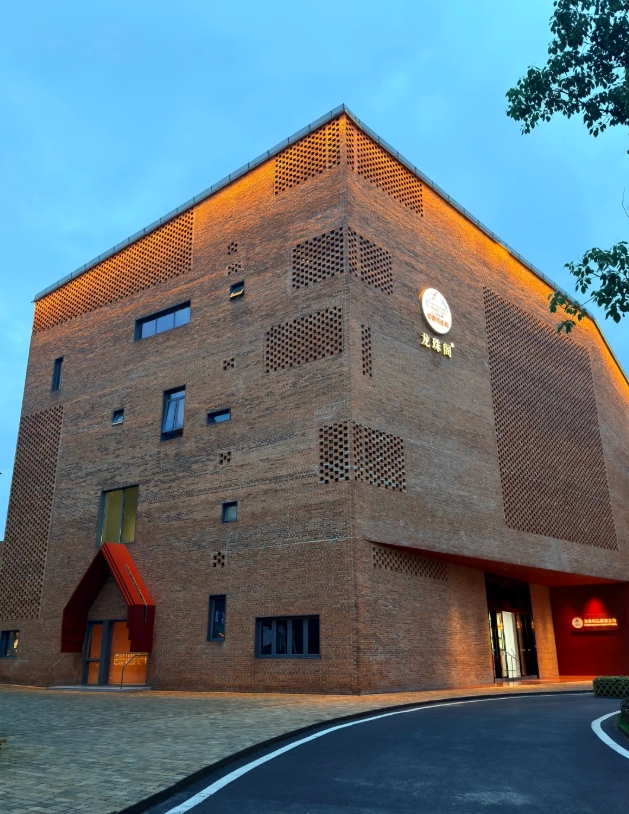
Shopping: What to Buy
Ceramic souvenirs are everywhere. But don't buy the first thing you see. Prices vary wildly. I always recommend Pottery Studio No.7 for unique hand-painted mugs (¥80-200). For high-end pieces, Xu De Jia has museum-quality vases (¥500+).
Insider Tips
- Toilet strategy: The public restrooms near the main entrance are clean but often have a long line (especially women's). Use the one inside the museum – it's rarely crowded.
- Photos without people: The best empty shots are before 10 AM or after 5 PM. The famous "red brick corridor" is empty at 8:30 AM when only the cleaning staff are around.
- Carry small bills: Many street vendors don't have change for ¥100 notes. Keep ¥5, ¥10, and ¥20 bills handy.
- Getting a taxi back: After 9 PM, taxis can be scarce. Use Didi (the Chinese Uber) and set pickup to the main entrance. If you don't have the app, ask a shopkeeper to call one for you.
FAQ
Verified and fact-checked by the editorial team.






No comments yet.