 Qiang Huang
Quick Navigation
I've been guiding travelers through China for over a decade, and Jingdezhen still surprises me. Most people come expecting dusty museums – they leave with clay under their fingernails and a newfound obsession. This 5-day itinerary cuts through the noise. No fluff, just the exact spots where you can fire a pot in a 300-year-old kiln, eat noodles that locals line up for, and shop without getting ripped off. Let's dive in.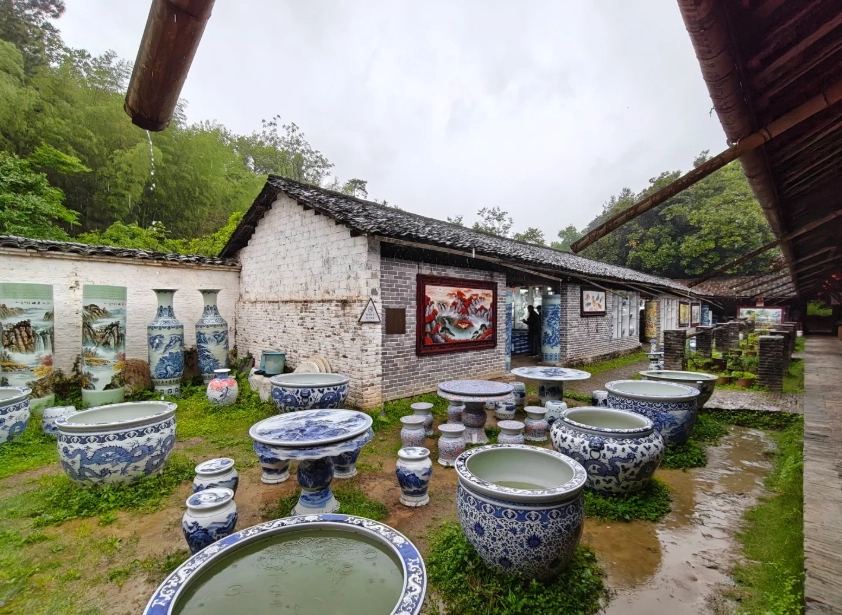
Day 1: Arriving and Getting Your Bearings
Fly into Jingdezhen Luojia Airport (JDZ) – a tiny airport but with direct flights from Beijing, Shanghai, and Guangzhou. From the airport, a taxi to the city center costs about 40 RMB (20 minutes). Don't use the black-market touts; go to the official taxi stand.
For dinner, head to Furong Street Night Market (open 6pm–midnight). Don't miss the Leng Fen (cold rice noodles) from stall #12 – spicy, sour, addictive. Cash only, mobile payment accepted via Alipay/WeChat. No English menu, but pointing works.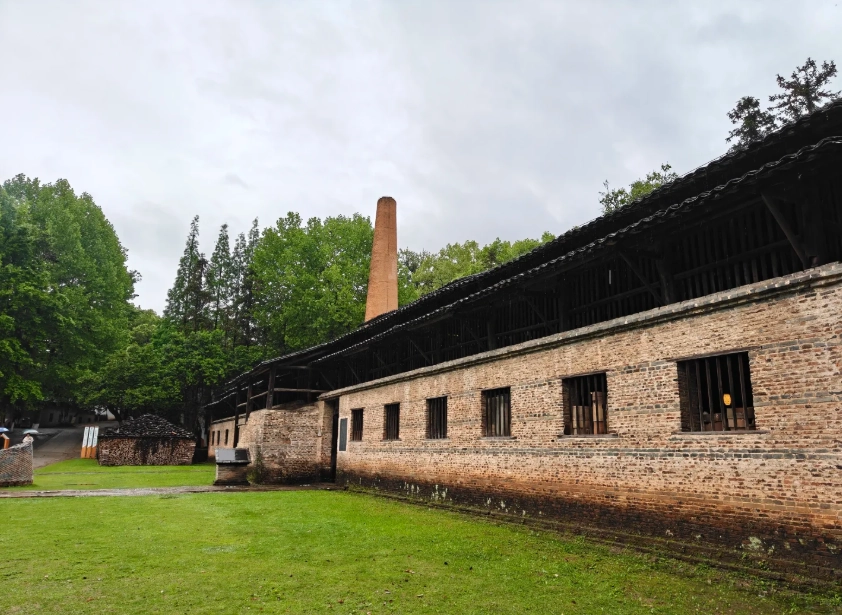
Day 2: Ancient Kilns and Modern Masterpieces
Start at Jingdezhen Ancient Kiln Folk Culture Museum (Address: No.1, North of Cidu Avenue). Opens at 8:30am – get there by 8:00 to avoid the bus groups. Ticket: 95 RMB (adults), 45 RMB (students). You need to pre-book via the 'Jingdezhen Travel' WeChat mini-program – tricky for foreigners. Ask your hotel to help.
The highlight is the Yuan Dynasty Kiln Site: you can see the actual dragon kiln that operated in the 1300s. Guided tours are in Chinese, but ask for an English audio guide (free deposit required). Allow 3 hours.
After lunch (try Jiangxi Noodles at Laobaixing Noodle Shop, 5 RMB a bowl), walk to China Ceramics Museum (Address: 1 Jingde Avenue, free entry but passport required). The collection spans 2000 years – the Song Dynasty celadon is breathtaking. Don't miss the modern gallery on the 3rd floor; it's air-conditioned (relief from July heat).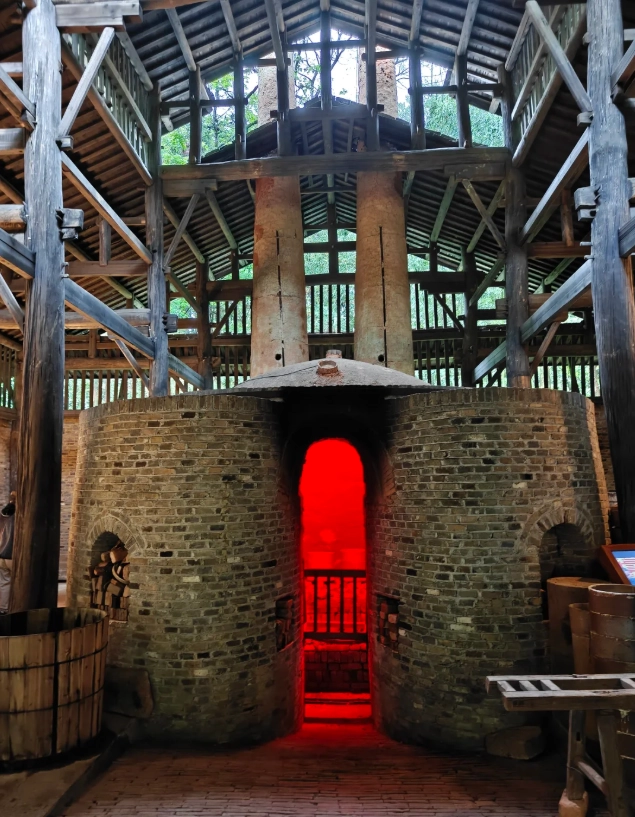
Evening: Jingdezhen Porcelain Concert
Yes, a concert where musicians play instruments made of porcelain. It's at the Grand Theater inside Taoxichuan. Tickets: 180 RMB – buy at the box office. The show lasts 1.5 hours and is surprisingly moving. I always tell my clients to sit in row 8 (center aisle) for the best acoustics.
Day 3: Hands-On Pottery and Off the Beaten Path
This is the day you get dirty. Skip the touristy 'pottery experience' places – they overcharge and rush you. Instead, book a half-day workshop at Sanbao International Ceramic Art Village (Address: 15 km northeast of city center). Take bus 16 from Train Station to Sanbao stop, then walk 500 meters. A private lesson with a master costs 300 RMB (clay, firing, and glazing included). I've been going there for years – Master Liu speaks basic English and is incredibly patient.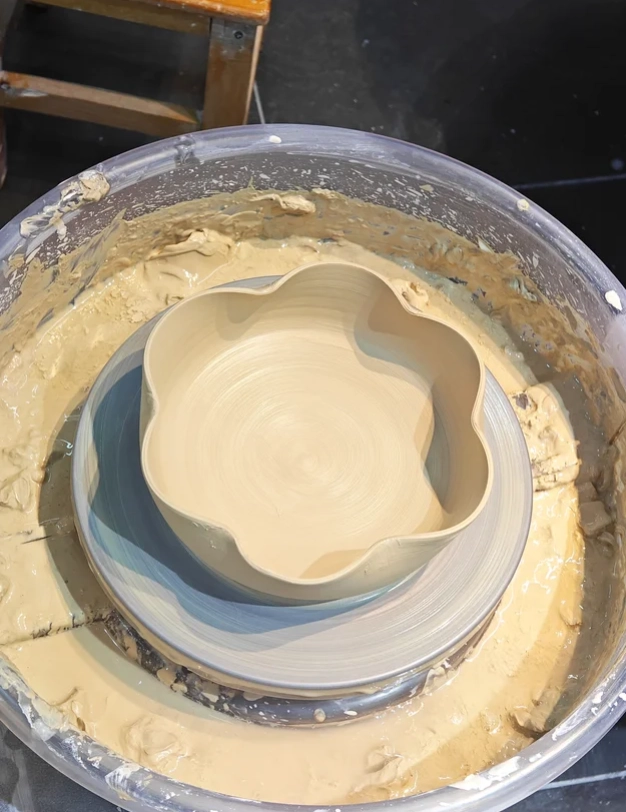
Spend the afternoon exploring Sanbao Village itself – a cluster of artist studios and galleries. Check out Hutian Kiln Ruins – free, no crowds, and you can see broken shards from the Song dynasty just lying around. Don't take them (it's illegal), but you can photograph them.
Dinner at Yi Ren Shi Guang (Address: Inside Sanbao) – they serve farm-to-table Jiangxi cuisine. Their braised pork with dried bamboo shoots is legendary. About 60 RMB per person.
Day 4: Porcelain Markets and Hidden Gems
Morning at Guotu Ceramic Market (Address: South of Guotu Square, opens 6am–12pm). This is where locals shop. Prices start at 5 RMB for small bowls. Bargain hard – offer 60% of the asking price. The vendors expect it. Avoid the 'antique' stalls; they're modern fakes.
Afternoon: Take a taxi (30 minutes, 45 RMB) to Yaoli Ancient Town. This is a preserved Ming-Qing dynasty village with a porcelain history. Admission: 60 RMB. The wooden buildings and narrow lanes are photogenic. Climb the small hill to the temple for a panoramic view. There's a tiny teahouse inside the temple – try the local black tea, 10 RMB a cup.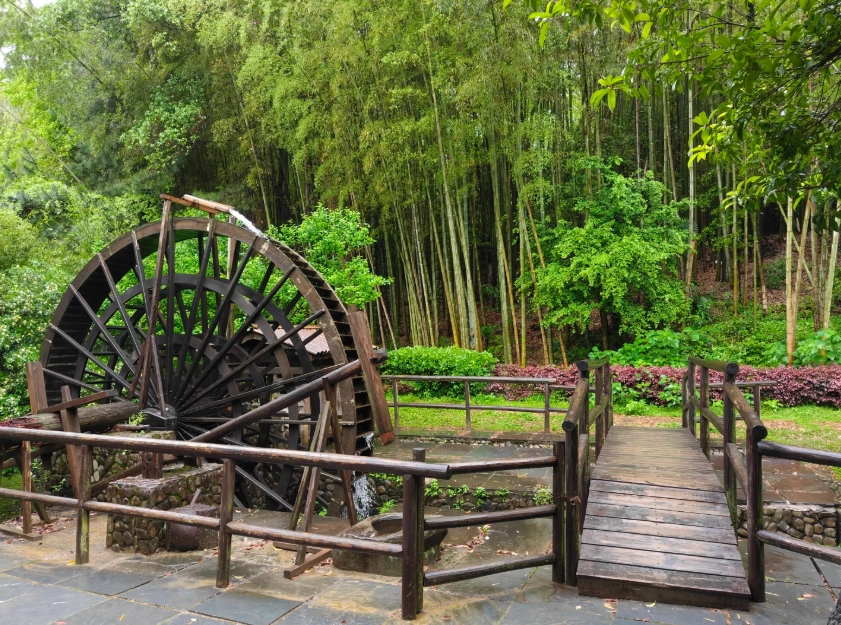
If the weather is bad, skip Yaoli and instead visit Jingdezhen Creative Design Center (indoors, free). It's a mall of contemporary ceramic design – Instagram-worthy pieces but pricey. Good for gift shopping.
Day 5: Final Shopping and Departure
Last morning – hit Lianhua Road Porcelain Street (Address: Near Lianhua Reservoir). It's less touristy than Guotu. I've bought stunning hand-painted plates here for 20 RMB each (in tourist shops they'd be 80). Cash is preferred; some take WeChat.
If you have a late flight, consider a visit to Jingdezhen Ceramic Industry Museum (free, near airport). It's small but gives context on modern production. The gift shop has factory-direct seconds – slight imperfections but 70% cheaper.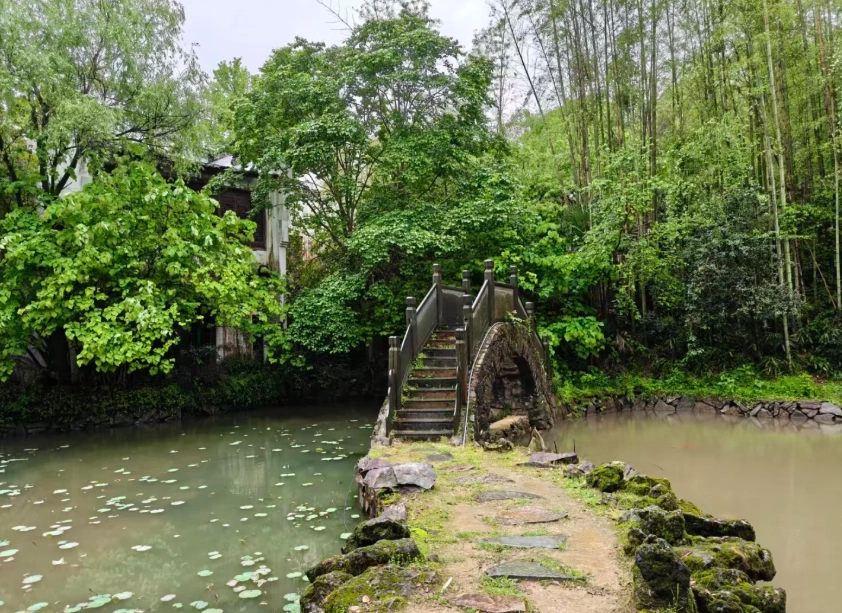
Where to Stay in Jingdezhen
| Hotel | Address | Price (per night) | Best For | Notes |
|---|---|---|---|---|
| Taoxichuan Art Hotel | Inside Taoxichuan | 400–800 RMB | Art lovers, couples | Designer rooms, English spoken, rooftop bar. Free Wi-Fi. |
| Jingdezhen International Youth Hostel | Near Ancient Kiln Museum | 80–150 RMB (dorm/private) | Solo travelers, budget | Clean, free walking tours twice a week. No elevator. |
| Pullman Jingdezhen | Near airport | 600–1200 RMB | Business, luxury | International chains, spa, pool. Taxi to center 30 min. |
| Sanbao Hidden Inn | Sanbao Village | 250–400 RMB | Nature, pottery enthusiasts | Rustic but charming. Hosts offer pottery lessons. No credit card – pay cash. |






No comments yet.