 Yan Zhou
I've been guiding travelers through Jiangxi for over eight years, and Sanbao International Ceramic Art Village is one of those places that surprises everyone—including me the first time I went. Most visitors ask me: "Is Sanbao International Ceramic Art Village worth visiting?" My short answer: absolutely yes, but only if you know what you're getting into and when to go. Let me walk you through exactly what makes this place special and how to avoid the rookie mistakes I see tourists make every week.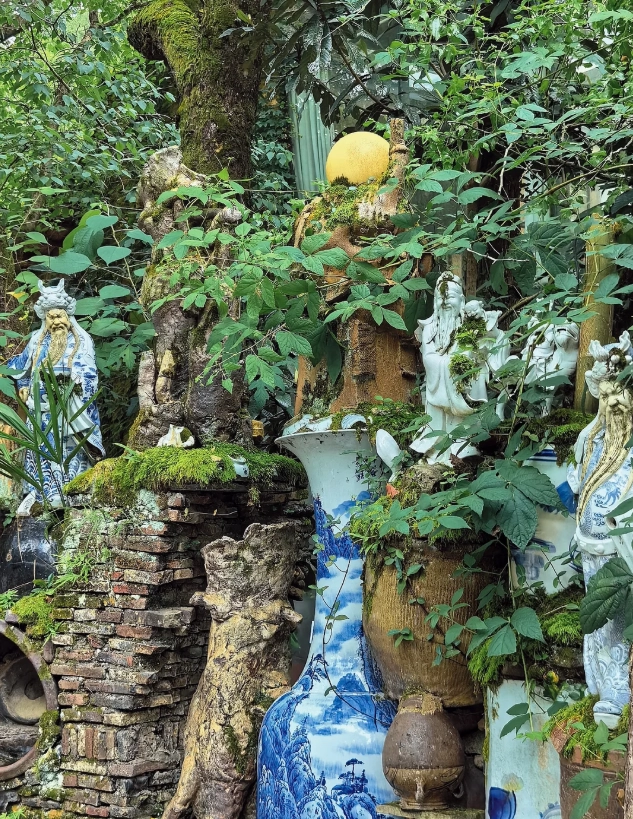
My First Impression of Sanbao
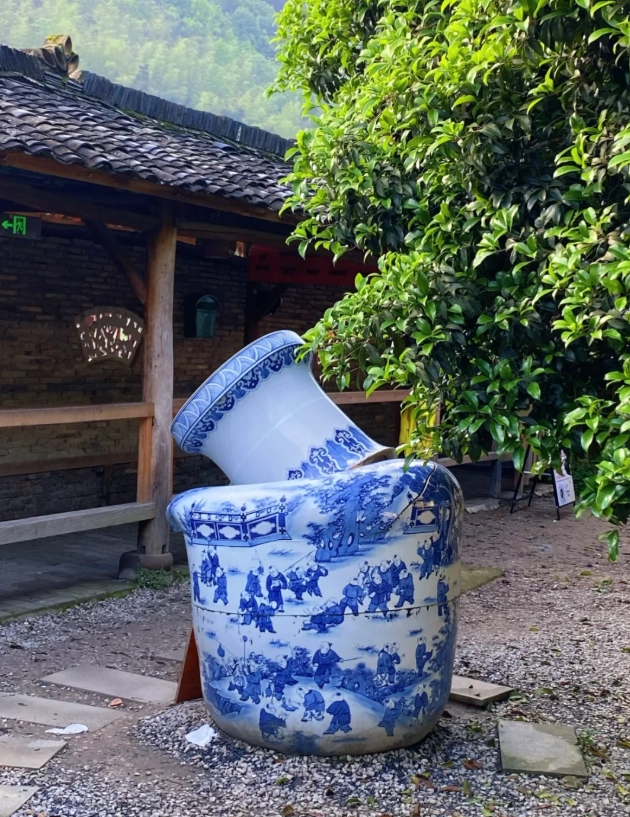
Driving up the winding road about 15 minutes from Jingdezhen city center, you'll start seeing sprawling green hills dotted with rice terraces. Then, suddenly, a giant ceramic mural appears on your left. That's the entrance. Unlike the polished, touristy shops in downtown Jingdezhen, Sanbao feels raw and authentic—a working artists' colony tucked in a valley. I remember thinking, "This is exactly what I'd hoped Jingdezhen would feel like."
The village spans along a creek, with old farmhouses converted into studios, galleries, and even a few cafes. artists from all over the world come here for residencies. You'll see potters throwing clay in open-air workshops, kilns smoking, and walls covered in mosaic pieces. It's not just a place to buy ceramics—it's a place to see how they're born.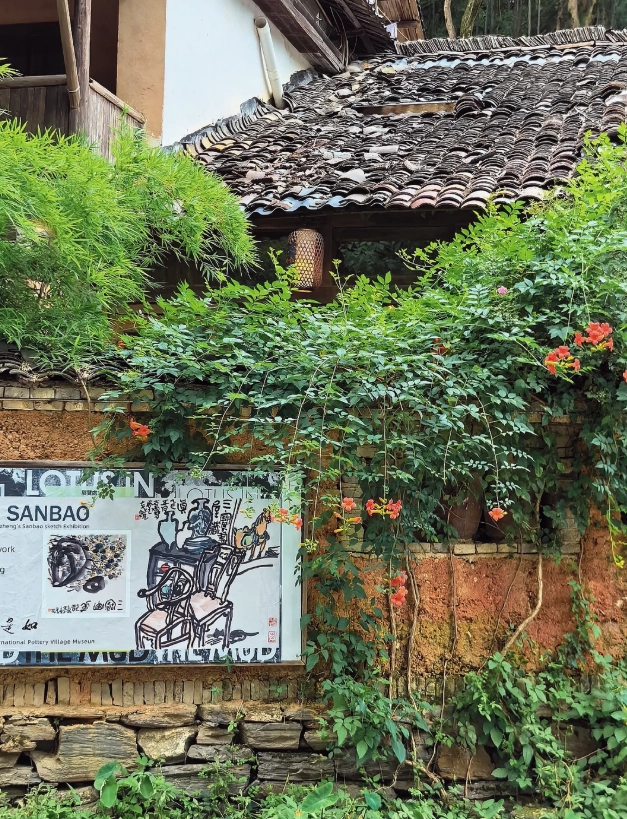
Key Info: Tickets, Hours, How to Get There
Let's get the practical stuff out of the way first. You don't want to show up and find the gate locked.
| Item | Details |
|---|---|
| Ticket Price (adult) | CNY 50 (about $7 USD) |
| Discounts | Children under 1.2m free; seniors 65+ half price; students half price with ID |
| Opening Hours | 8:30 AM – 5:30 PM (last entry at 4:30 PM); open daily, but some studios close on Mondays |
| Address | Sanbao Village, Zhushan District, Jingdezhen, Jiangxi |
| How to Get There | Take taxi or Didi from Jingdezhen city center (around CNY 30, 20 minutes). Bus route 17 ends near the entrance, then walk 800m uphill. Or rent an electric scooter—I often do that. |
When to Go for the Best Experience
I've been at least 30 times, and I can tell you: timing is everything. Most tourists go between 10 AM and 2 PM. That's when the tour buses unload. You'll be shuffling past selfie sticks and queuing for photos at the iconic "Dragon Kiln."
Instead, aim for 3:30 PM to 5:00 PM. The light gets golden, the crowds thin out, and many artists are still in their studios—happy to chat if you show genuine interest. I always tell my groups: "If you can only spare two hours, make it the last two hours of the day." Also, weekdays (Tuesday–Thursday) are far quieter than weekends.
Weather note: Summer is hot and humid (35°C/95°F often). Spring and autumn are perfect—mild and dry. Winter can be chilly, but the kilns keep some studios warm.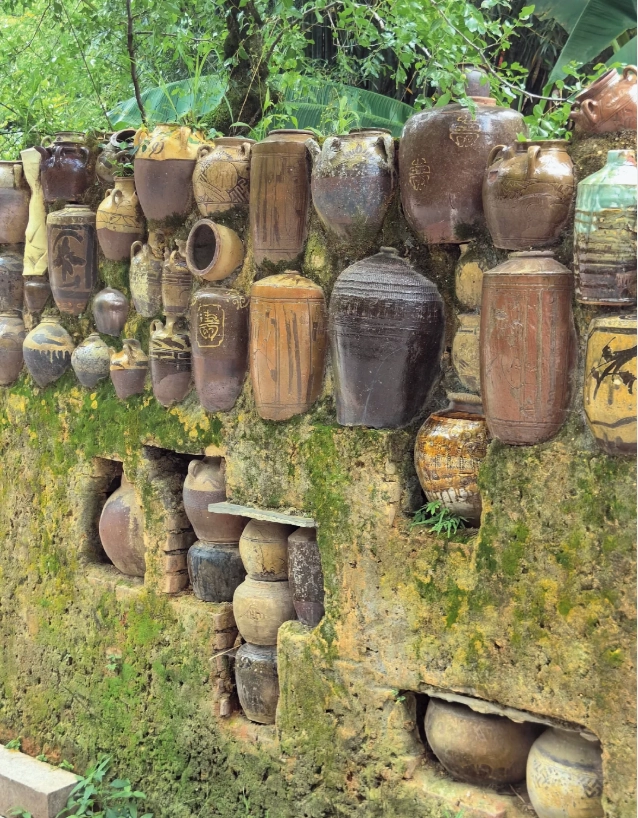
What to See and Do (Don't Miss These)
The Dragon Kiln
A massive, sloping brick kiln that dates back to the Ming Dynasty. It's still used for wood-fired firings a few times a year. Stand at the bottom and look up—it's humbling. Best photos from the far end at 4 PM when the sun hits the brick texture.
Artist Studios
Sanbao has about 20 active studios. My personal favorites: Liz's Studio (an American expat making stunning celadon pieces) and Mr. Chen's workshop (he does live throwing demos every day at 10 AM and 2 PM). Most studios welcome you to watch, but don't touch finished pieces without asking. Also, many accept commissions—custom-made tea sets start around CNY 300.
The Ceramic Museum
A small museum inside the village with pieces from past resident artists. Entry is free (included in your ticket). Takes about 30 minutes. Look for the collection of porcelain plates painted by 30 different artists—each one is unique.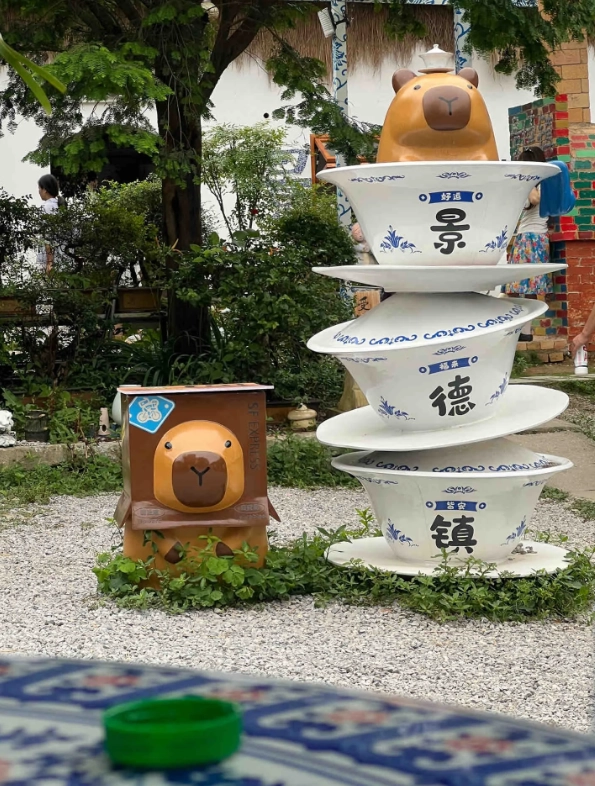
Pottery Experience
Want to get your hands dirty? Several studios offer 30-minute throwing sessions. Cost: about CNY 80–120. No reservation needed on weekdays, but on weekends you may have to wait. Pro tip: go to Studio 7 (just past the restaurant) – the instructor speaks basic English and is very patient.
Money Savers & Common Tourist Traps
- Don't buy ceramics at the first shop: Prices near the entrance are inflated. Walk 15 minutes deeper into the village—the studios there sell directly, often 30–50% cheaper.
- Souvenir negotiation: Most artists are not aggressive hagglers, but for bulk items (like a set of cups), a 10–15% discount is standard if you buy two or more. Don't lowball—these are genuine handmade pieces.
- Avoid the "free tea tasting" scam: Some small shops near the exit lure you in with "free tea" and then pressure you to buy low-quality tea sets. Just say "bu yao, xie xie" and walk away.
- Bring cash: While many studios accept WeChat Pay, some older artisans only take cash. I once had to borrow money from a client because I forgot! There's no ATM in the village.
Frequently Asked Questions
Verified and fact-checked by the editorial team. This content has been fact-checked to ensure informational precision.







No comments yet.