 Yan Zhou
Quick Navigation – Skip the fluff
I’ve led dozens of travelers through Jingdezhen, and I keep seeing the same mistake: they spend half a day at the official museums, snap a few photos of porcelain, and leave thinking they’ve seen it all. But the real magic – the gritty, muddy, hands-on soul of this city – hides in narrow alleyways and unmarked studios. Here’s how to actually experience Jingdezhen, not just glance at it.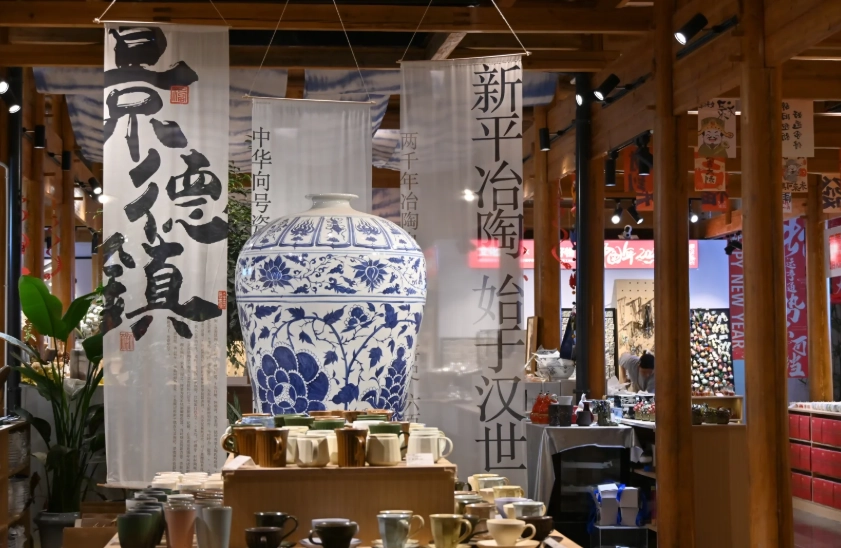
1. Get Your Hands Dirty at a Pottery Workshop
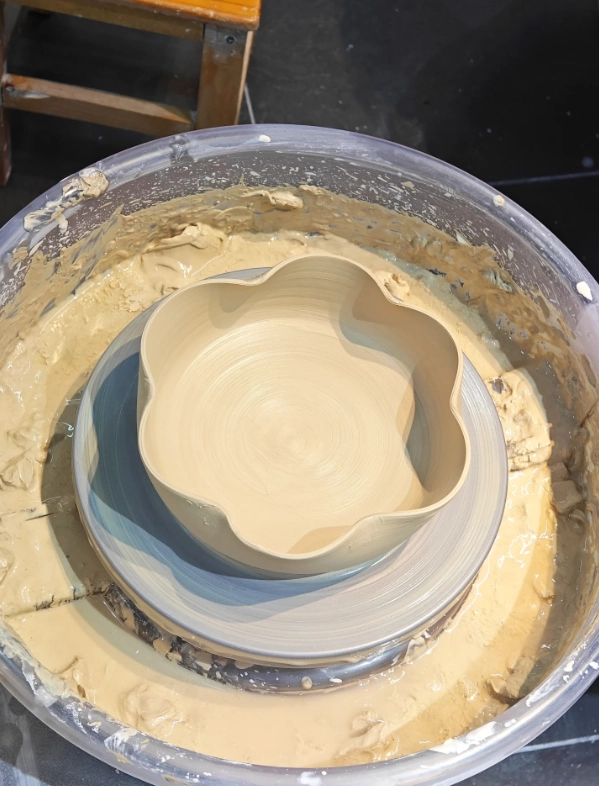
Skip the “watch and buy” shops. The best thing to do in Jingdezhen is to make your own piece of porcelain. Several studios offer English-friendly classes where you throw a pot, paint it, and have it fired and shipped home.
My top pick: Le Tao Pottery Studio
- Address: No. 169, Sanbao Road, Zhushan District (about 15 minutes by taxi from the train station).
- Price: 160–280 RMB per person depending on the session length (1.5–3 hours). No extra firing fee.
- Booking: Must reserve via WeChat at least a day ahead. Their English account is “LeTaoPottery”.
- What I love: The instructors are patient and speak decent English. They’ll guide you through wheel throwing even if you’ve never touched clay. I once brought a left-handed traveler who struggled everywhere else – here they had a left-handed wheel ready.
- Heads-up: Wear clothes you don’t mind getting muddy. The aprons they provide are thin.
Alternative: Sanbao International Ceramic Village
About 30 minutes out of the city center, this artist-in-residence hub offers open studio visits and occasional drop-in workshops. Entrance is free, but workshops cost 200–350 RMB. The village is quieter, with mountain views – great for a half-day escape. Transport: Take bus 5 from the city center to Sanbao stop, then walk 10 minutes uphill. Or taxi for about 40 RMB.
2. Explore the Ancient Kiln Folk Culture Museum
This is the top-rated attraction in Jingdezhen on all travel sites – and for good reason. It’s not a typical museum; it’s an open-air complex with reconstructed Ming- and Qing-dynasty kilns, live pottery demonstrations, and a folk performance area.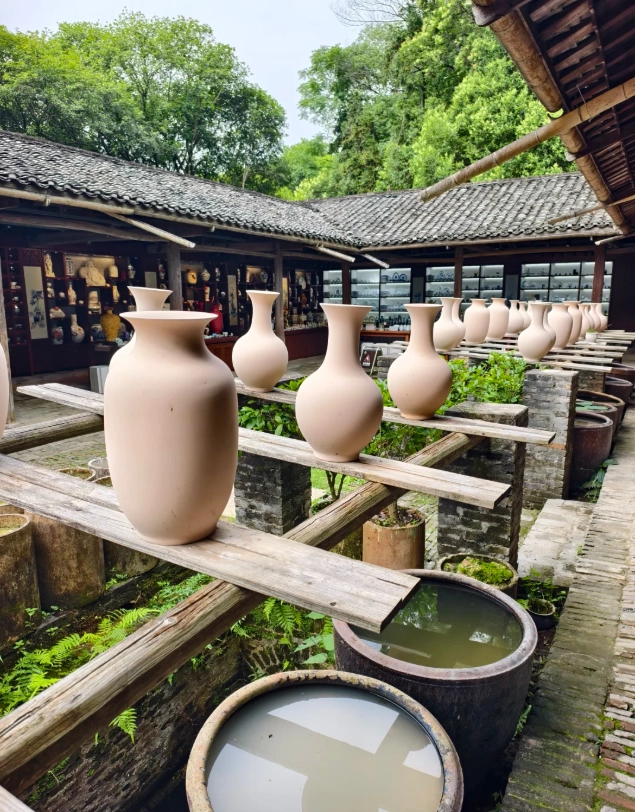
| Detail | Info |
|---|---|
| Address | No. 1 Ancient Kiln Road, Changjiang District |
| Ticket price | 95 RMB (adult); children under 1.2m free; seniors over 65 half price. No discount for students. |
| Opening hours | 8:30 – 17:00 (last entry at 16:30). Open every day, but some indoor sections close on Mondays. |
| Best time to visit | Arrive at 8:30 sharp – you’ll have the kilns almost to yourself. By 10:00 the tour groups flood in. |
| Suggested duration | 2–3 hours. Don’t skip the traditional opera show (included in ticket) at 10:00 and 14:00. |
One huge pain point: The ticket booth only accepts WeChat or Alipay. No cash, no foreign credit cards. Solution: Buy your ticket online via the official WeChat mini-program “景德镇古窑” (have your hotel concierge help if you can’t read Chinese). Or bring a Chinese friend to pay.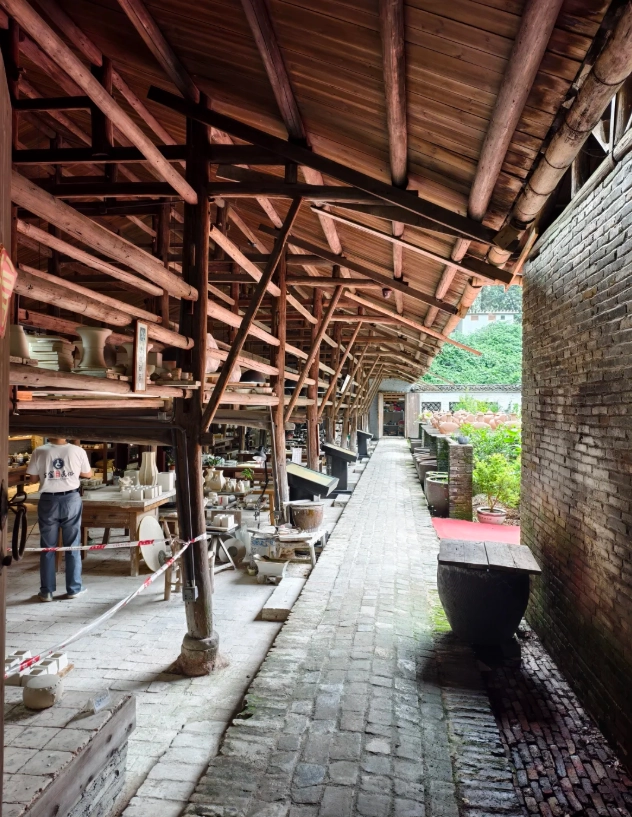
3. Stroll Through Taoxichuan Creative Zone
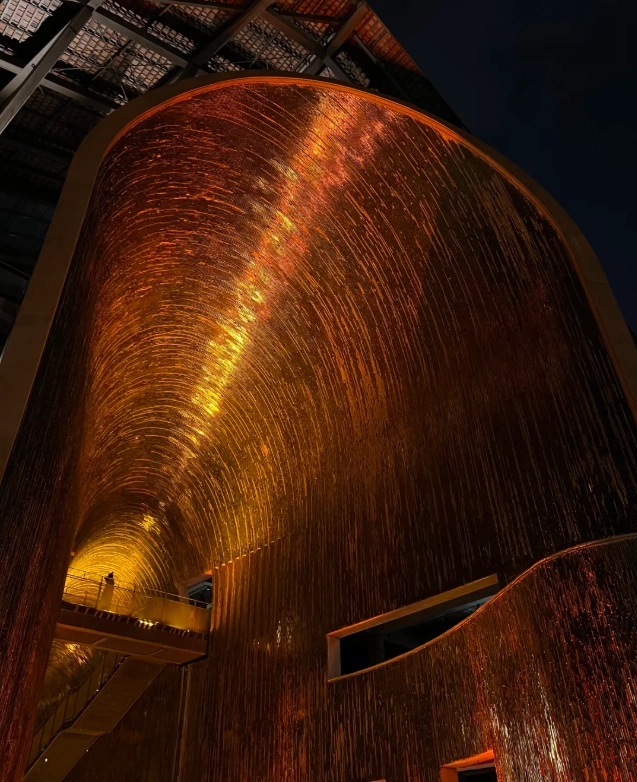
Taoxichuan used to be a state-owned ceramic factory; now it’s a sprawling creative district with galleries, design stores, cafes, and a weekend market. Entry is free.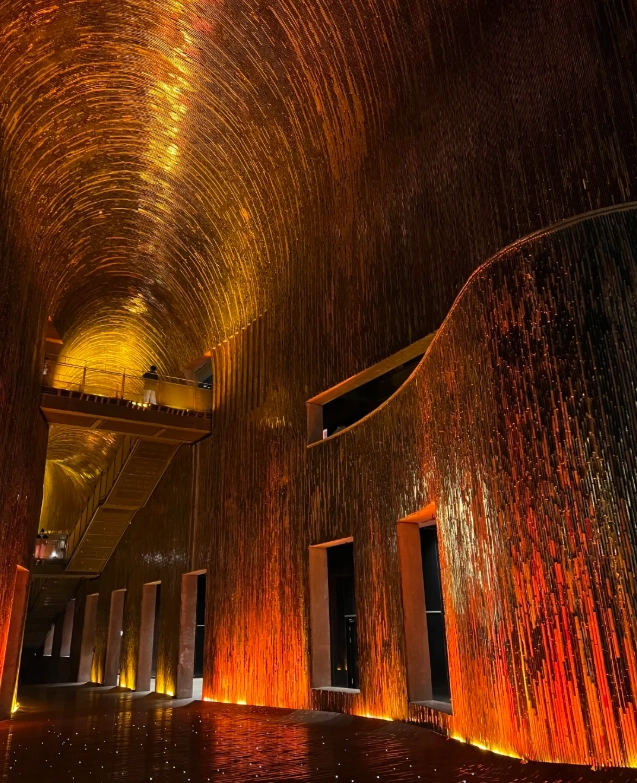
What to do here:
- Saturday Morning Market: From 9:00 to 12:00 every Saturday, local potters and students sell their handmade work. Prices are surprisingly reasonable (20–200 RMB for cups and vases). Bring cash – only a few vendors take cards.
- Jingdezhen Ceramic Museum branch: Inside Taoxichuan, this small but well-curated museum showcases modern ceramic art. Free entry.
- Coffee and People-Watching: Grab a seat at 3.W Coffee. Their cold brew (28 RMB) is strong, and the terrace overlooks old factory smokestacks. I always tell my clients: “This is where you recharge before the next workshop.”
Good to know:
- Most galleries open at 10:00 and close around 18:00.
- If you’re looking for affordable souvenirs, skip the polished stores and head to the back alleys – younger artists often sell experimental pieces for under 50 RMB.
- Transport: From Ancient Kiln Museum, take bus 3 (8 stops, 20 minutes) to Taoxichuan stop. Taxi costs about 15 RMB.
4. Eat Like a Local: Must-Try Dishes
Jingdezhen’s food is spicy and sour – think Jiangxi cuisine with a heavy hand on chili and pickled vegetables. Here’s what I always order for my groups:
| Dish | Where to try | Price range | My note |
|---|---|---|---|
| Cold Tofu with Pickled Pepper | Furen Tang (No. 56, Zhonghua North Road – a 15-minute walk from Taoxichuan) | 12 RMB | Refreshing and addictive. I always order it as a palate cleanser. |
| Lamb Noodle Soup | Yifu Noodle House (No. 22, Lishu Road – near the train station) | 18–25 RMB | The broth simmers overnight. Extremely popular – expect a 15-minute wait at dinner. They only take cash or WeChat. |
| Stir-fried River Snails | Lao Moshi Snail Shop (No. 8, Cuijia Alley – hidden in an old residential area; ask a local to point you) | 35 RMB per portion | Mildly spicy, very garlicky. Warning: Snails are slippery and require a toothpick – it’s messy but worth it. Bring wet wipes! |
A common frustration: Few restaurants have English menus. I recommend using the Dianping app to scroll through photos and point to what you want. Or just say “laoban, tuijian yige” (boss, recommend one) – they’ll bring you the local favorite.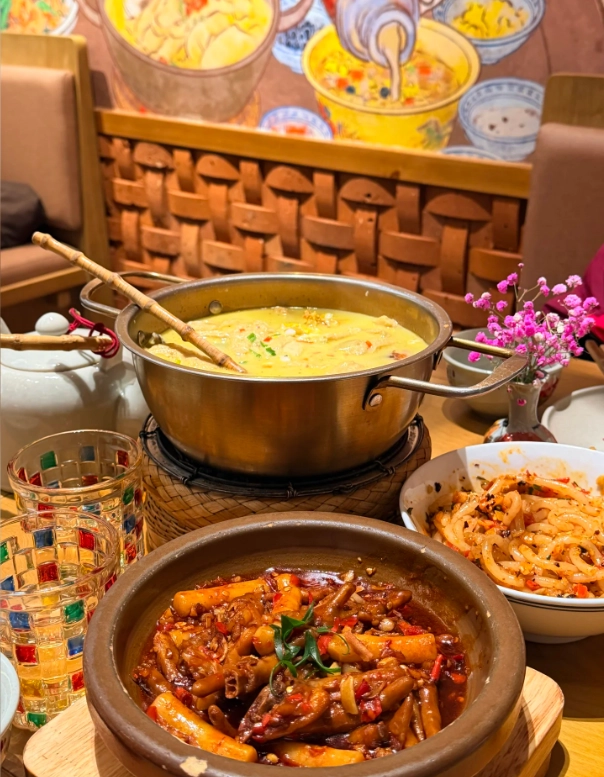
5. Where to Stay & How to Get Around
Recommended Hotels
- Blue House Boutique Hostel (near Taoxichuan): Dorm bed from 60 RMB, private room from 180 RMB. Great for solo travelers. They organize weekly pottery nights. English-speaking staff. Wi-Fi is stable.
- Jingdezhen Taoxichuan Hotel (4-star, inside the creative zone): Doubles from 450 RMB in low season. Perfect for couples. Has a small gym and a restaurant that serves Western breakfast. Note: The front desk speaks limited English – have your booking confirmation ready.
- Sanbao International Youth Hostel (near Sanbao village): Dorm bed 50 RMB. Ideal for nature lovers. It’s a 20-minute walk to the artists’ studios. Catch: No elevator, and the rooms can be noisy if groups are partying. Bring earplugs.
Getting Around
Jingdezhen is small; you can see the main sights in 2–3 days. Taxis start at 7 RMB – most rides within the city cost under 30 RMB. Buses run frequently (2 RMB, pay with QR code or cash). Didi (Chinese Uber) works well if you have the app. I don’t recommend renting a car because parking is chaotic near the ancient kiln.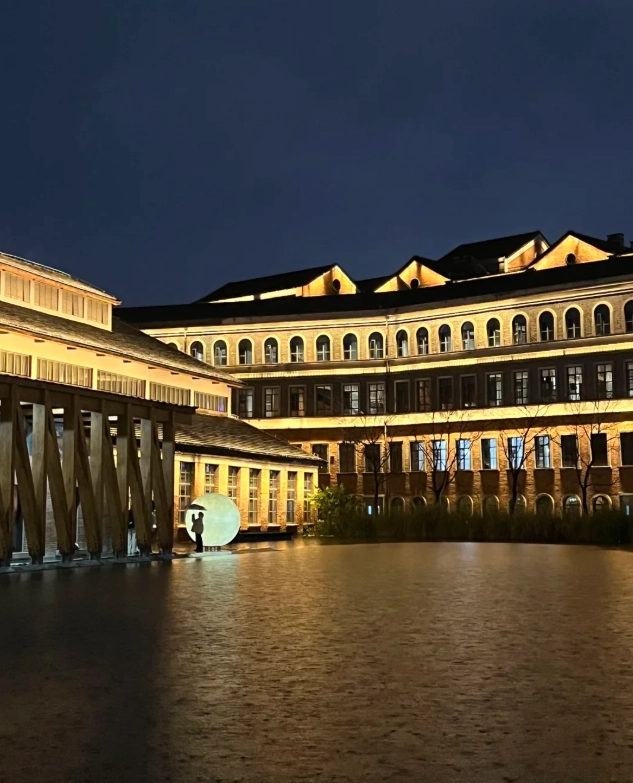







No comments yet.