 Fang Wang
What's Inside This Review
I've been guiding travelers through Jingdezhen for years, and this is the first question everyone asks before pulling out their wallet. So let's cut the fluff: yes, the Jingdezhen China Ceramics Museum is absolutely worth visiting – but only if you go in with the right expectations and a plan to dodge the crowds. Otherwise, you might end up like the tourist I saw last month, wandering aimlessly through halls of vases, wondering why he spent two hours there.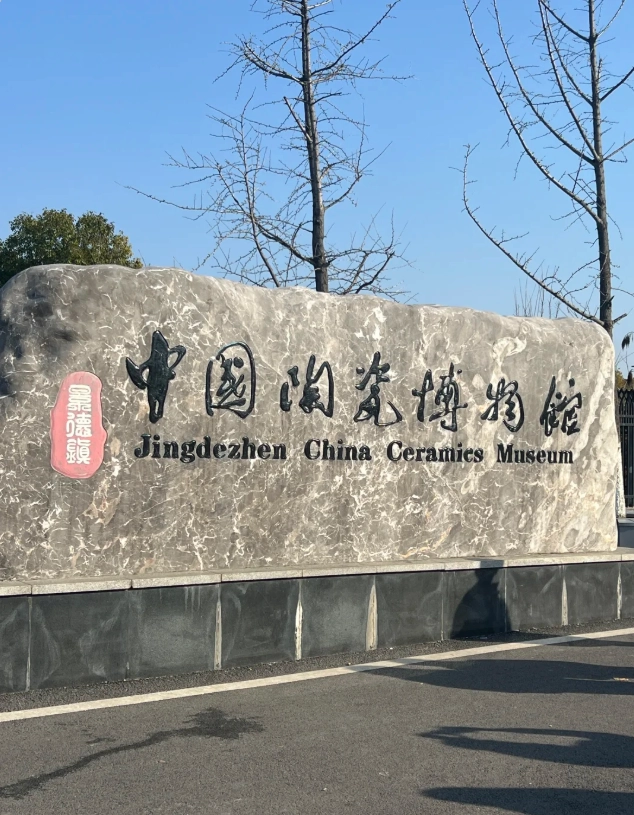
This isn't a generic "must-see" list. I'll tell you exactly what to expect, how to avoid the hidden frustrations, and whether it's a match for your travel style.
First impressions: it's bigger than you think
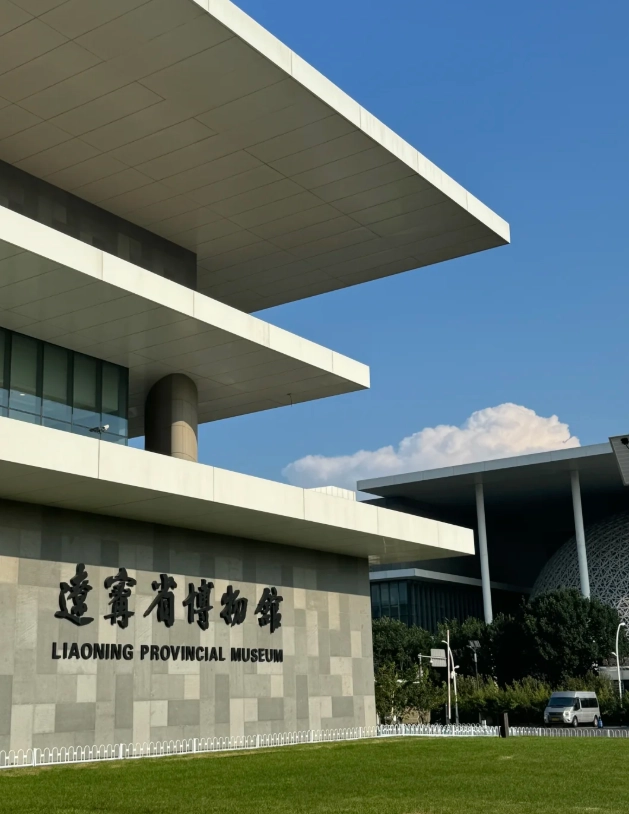
Pulling up to the museum, you'll notice the building itself is a piece of art – modern, with ceramic-inspired curves. The entrance hall is massive, with a ceiling that makes you feel small. But here's the thing: the sheer size can be overwhelming. I've had clients walk in, take a few photos, and then freeze, not sure where to start.
The museum is divided into several pavilions, each covering a different period or technique. From ancient celadon to contemporary porcelain art, it's a deep dive into 2,000 years of ceramic history. My personal favorite is the Ming dynasty hall – the blue-and-white pieces there are stunning, and the lighting is perfect for photos (more on that later).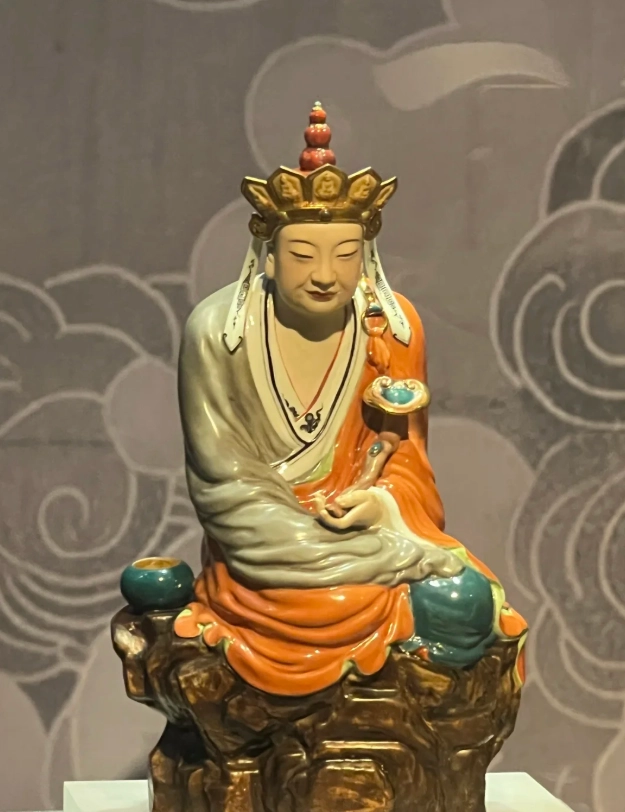
Ticket prices & how to book without a headache
Let's talk money. As of my last visit, the ticket price was 50 RMB for adults (about $7 USD). Children under 1.2m and seniors over 65 (with ID) get in free. But here's the catch – they don't always advertise the free entry clearly, and you might need to ask at the counter. I've seen Chinese seniors wave their ID cards and walk right in, but foreign tourists without IDs might need to push a bit.
You can buy tickets at the gate, but I strongly recommend booking online through WeChat mini-program or Trip.com. The queue at the ticket office can take 15-20 minutes on busy days. Plus, online bookings sometimes have a small discount (45 RMB). Just be prepared: the WeChat mini-program is in Chinese, and it's a pain to navigate. I usually ask my hotel receptionist to do it for me – they're always happy to help.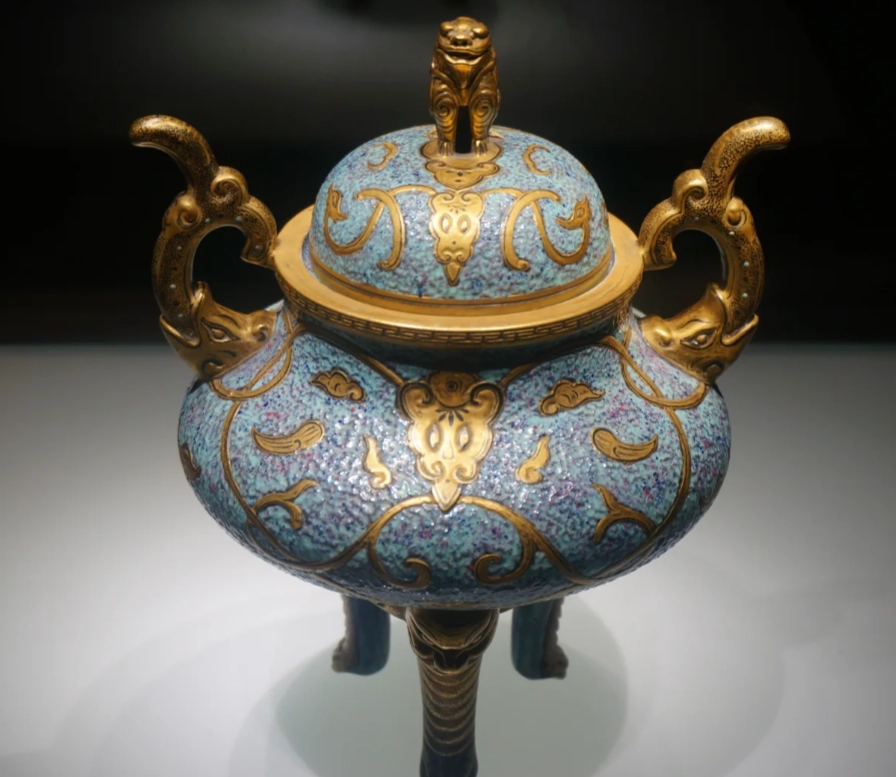
| Ticket Type | Price (RMB) | Notes |
|---|---|---|
| Adult | 50 | Standard entry |
| Child (under 1.2m) | Free | No ticket needed |
| Senior (65+) | Free | Must show passport or Chinese ID |
| Online advance | 45 | Via WeChat or Trip.com |
What you'll actually see inside (the good and the meh)
The collection is genuinely world-class. You'll see:
- Ancient pieces – Neolithic pottery that's over 5,000 years old.
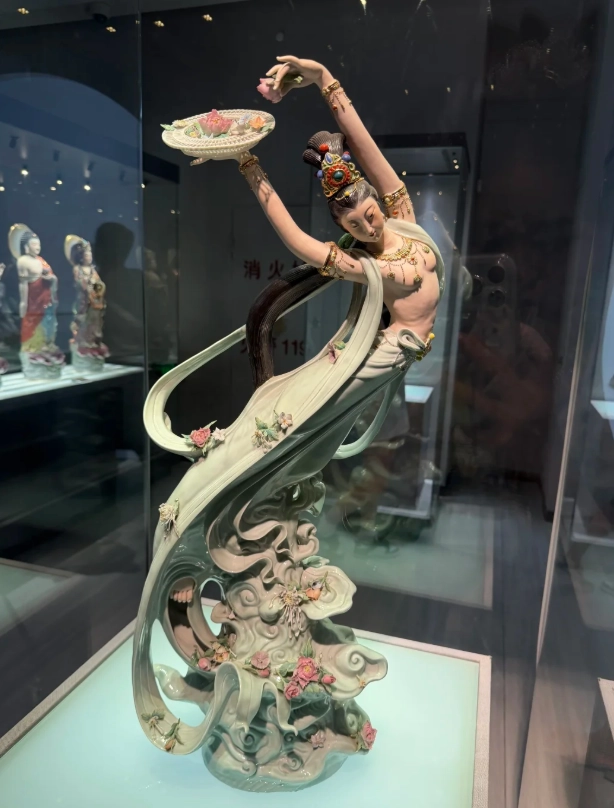
- Imperial porcelain – the famous Jingdezhen ware that was made exclusively for emperors.
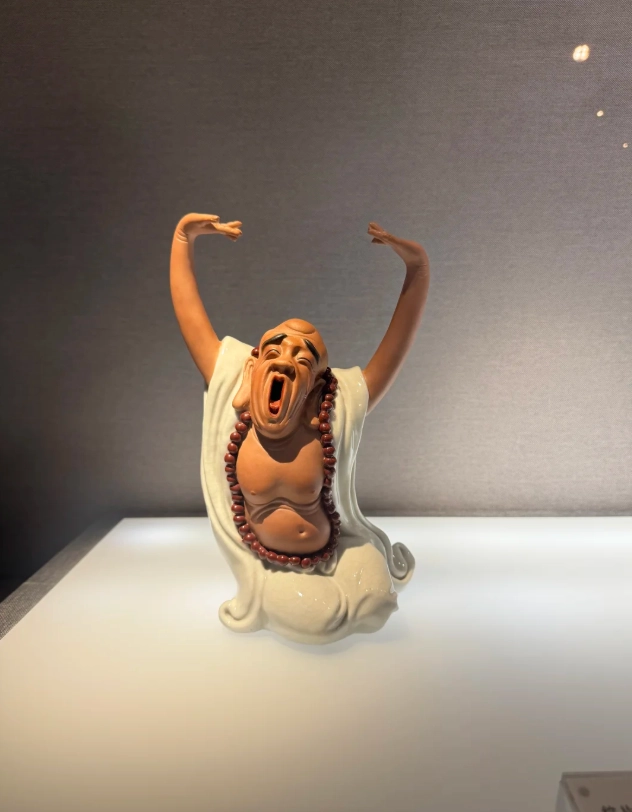
- Modern art – a whole hall dedicated to contemporary ceramic sculptures that will blow your mind.
- Live demonstrations – there's a section where artists show how porcelain is painted and glazed. This was the highlight for my group; we spent 40 minutes just watching a master paint a single vase.
But not every hall is a winner. The modern art pavilion is hit or miss – some pieces are brilliant, others look like something from a high school art class. Don't feel bad about skipping it if you're short on time.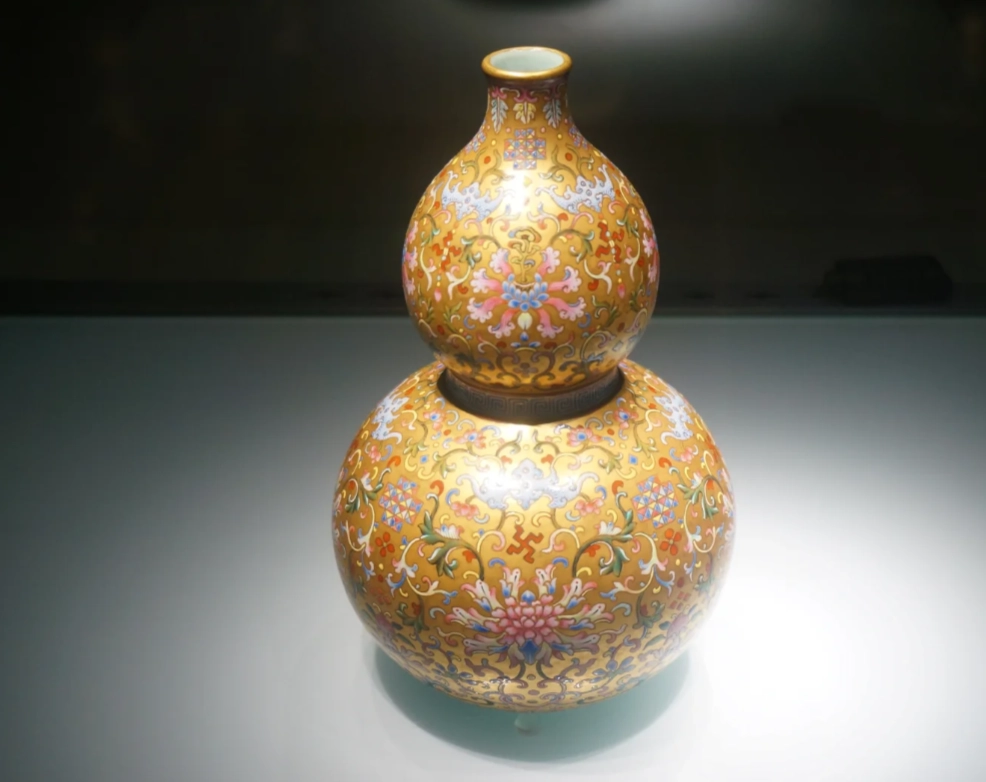
When to go and how long to stay
Best time: right when it opens at 9 AM. I always drag my groups there early because the light in the Ming hall is perfect for photos until about 10:30 AM. After that, the crowds pour in, and you'll be dodging selfie sticks.
If you're not a morning person, come around 2:30 PM. The tour buses usually leave by 3, so you'll have a quieter experience. Avoid weekends and Chinese public holidays – it's a zoo.
How long? Most visitors spend 2-3 hours. If you're a ceramics nerd, budget 4 hours. I usually tell my clients to plan for 2.5 hours, then head to the nearby Jingdezhen Ancient Kiln Folk Custom Museum (15 minutes by taxi) for a different perspective.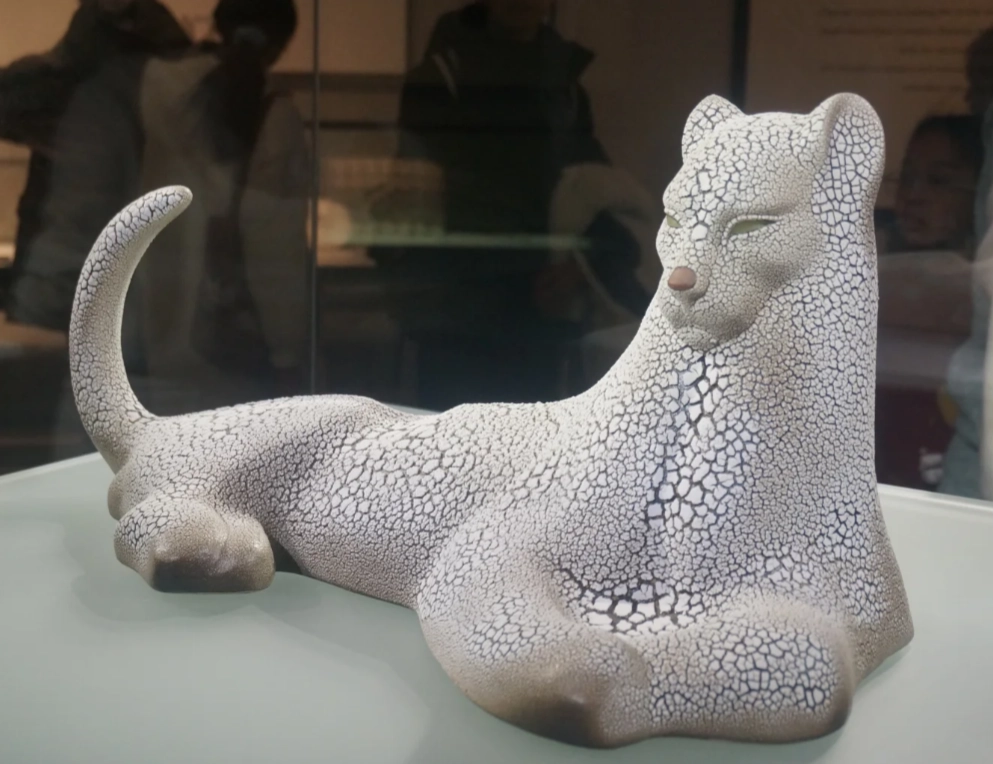
Getting there: transport tips
The museum is located at No. 1 Zijing Road, Changjiang District, Jingdezhen. It's about 10 km from the city center. Here's how to get there:
- Taxi/DiDi: From the city center (e.g., Taoxichuan Art District), it's a 20-minute ride, about 25-30 RMB. Show the driver this: 景德镇中国陶瓷博物馆.
- Bus: Take bus No. 2 or No. 22 to the "Museum" stop. Then walk about 5 minutes. The bus costs 2 RMB – you'll need a local transit card or WeChat Pay, but cash is sometimes accepted (exact change). Honestly, I don't recommend the bus if you're not comfortable with Chinese apps.
- Walking: If you're staying near the Taoxichuan area, it's a pleasant 40-minute walk along the river. But skip it in summer – the heat is brutal.
Common pitfalls to avoid (my guide secrets)
- The ticket office toilet: It's cramped and often has a line. Use the restroom inside the museum (near the Ming hall) – it's cleaner and quieter.
- Listening to all audio guides: The audio guide costs 30 RMB and is informative but lengthy. I suggest renting it only for the Ming and Qing halls, and skipping the modern section. You'll save an hour.
- Expecting English labels everywhere: Most exhibits have English subtitles, but not all. If you're really into details, grab the English brochure at the entrance – it's free.
- Buying souvenirs inside: The museum shop is overpriced. Better pieces at better prices are sold at the Jingdezhen Ceramic Market (15 minutes away).
FAQ: Is Jingdezhen China Ceramics Museum worth visiting?
Verified and fact-checked by the editorial team. This content has been fact-checked to ensure informational precision.







No comments yet.