 Qiang Huang
What’s inside this guide
I’ve led more than 60 groups through this museum over the past six years. And every time, I see the same mistake: tourists show up at noon, stand in a 40-minute queue under the sun, and then rush through the exhibits because they’re running out of steam. Don’t be that person. Let me break down exactly how to visit Jingdezhen Ancient Kiln Folk Customs Museum the smart way – with prices, timing, and shortcuts that actually work.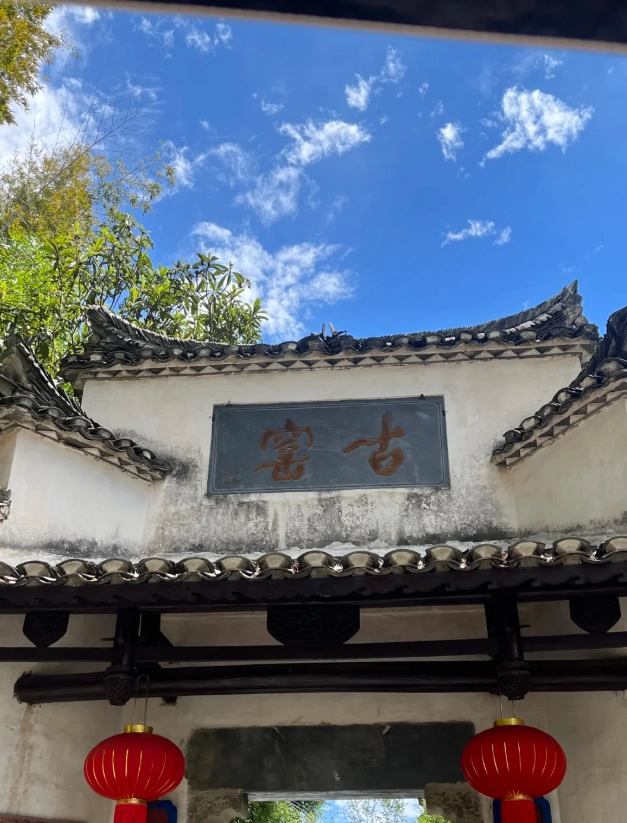
Real talk about tickets & booking
First, the numbers. As of my last check (things rarely change here), the entrance fee is 95 RMB for adults. Children under 1.2m get in free – just show up with proof if they look borderline. Students with a valid ID pay 50 RMB. Seniors over 65 also get half price, but they need to show their passport at the counter.
Now here’s the catch: you can buy tickets at the gate, but that queue I mentioned? It builds up fast after 10 a.m. I always tell my guests to book online. The official option is a WeChat mini-program (search “古窑民俗博览区门票”). If you don’t have WeChat (and as a foreigner it’s a pain to set up), ask your hotel receptionist to help – most Jingdezhen hotels are used to this. Booking online saves you at least 20 minutes in line.
Best time to visit (I won’t lie to you)
Every guide says “go early morning”. But I’ll be more specific: arrive between 8:30 and 9:00 a.m. The museum officially opens at 8:00, but the first hour is dead quiet – the kilns are still cold and the potters haven’t started their demos. By 9:00, the morning mist lifts and the workshops come alive.
Why not 10 a.m.? That’s when the big tour buses roll in. I’ve counted over 15 buses on a single weekend. The main pathway becomes a human river. Come before 9, and you’ll have the ancient kilns almost to yourself for photos.
Afternoons? Honestly, between 12:00 and 14:00 it’s hot and crowded with lunch groups. If you must visit in the afternoon, target 15:30 onward. The light turns golden, the crowds thin out, and the last demo (usually at 16:00) is often the most intimate because the staff are winding down and happy to chat.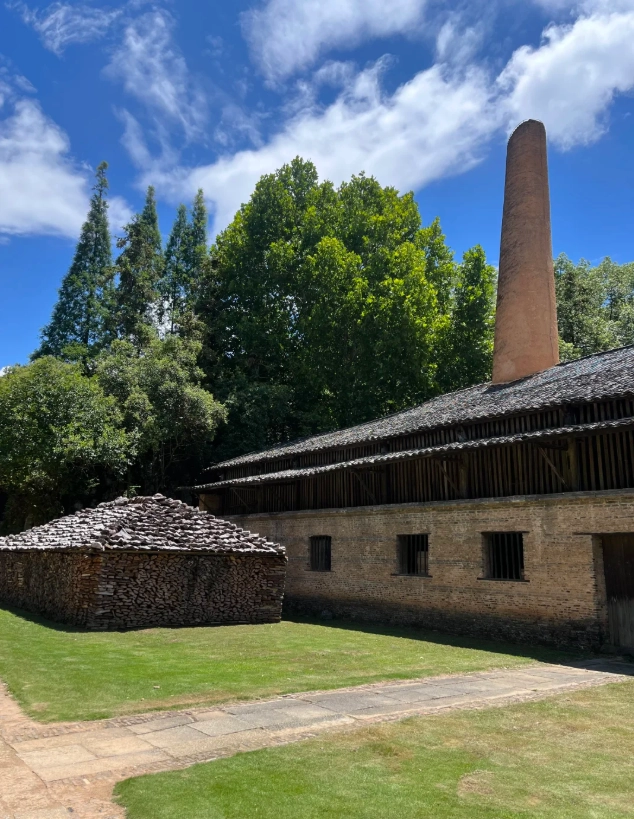
How to get there without getting lost
The museum is at No.1 Ancient Kiln Road, about 5 km from Jingdezhen city center. Here are your options:
| Method | Time | Cost | Notes |
|---|---|---|---|
| Taxi / DiDi | 15–20 min | 20–30 RMB | Easiest. Show “古窑民俗博览区” to the driver. Tell them to drop you at the main entrance, not the side gate (side gate has no ticket booth). |
| Bus | 30–40 min | 2 RMB | Take bus 1, 10, or 16 to “古窑” stop. Then walk 5 minutes south – you’ll see the large sign. Download Alipay for bus QR code, or carry coins. |
| Walking from nearby hotels | – | – | If you stay at the Jingdezhen Taoxichuan area, it’s a pleasant 25-minute walk along the river. But don’t walk if it’s 35°C – there’s no shade. |
My advice: Take DiDi. It’s cheap, air-conditioned, and the drivers know exactly where to go. Just avoid peak hours (8:00-9:00 and 17:00-18:00) when the road near the museum gets congested.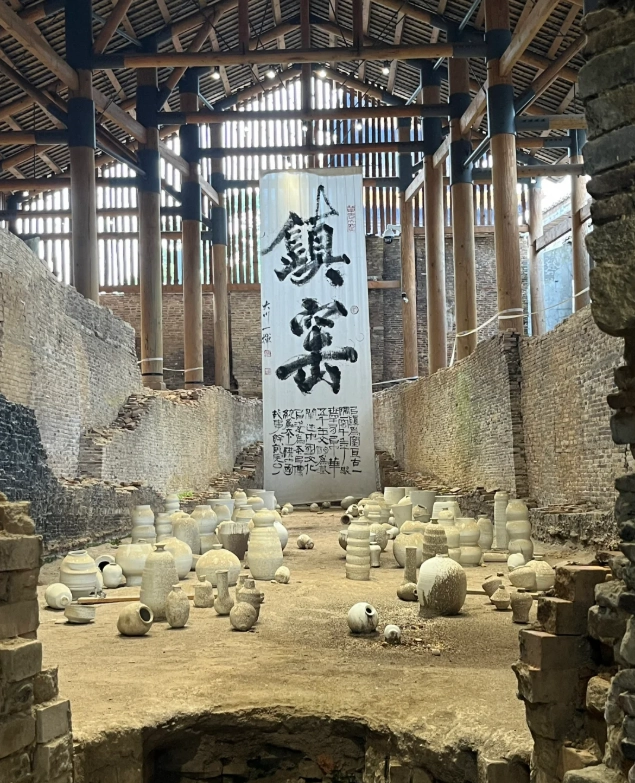
What to see – the highlights that actually matter
The museum is huge – about 830 acres. But you don’t need to see everything. Here’s what I consider essential:
The Ancient Kilns (the real stars)
You can’t miss the Ming Dynasty “Hulong Kiln” and the Qing Dynasty “Zhen Kiln”. They’re massive, shaped like domes, and still operational during demos. Go inside – the temperature difference is shocking. I once saw a visitor put their hand on the kiln wall and burn their finger – don’t touch!
The Porcelain Workshop Area
This is where live potters throw clay, paint blue-and-white patterns, and fire pieces. My favorite spot: the hand-painting station. Most tourists just watch for a minute and leave. But if you linger and ask the artist a polite question (they speak basic English), they might let you try painting a simple motif. I always tell my groups to bring a 20 RMB bill – a “thank you” tip gets you a memorable souvenir.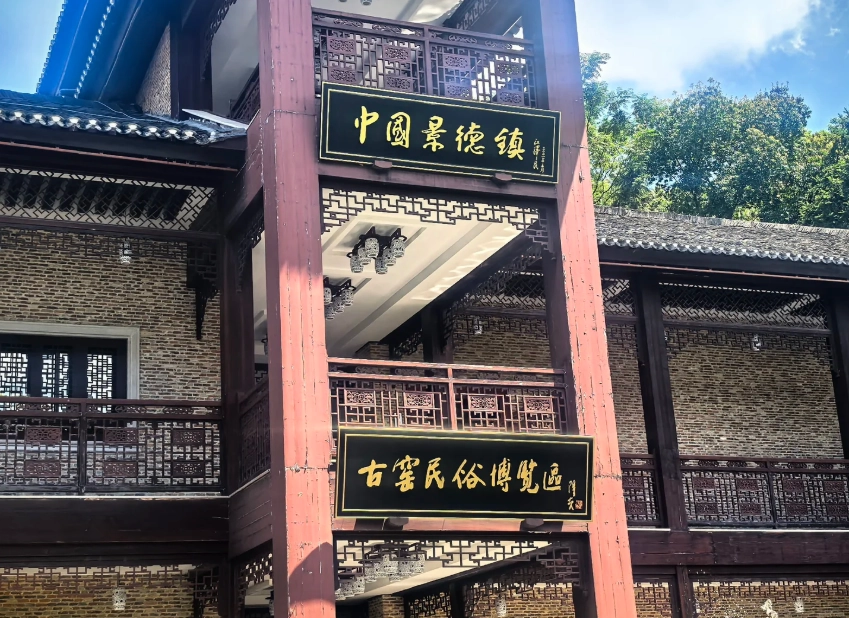
The Folk Custom Exhibition Hall
Honestly, this part is a bit dry – lots of text panels. But it has incredible old photographs showing how Jingdezhen looked in the 1920s. If you’re short on time, skip the indoor hall and focus on the outdoor kilns.
The Waterwheel & Pounding Mill
Near the entrance, there’s a working waterwheel that crushes porcelain stone. Best photo spot: stand on the small bridge facing west around 4 p.m. – the light hits the wheel perfectly.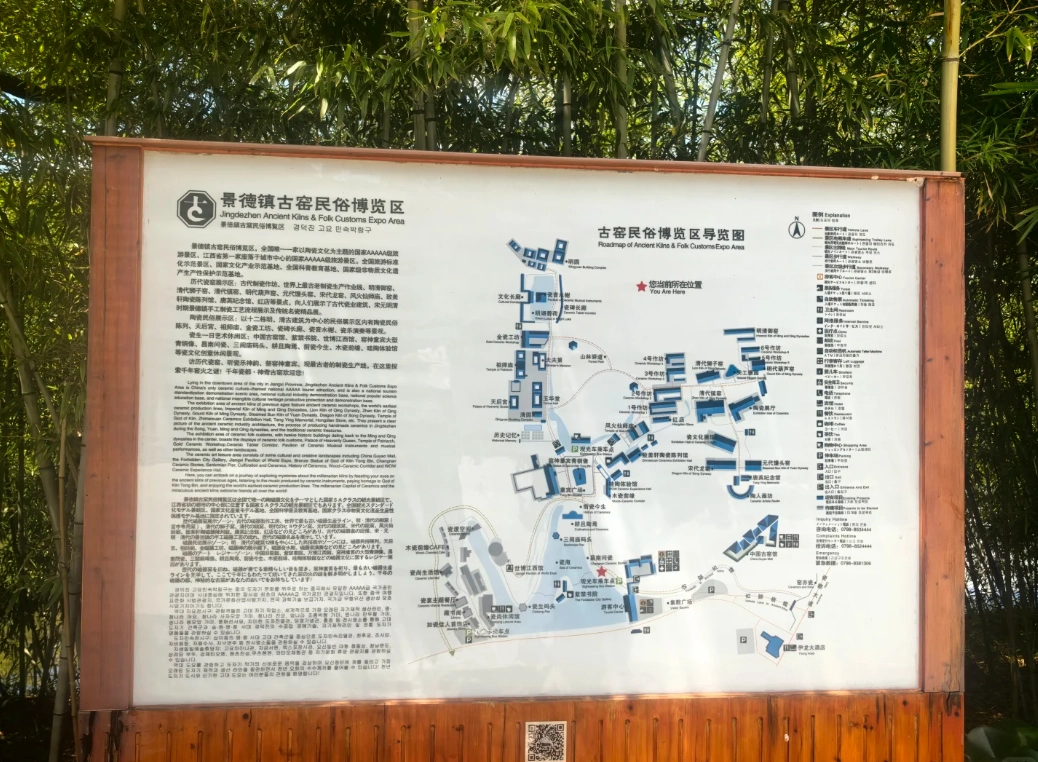
My favorite 2-hour route (to escape the herd)
Most visitors follow the main path clockwise and get stuck in a traffic jam. Instead, do this:
- Start at the back: From the entrance, walk straight past the main building to the “Hulong Kiln” area. It’s farthest but emptiest in the morning. Spend 30 minutes there.
- Walk backwards to the workshop area (10-minute stroll). Watch the potters for 20 minutes – arrive when a demo is just starting (they run every 40 min).
- Head to the Zhen Kiln – 15 minutes max, it’s a single large chamber.
- Finish at the waterwheel – take your Instagram shot and exit. Total: 1.5–2 hours.
This route avoids 80% of the crowds because everyone else moves clockwise. I’ve tested it with 10 groups – it works every time.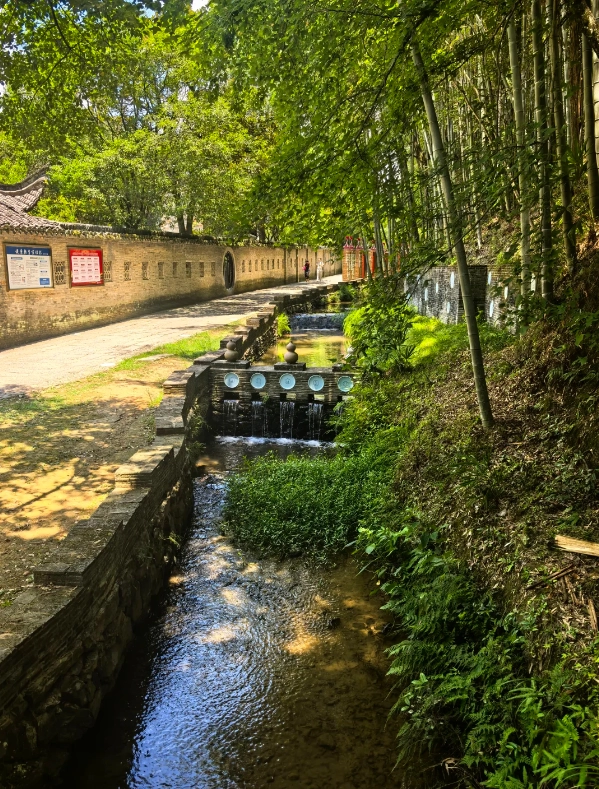
What to do nearby (when you’re done)
Don’t just leave. Two minutes walk from the museum’s side gate (exit to the east) is Taoxichuan Creative Plaza – a repurposed industrial area full of pottery studios, coffee shops, and a killer view from the glass bridge. It’s a great place to rest your feet and buy authentic modern porcelain (prices are fair, no haggling needed).
For lunch, I always walk my groups to “San Bao Teahouse” (about 1 km from the museum). The owner is an old friend, and he serves Jiangxi-style clay pot rice with preserved egg – around 35 RMB per person. Cash only, but the view over the rice paddies is worth it.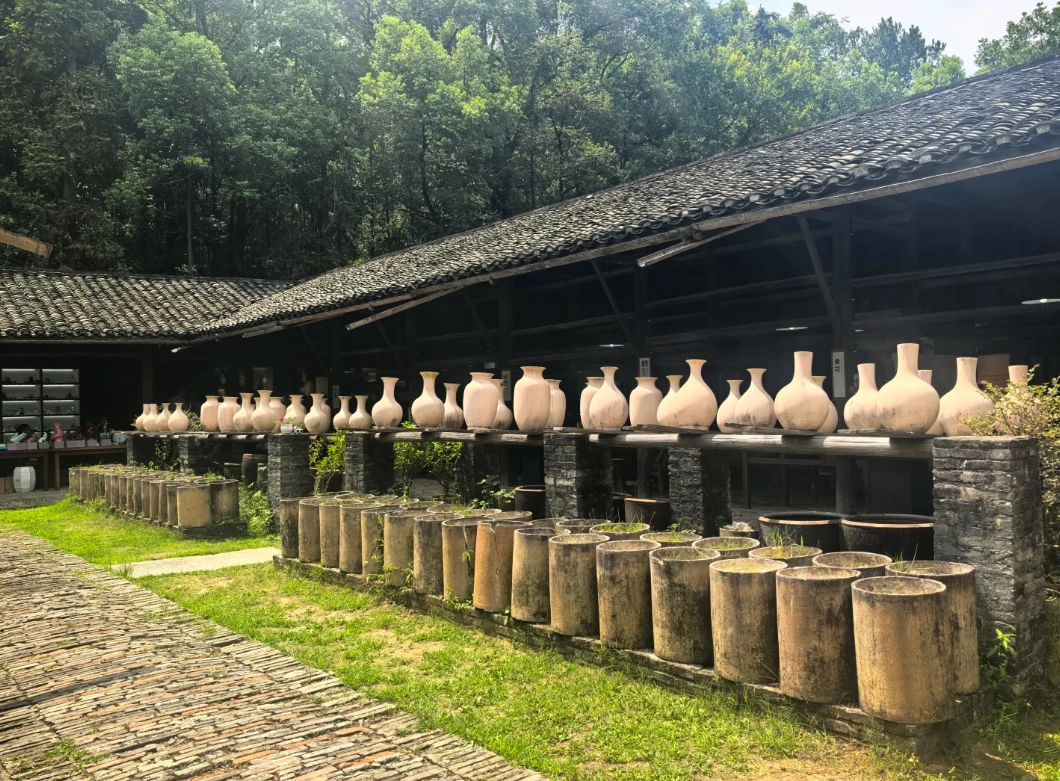
Quick answers to your real questions
Verified and fact-checked by the editorial team.







No comments yet.