 Fang Wang
Quick Navigation
- What Makes Sanbao International Ceramic Art Village Special?
- How to Get to Sanbao International Ceramic Art Village
- What to See and Do at Sanbao International Ceramic Art Village
- Where to Eat and Stay Near Sanbao
- Insider Tips for First-Time Visitors
- Common Mistakes to Avoid
- FAQ about Sanbao International Ceramic Art Village
I'll never forget my first walk into Sanbao International Ceramic Art Village. The narrow valley road winds between streams and bamboo groves, and suddenly you see a giant brick chimney rising above clusters of traditional houses. But it's not the scenery that stops you—it's the sound. The rhythmic thump-thump of potters' wheels, the clatter of kiln doors, and occasional laughter in half a dozen languages. This place isn't a museum; it's a living, breathing community of ceramic artists from China and around the globe. And if you're planning a trip to Jingdezhen, Sanbao is where the real magic happens.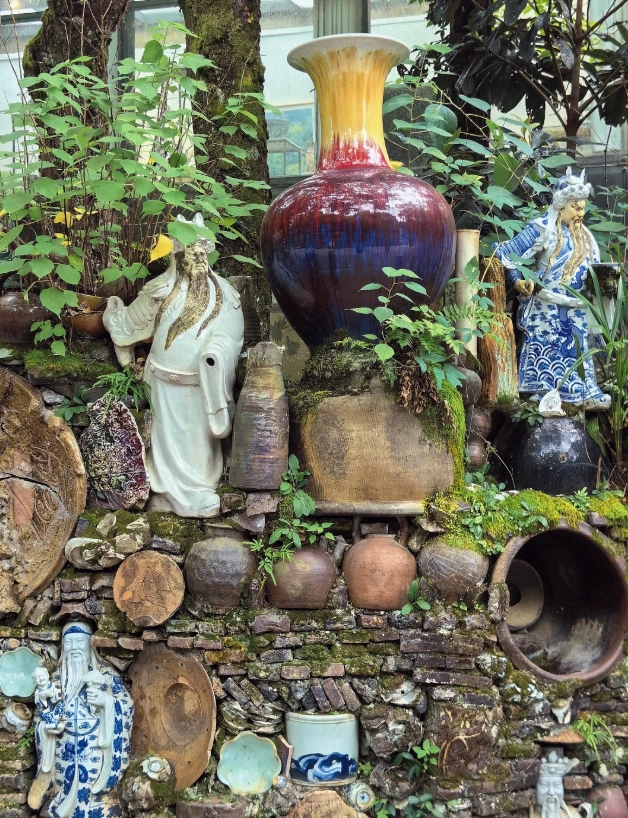
What Makes Sanbao International Ceramic Art Village Special?
Unlike the official museums in downtown Jingdezhen, Sanbao feels raw and authentic. It started as an international residency program inviting artists to work alongside local masters. Over the years, it's grown into a village of studios, galleries, and workshops where you can watch artisans throw clay, paint porcelain, and fire kilns using techniques passed down for centuries.
A Hub for Ceramic Artists from Around the World
I've met potters from the UK, Japan, Australia, and Italy here, all living in simple dormitories and sharing techniques. This cross-pollination means you'll see traditional blue-and-white patterns next to avant-garde sculptures. No two studios look the same.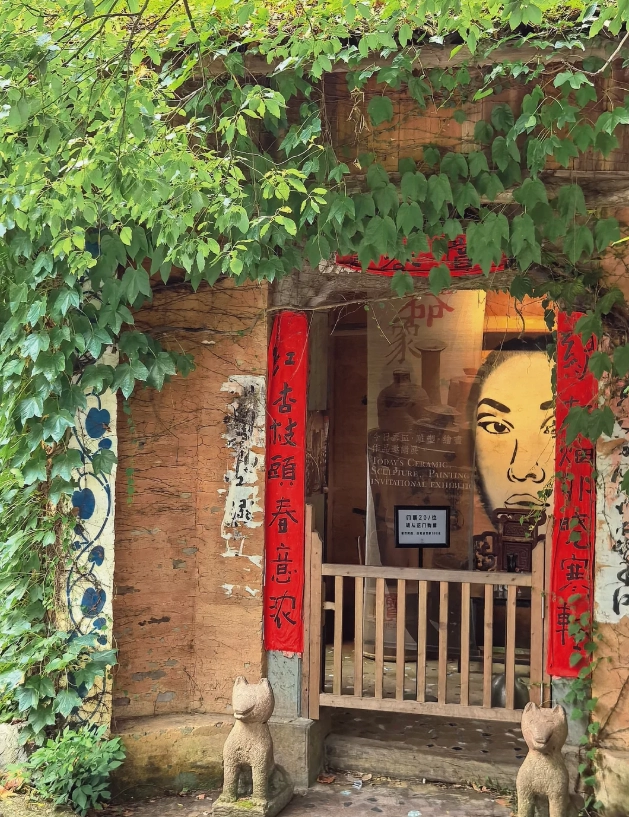
The Perfect Blend of Tradition and Innovation
Many studios still use wood-fired dragon kilns built on hillsides—the same design from the Ming dynasty. But they also experiment with modern glazes and digital design. It's fascinating to see an 80-year-old master correct a young artist's hand position on the wheel, then the young artist pulls out a tablet to show his digital model.
How to Get to Sanbao International Ceramic Art Village
| Detail | Information |
|---|---|
| Address | Sanbao Road, Zhushan District, Jingdezhen, Jiangxi (about 8 km southeast of city center) |
| Opening Hours | Village is open 24/7, but most studios operate 9:00–17:00 (some close for lunch 12:00–13:30) |
| Admission | Free (no entry fee) |
| Best Time to Visit | Spring (March–May) and Autumn (September–November) for mild weather |
| Suggested Duration | Half-day to full day |
Transportation Options
From Jingdezhen city center, the most convenient way is to take a taxi or Didi (Chinese Uber). The ride takes about 20 minutes and costs around 30–40 RMB. If you prefer public transport, bus route 15 runs from the city center (e.g., near Jingdezhen Railway Station) to Sanbao Village stop. Get off at the village entrance and walk uphill for 10 minutes. Pro tip: Ask the driver to go all the way to the “Sanbao International Ceramic Art Village” gate—many drivers only know the old name “Sanbao Village”.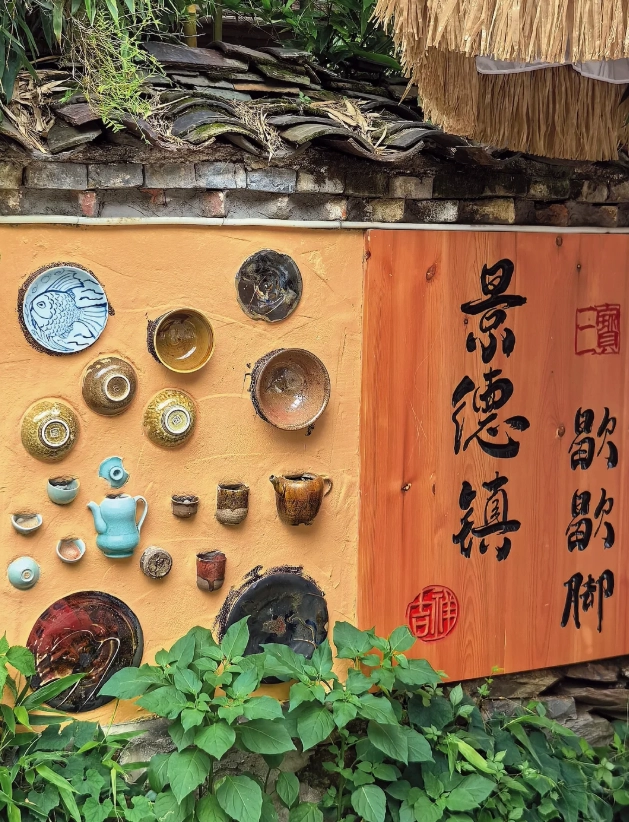
Best Time of Day to Go
I always tell my clients to arrive by 9:30 AM. The morning light is perfect for photos, and studios are just firing up. Avoid noon–2 PM in summer—the kilns radiate serious heat, and the narrow streets offer little shade. If you're into photography, golden hour around 4 PM casts a warm glow on the brick walls.
What to See and Do at Sanbao International Ceramic Art Village
Exploring the Artist Studios
Wander without a strict plan. Some of my favorite spots:
- Sanbao Ceramic Art Institute – The main residency building with a gallery showcasing resident artists' works. Admission is free.
- Le Shan Studio – Run by a British potter who blends celadon glazes with modern forms. You can watch him throw on the wheel if you're lucky.
- Wood-Fired Kiln Area – Near the back of the village, you'll find several dragon kilns. Ask nicely, and the workers might let you peek inside during a firing (but never touch!).
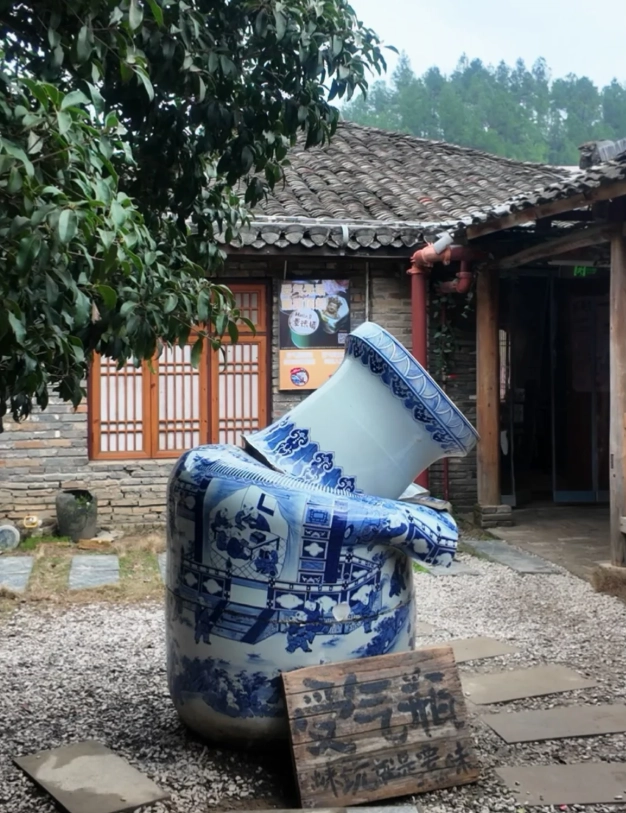
Hands-On Pottery Workshops
Several studios offer short workshops (1–2 hours) where you can try making a simple cup or bowl. Prices range from 100–300 RMB depending on materials and firing. My personal pick: Yuan Studio (about halfway up the main path). They speak basic English and provide step-by-step guidance. Warning: The clay can be messy—bring a change of clothes or wear their aprons. And don't expect to take home your creation immediately; it takes a few days to dry and fire. Most studios can ship it to your hotel or overseas (shipping fee extra).
Must-Visit Galleries and Shops
For souvenirs, skip the cheap mass-production porcelain downtown. At Sanbao, you'll find unique pieces straight from the artist. Sanbao Gallery near the entrance sells high-quality works from resident artists. Prices start at 200 RMB for small tea cups and go up to thousands for large vases. Negotiate politely—some artists offer a 10% discount if you buy multiple items. Cash is king here; many studios don't accept international credit cards. There's an ATM at the village entrance, but it's often out of cash on weekends.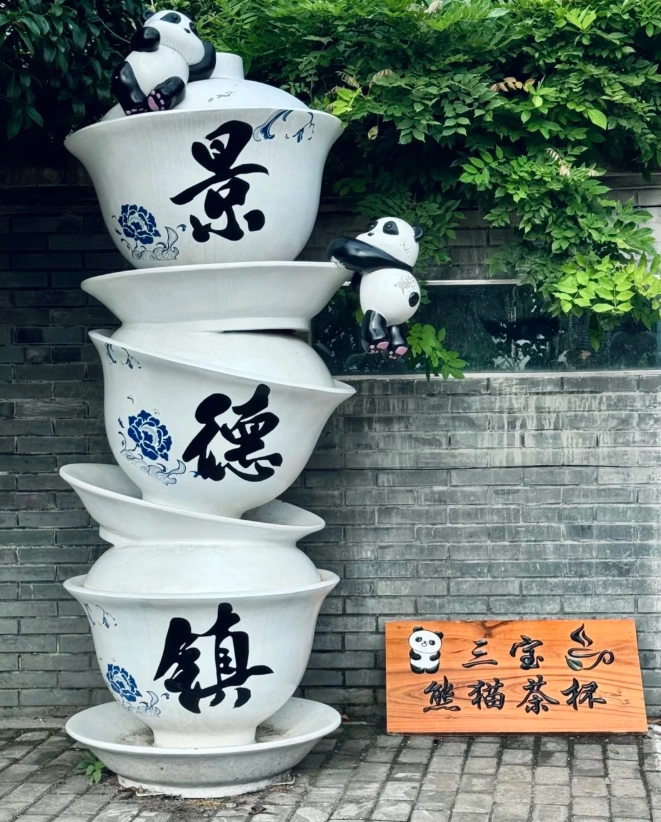
Where to Eat and Stay Near Sanbao
Local Eateries You Can't Miss
Inside the village, a few home-style restaurants serve simple Jiangxi dishes. My go-to is Sanbao Noodle House (near the main square). They do a mean bowl of cold rice noodles (liang fen) with chili oil and peanuts—refreshing after a hot morning. Prices: 15–30 RMB per dish. The owner doesn't speak English, but pointing at the photos on the wall works. Heads up: They only accept WeChat Pay or Alipay—no cash, no cards. If you don't have Chinese mobile payment, ask a local to help you pay and give them cash.
For a nicer meal, head to Sanbao International Art Village Restaurant (at the institute). They offer set meals (50–80 RMB) with tofu, braised pork, and seasonal vegetables. The view of the bamboo grove from their terrace is lovely.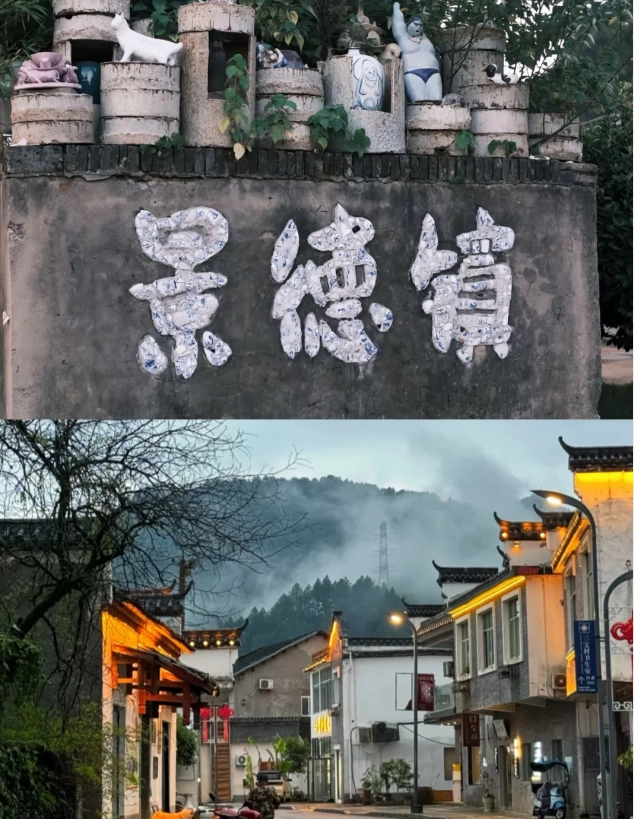
Accommodation Recommendations
You could easily spend a full day here, but if you want to immerse yourself, consider staying overnight at one of the guesthouses within the village.
| Property | Features | Price Range | Best For |
|---|---|---|---|
| Sanbao International Youth Hostel | Dorms and private rooms, shared kitchen, free Wi-Fi (sometimes spotty), basic English spoken at front desk | 50–150 RMB/night | Budget backpackers |
| Studio Loft B&B | Converted artist studio, private bathroom, air conditioning, no elevator (2nd floor) | 300–500 RMB/night | Couples, solo travelers wanting character |
| Jingdezhen Sanbao International Art Village Hotel | Full-service hotel, modern rooms, reliable Wi-Fi, restaurant, tour desk, accepts international credit cards | 500–900 RMB/night | Families, comfort seekers |
My tip: Book at least 2–3 days ahead during Chinese holidays (May Day, National Day) because rooms fill up fast—especially the affordable guesthouses. And bring earplugs if you're staying at the hostel; the walls are thin and you might hear the kiln fan running all night.
Insider Tips for First-Time Visitors
Don't be shy to enter studios. Most artists welcome curious visitors. A simple nod and a smile go a long way. If they're busy, just watch quietly and step back when they're concentrating.
- Bring a refillable water bottle. There are few shops selling drinks inside the village, and tap water isn't safe to drink. I always fill up at the restaurant or hostel.
- Wear comfortable walking shoes. The main road is paved, but many studios are up narrow stairs or unpaved paths. I once saw a tourist in heels—she gave up after 10 minutes.
- Check the weather. After a heavy rain, some paths can get muddy. A pair of waterproof shoes saves the day.
- Download WeChat before you go. Many artists communicate and even take payments through WeChat. If you have the app, you can scan their QR codes for info.
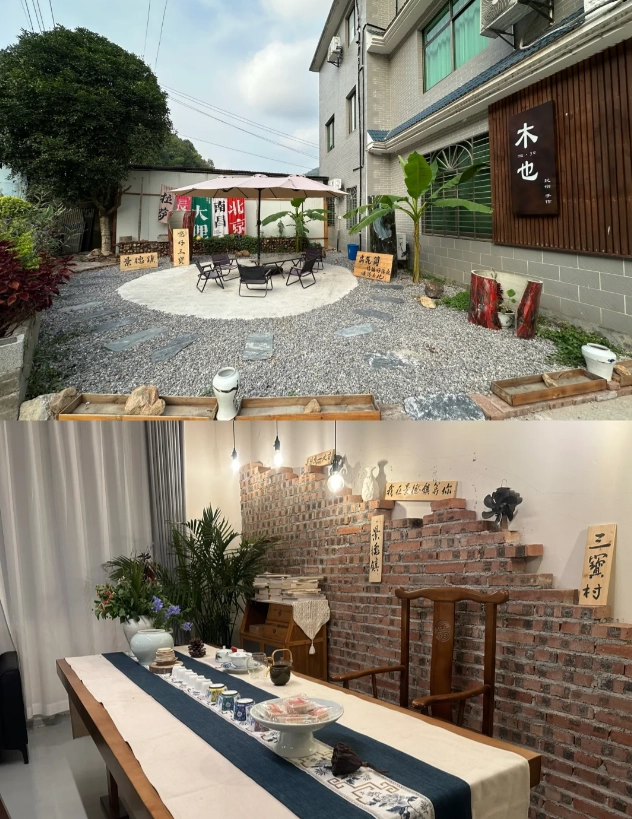
Common Mistakes to Avoid
- Going without research. Not all studios are open every day. I once walked a group all the way to the back expecting a studio to be open, but it was closed for a private event. Google Maps doesn't always update hours—ask at the information center near the entrance.
- Assuming English is widely spoken. It's not. Bring a translation app or learn a few phrases like “ni hao” (hello) and “duo shao qian?” (how much?). I usually help my clients write down a card in Chinese saying “I am a tourist. May I watch your work?”
- Not haggling. Prices in galleries are often marked up for tourists. Politely ask “pian yi yi dian?” (a little cheaper?) and you might get 10–15% off. Just don't overdo it—these are real artists, not street vendors.
- Underestimating the heat near kilns. In summer, the wood-fired kilns raise the temperature inside the studio by 10 degrees. If you feel dizzy, step out immediately. There's a small medical room near the main office for emergencies.
FAQ about Sanbao International Ceramic Art Village
Verified and fact-checked by the editorial team.






No comments yet.