 Fang Wang
What's Inside?
I've been leading tours in Jingdezhen for over seven years, and I still get amazed by the city. But I've also seen travelers make the same mistakes – showing up at the wrong gate, missing the best workshop, or eating at tourist traps. Let me fix that for you.
This Jingdezhen 3-day itinerary balances must-see historical sites, hands-on pottery sessions, and the tucked-away spots most tourists never find.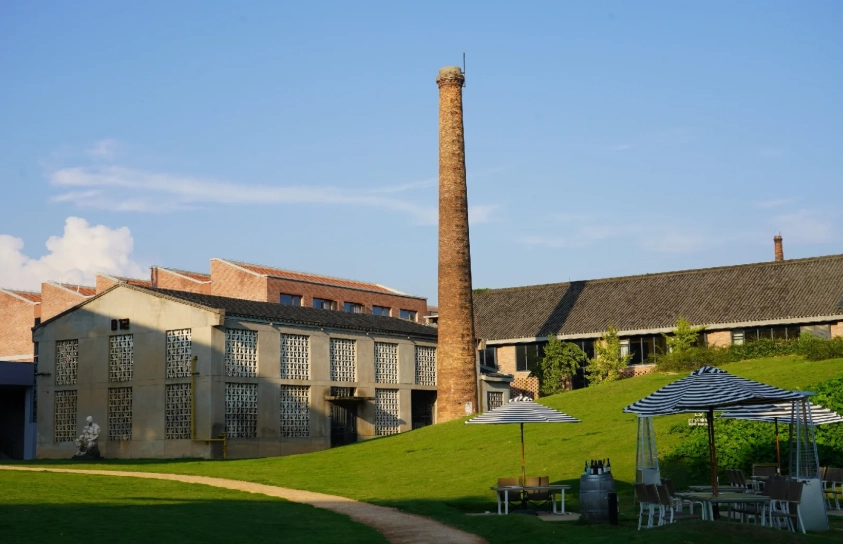
Day 1: Porcelain History & Night Market
Morning: Jingdezhen China Porcelain Museum
Address: No. 1 Zijing Road, Changjiang District
Opening hours: 8:30 – 17:00 (last entry 16:30), closed Mondays
Ticket: 95 RMB (adult), free for children under 1.2m. Must reserve via the official WeChat mini-program "Jingdezhen Porcelain Museum" – yes, it's in Chinese only. Ask your hotel receptionist to book it for you; I always tell my clients to do that because the on-site queue can be brutal.
The museum holds 50,000+ pieces spanning 1,700 years. Don't miss the Ming dynasty blue-and-white vases and the Qing dynasty famille rose collection. Here is the catch: the exhibition halls are poorly signed in English. Grab an audio guide (30 RMB) at the entrance, or better, download the museum's free app before you go. I've seen too many foreigners walk aimlessly.
Suggested visit time: 2.5 hours. Go right when it opens at 8:30 – the light is perfect for photos, and you'll beat the school groups.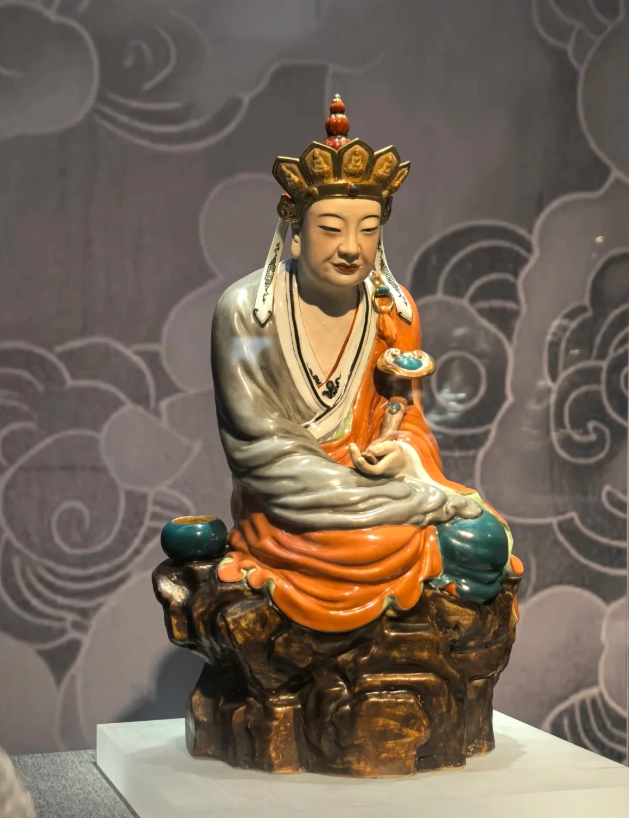
Lunch: Zhushan No. 1 Restaurant
Just a 15-minute walk from the museum. Address: 88 Zhushan Avenue. Specialties: sour fish soup (tangy, mildly spicy) and stir-fried porcelain shoots – a local veggie. I always order the braised pork belly with dried bamboo shoots. Price: 50–70 RMB per person. They have a picture menu, so pointing works. Google Maps rating: 4.3. No English menu, but the staff are used to foreigners.
Quick tip: Avoid the fried rice here – it's mediocre. Go for the noodles instead.
Afternoon: Ancient Kiln Folk Custom Museum
Address: 1 Ancient Kiln Road, Changjiang District
Opening hours: 8:00 – 17:30 (last entry 16:30)
Ticket: 85 RMB. No reservation needed on weekdays, but on weekends you'll wait 15–20 minutes to buy tickets.
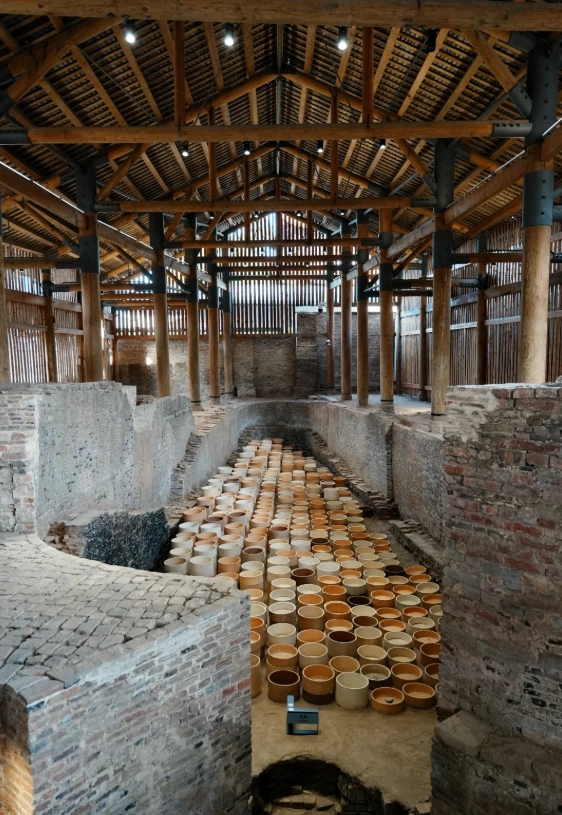
This open-air museum shows how ancient porcelain was made. You'll see master potters demonstrating wheel throwing, painting, and firing in the Ming-style kilns. The best part? The potters actually work there – it's not a performance. I recommend spending at least 1 hour watching the painting session; the level of detail is insane.
⚠️ Reality check: The souvenir shop inside is overpriced. If you want to buy ceramics, wait until Day 3 when I take you to the wholesale market.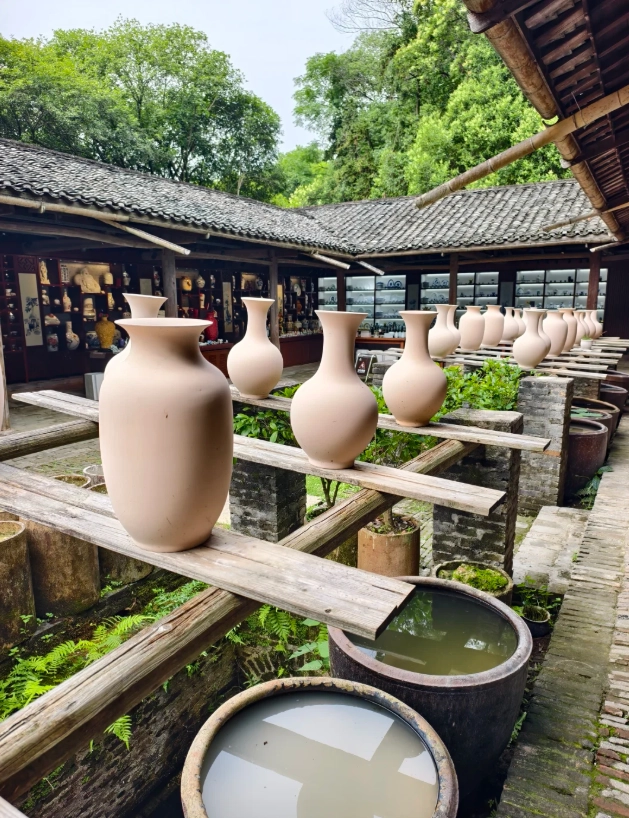
Evening: Taoxichuan Night Market
Head to Taoxichuan Art District around 7pm. This used to be a state-owned porcelain factory; now it's a hip area with galleries, bars, and a night market. The market runs from 17:00 to 22:00 (only on Fridays, Saturdays, and Sundays). If you're there on a weekday, you'll miss the stalls but the shops remain open.
What to eat: Try the stinky tofu (don't let the smell scare you – it's crispy and spicy) and the sugar-coated hawthorn sticks. Grab a seat at one of the rooftop bars for a view of the old kilns.
Day 2: Hands-On Pottery & Artist Villages
Morning: Pottery Workshop at Sanbao International Ceramic Village
Address: Sanbao Road, Zhushan District (about 25 min drive from city center)
Cost: Most workshops charge 150–250 RMB for a 2-hour session, including materials and firing. My go-to studio is Sanbao Pottery Studio (booking via phone: +86-798-833-xxxx – ask your hotel to call).
I always tell my groups: do this in the morning when your hands are steady. The instructors speak basic English, but the real communication is through gestures. You'll make a small bowl or cup, and they'll fire it for you – shipping costs extra (about 100–200 RMB to most countries, takes 2–4 weeks).
Heads-up: Wear clothes you don't mind getting dirty. And don't expect a perfect piece – half of the fun is the mess.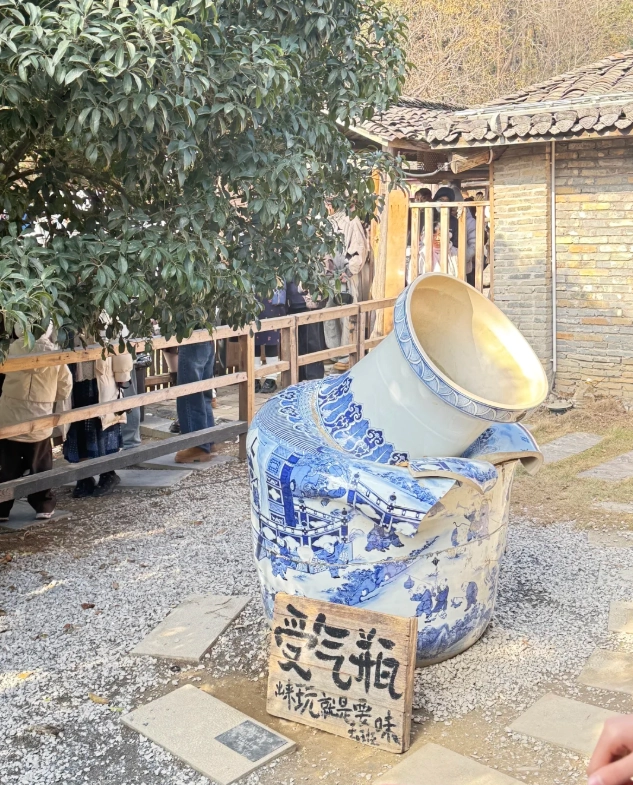
Lunch: Sanbao Village Organic Farmhouse
Right inside the village. Price: 40–60 RMB per person. They serve farm-to-table dishes like stir-fried greens with garlic and steamed fish. The chillies here are no joke – I once saw a French tourist drink three bottles of water.
Afternoon: Fuliang Ancient County Office & Red Tower
Address: Fuliang Town, about 15 km north of Jingdezhen. Take bus 16 from the city center (45 minutes) or a 30-minute taxi (50 RMB).
Ticket: 50 RMB for the county office complex, including the Red Tower.
Opening hours: 8:30 – 17:00
This is the best-preserved ancient government office in China, dating back to the Tang dynasty. The Red Tower is a five-story wooden pagoda – climb to the top for a panoramic view of the rooftops. I love this place because it's rarely crowded. The downside: almost no English signs. Use your phone's translator on the plaques.
Pro move: The garden behind the county office has a lovely teahouse. They serve local Fu tea, a fermented dark tea. Ask for a free sample – the owner is generous.
Evening: Leisure time at Taoxichuan Art District
Go back to Taoxichuan but explore the indoor galleries. The Taoxichuan Art Museum (ticket 60 RMB) hosts rotating contemporary ceramic exhibitions. I've seen installations that blew my mind. Closed Mondays.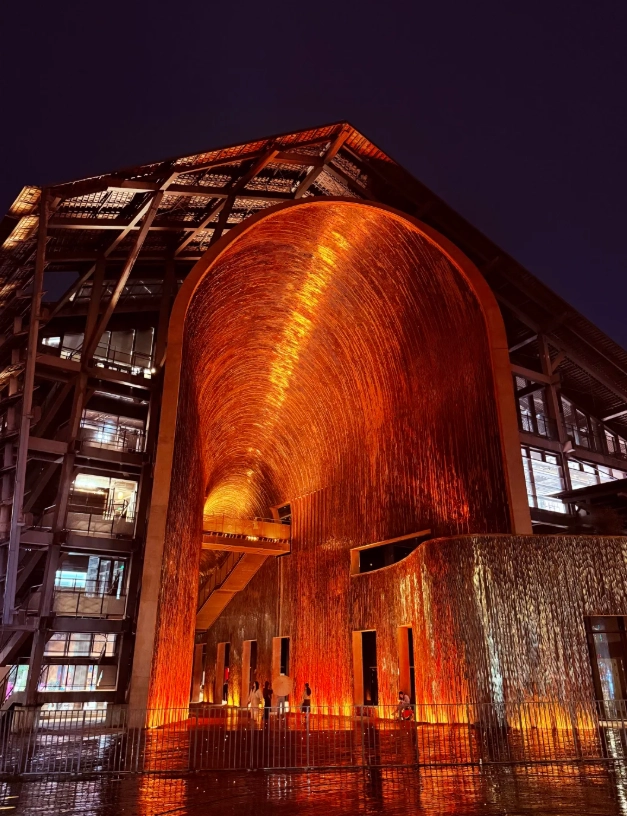
Day 3: Modern Art & Hidden Gems
Morning: Jingdezhen Sculpture Factory
Address: 168 Shengli Road
Free entry. This is an active factory where artists create huge ceramic sculptures – think 3-meter-tall phoenixes and abstract human figures. You can walk through the workshops and watch the process up close. I always bring my groups here because it's raw and unpolished, unlike the polished museum displays.
Best time: 9–11am when the artisans are most active.
Lunch: Laoji Street Dumpling House
Address: 23 Laoji Street (near the Sculpture Factory). Specialty: steamed dumplings with three fresh fillings (pork, shrimp, and leek). 20 RMB for 12 dumplings. They also have a spicy wonton soup that clears your sinuses.
This place doesn't have an English name, so show the address to your taxi driver. Payment: WeChat Pay or cash – no card.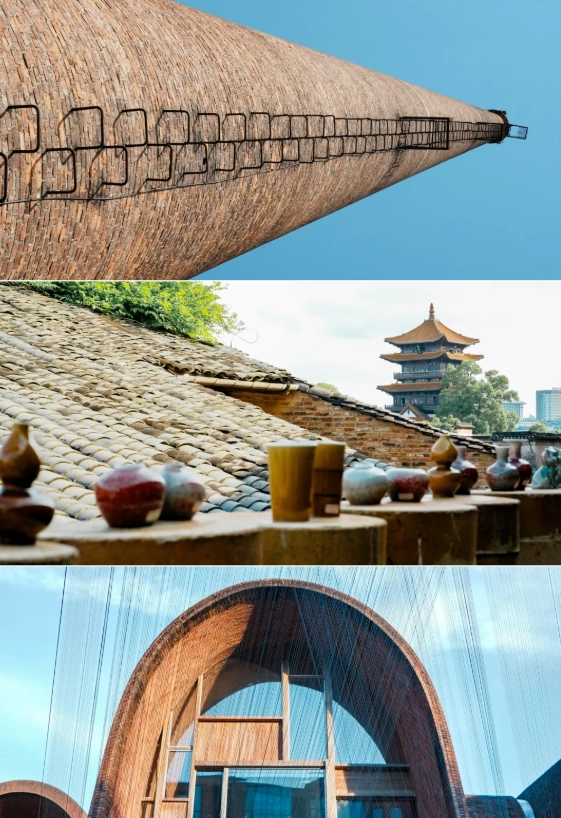
Afternoon: Jingdezhen International Youth Ceramic Art Village
Address: 68 Xisan Road, about 20 min from downtown by taxi.
Free. This is a relatively new spot where young artists from around the world live and work. The studios are open to visitors – you can chat with artists (most speak English) and buy direct from them at 30–50% cheaper than shops in the city.
I once met a German artist who makes porcelain jewelry with gold leaf. His earrings cost 150 RMB – a steal for handmade art.
Evening: Sunset at Lianjiang River
For your last evening, skip the crowded spots. Walk along the Lianjiang River east of the city center. The best viewpoint is near the Jingdezhen Grand Bridge. Grab some local street food (grilled squid, fried milk) from the vendors, and watch the lights reflect on the water. It's peaceful and a perfect end.
Where to Stay in Jingdezhen
| Hotel | Type | Price Range | Why I Recommend It |
|---|---|---|---|
| Taoxichuan International Youth Hostel | Hostel | 60–120 RMB/bed | Right in the art district, rooftop terrace, social vibe. Good for solo travelers. |
| Jingdezhen Marriott Hotel | Luxury | 500–800 RMB/night | Great Wi-Fi, English-speaking staff, central location. Best for families. |
| Sanbao Retreat | Boutique | 400–700 RMB/night | Surrounded by forest, pottery classes on site, romantic for couples. |
| Home Inn (Laoji Street) | Budget | 150–250 RMB/night | Clean, near dumpling shop, 24h convenience store next door. |
Note on Wi-Fi: Most budget hotels have unstable connections. If you need to work, go for Marriott or Sanbao Retreat. Also, many hotels don't have elevators – ask when booking if you have heavy luggage.
Where to Eat – Local Favorites
- Fan Fan Cafe (Taoxichuan): Great coffee (rare in Jingdezhen) and Western-style brunch. Google rating 4.6. English menu available. 50–80 RMB.
- Qiyuan Restaurant (near the museum): Famous for its qingzhen (halal) beef noodles. 20 RMB a bowl. Halal-friendly. Open 6am–2pm only!
- Night Snack Street (on Guangchang Road): Open 7pm–midnight. Try the grilled lobster and sweet potato balls. Most stalls accept cash only.
FAQ: Your Top Questions Answered
This content has been fact-checked to ensure informational precision.






No comments yet.