 Bo Wu
Bo Wu
What’s Inside
I’ll never forget the first time I walked up the stone steps and saw the Hanging Temple clinging to the cliff. It’s one of those sights that makes you say “how is that even possible?” – and I’ve been bringing travelers here for years. If you’re wondering how to visit Hanging Temple without the stress, you’ve come to the right place. In this guide I’ll give you the real deal: exactly how to get here, when to come, what to pay, and the little secrets most tourists miss.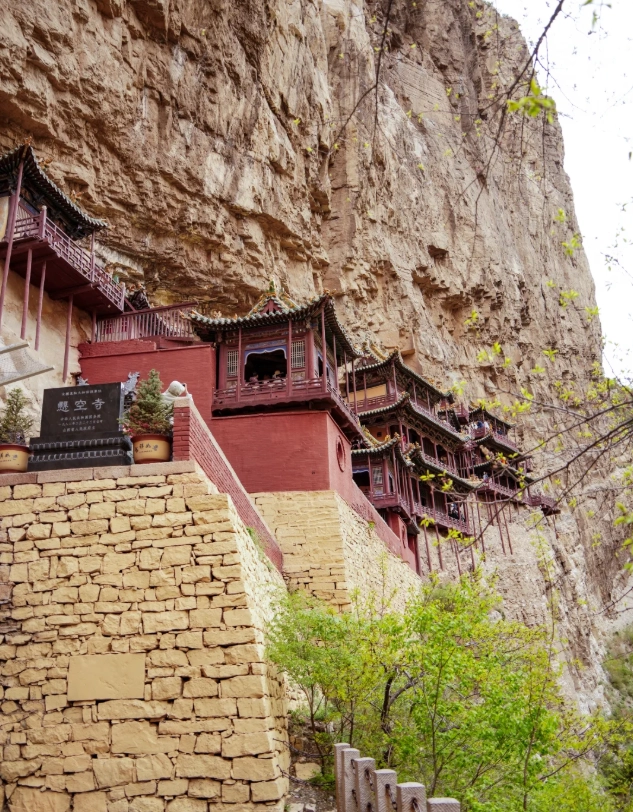
Why This Place Wows Everyone
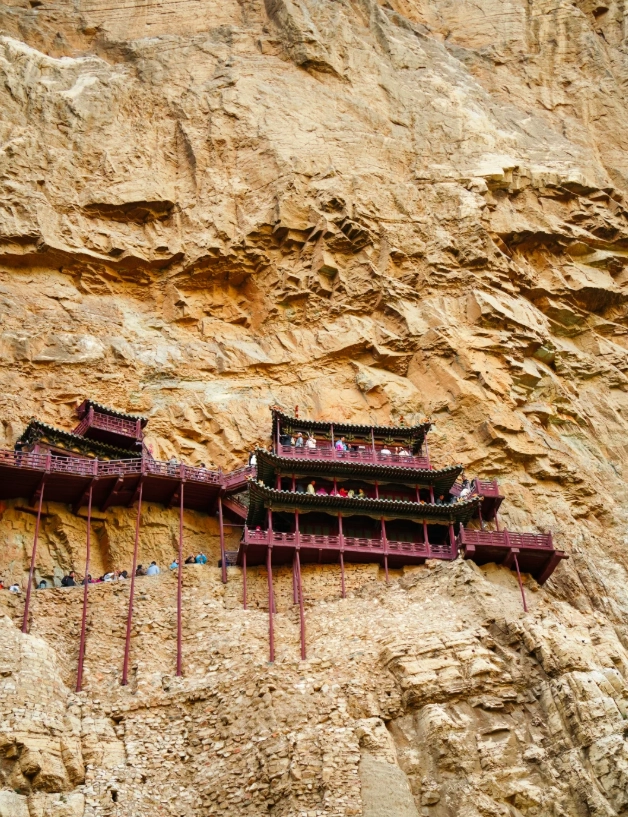
The Hanging Temple (Xuankong Si in Chinese) is a 1,500-year-old Buddhist monastery built into a sheer cliff face about 60 meters above the ground. It’s not just the location – the temple itself is a masterpiece of balance, using wooden beams wedged into holes drilled into the rock. And here’s the kicker: it combines Buddhism, Taoism, and Confucianism under one roof. Most first-timers spend at least an hour just staring from the parking lot.
Best Time to Go
Spring (April to June) and autumn (September to October) are ideal – mild weather, clear skies. Summer (July & August) is hot and crowded, especially with domestic tour groups. Winter (Nov–Feb) is cold (often below -10°C) but nearly empty; the temple remains open except during heavy snow.
Here’s a tip few guides mention: go on a weekday, and arrive right when it opens (usually 08:00). By 10:00 the bus groups roll in. I once brought a family at 07:45 and we had the entire temple to ourselves for 20 minutes. That’s the golden window.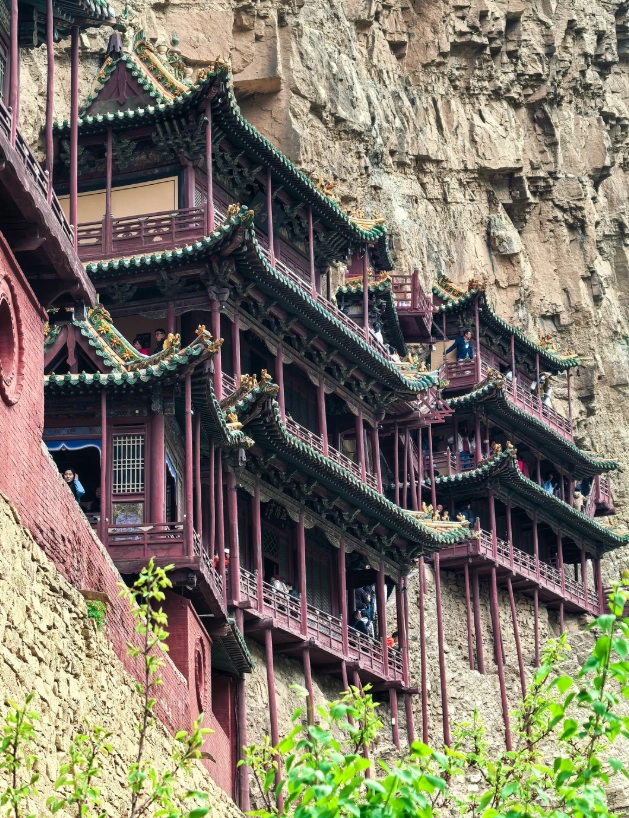
How to Get There
From Datong City (the main hub)
The Hanging Temple is located in Hunyuan County, about 80 kilometers southeast of Datong. You have three main options:
| Option | Time | Cost (RMB per person) | Pros | Cons |
|---|---|---|---|---|
| Public bus from Datong Bus Station | ~2 hours | ~30 | Cheapest, frequent departures | Drops you at Hunyuan town, then need local taxi (15 min) |
| Private taxi / Didi | ~1.5 hours | ~200-300 total | Door-to-door, flexible | More expensive, can haggle |
| Join a day tour from Datong | Full day | ~300-500 | No planning, includes guide | Rushed, usually includes Yungang Grottoes too |
My recommendation for most independent travelers: Take the public bus to Hunyuan, then grab a local taxi (about 30 RMB) to the temple entrance. It’s straightforward. When you get off the bus in Hunyuan, you’ll see taxis waiting – just say “Xuankong Si”.
Driving directions
If you rent a car, set your GPS to “Hunyuan Hanging Temple” (use Baidu Maps or Gaode – Google Maps is unreliable in China). Follow G18 expressway, then S203 provincial road. Parking costs 10 RMB per car.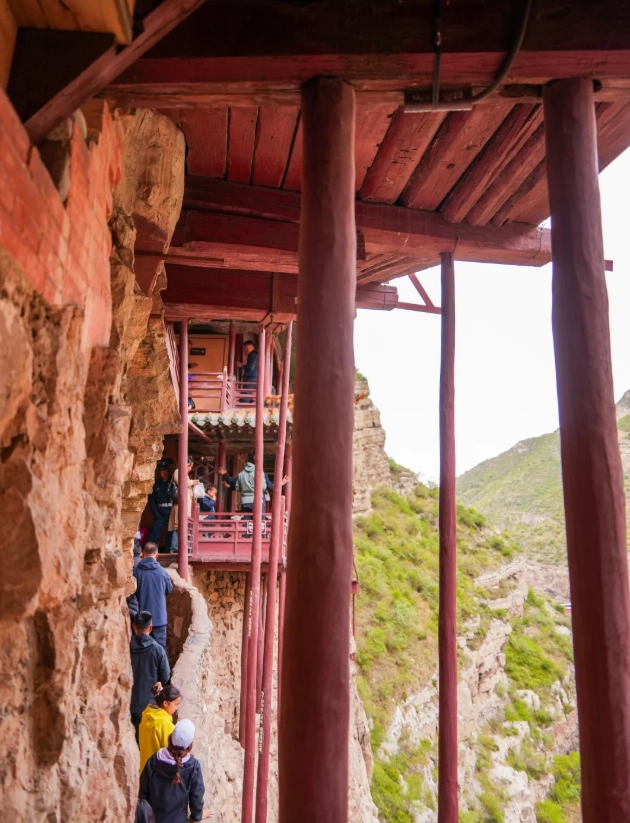
Tickets & Reservations
Prices fluctuate slightly depending on the season, so I recommend pulling up WeChat to scan their official mini-program right before you Uber over. As a rough guide:
| Category | Price (RMB) | Notes |
|---|---|---|
| Adult (peak season Apr–Oct) | ~125 | Includes entrance only |
| Adult (off‑peak Nov–Mar) | ~100 | Some years lower, check official |
| Child (1.2–1.4 m) | ~60 | Exact policy can change |
| Child (under 1.2 m) | Free | Must be accompanied by adult |
| Senior (65+) | ~60 | ID required |
Reservation is mandatory – you cannot buy a ticket at the gate during busy times. Use the WeChat mini‑program “悬空寺预约” (search in Chinese) or ask your hotel to help. Also, there’s a separate ticket if you want to go inside the temple (the actual cliff walkways) – about 100 RMB extra. Totally worth it, but note you’ll climb narrow stairs. Not for severe acrophobia!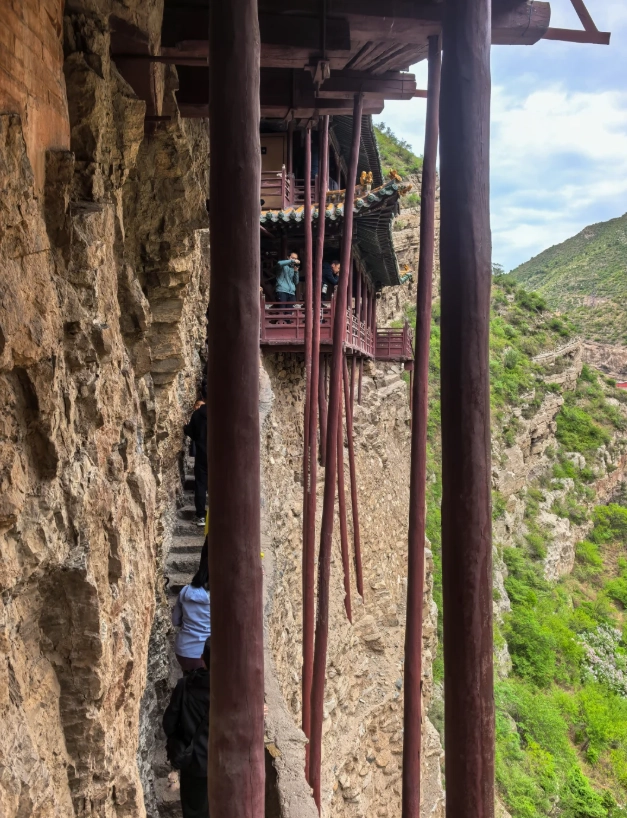
What You’ll See on Site
The site is compact but vertical. You’ll start at a courtyard with a few modern buildings (toilets, souvenir shop). Then you follow a stone path to the cliff base. The temple itself is a series of wooden pavilions linked by corridors and plank paths. Highlights:
- The Three Religions Hall – a room with statues of Sakyamuni (Buddhism), Laozi (Taoism), and Confucius.
- The suspension beams – look for the wooden cantilevers that hold the structure. Some original beams from the Tang dynasty are still in place.
- The view from the highest point – a narrow balcony with a railing that overlooks the valley. You’ll see the Hengshan mountain range.
Allow 1.5 to 2 hours including the climb and photo stops. If you skip the interior temple, 45 minutes is enough to see the exterior from below – but honestly, why skip?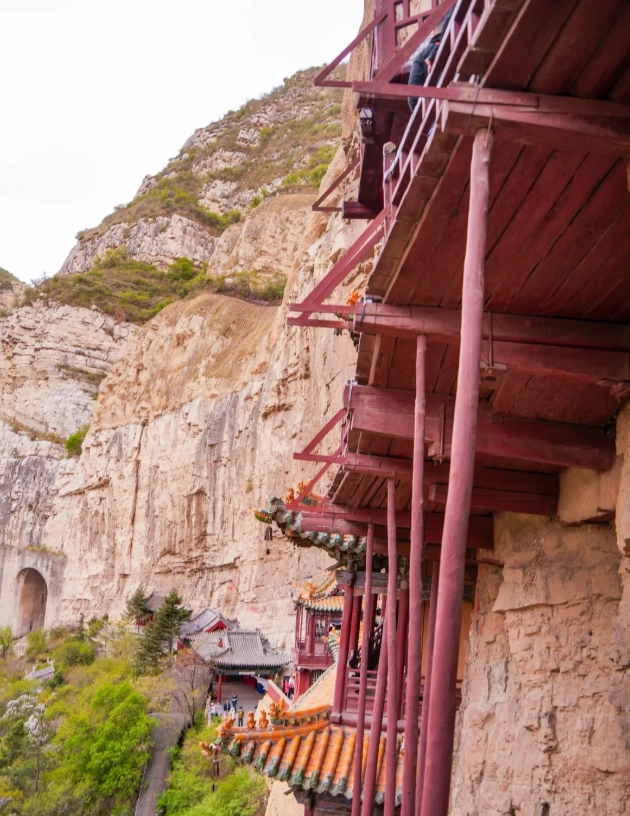
Tips from a Local Guide
Over the years I’ve learned what makes a trip smooth or miserable. Here’s the inside scoop:
- Wear sturdy shoes with grip. The stone steps are uneven, and there are sections with metal grates. Flip‑flops are a disaster waiting to happen.
- Bring cash. While China runs on mobile payments, small vendors (water, snacks) sometimes don’t accept cards or foreign apps. I always carry 100–200 RMB in small bills.
- Use the toilet before you enter. The only toilets are at the entrance plaza. Inside the temple? None. And the public ones can get messy. I tell my guests: “Go at the bus station, then go again at the entrance.”
- Beware of the “photo spot” scam. Near the parking lot, someone offers to take your photo with a bird or a fake backdrop. They then demand 20–50 RMB. Just say “bu yao” (no, thanks) and walk away.
- Combine with Yungang Grottoes? Many tours do both in one day. It’s possible but rushed. I’d suggest a full day for each if you can. If you have only one day, start with Hanging Temple early morning, then drive to Yungang (1.5 hours) and spend the afternoon there.
Frequently Asked Questions
Verified and fact-checked by the editorial team.





No comments yet.