 Gang Zheng
Quick Jump
I remember the first time I walked into the Yungang Grottoes – a cold wind whipped through the caves, and I stood frozen not from the chill, but from the sheer scale of a 55,000-square-meter cliff face carved with over 51,000 Buddha statues. That moment, I knew Datong wasn't just a pit stop between Beijing and Xi'an. It's a heavyweight of Chinese Buddhist art, and most tourists rush through it in a day. Big mistake.
This best Datong itinerary is built from dozens of trips I've led with real travelers – families, solo backpackers, even a group of photographers who spent three hours just on Cave 6. I'll show you how to cover the unmissable sites without burning out, where to eat like a local, and which trap to dodge (hint: skip the tourist-trap noodle shop at the Hanging Monastery parking lot).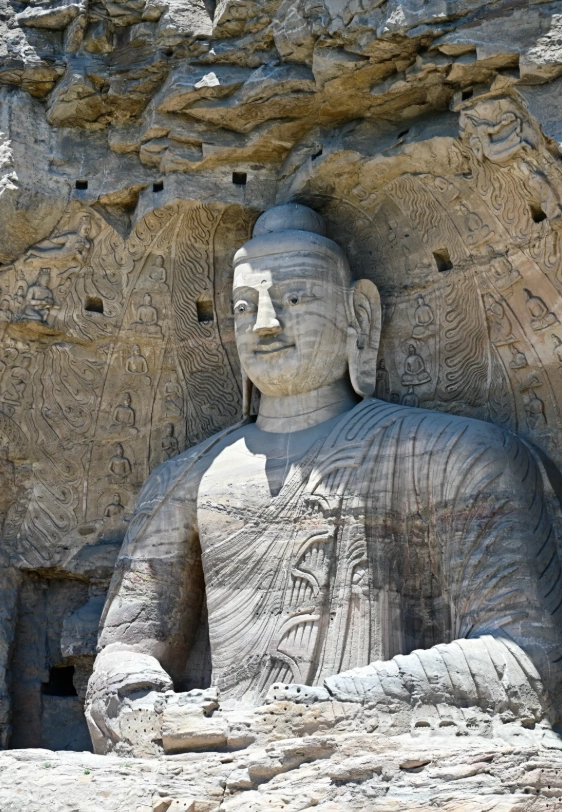
Why Datong Deserves a Spot on Your China Bucket List
Datong sits in northern Shanxi Province, about a 2-hour bullet train from Beijing. It was once the capital of the Northern Wei dynasty (386–534 AD), and that dynasty left behind the most jaw-dropping Buddhist cave complex in China: the Yungang Grottoes. Then there's the Hanging Monastery – a temple literally glued to a cliff face for 1,500 years. And the Wooden Pagoda, the oldest and tallest wooden structure standing on the planet. No contest.
What I love about Datong is it's still underrated. You'll see mostly domestic tourists, maybe a few German tour groups. The English signage is decent, but the real gems – like the tiny cave with a smuggled Buddha head – aren't marked. That's where a guide (or this article) helps.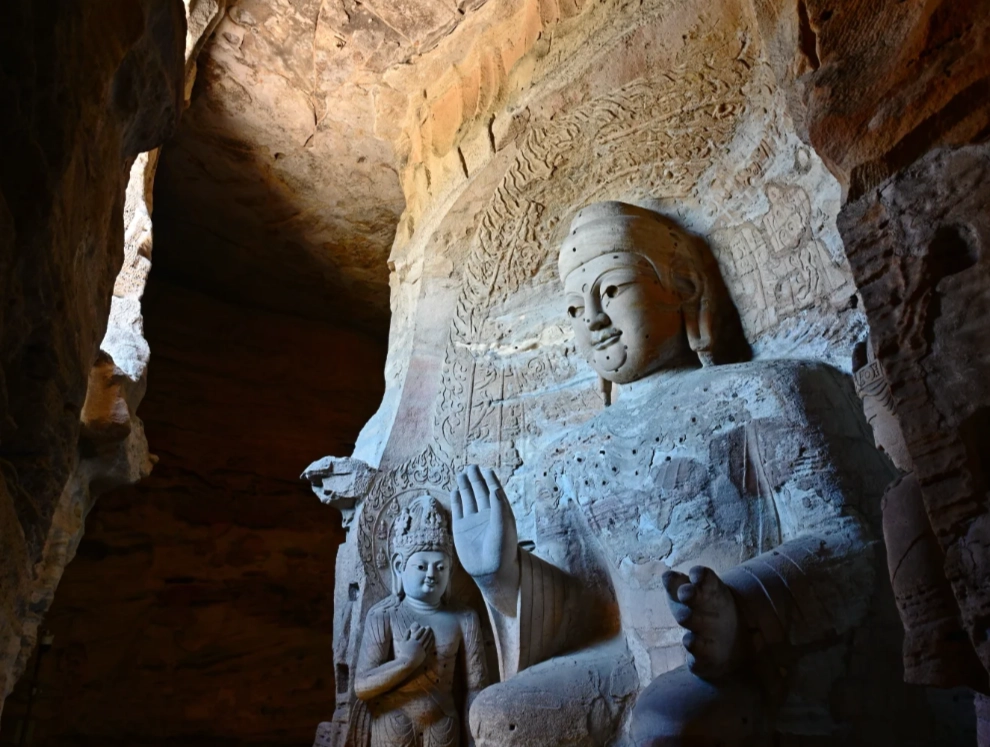
How This 2-Day Itinerary Works
I've designed this with a logical north-south flow. Yungang is west of the city, Hanging Monastery is south (about 80 km away). So Day 1 stays urban; Day 2 heads out. You'll need to book accommodation in Datong's old city area – I'll recommend specific hotels later.
Quick note on transport: I'll give you the station names and ride-hailing tips, but always check current prices on Didi (Chinese Uber) or the local bus app. Prices fluctuate slightly depending on the season, so I recommend pulling up WeChat to scan their official mini-program right before you Uber over.
Day 1: Yungang Grottoes and Downtown Datong
Morning: Yungang Grottoes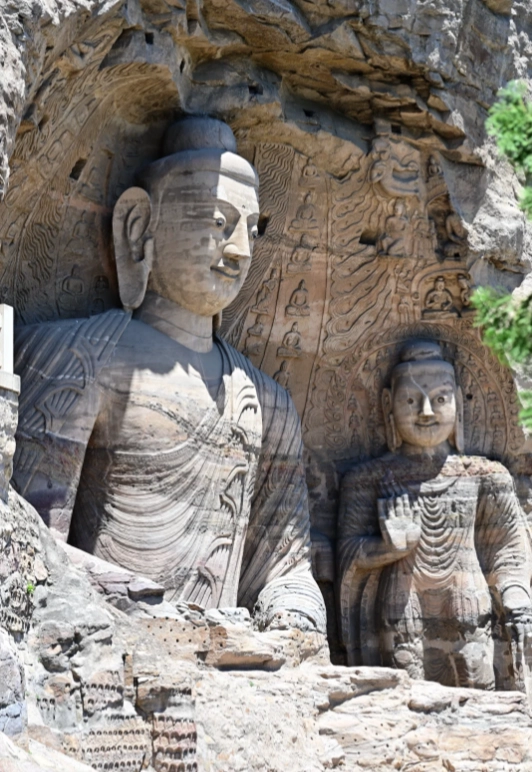
Get there early. The site opens at 8:30 (summer) / 9:00 (winter). Aim to arrive at 8:15 to beat the crowds. Take a Didi from the city center – about 30–40 minutes, roughly 40–50 RMB. Or bus route 3 runs from Datong Railway Station to Yungang; get off at Yungang Grottoes stop, then walk 10 minutes.
Buy tickets online through the official WeChat mini-program "云冈石窟" (search in Chinese). Adult ticket is around 120 RMB, students half price. Heads up: foreign credit cards often don't work on WeChat – bring cash or ask a hotel to help you pay. I always tell my guests to download Alipay before coming; it's more foreigner-friendly.
Once inside, don't be tempted by the electric cart – the walk from entrance to the main caves is a pleasant 15-minute stroll past a new museum (free). The caves are numbered 1 to 45. Cave 6 (with the towering central pillar) and Cave 20 (the giant seated Buddha, iconic photo spot) are must-sees. Most guides rush you through in 2 hours – I spend at least 3.5 hours. Pro tip: go to the farthest caves first (like Cave 16–20), then work backward. Everyone else starts at Cave 1, so you'll have the back caves almost to yourself.
Around 11:30, you'll be hungry. There's a decent cafeteria near the exit, but I prefer the street vendors selling youtiao (fried dough) and soy milk just outside the parking lot. Avoid the sit-down restaurant inside – overpriced and bland.
Afternoon: Shanhua Temple & Huayan Temple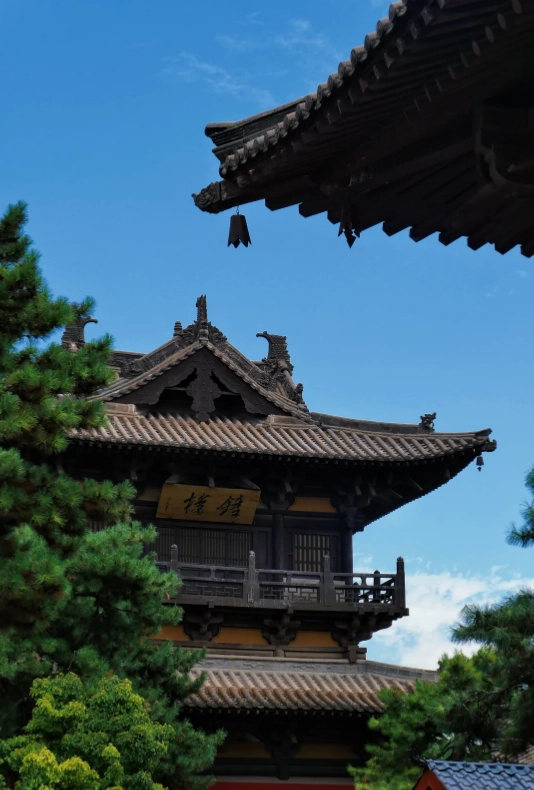
Take a Didi back to the old city. Your next stop is Shanhua Temple – free entry, open until 17:30. It's one of the oldest surviving Liao dynasty temples in China. The main hall has stunning 10th-century murals that most tourists walk right past. I once spent an hour deciphering the stories with a monk (who spoke some English).
A 15-minute walk north brings you to Huayan Temple. This one charges about 50 RMB. The highlight is the 15th-century scripture hall with a hidden upper floor – climb the narrow stairs for a view over the old city rooftops. Warning: the temple closes at 17:00 in winter, so plan accordingly.
Evening: Datong Old City Wall & Night Market
After 5pm, stroll up to the Datong Old City Wall. You can rent a bike for 30 RMB and cycle the 7 km circuit. The sunset from the south gate is spectacular – bring a jacket, wind gets fierce. For dinner, head to the night market on Gulou Street. Look for a stall called "Shuai Wang Mutton Skewers" – 3 RMB per skewer, lamb with cumin, grilled over charcoal. My American guests always order two rounds.
Budget for Day 1: around 250 RMB per person (tickets + transport + food, no shopping).
Day 2: Hanging Monastery and Wooden Pagoda
Morning: Xuankong Si (Hanging Monastery)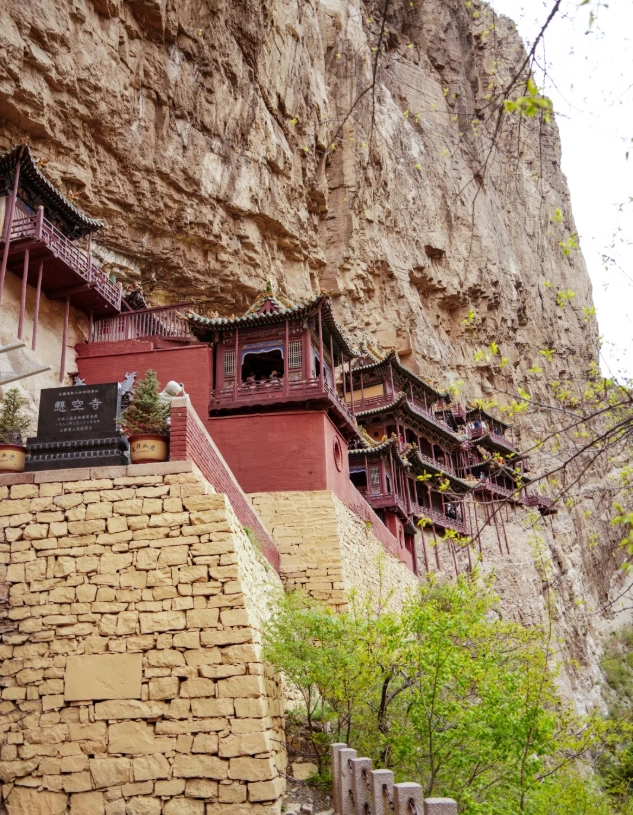
This is the day you'll thank me for renting a car or booking a private driver. You can take a bus (from Datong Bus Station to Hunyuan County, then a local minibus), but it eats 3 hours each way. I always arrange a driver through the hotel – about 400–500 RMB for the day, splitting with 3 people makes it cheap.
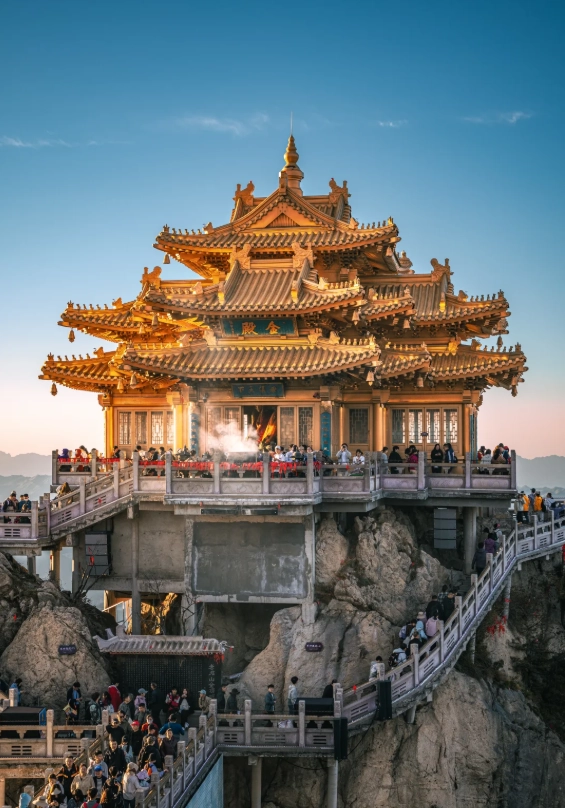
Leave at 8:00. The monastery opens at 8:30. It's a 1.5-hour drive southeast. The Hanging Monastery clings to a cliff 50 meters above ground. Tickets: 115 RMB for the monastery + cable car (optional, skip it – the walk is 10 minutes). The monastery itself is small; you'll be done in 1.5 hours. But the approach – walking up the stairway with the mountain face inches away – gives me chills every time.
My insider trick: Go to the second floor of the monastery, look for a narrow corridor behind a wooden door. It leads to a tiny balcony with an unobstructed view of the whole structure – where all the Instagram shots are taken. Most people miss it.
By 11:00 you'll be hungry. Don't eat at the monastery restaurant (overpriced). Instead, drive 15 minutes into Hunyuan town and find a local restaurant serving hunyuan noodles – a cold jelly-like noodle with chili oil. My go-to is "Hunyuan Old Wang" – about 15 RMB a bowl.
Afternoon: Yingxian Wooden Pagoda
After lunch, drive another 40 minutes south to Yingxian County. The Wooden Pagoda is a marvel: 67 meters tall, entirely wood, no nails, built in 1056 AD. It's leaning now (about 1 degree), so you can't go above the first floor. But standing under it is humbling. Ticket: 50 RMB. Open until 17:00. I usually spend 1 hour here, just circling it and reading the history panels (English available).
By 15:00, you'll head back to Datong (1.5 hours). If you have a late flight or train, you can squeeze in a visit to the Datong Museum – free, modern, and well-curated. But if you're tired, just grab a coffee at the old city.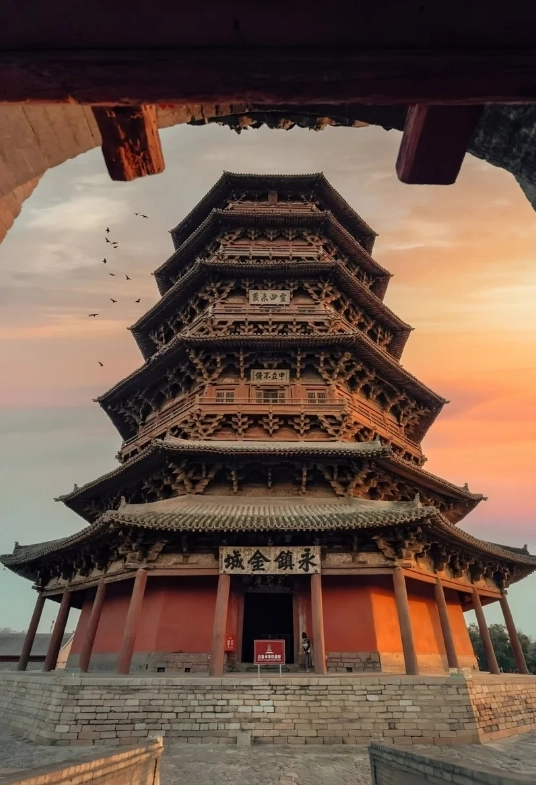
Where to Stay in Datong
| Hotel | Location | Price range (per night) | Best for |
|---|---|---|---|
| Datong Huayuan International | Near old city | 400–600 RMB | Families, Western amenities |
| Jinjiang Inn (Old City) | Gulou area | 150–250 RMB | Budget travelers, solo |
| Yungang Hotel | Near Yungang Grottoes | 200–350 RMB | Convenience for early bird |
| Courtyard by Marriott Datong | Downtown | 500–800 RMB | Luxury, business |
I personally stay at Jinjiang Inn Gulou branch – clean, cheap, and a 5-minute walk to the night market. Note: Many budget hotels don't have English-speaking staff, so have your hotel address written in Chinese for the taxi driver.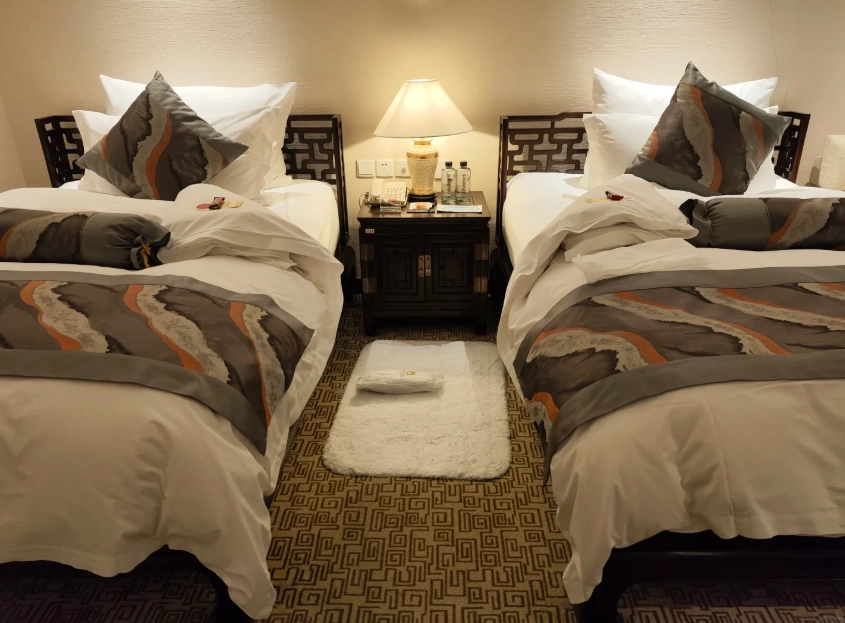
What to Eat in Datong
Datong cuisine is robust and meat-heavy, influenced by Inner Mongolia. Must-tries:
- Mutton hotpot – Tian Shan Hotpot on West Street. 80 RMB per person, quick service.
- Daoxiao noodles – Old Ma Noodle near the east gate. Slices of hand-cut noodles in mutton broth. 15 RMB bowl.
- Potato cakes – street stalls near Drum Tower. Crispy outside, soft inside, 5 RMB.
One warning: Datong's water is hard and might upset foreign stomachs. Stick to bottled water. And don't trust the street fruit vendors who call it "organic" – I've seen them picking apples from roadside trees. Buy from supermarkets.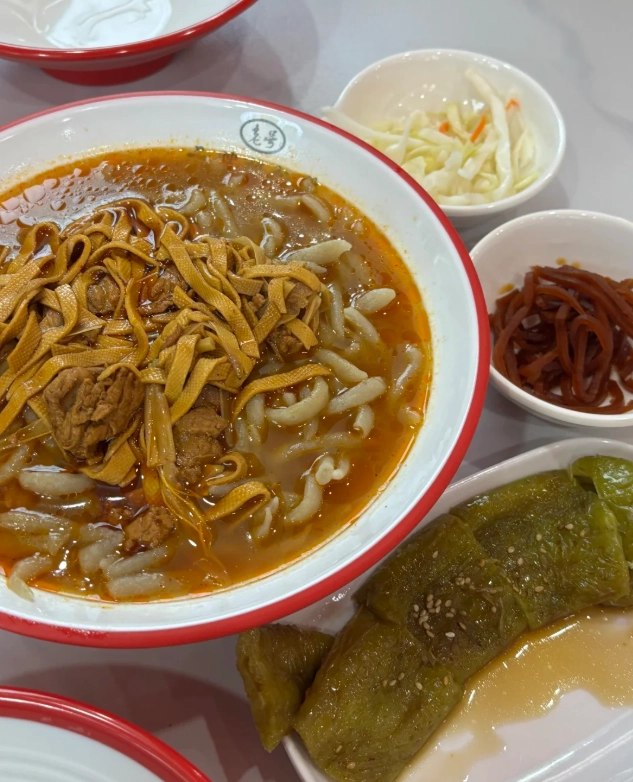
Practical Tips for Your Datong Trip
- Best time to go: April–June or September–October. Summer is hot and crowded; winter is freezing (-15°C) but fewer tourists.
- Getting to Datong from Beijing: High-speed train from Beijing North to Datong South (2h, 150 RMB). Book on Trip.com or 12306.cn.
- Payment: Allegro is widely accepted, but bring some cash (200–300 RMB) for small vendors and taxi emergencies.
- Language: Download Pleco app with offline dictionaries. Many older locals speak zero English.
- Dress code: Temples require covered shoulders and knees. Be prepared.
Frequently Asked Questions
Verified and fact-checked by the editorial team. This content has been fact-checked to ensure informational precision.





No comments yet.