.jpeg) Tariq Ma
Tariq Ma
Quick Jump
I've been guiding groups around Datong for years, and I still remember my first trip: I tried to cram in six temples in one day, ended up with sore feet, and ate a terrible tourist-trap lunch. Don't be that person. Here's a realistic, well-paced 3-day plan that covers the must-sees without burning you out. And I'll throw in some local secrets most guides won't tell you.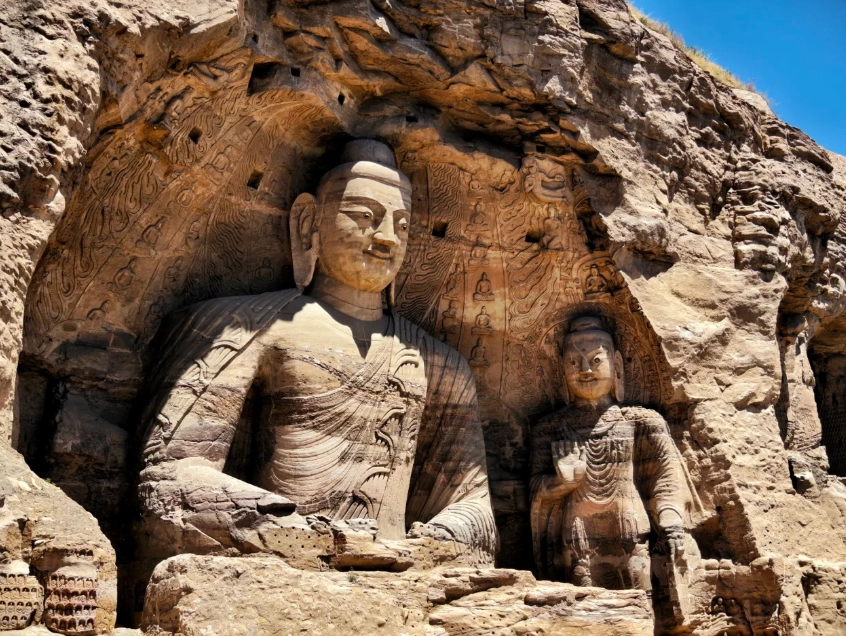
Getting to Datong
Most visitors arrive by high-speed train from Beijing (about 2 hours) or from Xi'an (around 4 hours). The Datong South Station is new and clean, with a taxi stand right outside. If you're coming by plane, the Datong Yuncheng Airport is small but has flights from major cities. From the airport, a taxi to the city center costs roughly 40–50 RMB depending on traffic. I always tell my friends to download the DiDi app (the Chinese Uber) because taxis at the curb sometimes overcharge foreigners – just let the app set the price.
Where to Stay: My Recommendations
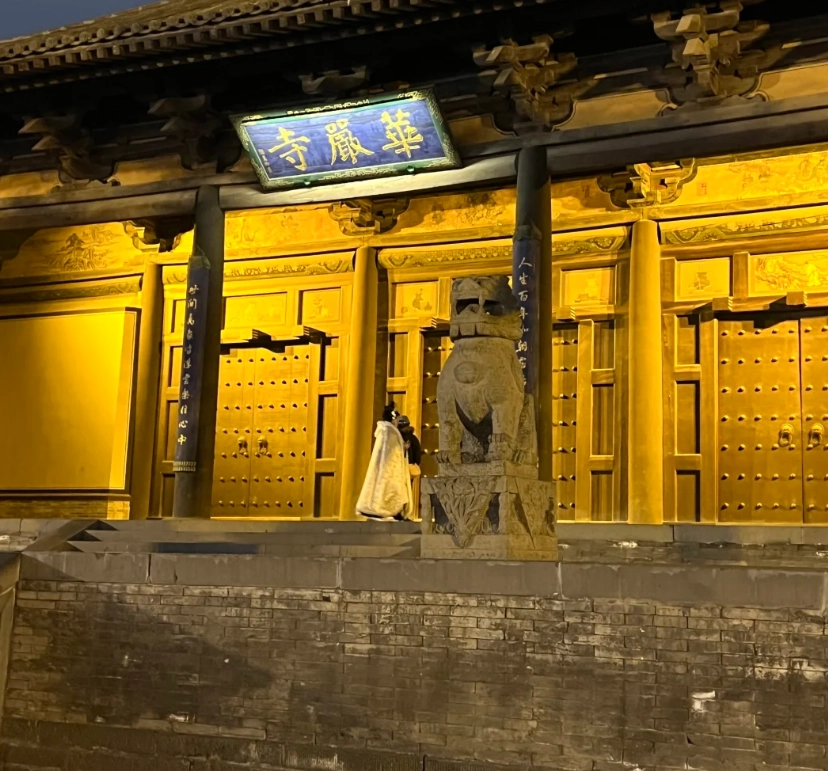
For a 3-day trip, pick a hotel near the old city wall (e.g., near Huayan Temple). It puts you within walking distance of night markets and local noodle shops. Here's a quick comparison table based on what I've seen with my guests:
| Hotel Area | Price Range (per night) | Best For | Notes |
|---|---|---|---|
| Old City Center | 300–600 RMB | First-timers, walkability | Lots of food stalls, historic vibe |
| Near Datong South Station | 200–400 RMB | Short layovers, budget | Fewer dining options, but convenient for train |
| Yungang Area | 400–800 RMB | Early risers, luxury seekers | Closer to grottoes, but quiet at night |
A specific place I often recommend is the Datong Huaxi Hotel (near the old city wall). It's not fancy, but the staff speak a bit of English, and the rooms are clean. Book via Trip.com or Ctrip; credit cards work, but many local guesthouses prefer WeChat Pay.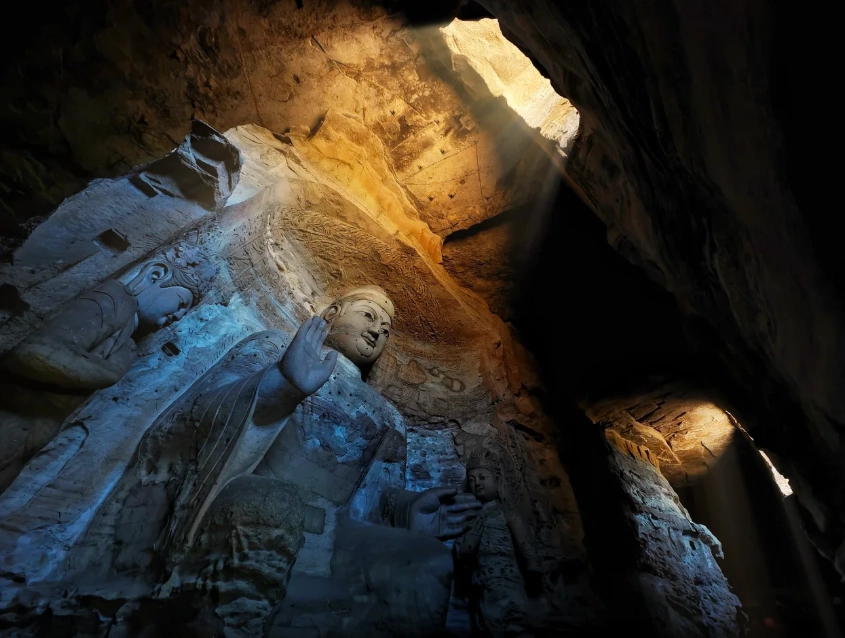
Day 1: Yungang Grottoes & City Highlights
Morning: Yungang Grottoes (8:00 AM – 12:30 PM)
This is the main reason you came, right? Yungang is one of the four greatest Buddhist cave complexes in China. The key is to arrive early – I mean early. The site opens at 8:30 AM, but if you show up at 8, you'll beat 90% of the tour buses. I park my group at the entrance right when it opens, and we head straight to Caves 5–13, the most spectacular ones. Most people dawdle at the first caves, so you can get those dramatic tunnel shots with fewer heads in the frame.
Getting there: From the city center, it's a 30-minute Didi ride (about 40 RMB). Public bus #603 goes from the train station to Yungang, but it takes an hour. I'd spring for the car.
Tickets: Prices fluctuate slightly depending on the season, so I recommend pulling up WeChat to scan their official mini-program right before you Uber over. Last I checked, adult tickets were around 120 RMB. There are student and senior discounts, but bring your ID. No escalators inside – prepare to walk and climb stairs. There's a golf cart shuttle from the entrance to the caves, but the walk is only 10 minutes and gives you a nice view of the surrounding hills.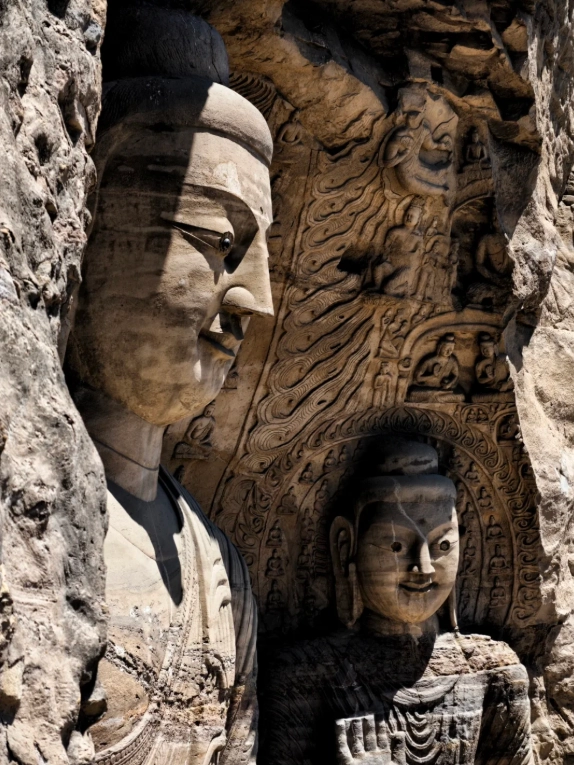
Lunch: Local Noodles near Yungang
There are overpriced restaurants inside the scenic area. Walk out to the street just outside the main gate – there's a row of family-run joints. I always go to Lao Ma's Noodle House. Their knife-cut noodles with pork are fantastic (around 25 RMB). They don't speak English, but pointing at what others are eating works perfectly. Cash or WeChat only, no cards.
Afternoon: Huayan Temple & Datong Museum (1:30 PM – 4:30 PM)
Back in town, head to Huayan Temple (Hua Yan Si). It's one of the largest and best-preserved Liao dynasty temples in China, and honestly, it's often overlooked by foreign tourists. I love the wooden pagoda and the serene Buddha statues. Spend about 1.5 hours here. Admission is around 50 RMB – check the mini-program for current prices.
If you have energy left, the Datong Museum is a 10-minute walk away. It's free, but you need to reserve a slot on its official WeChat account (scan the code at the entrance). The museum covers the history of the city as a capital of the Northern Wei dynasty. The building itself is gorgeous – totally Instagrammable.
Evening: Datong Old City & Night Market
As dusk falls, walk along the old city wall (the eastern section is well lit). The ancient wall is free to walk on. Then head to the Dongfang Night Market near the Drum Tower. I'll be honest: a lot of the street food is deep-fried and heavy, but you have to try the Datong mutton kebabs and yogurt with fermented millet. The kebabs are spiced with cumin and chili – perfect with a cold beer. Expect to spend 30–50 RMB for a satisfying snack dinner.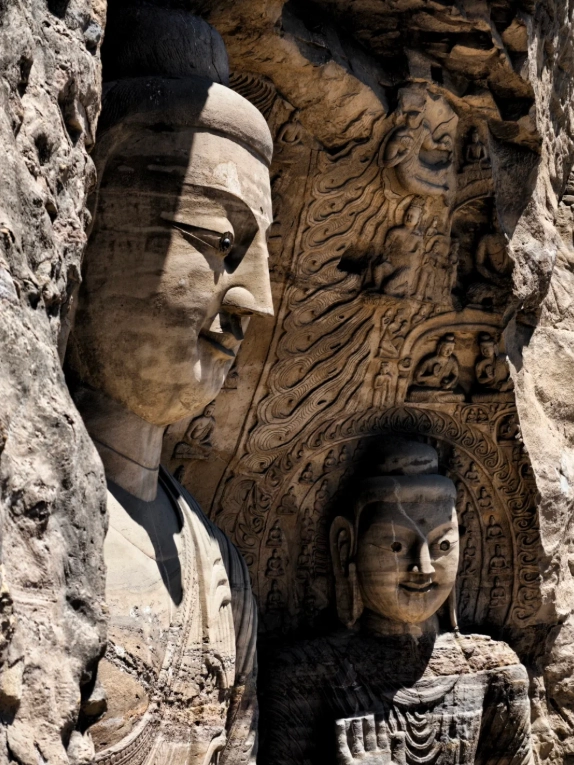
Day 2: Hanging Temple & Natural Wonders
Morning: Hanging Temple (Xuankong Si) (7:30 AM – 10:30 AM)
This temple literally clings to a cliff, and it's every bit as dizzying as the photos suggest. It's about 80 km from Datong, so an hour's drive. I suggest hiring a private driver for the day (around 400–500 RMB from a local agency) or joining a small group tour. Public bus is complicated and takes 3 hours.
Timing: The temple gets packed by 10 AM. Be there right at 8 AM when it opens. The walkways are narrow – only one-way traffic, so you'll be shuffled through quickly. I usually spend 1.5 hours tops. Then, take a 15-minute walk to the base of the cliff for a great photo angle that most tourists miss.
Ticket info: Admission to the Hanging Temple itself is about 115 RMB in peak season. There's also a combo ticket with the nearby Hengshan Mountain area, but unless you're a hardcore hiker, skip the mountain – it's steep and takes half a day. The mini-program for tickets is tricky to find; ask your hotel reception to help you prebook.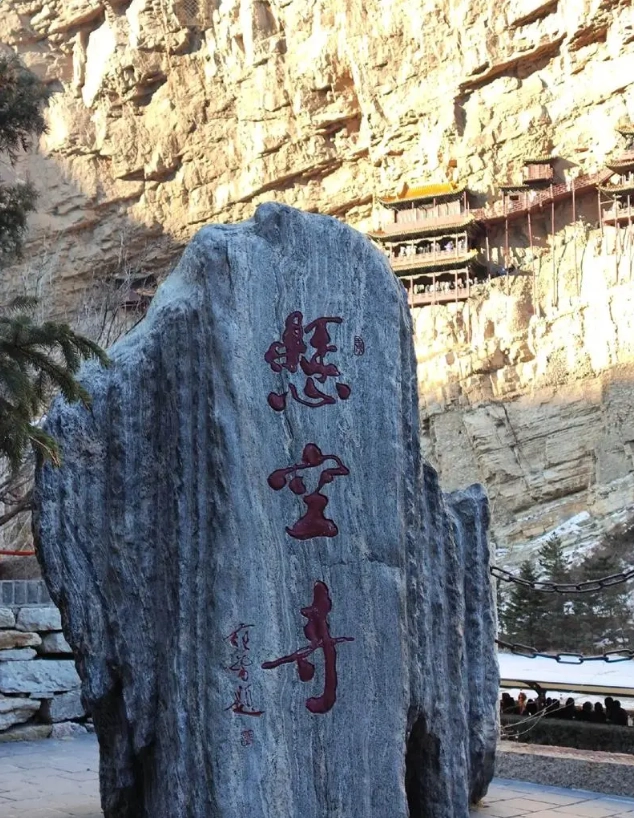
Lunch: Simple Eats at the Hanging Temple Exit
There's a row of small eateries near the parking lot. The food is mediocre, but the cold noodles (liang pi) are refreshing. I'd recommend packing snacks from the city – maybe some sunflower seeds and juice.
Afternoon: Wild Goose Pass or Local Farm (optional)
If you're not exhausted, drive 30 minutes to Wild Goose Pass (Yanmen Guan), a historic mountain pass with a Great Wall section. It's less touristy and gives you a rugged feel. Otherwise, head straight back to Datong and relax. The driver can drop you off at a local clay figurine workshop near the old city – it's a fun hands-on experience for about 50 RMB, making your own little soldier figurine. Not many tourists know about this.
Evening: Rooftop Bar for City Views
Head to The Wow Bar on top of the Datong Grand Hotel (ask for the rooftop). They have a decent selection of imported beers, and the view of the old city wall lit up at night is stellar. It's a bit pricier (drinks from 35 RMB), but worth it for the atmosphere.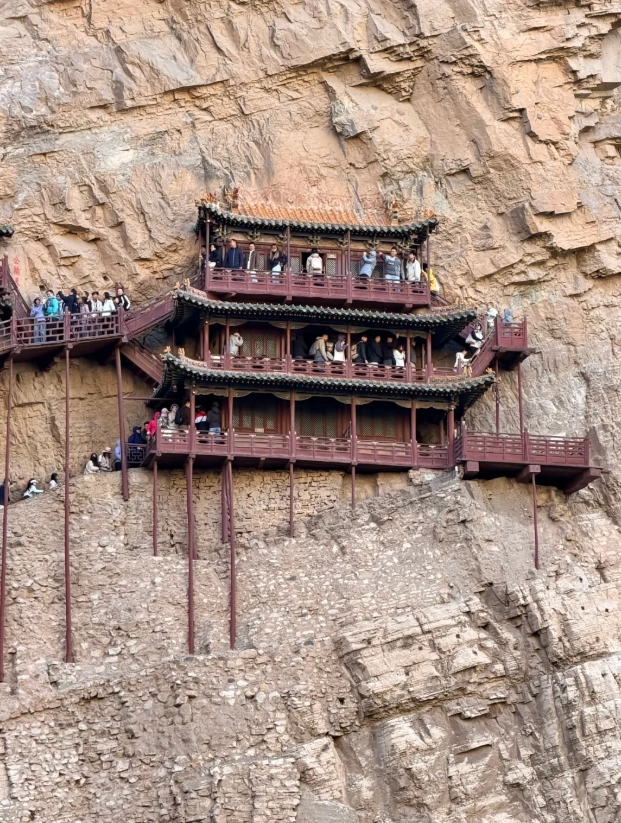
Day 3: Old City & Cultural Immersion
Morning: Shanhua Temple & Nine-Dragon Screen
Start at Shanhua Temple, another Liao-era gem that's often empty. The wooden architecture and faded murals are hauntingly beautiful. Entry is about 30 RMB. Then walk five minutes to the Nine-Dragon Screen – a massive glazed tile wall from the Ming dynasty. It's free to view from the outside, but you can pay 10 RMB to enter the small park in front of it for a better photo. I always tell people: go before 9 AM when the light hits the dragons perfectly.
Late Morning: Datong City Wall Bike Ride
Rent a bike at the east gate of the city wall (20 RMB per hour). The wall is 7.2 km around, and cycling the full loop takes about 40 minutes. The top is wide and safe. I love the contrast between the ancient wall and the modern city behind it.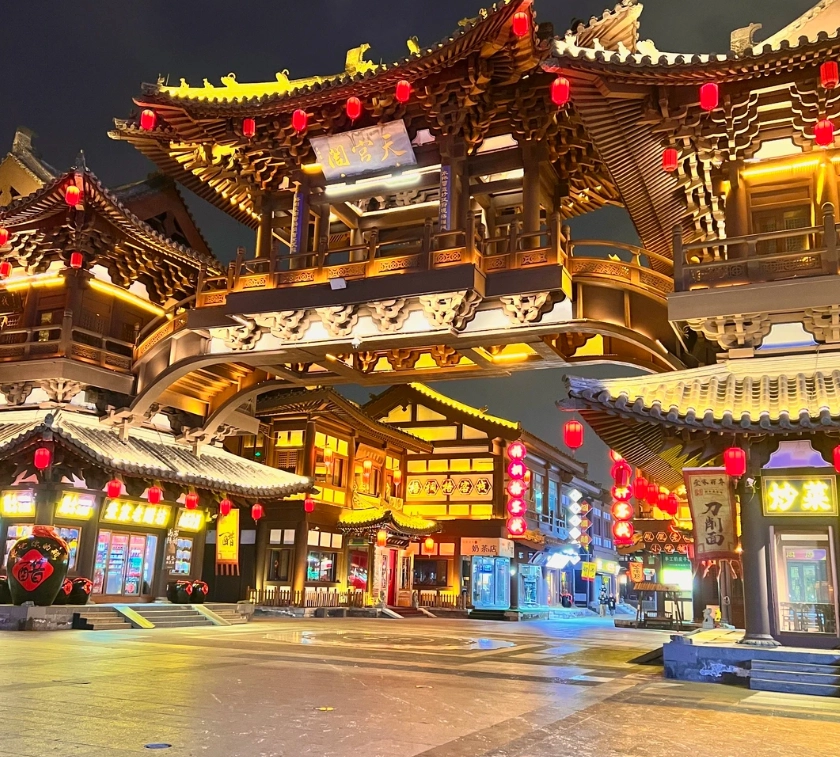
Lunch: The Best Khan's Bridge Noodles
For your last lunch, go to Khan's Bridge Noodles (a 5-minute walk from the south gate). This spot serves Datong spicy hotpot noodles – a local specialty that's different from typical Sichuan hotpot. The broth is beef-based, loaded with tripe and radish. I always get the "luxury version" with extra beef brisket (about 45 RMB). They accept Alipay and WeChat, but cash works too.
Afternoon: Local Handicraft Market (before departure)
If you have time before your train or flight, pop into the Dongxiao Street antique market (open weekends only). Weekdays you can still browse the few shops that are open for copperware and coal carvings (a local specialty). Prices start at 50 RMB for small souvenirs. Haggle a bit – shopkeepers expect it. Don't buy anything that looks like an "ancient" relic; it's almost certainly a reproduction.
Essential Tips for Your 3 Days in Datong
- Weather check: Datong is dry and dusty. Bring lip balm and hand lotion. In summer it's hot (35°C), in winter bone-chilling cold (-15°C). A mask helps against the dust at Yungang.
- Payment: Mobile payment (WeChat Pay, Alipay) is king. Most hotels accept credit cards, but street stalls rarely do. Bring some cash for small purchases.
- English: English signage is limited to major attractions. Download a translation app like Pleco or Google Translate. My favorite trick: screenshot the Chinese name of your destination and show it to the taxi driver.
- SIM card: Get a local SIM at the airport (China Unicom has decent data plans). Without it, you can't use Didi or WeChat Pay easily.
- Toilet paper: Carry your own – public restrooms often run out. And hand sanitizer is a must.
FAQ About 3 Days in Datong
Verified and fact-checked by the editorial team.






No comments yet.