 Hui Lin
I'll be straight with you: I've brought more than 40 groups through Datong Ancient City over the past eight years. Some travelers fall in love immediately; others wonder if they should have stayed in Pingyao. So, is Datong Ancient City worth visiting? Yes—but only if you know what you're getting into. Let me break it down so you can decide.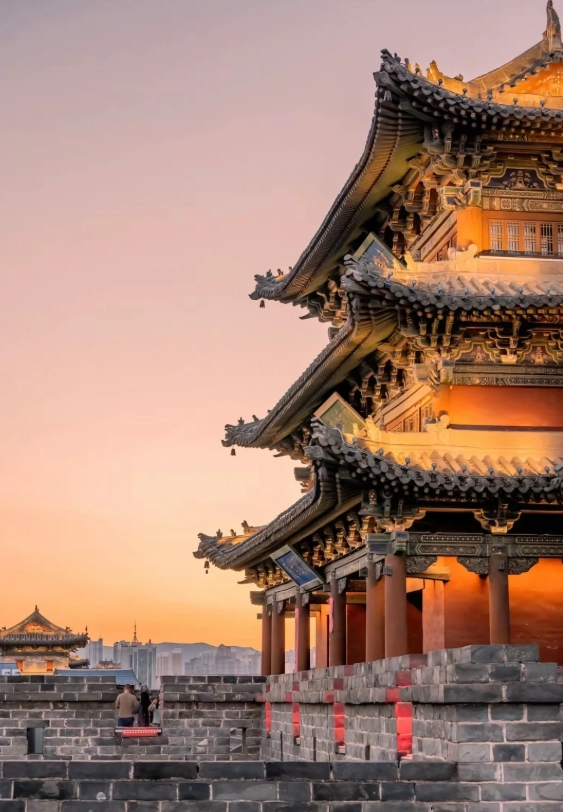
My First Impression
The first time I stepped through the Yongtai Gate, I thought I'd traveled back 600 years. The city wall, towering and solid, wraps around a maze of narrow alleys, old courtyard houses, and the occasional temple spire. The air smells of coal smoke and incense. It's not polished like Xi'an's wall—it's rawer, more alive. But also more chaotic. You'll share the street with electric scooters, rickshaws, and locals hanging laundry. That's the charm.
What Makes Datong Ancient City Special
The Ming Dynasty City Wall
The wall is the centerpiece. You can walk or bike the entire 7-kilometer circuit. I always tell my groups: start at the South Gate (Yongtai) around 4 PM. The light turns golden, and you get breathtaking views of the old city to the west and the modern skyline to the east. Bikes are available at the gate—rent one for about 30 RMB per hour (check the latest price on site, as it changes seasonally). Wear comfortable shoes, and bring water—there are few shade spots.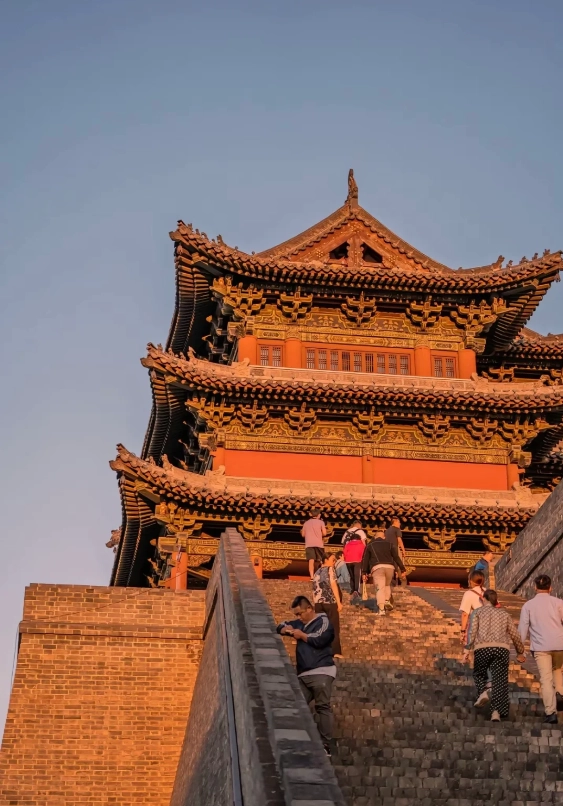
Huayan Temple
Tucked inside the ancient city, Huayan Temple is a must. The main hall, built in the Liao Dynasty, holds a massive clay Buddha that left me speechless the first time. Entry is 50 RMB for adults, free for children under 6 (but verify through the official WeChat mini-program before you go). The temple opens at 8:30 AM and closes at 5:00 PM (last entry 4:30). Go early—around 8 AM—to have the place almost to yourself. The shadow play near the entrance is a fun bonus.
Shanhua Temple
Less crowded than Huayan, Shanhua Temple is my personal favorite. Its Ming Dynasty murals are faded but hauntingly beautiful. I once brought a group of art history students who spent two hours just in the main hall. Admission is 40 RMB. Pro tip: the ticket office sometimes closes for lunch (12:00–13:00), so plan accordingly.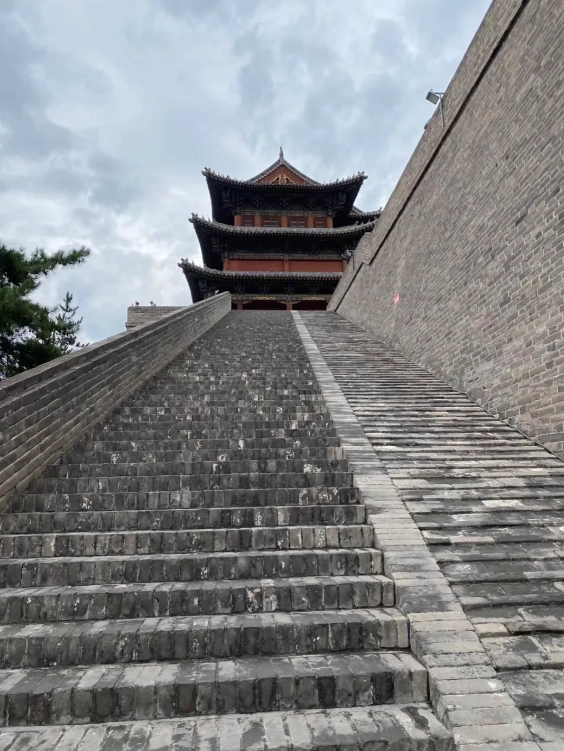
Drum Tower & Night Markets
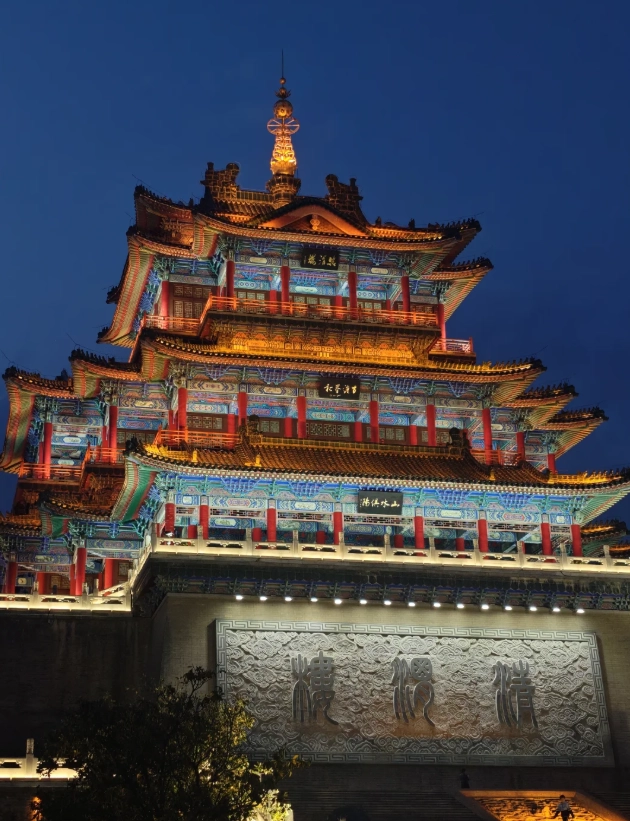
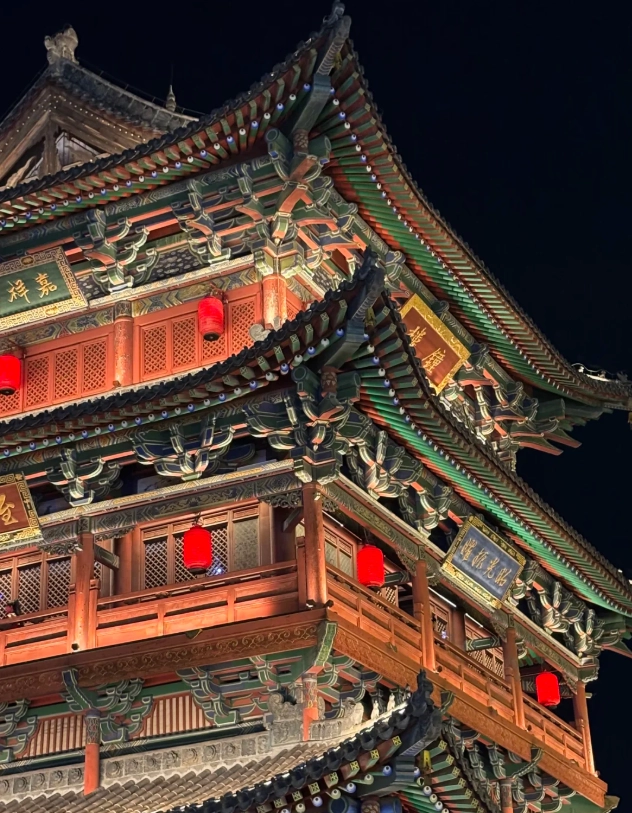
Around the Drum Tower, the old city comes alive after 6 PM. Street stalls sell everything from roasted lamb skewers to hand-pulled noodles. The atmosphere is electric—locals gather to play chess, and kids chase each other through the alleys. It's the best time for photography, but watch your wallet in crowded spots (I've never had an issue, but stay alert).
How to Get There
| Method | Details |
|---|---|
| High-speed train from Beijing | About 2 hours to Datong South Station, then take bus 61 or Didi (30-40 RMB) to the East Gate. Trains run frequently; check 12306.cn. |
| Long-distance bus from Taiyuan | 3.5 hours, arrives at Datong Bus Station. From there, taxi (15 RMB) to the South Gate. |
| By air | Datong Yungang Airport (domestic flights from major cities). Take airport shuttle to city center, then taxi (20 RMB) to ancient city. |
| Within the city | Bus lines 15, 27, and 38 stop at the East Gate. Subway? Not yet. Taxi or Didi is your best bet. From Datong South Station, the Didi fare to South Gate is about 35 RMB. |
Heads up: The East Gate (He Yang Gate) is the most convenient entrance for first-timers. The ticket office for the city wall walk is right inside.
Best Time to Visit
Spring (April–May) and autumn (September–October) are ideal. Summer is hot (above 35°C), and winter is bitterly cold (below -10°C) with reduced hours. I had a group in July once—we spent most of the afternoon hiding in iced tea shops. If you come in summer, start your day at 7 AM and take a break from 12–3 PM. Winter has its own beauty: snow on the grey-tiled roofs is magical, but bundle up.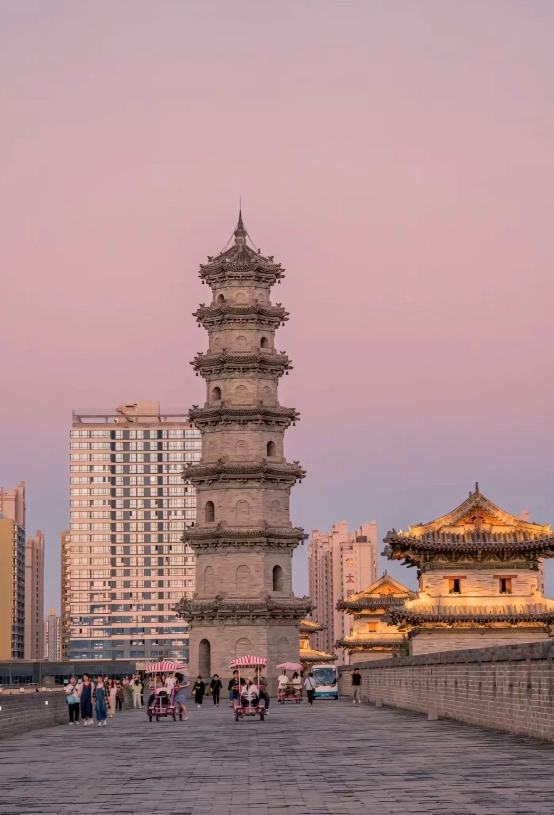
Where to Stay
| Hotel | Pros | Cons | Price Range (per night) |
|---|---|---|---|
| Datong Huamei Hotel(inside ancient city) | Traditional courtyard style, 3 min walk to Huayan Temple | No elevator; narrow stairs | 300–500 RMB |
| Yunshan Hotel(near East Gate) | Modern, reliable wifi, English-speaking staff | No character, 10 min walk to wall | 200–350 RMB |
| Pingyao-style guesthouse (several along West Street) | Authentic atmosphere, kang (heated) beds in winter | Thin walls; can be noisy at night | 150–300 RMB |
I usually recommend the Huamei Hotel for the experience, but check if they have a ground-floor room if you have mobility issues. For solo travelers, Yunshan is safer and more practical.
What to Eat in the Ancient City
Food is a highlight. Don't leave without trying Datong sliced noodles. Head to Lao Ma Jia Noodle Shop on Gulou Street (near the Drum Tower). Their broth is rich, and the noodles are chewy. A bowl costs 15–20 RMB. They close at 9 PM, but the line starts at 6 PM. I always order an extra fried egg and a side of spicy beef tendon.
For a sit-down meal, Yanbei Restaurant (inside the ancient city) serves authentic local dishes like yellow flower fish and steamed lamb with millet. Prices average 50–80 RMB per person. They accept WeChat Pay and Alipay but not international credit cards. Hand them cash if you can.
Street food tip: look for the old lady selling honey-glazed yams near the South Gate. She's been there for over 20 years. 5 RMB for a skewer. She only speaks Chinese, so just smile and point.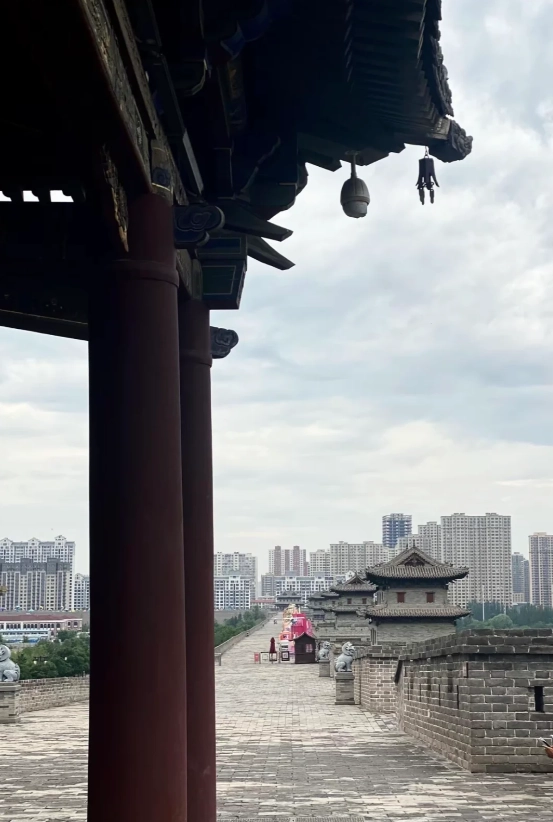
Tips for First-Time Visitors
- Download WeChat and Alipay before you come. Many small shops won't take cash.
- Carry a mask – air quality can be poor on smoggy days.
- Wear comfortable walking shoes. The stone streets are uneven. I've seen too many tourists twist an ankle in sandals.
- Bargain politely at souvenir stalls near the Drum Tower, but don't be aggressive. A 10–20% discount is reasonable.
- Visit the Hanging Temple (about 1 hour drive) if you have an extra day. It's a separate attraction but often combined with the ancient city in tours. Check the official travel site for combo tickets.
- Language barrier: English is limited. Learn basic phrases like “xiè xiè” (thank you) and “duō shǎo qián?” (how much?). Or use a translation app.
My Honest Verdict
Is Datong Ancient City worth visiting? For history lovers, yes. For those who want polished perfection, maybe not. Unlike Pingyao, which feels like a museum, Datong is a living city. You'll see locals going about their daily lives among ancient walls. That rawness can be jarring if you expect a Disney-style restoration. But if you want authenticity—real smells, sounds, and grit—Datong delivers. I've had travelers tell me it was the highlight of their Shanxi trip. Others left after two hours. So ask yourself: do you want a curated experience or a time machine that still has people living in it?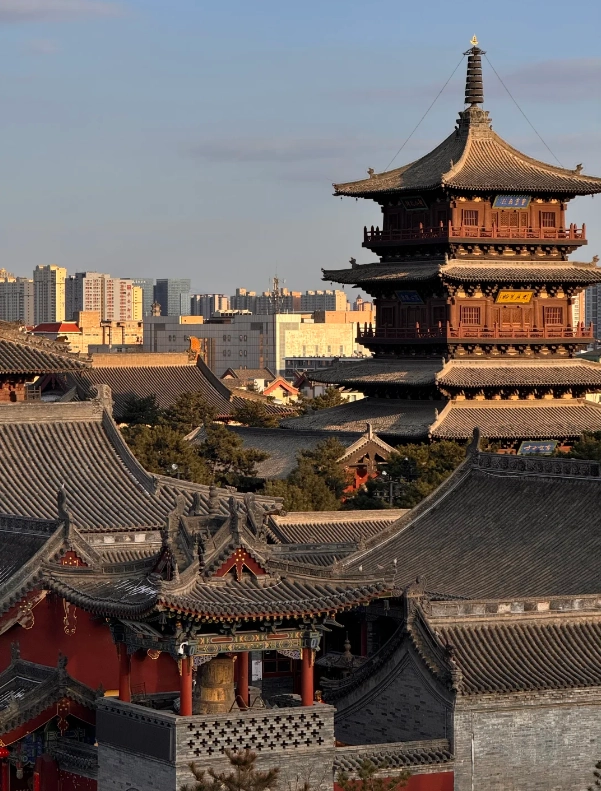
Frequently Asked Questions
Verified and fact-checked by the editorial team. This content has been fact-checked to ensure informational precision.





No comments yet.