 Qiang Huang
What's Inside – Jump to the Good Stuff
- 1. Yungang Grottoes – The Crown Jewel
- 2. Hanging Temple – Defying Gravity
- 3. Huayan Monastery – A Lively Buddhist Gem
- 4. Datong Ancient City Wall – Walk or Bike the Ramparts
- 5. Offbeat Spots: Shanhua Temple & Nine-Dragon Screen
- 6. How to Spend 2 Days in Datong (Without Rushing)
- FAQs: Your Burning Questions Answered
I still remember the first time I stepped into the Yungang Grottoes. The midday sun was blasting, and I was sweating through my shirt, but then I turned a corner and saw that 17-meter Buddha staring right through me. That's the moment Datong hits you – it's raw, ancient, and completely overwhelming. After a decade of dragging groups through this city, I've learned exactly which spots deliver that punch and which ones you can skip. Let me save you the trial and error.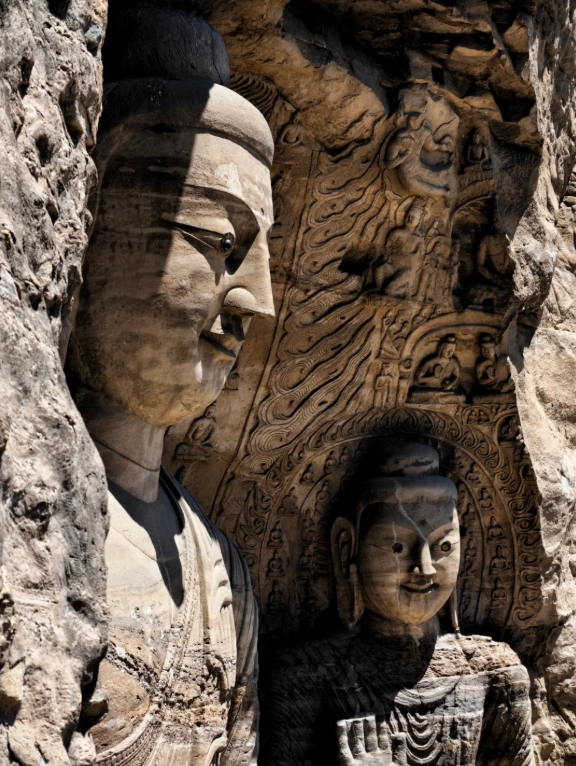
1. Yungang Grottoes – The Crown Jewel
No trip to Datong is complete without this UNESCO World Heritage site. It's about 16 kilometers west of the city center – a 40-minute taxi ride that'll cost around 60-80 RMB (depending on traffic). The entrance fee fluctuates – last I checked it was 120 RMB for adults, but prices change seasonally, so always scan their official WeChat mini-program before you go. Students with valid IDs get half off (around 60 RMB).
Best Time to Visit & How to Beat the Crowds
I've made the mistake of arriving at 10 AM on a Saturday. Never again. The tour groups flood in between 9:30 and 11:30, so aim for either right when they open (8:30 AM) or after 3 PM. Summer afternoons are brutal – the caves provide shade, but the walk between caves is a heat fest. Spring and autumn are ideal. Winter? Fewer crowds, but some caves may be closed for preservation, and it's freezing (the wind cuts right through you).
Getting There & Practical Details
From Datong Railway Station, take bus No. 3 (2 RMB) directly to the grottoes – the stop is called Yungangkuang. It takes about 50 minutes. Or just call a Didi (China's Uber) from your hotel – around 60-80 RMB, and the driver will drop you at the entrance plaza. The site is wheelchair-accessible along the main path, but some elevated caves require stairs. Plan for at least 3-4 hours if you're thorough.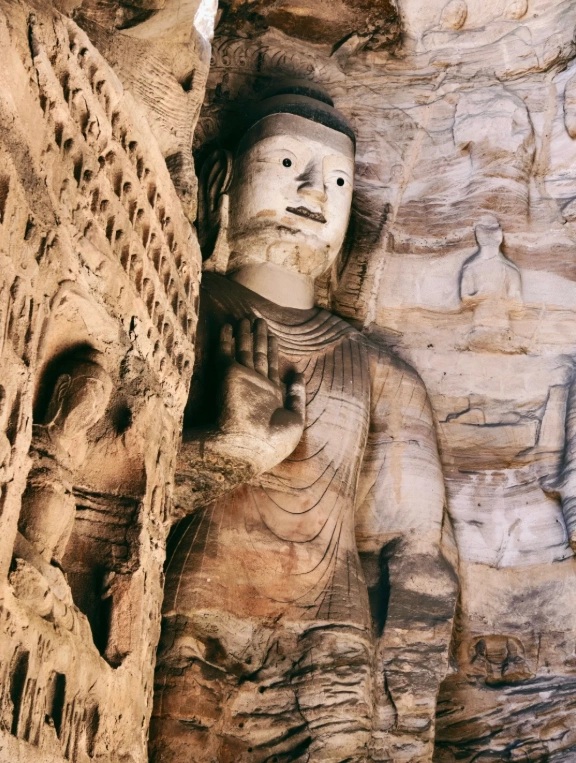
| Detail | Info |
|---|---|
| Address | Yungang Town, Nanjiao District, Datong |
| Opening Hours | 8:30 – 17:30 (summer); 8:30 – 17:00 (winter); last entry 1 hour before close |
| Ticket Price | ~120 RMB adult / ~60 RMB student (check WeChat mini-program for exact) |
| Suggested Duration | 3–4 hours |
| Best Photo Spot | Outside Cave 20 – the colossal seated Buddha is best shot in late afternoon light |
2. Hanging Temple – Defying Gravity
About 80 kilometers south of Datong (1.5 hours by car), the Hanging Temple (Xuankong Si) is bolted into a cliff face like something out of a kung fu movie. Built in 491 AD, it's a mix of Buddhism, Taoism, and Confucianism – a rare triple threat. The drive takes you through some pretty countryside, so don't sleep on the way.
Tickets are around 130 RMB for adults (again, check the official mini-program). The temple itself is small – you'll walk through narrow wooden walkways and squeeze past statues. I've had claustrophobic guests panic a bit, so be prepared. It's not wheelchair-friendly at all – lots of steep steps. Wear shoes with grip.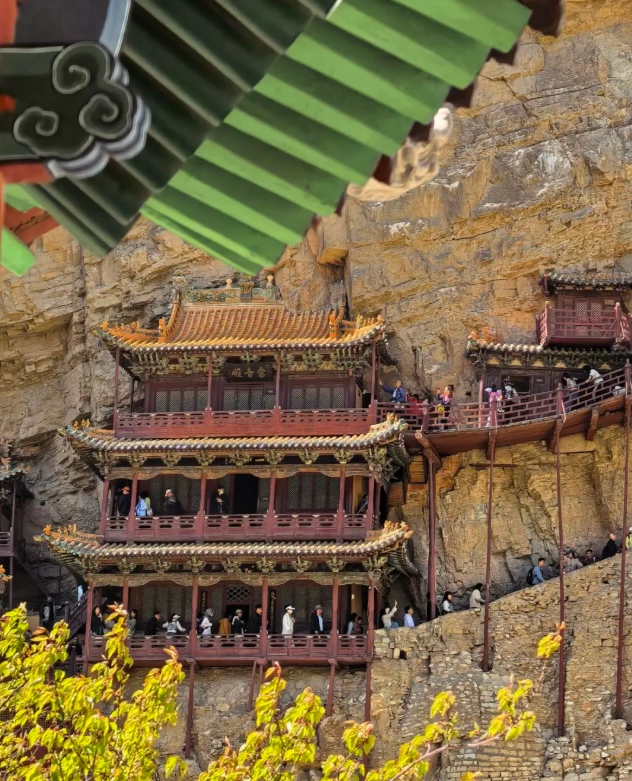
How to Get There – Two Options
Option 1: Join a day tour from Datong (around 300-400 RMB including transport and guide). Option 2: Hire a private car for the day (about 500 RMB) – that's what I do with my small groups. You can also take a bus from Datong Bus Station to Hunyuan County, then a local taxi (20 RMB) to the temple. But the bus schedule is irregular – best to go with a car.
3. Huayan Monastery – A Lively Buddhist Gem
Right inside the old city of Datong, Huayan Monastery is one of the largest and best-preserved Liao-dynasty temples in China. The main hall, Mahavira Hall, is massive and houses five Ming-dynasty buddhas that'll make your jaw drop. Unlike the tourist-packed Yungang, this place has a more local, serene vibe – you'll see monks shuffling about and locals praying.
Entrance is 80 RMB (adult), and it's open 8:00–18:00. The monastery is split into upper and lower parts – don't miss the Sutra Library with its exquisite revolving bookcase. I always spend at least 2 hours here, just wandering the courtyards.
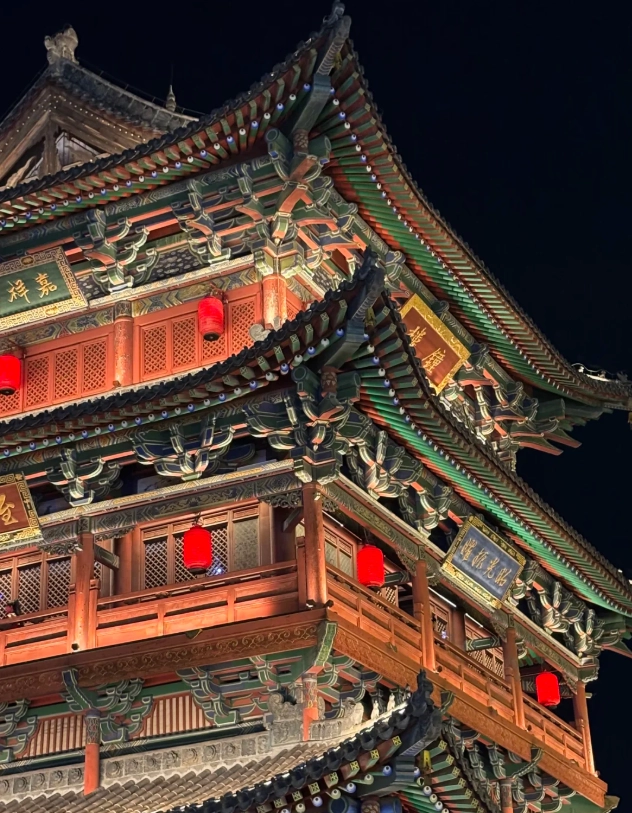
Location: No. 24, Xiaba Temple Street, Pingcheng District. It's a 10-minute walk from the Drum Tower – just follow the incense smell. Bus 2 or 4 will get you close too.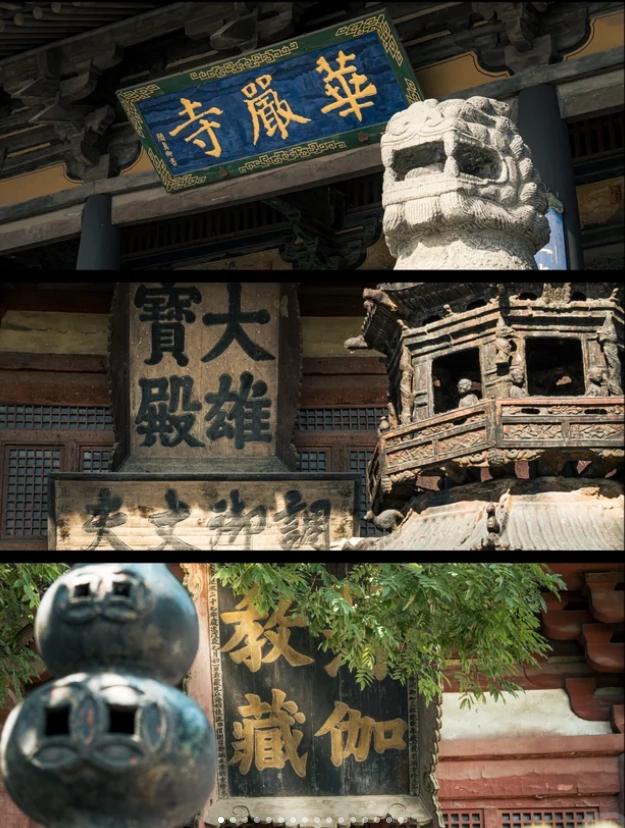
4. Datong Ancient City Wall – Walk or Bike the Ramparts
Datong's city wall was rebuilt in recent decades, but don't let that fool you – it's still impressive. The wall stretches about 7 kilometers around the old city, and you can rent a bicycle (30 RMB per hour) or just walk sections. I love the sunset view from the South Gate (Yongtai Gate) – the entire old city sprawls below with the modern skyline behind.
Entry is free – you just register with your passport at the ticket office. It's open 7:00–22:00 (closes at 21:00 in winter). There's a small museum inside the South Gate that's worth a quick peek (free).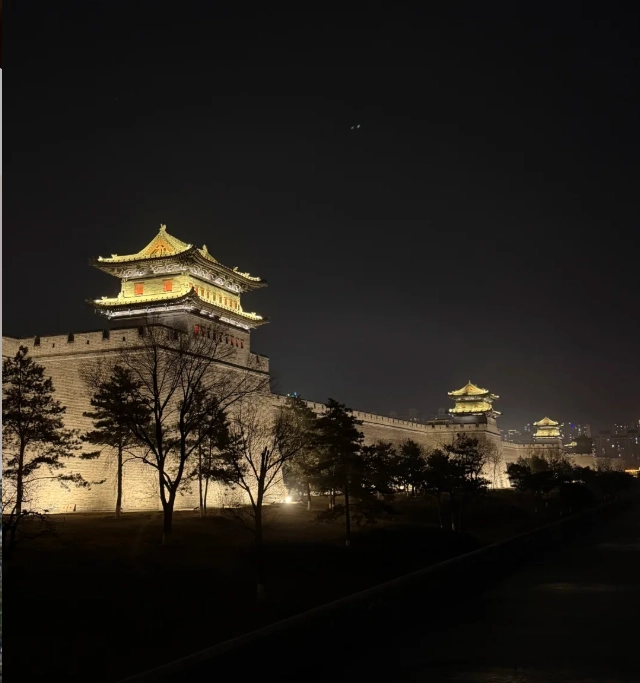
5. Offbeat Spots: Shanhua Temple & Nine-Dragon Screen
Shanhua Temple
Just a 15-minute walk from Huayan Monastery, Shanhua Temple (also called South Temple) is another Liao-dynasty gem. It's less crowded and has a fantastic collection of Ming-dynasty clay sculptures. The entrance is only 50 RMB. I always swing by after Huayan – the two complement each other perfectly.
Nine-Dragon Screen (Jiulong Bi)
Originally built in 1392 as a spirit wall for the Prince's palace, this colorful glazed tile screen features nine writhing dragons. It's free to view from the street, but to get up close, you need to enter the attached small garden (10 RMB). It's right on the east side of the Drum Tower – you can't miss it. Takes 20 minutes max.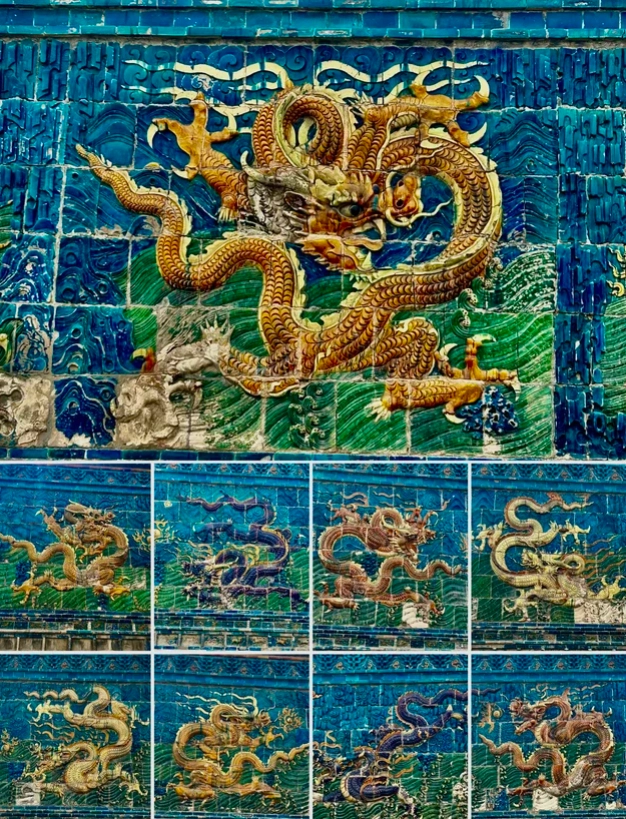
6. How to Spend 2 Days in Datong (Without Rushing)
Here's a realistic plan I've refined over hundreds of tours:
Day 1: Grottoes & Night Market
8:30 AM – Arrive at Yungang Grottoes (right at opening).
12:00 PM – Lunch at a local noodle shop near the grottoes (try the daoxiaomian – knife-cut noodles).
2:00 PM – Head back to the city, rest or wander the old town.
5:00 PM – Walk the city wall (South Gate section).
7:00 PM – Dinner at the Huayuan Night Market (try lamb skewers and youtiao).
Alternative if you're tired: Swap the night market for a foot massage – Datong has cheap reflexology places (60 RMB for an hour).
Day 2: Temples & Hanging Temple
8:00 AM – Huayan Monastery (1.5–2 hours).
10:00 AM – Shanhua Temple (1 hour).
11:30 AM – Grab a quick lunch (noodles again – they're cheap and filling).
1:00 PM – Hire a car for the Hanging Temple (1.5-hour drive).
3:00 PM – Visit Hanging Temple (2 hours).
6:00 PM – Return to Datong, dinner at a restaurant near the Drum Tower.
Rainy day backup: Swap Hanging Temple for the Datong Museum (free, excellent historical exhibits).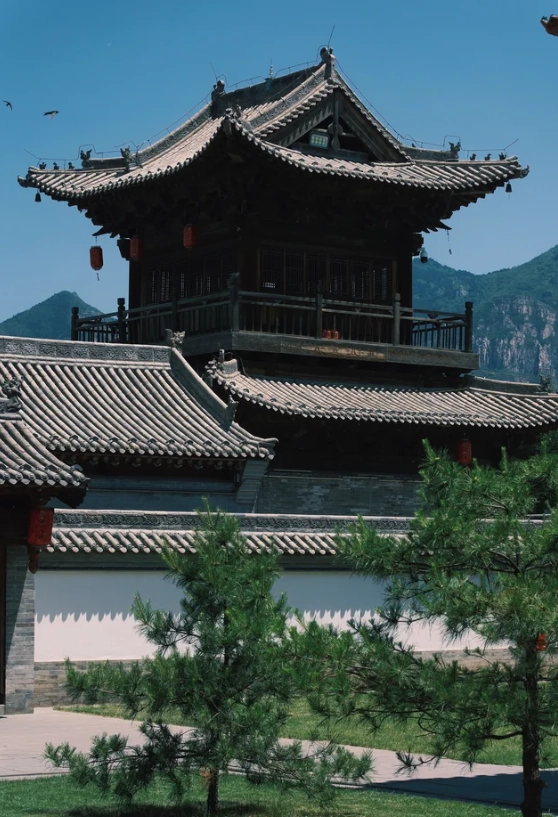
FAQs: Your Burning Questions Answered
Hopefully this guide gives you a clear picture of how to tackle Datong's heavy hitters without losing your mind. The city has a raw authenticity that bigger Chinese destinations have lost – you'll see construction dust mixed with ancient dust, hear the honk of a Didi next to a monk's chant. That's the beauty of it.





No comments yet.