Yinghu Lake Scenic Area Overview
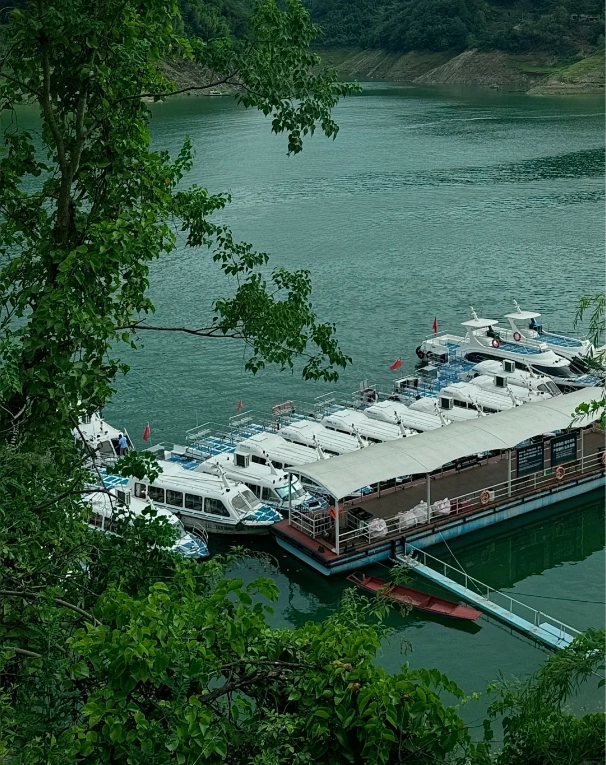
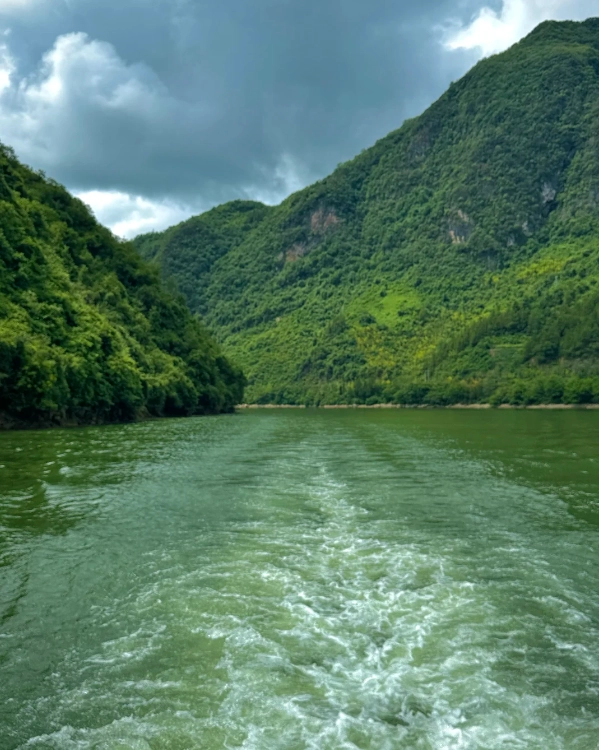
The largest freshwater lake in Northwest China, with blue water, blue sky, and scattered islands, known as the 'Thousand Island Lake of Shaanxi'.
Yinghu Lake Scenic Area Opening Hours & Tickets
- 08:00–17:30 (summer) / 08:30–17:00 (winter)
- Best season: April–October; lotus in summer, clear skies in autumn.
- Ticket note:
Scenic area entry + boat ticket combo. Children/senior discounts. Book online to...
Essential Yinghu Lake Scenic Area Visitor Information
- Enquiries: +86 915 3012500
- Large parking lot
- Restrooms (main dock & islands)
- Tourist center & boat ticket office
- Restauants on main islands
- Accommodation (guesthouses)
- Water sports rentals
How to Get to Yinghu Lake Scenic Area
From Ankang city, bus or taxi ~30 min to dock. Self-drive via expressway to Yinghu.
Yinghu Lake Scenic Area Travel Safety & Advice
Maritime safety boat patrol. Dial +86 915 3012500 or 120.
Yinghu Lake Scenic Area Travel FAQ
What's the one thing most visitors regret not doing at Yinghu Lake?
They regret not bringing a simple picnic. The food options inside are functional at best. Pack some fruit, snacks, and a thermos of tea. Finding a secluded bench overlooking the water for your own quiet lunch is an experience that beats any crowded restaurant. A small foldable sitting mat is a pro move.
Is Yinghu Lake suitable for elderly visitors or families with young kids?
The main boardwalk sections along the shore are flat and well-paved, suitable for strollers and those with limited mobility. However, the trails that go up to the higher viewpoints involve a significant number of stone steps and can be steep. It's not a strenuous hike for an able-bodied person, but it's not a flat park stroll either. For a family, stick to the lower lakeside paths—they still offer gorgeous views and are perfectly enjoyable.
I've heard it's similar to Jiuzhaigou. How does it compare?
It's often called the "Jiuzhaigou of Shaanxi" for its colorful water and forest setting. The comparison is fair in spirit but not in scale. Jiuzhaigou is a vast, world-class national park with massive tourist infrastructure. Yinghu Lake is much smaller, more intimate, and significantly less crowded. You come to Yinghu for a peaceful day in nature, not to check off a list of famous sights. Manage your expectations accordingly, and you'll appreciate it for what it is.
What should I absolutely pack for a day at Yinghu Lake?
Beyond the usual (camera, phone, money):Layers: Mountain weather changes fast. A light jacket or fleece is essential, even in summer.Sturdy, comfortable shoes: You'll be walking on boardwalks, stones, and steps. No flip-flops.Rain gear: A compact poncho or umbrella. Sudden showers happen.Sun protection: Hat, sunglasses, sunscreen. The altitude makes the sun stronger.Cash: While major ticket offices accept digital payments, small vendors in the park or homestays might prefer cash.Power bank: You'll be taking photos all day, and signal can be weak, making your phone battery drain faster.
Can I swim or rent a paddle boat on Yinghu Lake?
No, and this is important. Swimming is strictly prohibited for safety and environmental protection. The water is deep and cold. I also did not see any recreational boat rentals (like paddle boats) during my visit. The boats are for staff transport or the short, included ferry crossing. The experience is about viewing the lake from the shore and trails, not being on it.
Is the tap water safe to drink at Yinghu Lake?
No, do not drink tap water in China, including at Yinghu Lake. Always drink bottled or boiled water. Every restaurant will provide either sealed bottled water or a pot of boiled water for tea. I usually buy a large 5L bottle from a local shop when I arrive and refill my own bottle.
What if I can't use chopsticks?
It's not a problem at all. Most places have spoons, and you can always ask for a “sháozi” (spoon). For noodle stalls, slurping directly from the bowl with the provided spoon is completely acceptable. For fish, use your spoon and the chopsticks to separate the flesh—it's tender enough that you don't need precision skills.
How do I order if there's no menu and I don't know what anything is?
This is where the “point at what others are eating” method is golden. Walk around the restaurant briefly first. See a sizzling clay pot? A plate of dumplings? Point and say “Wǒ yào nàgè” (I want that). It’s how I discovered my favorite clay pot tofu dish. Owners are used to it and often amused and helpful.
Do street food vendors accept mobile payments like Alipay or WeChat?
Almost universally, yes. Even Auntie Zhang's noodle stall has a QR code for WeChat Pay. Having one of these apps set up is the easiest way to pay for everything in China, from street food to taxis. Cash (RMB) is still accepted everywhere, but small vendors prefer mobile pay as it's faster and safer for them.
I have a low spice tolerance. Can I still enjoy the food?
Absolutely. The key is communication. When ordering, say “Bù yào là” (No spice) or “Wǒ bù chī là” (I don't eat spice). For dishes like the steamed fish, you can ask for the chilies on the side (“Làjiāo fàng zài pángbiān”). Many dishes, like clear broth noodles or steamed buns, are not spicy by default.









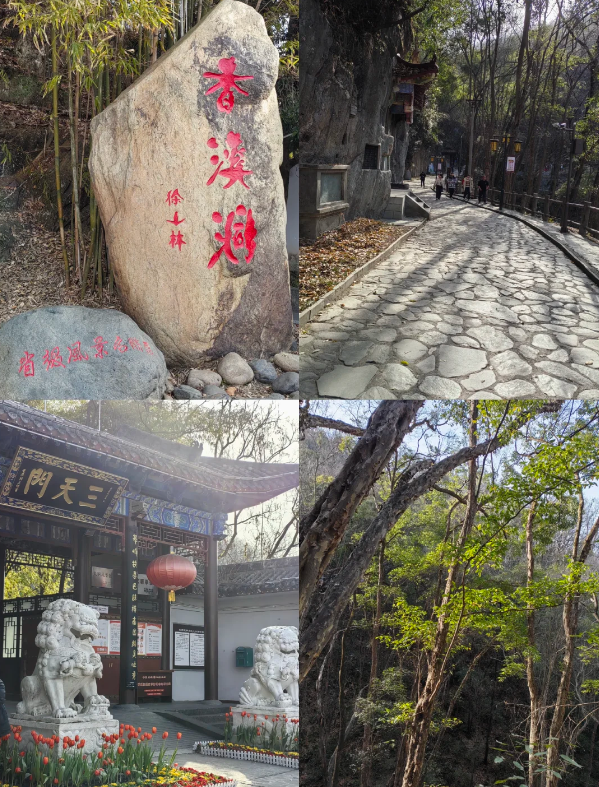 Taoist Holy Land
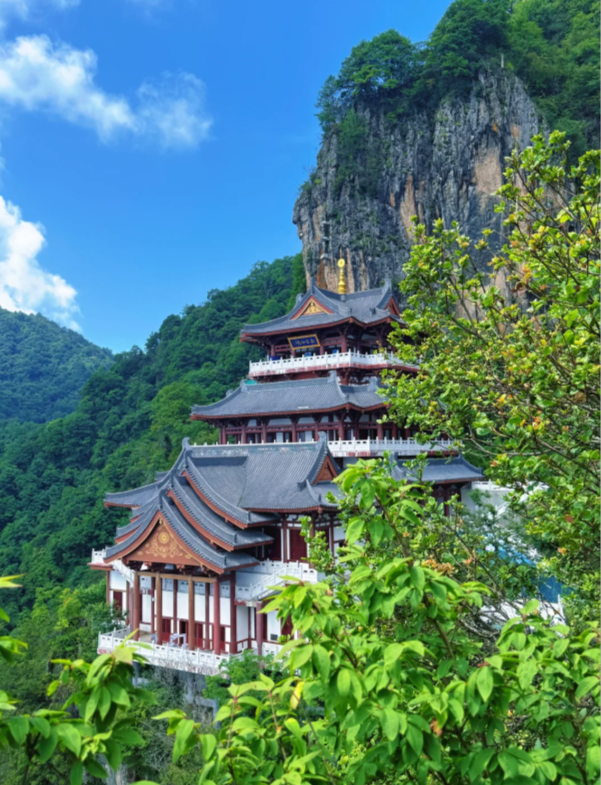 Popular / Nature / Photography
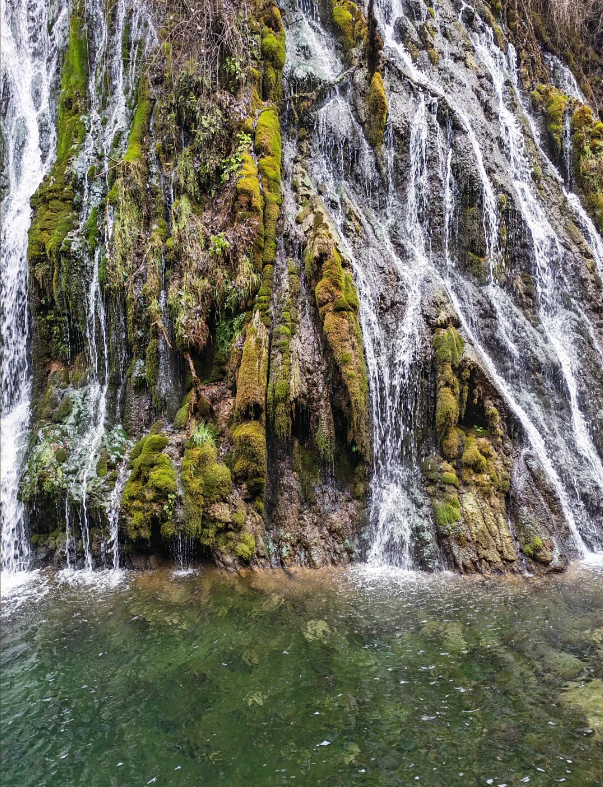 Natural Oxygen Bar
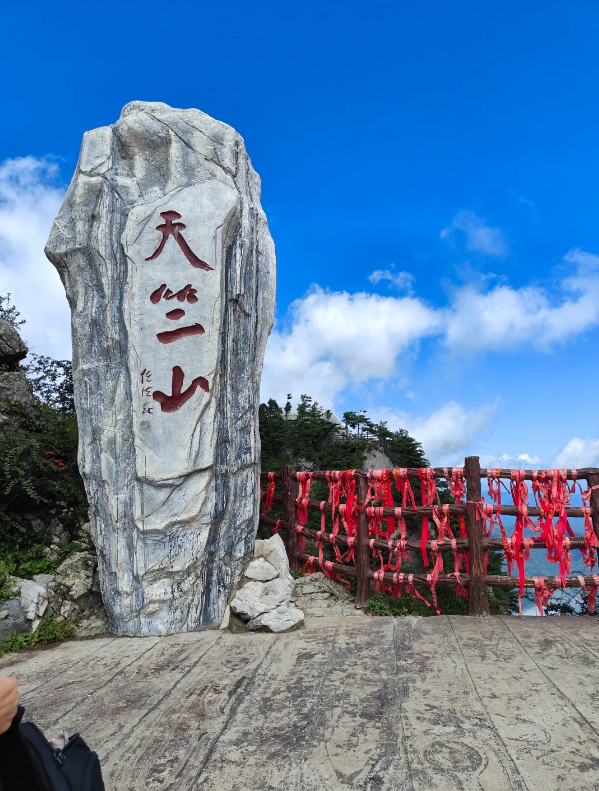 Taoist Sacred Site
 Geological Wonder
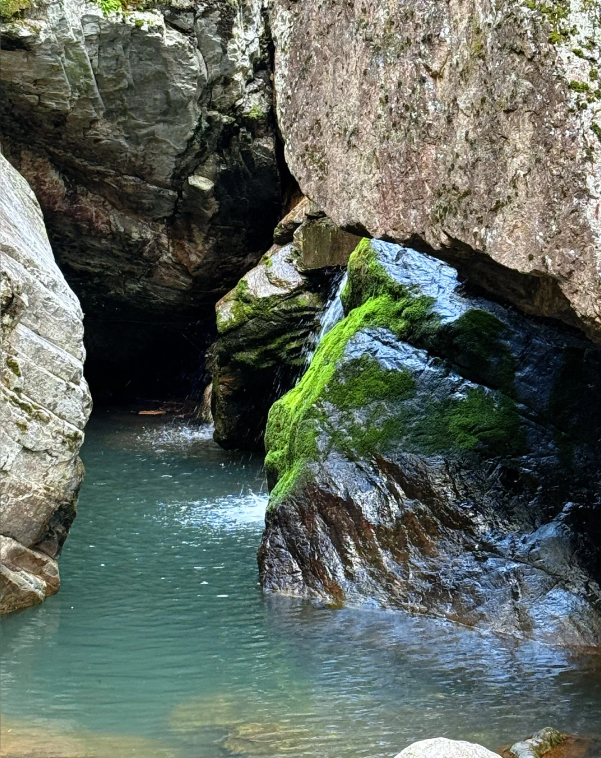 Popular / Alpine / Summer Retreat
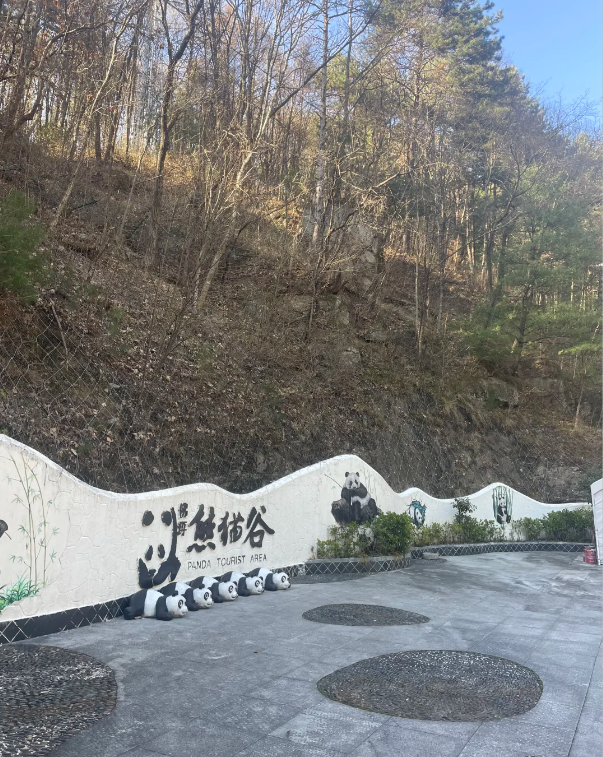 Wildlife Sanctuary
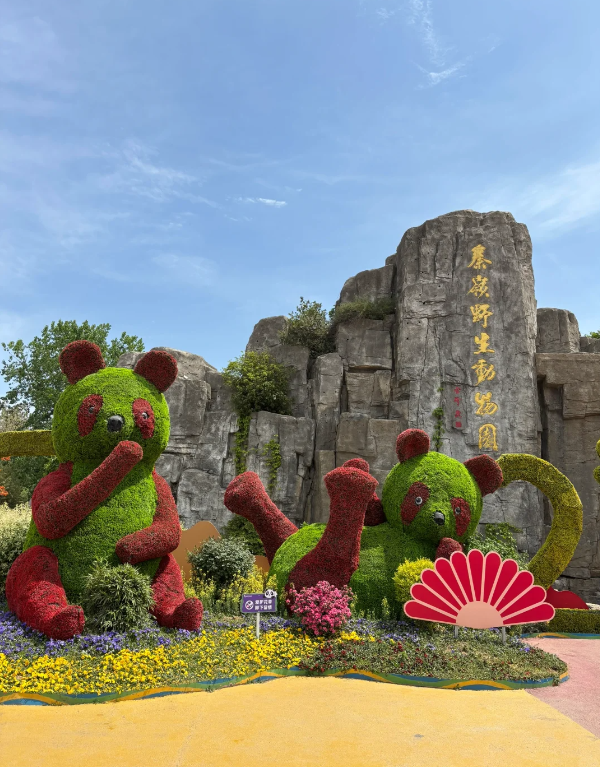 Wildlife & Nature
Recent Reviews
Leave a Review