 Hong Ma
Let's be honest. When you think of Shaanxi, your mind probably jumps straight to the Terracotta Warriors or the ancient city walls of Xi'an. I did too, until a local friend nudged me towards the Qinling Mountains and whispered about a place called Yinghu Lake. "It's different," he said. "It's quiet." After spending two full days there, walking every accessible trail and talking to the few staff around, I can tell you he was underselling it. Yinghu Lake isn't just a scenic spot; it's a full reset button for your senses. This guide isn't a list of facts you can find anywhere. It's the practical, on-the-ground knowledge you need to plan a trip that actually matches the serene photos you've seen.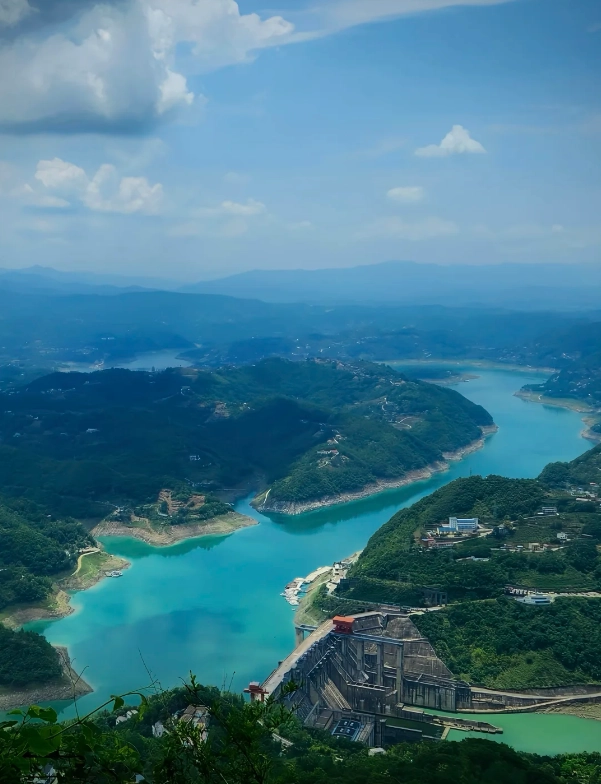
Your Quick Guide to Yinghu Lake
The Essential Info: Tickets, Location & Hours
First things first, let's get the logistics out of the way. Yinghu Lake is administratively part of Zhashui County, which falls under the city of Shangluo in southern Shaanxi. Geographically and spiritually, it's nestled deep in the Qinling Mountains, the massive range that divides north and south China.
| Item | Details |
|---|---|
| Official Name | Yinghu Lake National Forest Park / Yinghu Lake Scenic Area |
| Address | Yinghu Lake Scenic Area, Zhashui County, Shangluo City, Shaanxi Province, China. |
| Ticket Price | Approximately 80-100 RMB for the peak season entrance fee. The price sometimes includes a short boat ride across a section of the lake, but confirm at the ticket office as this can change. |
| Opening Hours | Generally 8:00 AM to 6:00 PM. Last entry is usually around 4:30 PM. The area is open year-round, but access to some higher trails may be restricted in winter due to ice. |
| Suggested Visit Duration | A full day is ideal. A rushed half-day visit doesn't do it justice. If you love photography or hiking, consider an overnight stay nearby. |
A note on the "boat ride": don't expect a lengthy cruise. The one often included is a functional transfer from the main entrance area to the start of the core walking trails on the other side of a narrow inlet. It's a nice five-minute introduction to the lake's calm waters.
Why Yinghu Lake is Worth Your Time
You're looking at a multi-hour journey from Xi'an. So why go? The postcards show a beautiful lake, but so do a hundred other places.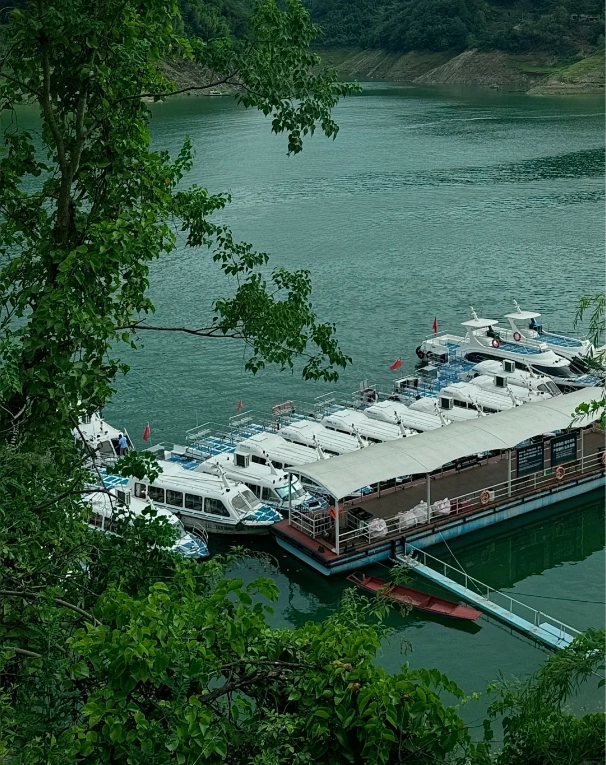
The difference here is the atmosphere. The Qinling Mountains create a unique microclimate. The air is noticeably cooler and cleaner. The dominant sound isn't chatter or music, but the wind in the pines and the gentle lap of water against the rocky shore. It feels preserved, not manufactured for tourism.
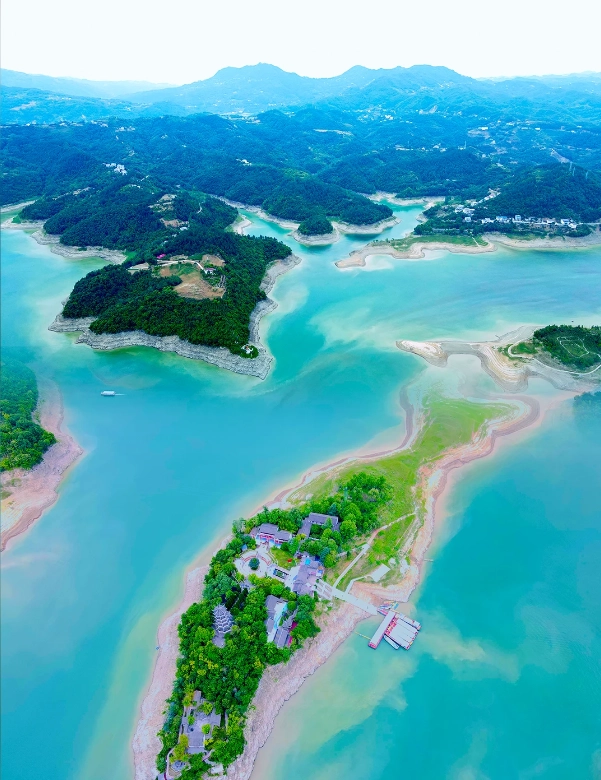
The lake itself is a brilliant emerald green, its color shifting with the depth and the angle of the sun. It's surrounded by dense, evergreen forests that climb the steep mountainsides. The walking paths—mostly well-maintained wooden boardwalks and stone steps—wind along the shoreline and up to several viewpoints. You're not hiking a mountain peak, you're exploring the folds of a mountain lake.
My Experience: I arrived on a weekday in late September. For the first two hours on the eastern trail, I saw maybe five other people. The solitude was profound. I spent twenty minutes just sitting on a rock watching mist cling to the opposite ridge. That sense of peaceful isolation is the product's core feature, and it's still fully functional.
The Landscape You'll Actually See
Forget generic "beautiful scenery." Let's get specific about what makes up the view.
- The Lake & Reflections: On a calm morning, the lake becomes a perfect mirror for the forests and sky. This is the classic Yinghu photo. The water is so still in the coves it looks like glass.
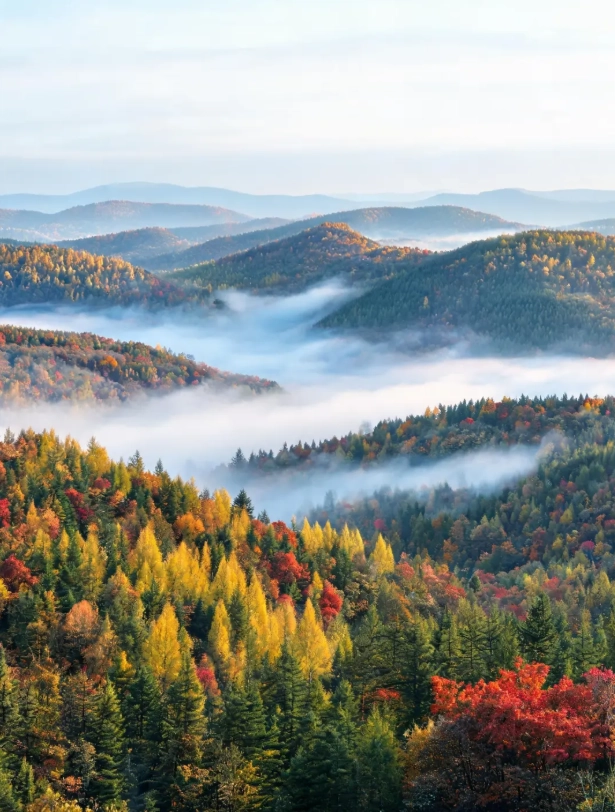
- The Forest Texture: It's not just "green." It's a mix of pine, fir, and broadleaf trees. In autumn, patches of gold and red break up the endless green, creating a mosaic effect.
- The Mountain Backdrop: The peaks aren't jagged, but rounded and layered, fading into blue-gray in the distance. It creates a soft, painting-like quality.
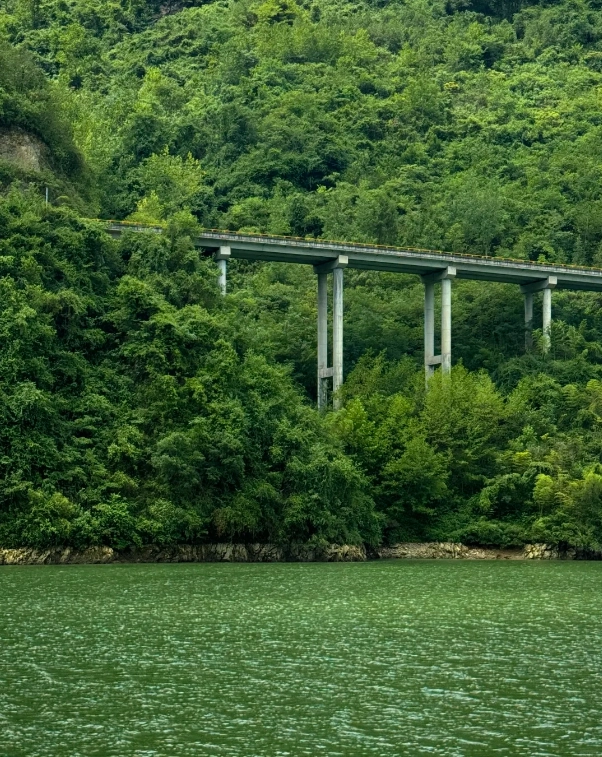
- The Man-Made Elements: The wooden boardwalks and pavilions are simple and rustic. They blend in rather than stick out. The little red pavilion on a promontory is a favorite focal point for photographers.
How to Get to Yinghu Lake Scenic Area
This is the biggest hurdle for most visitors. There's no direct high-speed train. Your base is almost always Xi'an.
Option 1: Self-Drive (Recommended for Flexibility)
This is the best way. The drive from central Xi'an takes about 2 to 2.5 hours.
Route: Take the G65 Baotou-Maoming Expressway south towards Ankang. Get off at the Zhashui/Zhen'an exit. From there, follow signs for "Yinghu Lake". The final 30-40 minutes are on provincial roads that wind through mountain valleys. The scenery en route is part of the experience. Parking: There's a large, paved parking lot at the main tourist center. Fee is usually around 10-15 RMB for the day.
Option 2: Public Bus + Local Taxi
It's possible but requires patience.
Step 1: From Xi'an's South Bus Station, take a long-distance bus to Zhashui County. Buses run frequently, journey ~1.5-2 hours.
Step 2: From Zhashui County bus station, you'll need to hire a local taxi for the remaining 40-minute drive to the lake. Negotiate the round-trip price before you get in, including waiting time. Expect to pay 150-250 RMB for the round-trip taxi service. Getting a taxi back from the lake can be difficult, so securing the driver for the return is crucial.
There are no direct tourist shuttle buses from Xi'an that I could find. Some Xi'an hotels may offer private day-tour packages, but they are often overpriced and rigid.
When is the Best Time to Visit?
This depends entirely on what you want.
- Spring (April-May): New greenery, wildflowers, comfortable temperatures. The water level is high from melting snow. A solid choice.
- Summer (June-August): The busiest season. The mountains offer a cool escape from the city heat. However, this is when you're most likely to encounter crowds on weekends and Chinese holidays. Mornings are still quiet. Afternoon thunderstorms are common but brief.
- Autumn (September-October): My top recommendation. The crowds thin out dramatically after the summer vacation period. The weather is stable, the air is crystal clear, and the autumn foliage (especially in October) is spectacular. The contrast of green pines with golden birches is unreal.
- Winter (November-March): The quietest time. Some facilities or boat services may be reduced. It can be very cold, and trails may be icy. But if you crave absolute solitude and don't mind bundling up, a frosty, misty Yinghu Lake has a stark, magical beauty. Check accessibility before you go in deep winter.
The golden hour for photographers—shortly after sunrise and before sunset—is magical year-round. The midday sun can be harsh and create flat light on the lake.
The Insider's Photography Guide
Everyone wants that perfect Yinghu Lake shot. Here’s how to get beyond the postcard.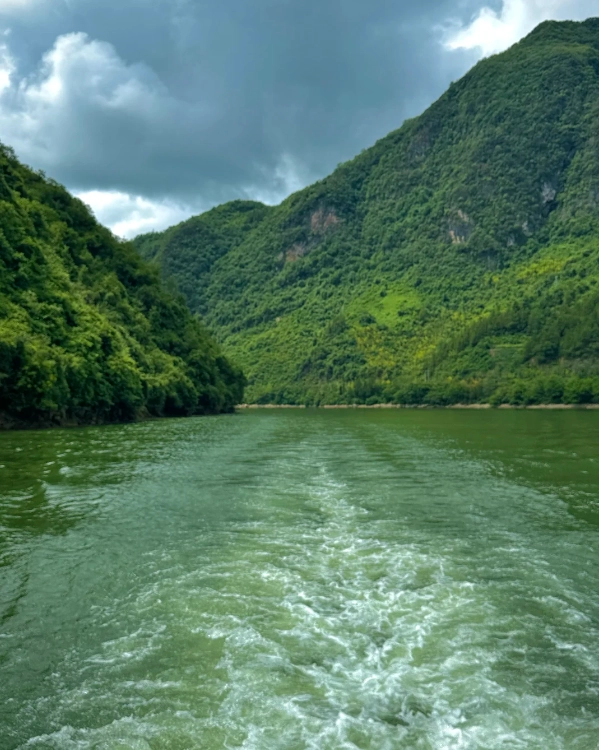
Must-Have Shots and Where to Find Them
1. The Classic Reflection Shot: For the mirror-like reflection, you need dead-calm water. This almost always happens in the very early morning, before the wind picks up. Head to the western side of the lake, near the boardwalks that extend over quieter coves. The wider part of the lake rarely gets perfectly still.
2. The Framed Composition: Look for natural frames—an overhanging pine branch, a gap in the rocks, or the arch of a wooden bridge. These add depth and focus. The little red pavilion is a classic frame-within-a-frame subject. 3. The Intimate Landscape: Don't just shoot the grand vista. Get close. The texture of moss on rocks by the water's edge, a single leaf floating on the glassy surface, the pattern of the wooden planks on the boardwalk leading into the mist. These shots convey the feeling of the place. 4. The Panorama: There are several official viewing platforms. The one at the highest accessible point on the main loop trail gives you the sweeping view of the lake snaking between the mountains. Use a telephoto lens to compress the layers of mountains for a more dramatic effect.
Gear Advice From a Local Photographer I Met
I chatted with a photographer from Xi'an who comes here monthly. His advice: "A polarizing filter is more useful than an extra lens. It cuts the glare off the water and makes the colors of the forest pop, especially the autumn leaves. A sturdy tripod is non-negotiable for those early morning reflection shots. And pack lens cloths—the mist near the water gets everywhere."
How to Plan Your Perfect Trip
Let's put it all together. Here are two sample itineraries based on time.
The Perfect Yinghu Lake Day Trip from Xi'an
- 6:30 AM: Depart Xi'an by car.
- 9:00 AM: Arrive at Yinghu Lake. Purchase tickets. Take the short included boat ride (if available) to the trailhead.
- 9:30 AM - 1:00 PM: Hike the main loop trail on the eastern shore. Take it slow. This is when the light is still good for photography and crowds are minimal.
- 1:00 PM: Simple lunch. Options inside the park are limited to a few small vendors selling noodles, tea eggs, and instant noodles. For better food, drive 10 minutes back towards the county to find small local restaurants.
- 2:00 PM - 4:30 PM: Explore the western side trails or find a quiet spot to simply sit and relax. The afternoon is for soaking in the atmosphere, not rushing.
- 4:30 PM: Start heading back to Xi'an.
- 7:00 PM: Back in Xi'an for dinner.
If You Have Two Days: Immersion Version
This is the superior experience if you can manage it.
Day 1: Follow the day trip schedule but don't rush back. Instead, check into accommodation near the lake. Accommodation Note: There are no luxury hotels right at the lake. Your options are simple guesthouses or "nongjiale" homestays in the nearby villages. They are basic but clean. The advantage? You're there for the sunrise.
Day 2:
- Sunrise: This is the prize. Be at the lakeside before dawn. The mist, the stillness, the first light hitting the peaks—it's a completely different world from the daytime visit.
- Morning: Enjoy a slow breakfast at your homestay, then take a second, more leisurely walk on a different trail.
- Afternoon: Depart at your leisure.
Answers to Your Practical Questions
 What should I absolutely pack for a day at Yinghu Lake?
Layers: Mountain weather changes fast. A light jacket or fleece is essential, even in summer.
Sturdy, comfortable shoes: You'll be walking on boardwalks, stones, and steps. No flip-flops.
Rain gear: A compact poncho or umbrella. Sudden showers happen.
Sun protection: Hat, sunglasses, sunscreen. The altitude makes the sun stronger.
Cash: While major ticket offices accept digital payments, small vendors in the park or homestays might prefer cash.
Power bank: You'll be taking photos all day, and signal can be weak, making your phone battery drain faster.
Yinghu Lake's value isn't in a checklist of attractions. It's in the quality of the silence, the depth of the green, and the chance to just breathe. It's a reminder that the best parts of Shaanxi aren't all underground or behind ancient walls—some are right on the surface, waiting in a mountain lake for anyone willing to take the road less traveled.






Took my two kids here on a Sunday and it was a hit! Plenty of open grass for them to run around, and the shallow edges of the lake are safe for a little splash. The birds are super active — we spotted egrets and even a kingfisher. Clean bathrooms near the main entrance and a small playground make it family‑friendly. We'll definitely come back with a blanket and snacks. Five stars from all of us!
If you're into landscape photography, this place is a must. I came at golden hour and captured the most incredible reflections of the mountains on the mirror‑calm water. The boardwalk stretches far enough to find unique angles without fighting for space. Even the entry fee was reasonable — about half what I'd pay for similar spots. Already planning a return trip for autumn colors.
Honestly, I was a little let down. The lake itself is pretty, but the signage was poor and I ended up walking in circles trying to find the main viewing platform. The trail near the south end was muddy and messy after light rain — no real maintenance. Also, the only snack vendor had overpriced instant noodles. Not a disaster, but for the hype I expected more. 3 stars feels fair.
I visited on a cloudy afternoon and the mood was absolutely dreamy. The lotus blooms in late summer are stunning, and the wooden pavilions make for great framing in photos. It's not too crowded even on weekends, which is a huge plus. The only downside: the nearest restroom was a bit far and not super clean. Still, I'd give it a solid 4 stars — well worth the drive from downtown.
Yinghu Lake is a gem for anyone who loves peaceful mornings and big skies. I arrived at 7am and had the boardwalk almost to myself — just the sound of water lapping and birds calling. The reflections in the lake are unreal for photos; I got some of my best shots ever. A few benches could use repair, but overall it's a perfect escape from the city. Highly recommend bringing a picnic and spending the whole morning here.
Nice lake with pretty mountain backdrops – no doubt about that. The entrance fee is fair, but everything inside (snacks, drinks, boat rentals) felt overpriced. I brought my own water and snacks so it was fine. The scenery itself is a solid 5, but the commercial vibe and lack of free seating docked a star for me. Still a pleasant afternoon walk if you plan ahead.
Took my kids (ages 6 and 9) here and they absolutely loved it! There's a small paddleboat rental that was reasonably priced, plus lots of space for them to run around. The lake is safe for wading near the shore, and we found a shady picnic spot under the willows. We ended up staying almost 5 hours. Perfect for a relaxed family outing – and yes, the photos turned out amazing too.
I had high hopes after seeing all the Instagram pics, but honestly this place felt a bit underwhelming. The water near the main entrance was cloudy and had a weird smell, and some parts of the trail were overgrown. Maybe I came on a bad day (it was crowded and loud), but for a scenic area I expected better upkeep. Not terrible, but I wouldn't go out of my way again.
Really beautiful scenery and well worth the drive from the city. The lotus flowers in summer are stunning and the boardwalk makes it easy to walk around. Only reason I'm giving 4 instead of 5 is that the public restrooms were a bit rough and there aren't enough benches near the popular photo spots. Still, a lovely day trip if you're looking for fresh air and nice views.
Honestly one of the most peaceful spots I've ever been to. The lake is huge and crystal clear, with these gorgeous mountain reflections that look even better in person than in photos. I spent an entire afternoon just sitting on the wooden pier watching the light change – pure therapy. The walking paths are well maintained too. If you want epic sunset shots, this is the place. 10/10 would come back.