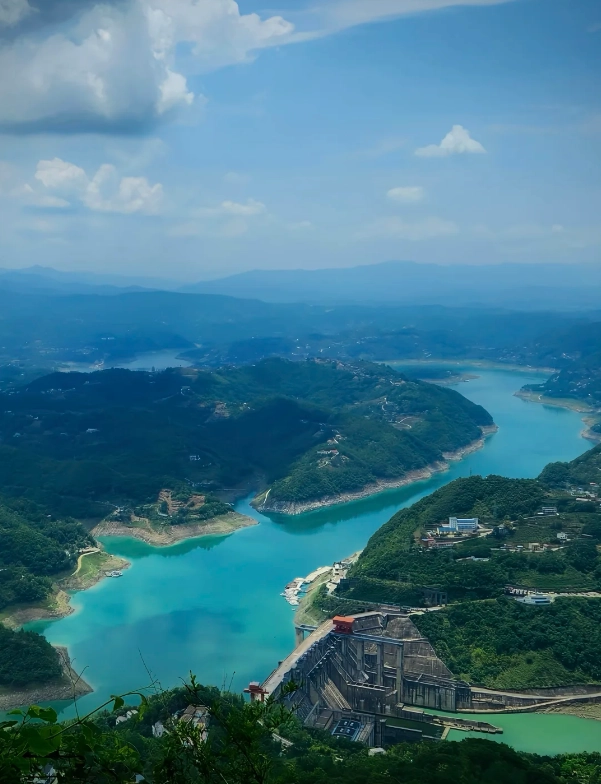
Yinghu Lake Scenic Area: Find Serenity and Epic Photos
Looking for a peaceful escape in Shaanxi? Discover how to experience the stunning beauty of Yinghu Lake Scenic Area,避开人群,找到最佳摄影点,并规划完美一日游。
An ecological oasis in the Qinba Mountains, known as the 'Back Garden of Xi'an', with beautiful mountain and water scenery.
Try a local specialty in Ankang.
Metro + ride-hailing cover most urban areas.
"Hello" works well — learn a few simple phrases too.
March-May, September-November
Aim for golden hours: early morning / late afternoon.
Located in Shaanxi.
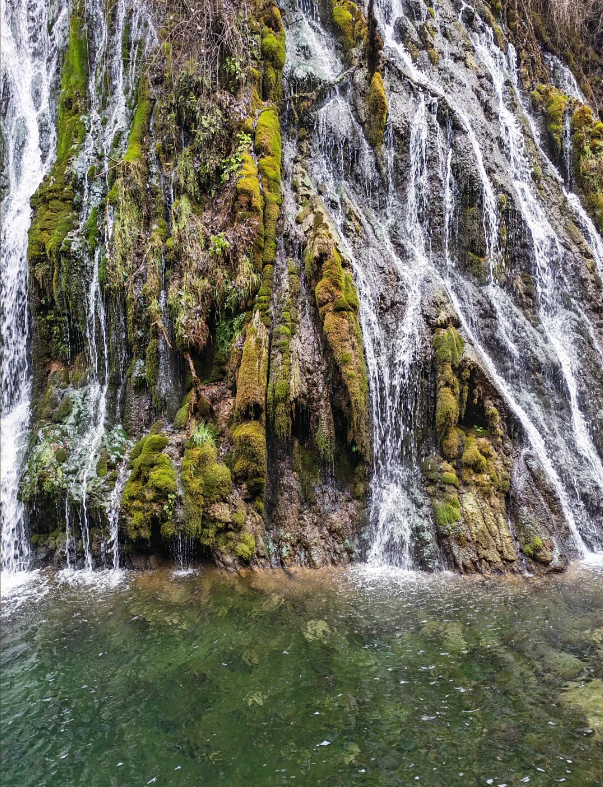 Natural Oxygen Bar
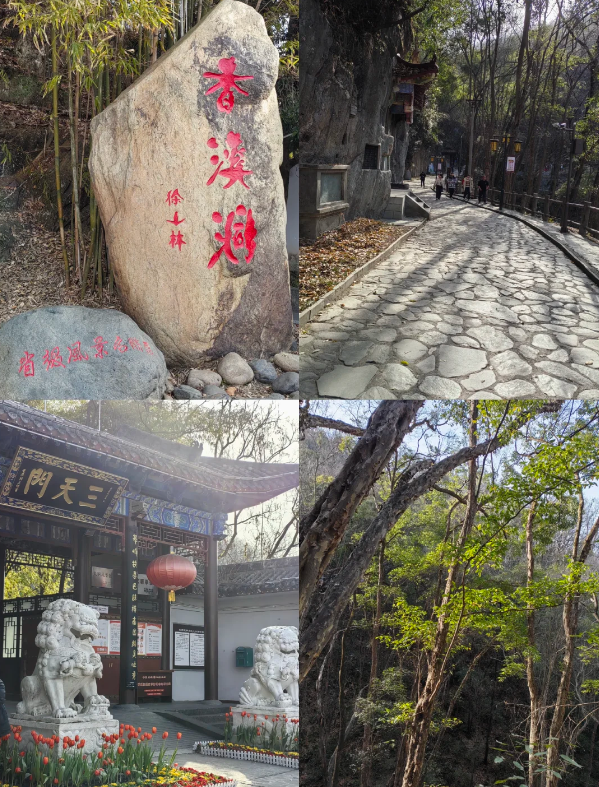 Taoist Holy Land
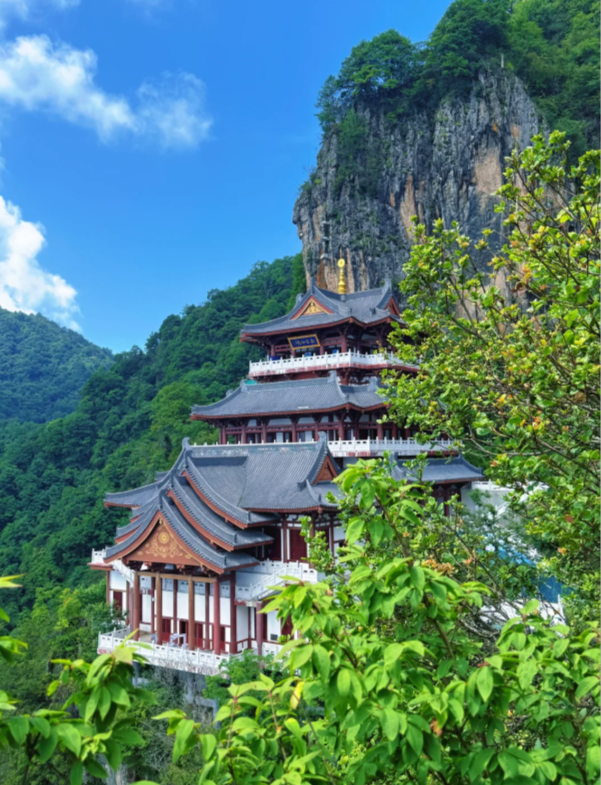 Popular / Nature / Photography
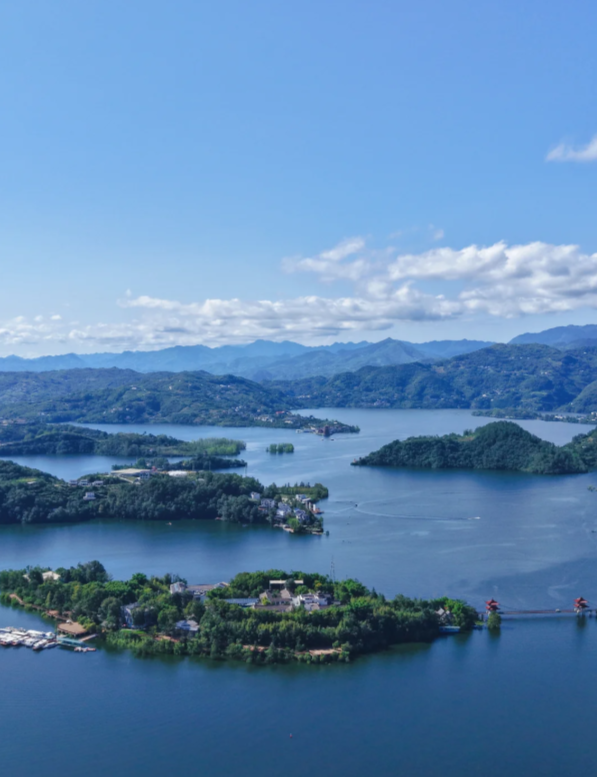 Popular / Ecotourism
Looking for a peaceful escape in Shaanxi? Discover how to experience the stunning beauty of Yinghu Lake Scenic Area,避开人群,找到最佳摄影点,并规划完美一日游。
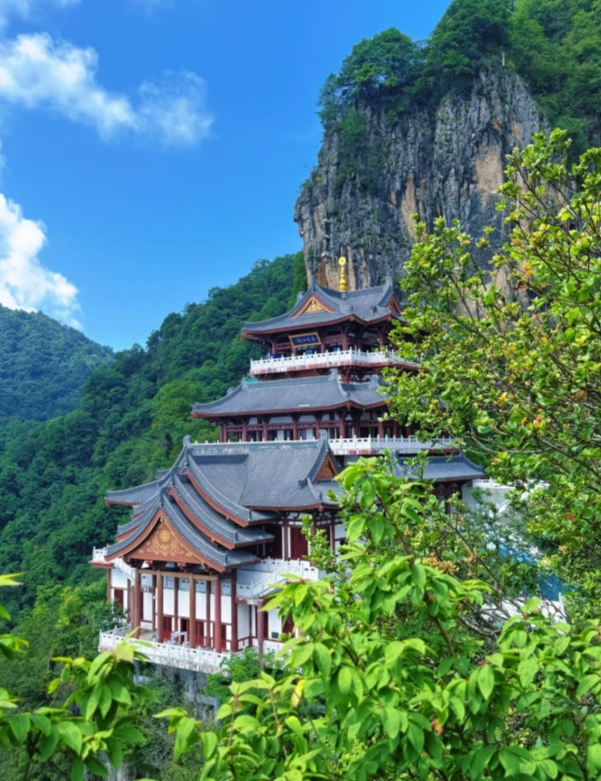
Struggling to find clear info on visiting Nangong Mountain National Forest Park as a foreigner? This guide cuts through the confusion with exact ticket prices, transport from Xi'an, secret photo spots, and how to book without a Chinese phone number.
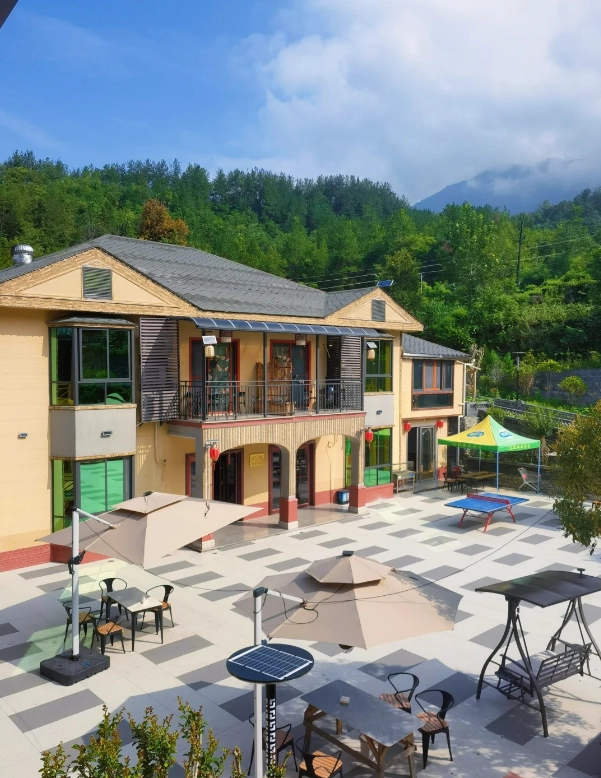
Struggling to find reliable accommodation near Nangong Mountain that fits a foreign traveler's needs? This guide cuts through the confusion with specific hotel names, honest reviews on English-speaking staff, and clear advice on choosing between scenic immersion and practical convenience.
Recent Reviews
I spent a month in Ankang for work and it grew on me more every single day. The morning market near the south gate is a feast for all the senses: sizzling cumin lamb skewers, roasted chestnuts, piles of fresh oranges from the hills, and vendors laughing over the noise. I loved hiking the little trails around Qipanshan in the late afternoon and ending with a cold beer at a riverside stall. It's not fancy, but it feels real. If you want a true Chinese city without the crowds, come to Ankang.
What a refreshing hidden gem! The riverside promenade at night, with the colored lights shimmering on the water, was magical. I found this tiny noodle shop near the North Bridge and had the best hand-pulled noodles of my trip — the owner insisted I try their local wild mushroom sauce, and the smell alone was incredible. People were so kind and curious, even though not many speak English. This city feels authentic and alive. I'll definitely be back.
I came for Nangongshan and left completely amazed. The cable car ride up was worth every yuan, and the forest trails were so clean, quiet, and full of birdsong. The temple complex at the top has this calm, timeless atmosphere — a few monks were sweeping the stone steps and no one was rushing. I also caught a brilliant sunset over the Han River in town afterward. Ankang is not on most tourist maps, but that's exactly why I loved it. Highly recommend.
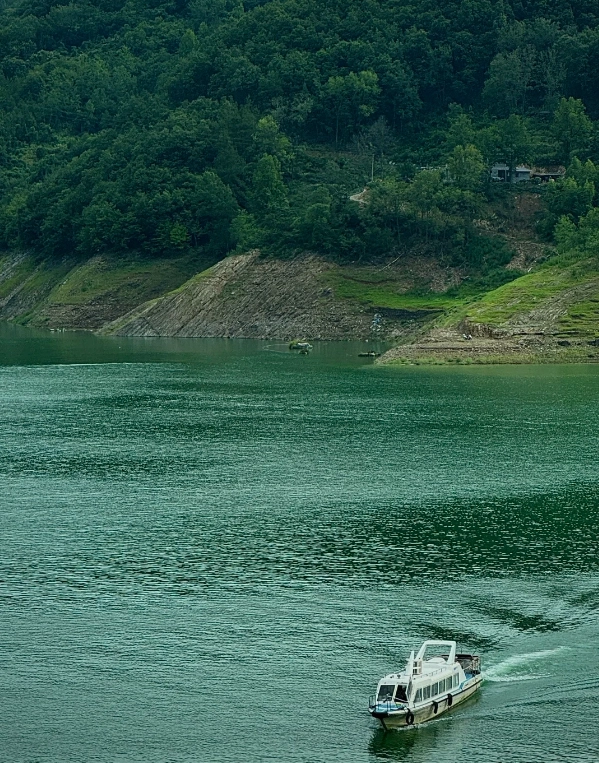
Really enjoyed my two days in Ankang. Yinghu Lake was absolutely gorgeous — the boat ride out was peaceful and the green hills folded into the water like a Chinese painting. I also loved the breakfast spots serving steamed beef buns and local noodles. Only reason I'm not giving five stars: taxis quoted random fares depending on whether I looked like a tourist, and English signs are almost nonexistent. Otherwise, it's a great off-the-beaten-path stop.
Ankang has some pretty scenery around the river, but the city itself felt a bit underwhelming. I walked along the Han River in the morning and the mist over the mountains was lovely, but a lot of the public areas were tired and grubby. Getting around without a car was also harder than I expected. The hotel staff were friendly enough, but the breakfast was mostly cold instant items. Not a bad place to pass through, but I wouldn't go out of my way.
Stopped in Ankang for two nights on the way through southern Shaanxi, and it turned out to be my favorite stop. The old town lanes around the Drum Tower are a jumble of food stalls and barbershops; I had spicy potato slices, tofu jelly, and a heavenly bowl of sour-mustard noodles. Everyone was incredibly patient with my broken Chinese. The Hanjiang River at sunset, with the bridge reflections and people flying kites, felt really alive. If you want a genuine small-city China experience without the crowds, just go.
Leave a Review