Gubei Water Town & Simatai Great Wall Travel FAQ
Are prices inside Gubei Water Town much higher than outside?
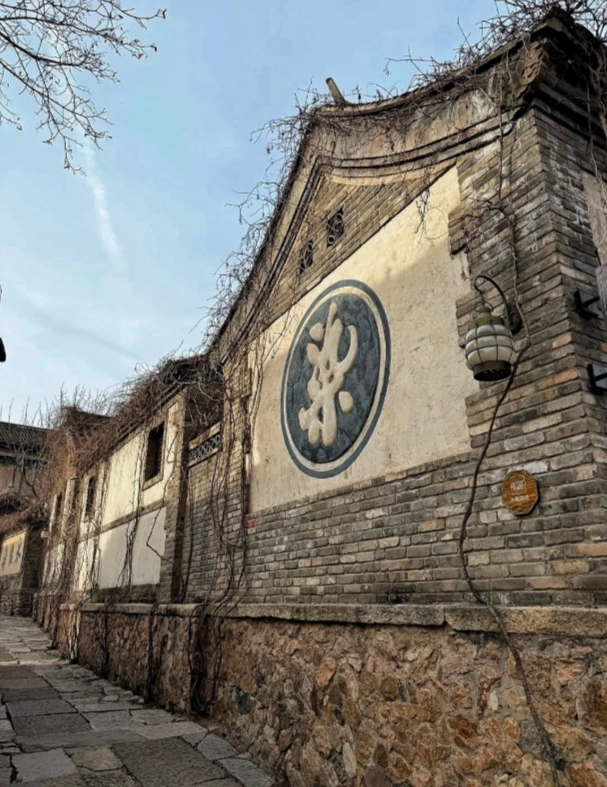
Generally, yes, but with a crucial distinction. For generic souvenirs (keychains, hats), the markup is significant. For genuine artisan crafts, you're paying for the craftsmanship and the unique setting. You might find similar-quality silk or woodwork elsewhere, but not with designs specific to this location. View it as paying for the experience and authenticity, not just the object.
What's the one souvenir most tourists overlook but is actually worth it?
A personalized Chinese seal (chop). Several shops, often near calligraphy studios, will carve your name or a short phrase in Chinese characters into a stone or wood seal. It's functional (for stamping ink), deeply personal, and a craft that dates back thousands of years. It feels more meaningful than anything you can just grab off a shelf.
How do I get my purchases home safely if they're fragile?
First, buy fragile items like ceramics last. Be very clear when purchasing: "This is for travel, please wrap it very securely." (Zhege yao dalv you, qing bao de anquan xie). Use your clothing as padding in your suitcase. I always pack a few extra socks or t-shirts to wrap around delicate items. If it's extremely valuable, consider carrying it in your hand luggage, though check airline rules on certain items.
Is it possible to visit both Gubei and Simatai in one day from Beijing?
Technically yes, but it's a marathon and you'll be exhausted. You'll spend over 4 hours in a bus and have to rush through both sites. The day-trip crowds peak between 10 AM and 2 PM, so you'll experience the worst of the congestion. If one day is all you have, book the direct tourist bus, buy the combo ticket, and head straight for the Simatai shuttle upon arrival to hike first.
What should I wear for the Simatai hike?
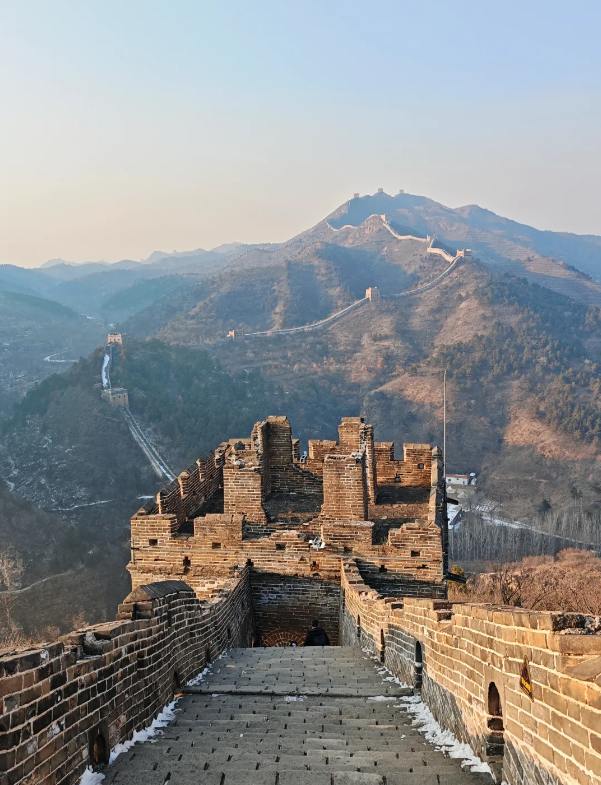
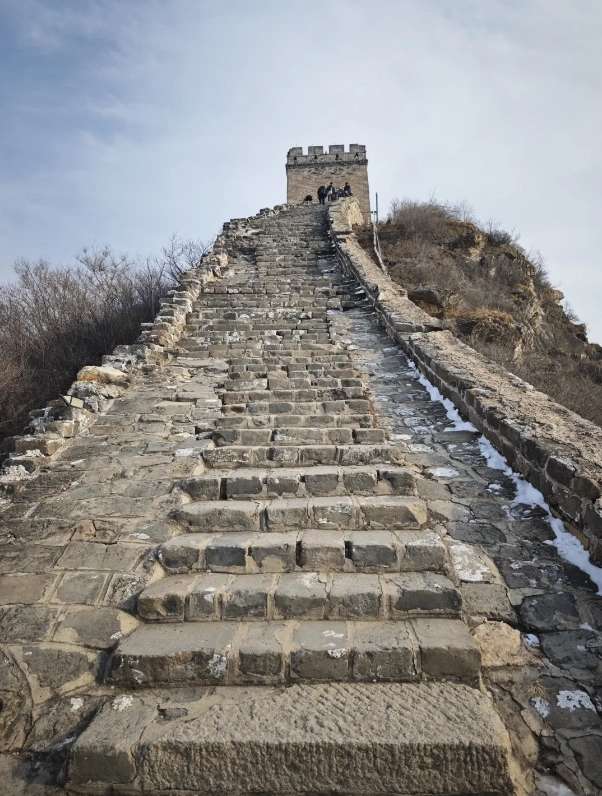
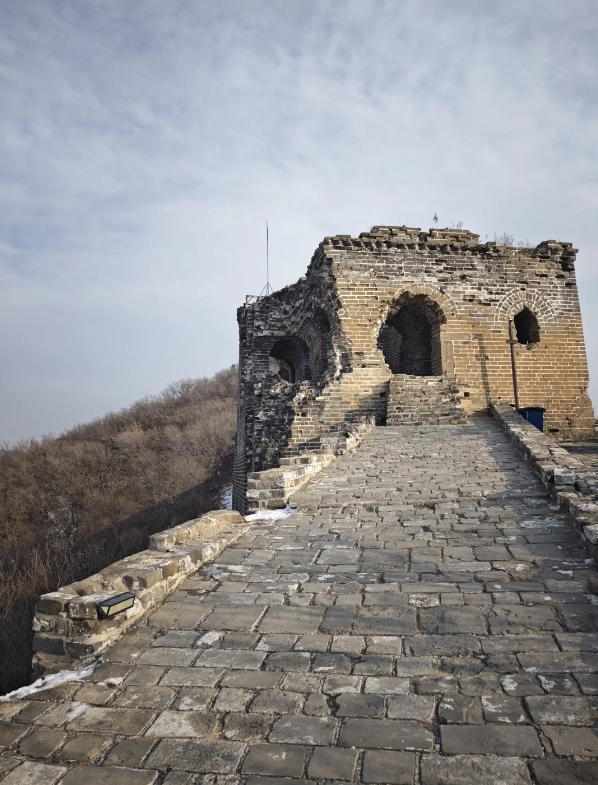
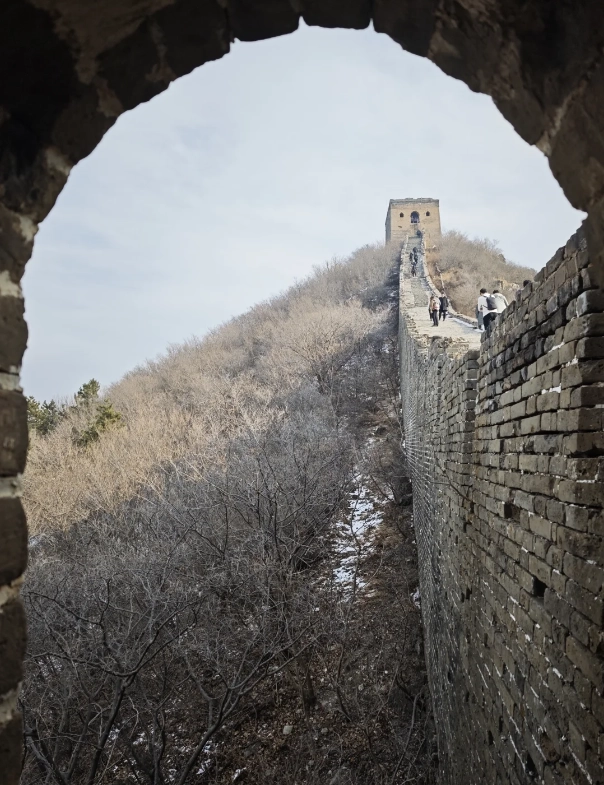
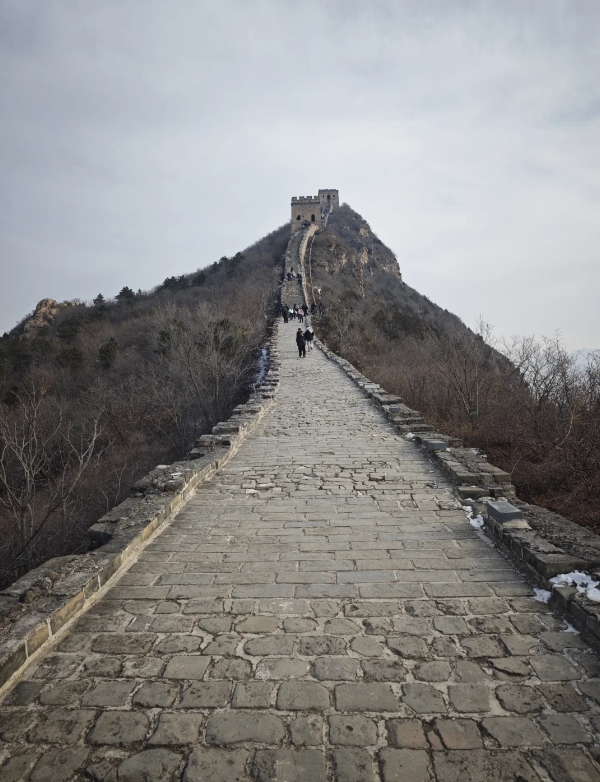
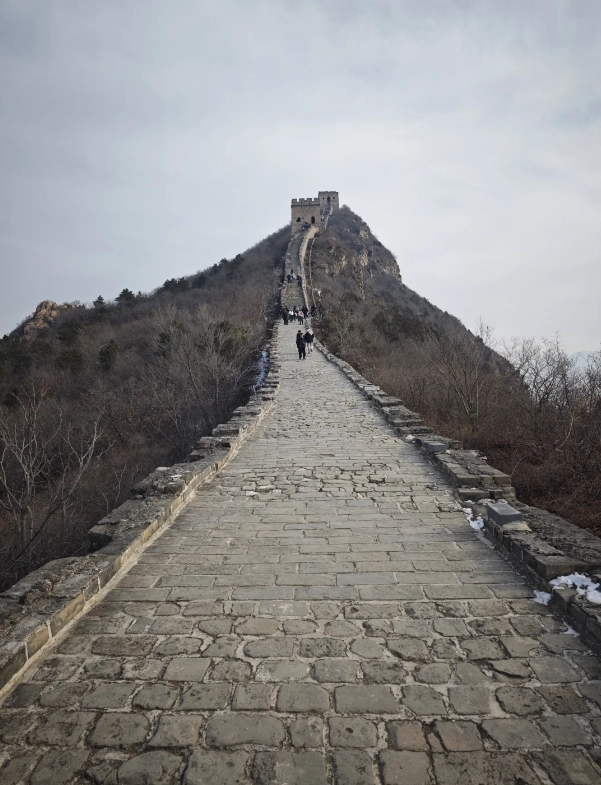
Sturdy, closed-toe shoes with good grip are non-negotiable—think hiking shoes or trail runners. The stone steps are worn smooth and can be slippery. Dress in layers; it can be windy and cooler on the Wall than in the town. A hat and sunscreen are essential, even in autumn. Carry a small backpack for water and a light jacket.
Is the night hike on Simatai Great Wall safe?
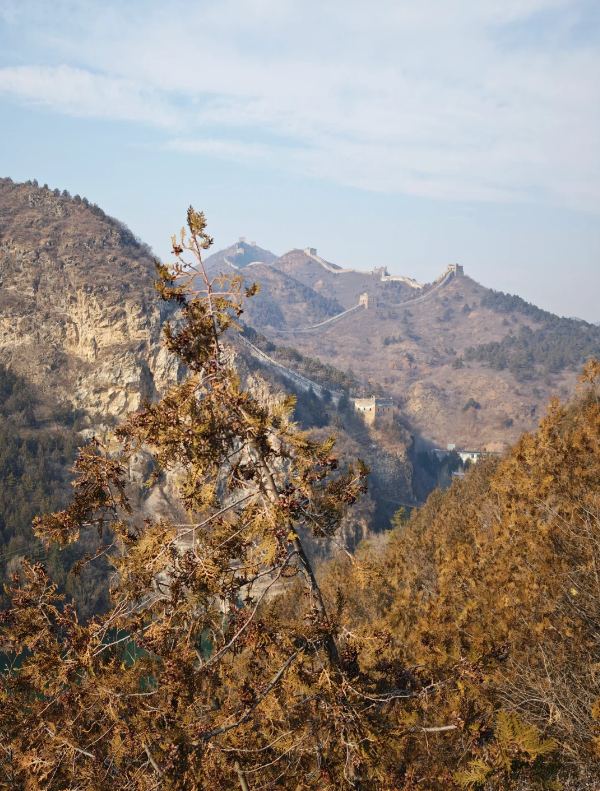
The night tour is on a specific, well-lit section (usually East 5 to East 6). It's heavily managed with guides and railings. It's safe in terms of organization, but it's not a hike. It's a controlled walk for the views and atmosphere. If you're seeking a real hiking challenge, the daytime is your only option.
How do I avoid the biggest crowds?
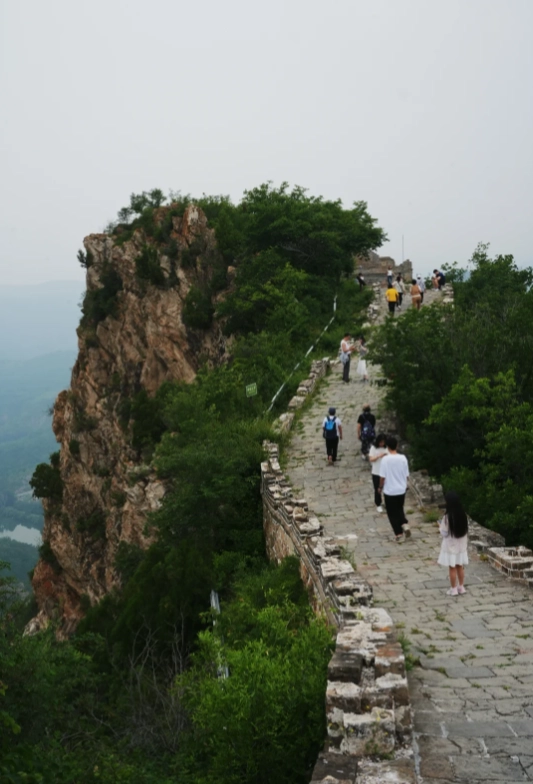
Avoid Chinese national holidays and summer weekends at all costs. Visit on a weekday. For Simatai, the golden hours are either first thing in the morning (if staying overnight) or late afternoon after 4 PM. Most package tours start leaving around then. I've had entire Wall sections almost to myself starting at 4:30 PM.
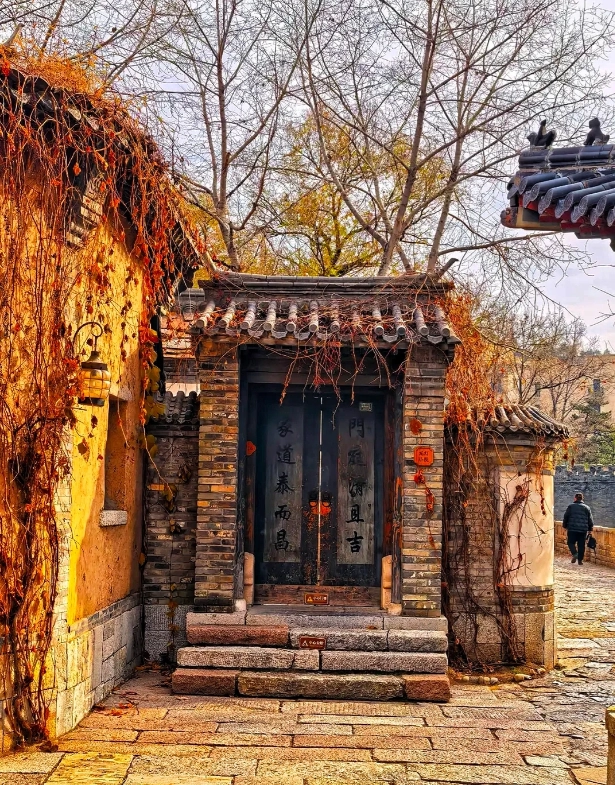
Is Gubei Water Town wheelchair or stroller accessible?
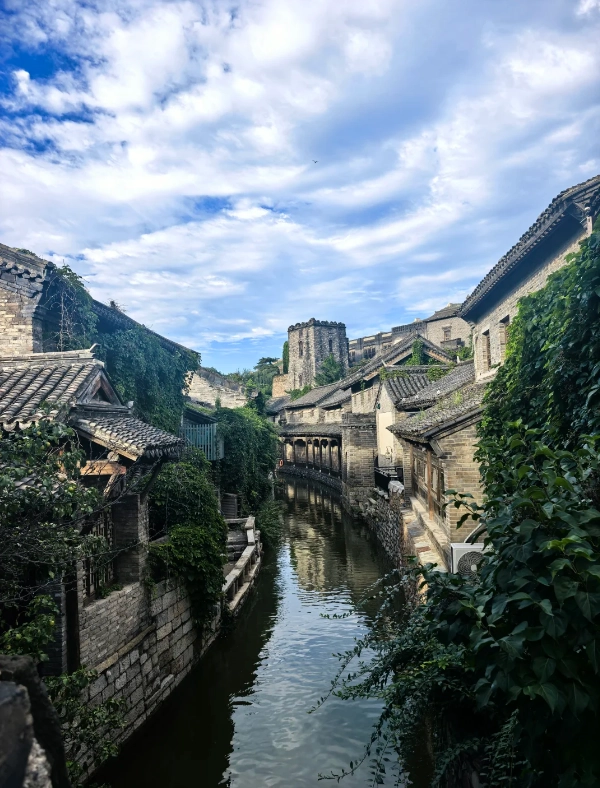
Gubei's main streets are paved and relatively flat, but the charm is in the alleys with steps and bridges. A wheelchair could navigate the core area with difficulty. Simatai Great Wall is absolutely not accessible for wheelchairs or strollers. The cable car helps, but the Wall itself has only steep, uneven steps.


Recent Reviews
Leave a Review