 Lei Li
Let's cut to the chase. If you're looking for a gentle, restored Great Wall experience with cable cars and smooth paths, Simatai is not for you. Go to Mutianyu. But if the idea of clambering up steep, uneven steps on a less-crowded, wildly dramatic section of the Wall gets your heart racing (literally), then yes, Simatai is absolutely worth it. I've hiked multiple sections, and Simatai remains the most visually striking and physically demanding of the ones open to the public near Beijing. This isn't a polished tourist attraction; it's a raw encounter with history and landscape.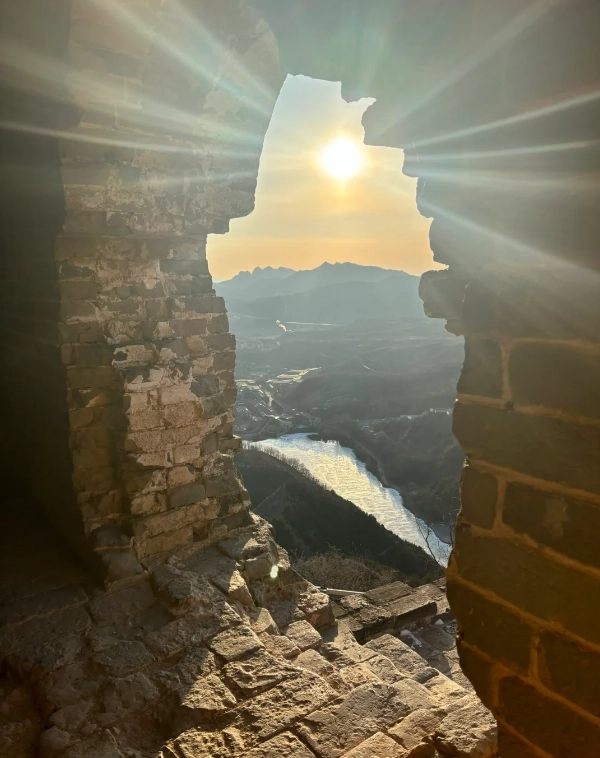
What’s Inside This Guide
The Short Answer: Who Should (and Shouldn't) Go
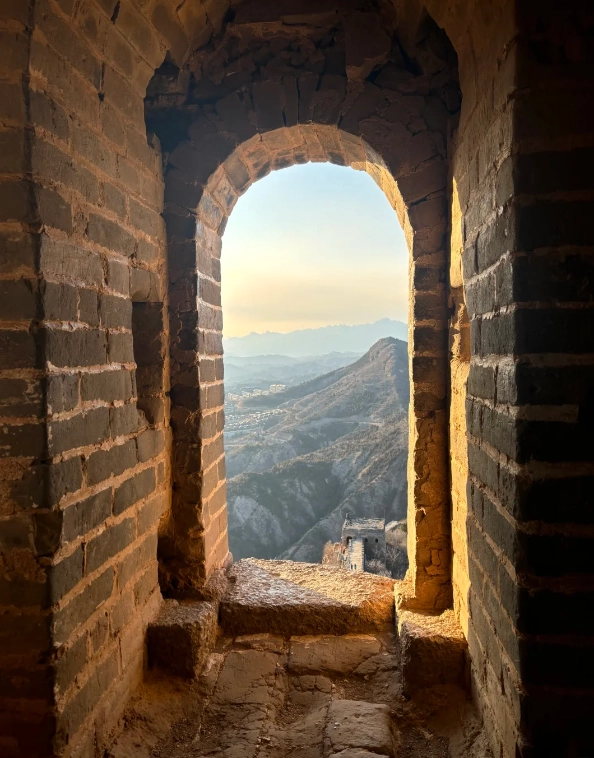
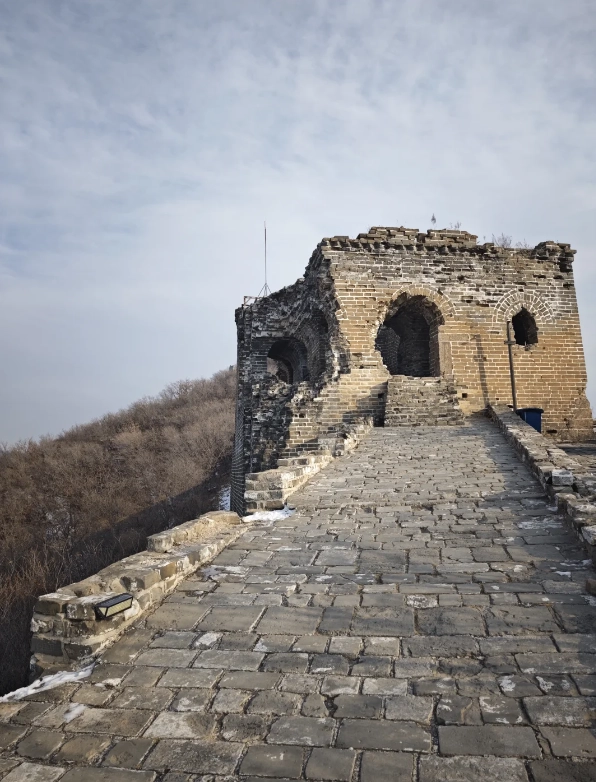
Simatai is worth visiting for adventurous travelers with decent fitness. It rewards effort with breathtaking, panoramic views of snaking wall and rugged mountains. The architecture here—with its narrow ridges and watchtowers perched on cliffs—is phenomenal.
Choose Simatai if: You want authentic, less-crowded views. You're okay with a serious workout. Photography is a priority. You're combining it with a stay at Gubei Water Town.
Avoid Simatai if: You have knee, heart, or mobility issues. You're with very young children or elderly companions. You dislike heights or uneven walking surfaces. You only have half a day and want a quick, easy visit.
Simatai vs. Mutianyu: The Real Difference
Everyone compares these two. It's the core decision for most visitors. Here’s the breakdown from someone who's done both multiple times.
Mutianyu is the comfortable, family-friendly option. It's extensively restored. You can take a cable car up, walk on wide, even battlements, and toboggan down. The views are beautiful and accessible. It feels managed and safe.
Simatai is the adventure option. Restoration is minimal and sensitive, leaving much of its original, rough-hewn character. The steps are irregular—some are knee-high. The ridges are narrow. There's a palpable sense of history and wildness. The crowd density is noticeably lower, especially if you go early.
The most common mistake I see? People choosing Simatai because it's "less touristy" without respecting the physical demand. Mutianyu is touristy for a reason: it's spectacular and manageable. Simatai trades manageability for raw grandeur.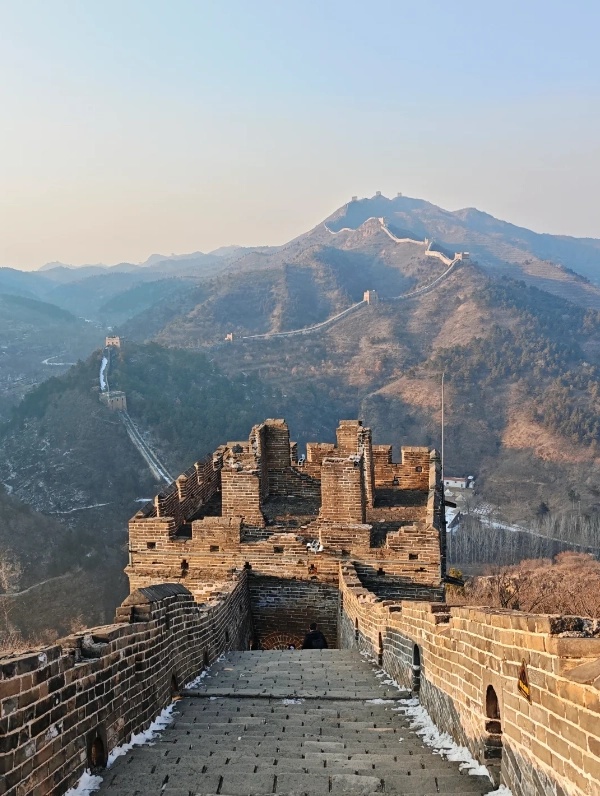
How Difficult is the Simatai Great Wall Hike?
Let's get specific. The open section is about 5km from the entrance to the furthest watchtower (Wangjing Tower) and back. It's not the distance; it's the vertical gain and the terrain.
The Steep Sections You Need to Know About
The climb up to the first major watchtower from the cable car exit is a wake-up call. The steps are steep and uneven. Handrails are present but essential.
The most famous challenge is the “Heavenly Ladder” and “Sky Bridge” leading to Wangjing Tower. The ladder is a stretch of steps at a near 70-degree angle. The bridge is a narrow ridge with steep drops on both sides. It looks more intimidating than it is—the path is secure with rails—but it requires a head for heights.
I'm a regular hiker, and I was sweating and stopping to catch my breath. It’s a sustained cardio workout. Wear proper shoes with grip. Sandals or flip-flops are a terrible idea.
Can You Skip the Hard Parts?
Yes, partially. A cable car takes you about halfway up the mountain, saving the initial brutal climb from the base. From the cable car exit, you can explore several watchtowers without tackling the absolute steepest parts. You can still get amazing views without going all the way to Wangjing Tower. Judge your energy on the spot.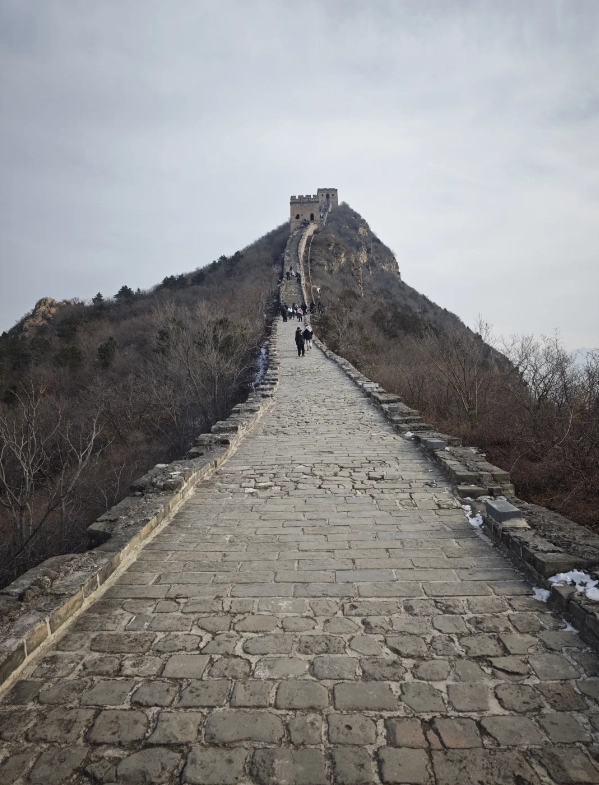
Practical Info: Tickets, Hours & Getting There
This information is current and based on my last visit and official sources like the Beijing Municipal Culture and Tourism Bureau website.
| Item | Details |
|---|---|
| Opening Hours (Day) | 8:00 AM - 5:30 PM (Last entry at 4:30 PM). |
| Night Tour (Illuminated Wall) | Available in conjunction with Gubei Water Town ticket. Usually 5:30 PM onwards. A completely different, magical experience. |
| Entrance Ticket (Day) | Approximately 40 CNY. This is just for the Wall itself. |
| One-Way Cable Car | Approximately 90 CNY. Highly recommended to save energy. |
| Combo Ticket (Wall + Gubei Town) | Around 170 CNY. Required if you want to do the night tour. |
| Address / Location | Simatai Village, Gubeikou Town, Miyun District, Beijing. It's about 120km northeast of central Beijing. |
How to Get to Simatai Great Wall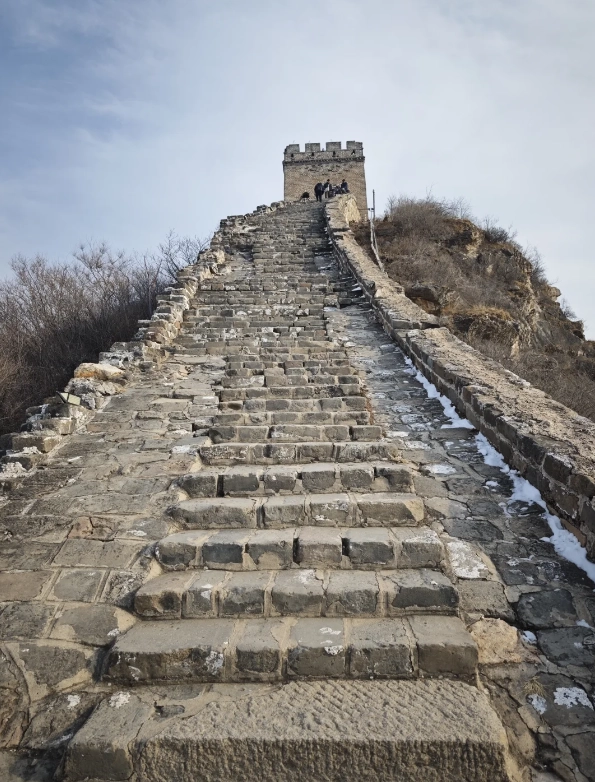
By Car: The most flexible option. Drive from Beijing (2-2.5 hours depending on traffic). Park at the massive Gubei Water Town parking lot (fee applies). Follow signs to the tourist center.
By Public Transport: It's a trek. Take a Beijing subway to Dongzhimen, then bus 980 Express to Miyun Bus Station. From there, you need a local bus or taxi to Gubei Water Town. The entire journey can take 3.5+ hours one way. Not ideal for a day trip unless you start very early.
By Tourist Bus/Private Driver: Many hotels and tour companies in Beijing offer day trips or private car hires. This is a great balance of convenience and cost, especially for a small group.
My On-the-Ground Planning Tips
Here’s what most generic guides won’t tell you, based on my own missteps and successes.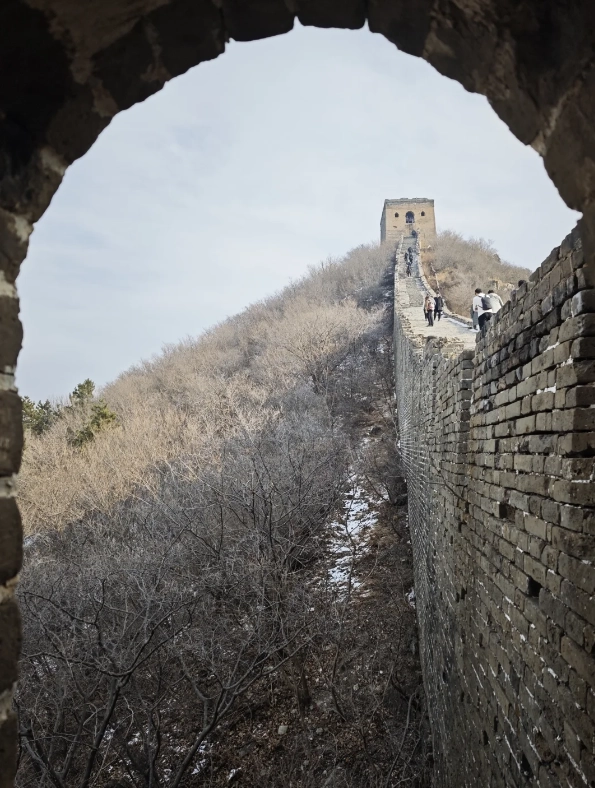
- Stay Overnight at Gubei Water Town. This is my top recommendation. The town is a reconstructed ancient-style resort. Staying there allows you to visit the Wall at the best times: early morning before day-trippers arrive, and for the spectacular night illumination. The combo ticket becomes cost-effective.
- Start Early, No Exceptions. Aim to be on the first shuttle bus from the town (around 8:30 AM). You’ll have the Wall almost to yourself for an hour. The difference in experience is monumental.
- Pack Strategically. Water (more than you think), snacks, sunscreen, hat. No toilets on the Wall itself—use the facilities at the cable car station. A small backpack is best.
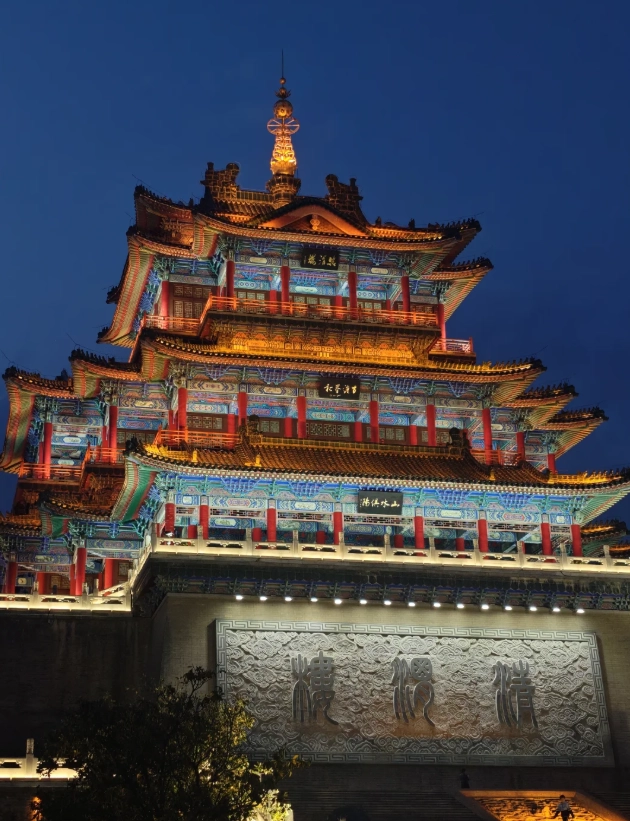
- The Night Tour is a Different Attraction. The Wall is lit up, creating a surreal, beautiful scene. The hike is shorter and on a designated, safer section. It's less about athletic challenge and more about atmosphere. Perfect after a day of travel.
- Don't Rush. This isn't a race. Go at a pace that lets you enjoy the views. Stop at every watchtower—each offers a unique perspective.
Your Questions, Answered
Is Simatai suitable for children or elderly visitors?
What's the best time of year to visit Simatai?
 Do I need to buy tickets in advance?
How much time should I budget for the visit?
Is the "original condition" of Simatai unsafe?
This guide is based on personal experience and cross-referenced with official tourist information. Details like ticket prices are subject to change; always verify on official channels before your trip.





No comments yet.