 Hui Lin
Let's be honest. Most travel guides treat Gubei Water Town and the Simatai Great Wall as a simple checkbox item from Beijing. Get on a bus, snap some photos, leave. But if you do that, you're missing the entire point. The magic isn't in seeing them separately; it's in experiencing the jarring, beautiful contrast between the two within a few hours. One moment you're gliding on a canal boat through reconstructed Ming-Qing alleyways, the next you're gripping a rope on a near-vertical section of one of the wildest stretches of the Great Wall. This combination is unique in all of China. I've visited three times over different seasons, and each visit peeled back another layer. This guide isn't just about logistics; it's about how to weave these two worlds together for an experience that sticks with you.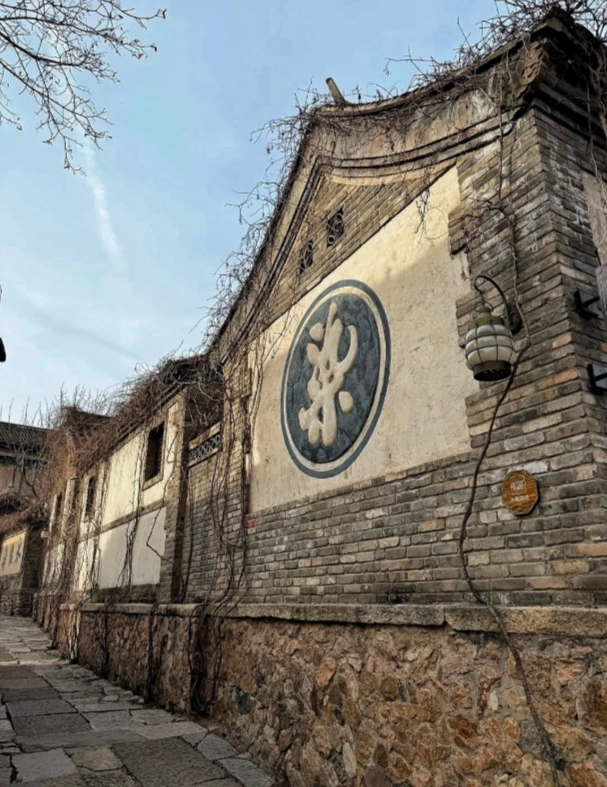
What's Inside This Guide
- Why This Combo Works (And What Most People Get Wrong)
- Planning Your Visit: Tickets, Transport & Timing
- Hiking Simatai Great Wall: The Raw Details
- Wandering Gubei Water Town: Beyond the Postcard
- Where to Stay: Overnight Options Compared
- Food & Drink: What's Actually Worth Trying
- Your Questions, Answered (The Real Ones)
Why This Combo Works (And What Most People Get Wrong)
Gubei Water Town is a modern creation, built from the ground up about a decade ago. Some purists scoff at it for not being "authentic." They're missing the forest for the trees. Its purpose isn't to be a living museum; it's to be a functional, beautiful hub that makes accessing the remote Simatai section feasible and enjoyable. Simatai, on the other hand, is the real deal—steep, partially unrestored, and breathtaking. The most common mistake is trying to do both as a rushed day trip from downtown Beijing. You'll spend 5+ hours in transit and feel rushed at both sites. The winning move is to stay overnight. This lets you hike the Wall in the late afternoon when day-trippers have left, enjoy the water town's lights at night, and wake up to a serene morning by the canals.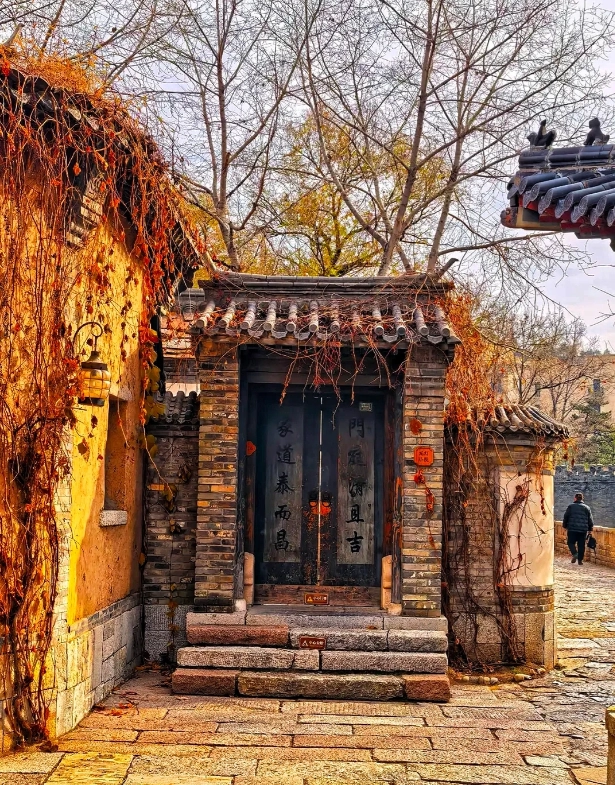
Planning Your Visit: Tickets, Transport & Timing
The Essential Info at a Glance
Location: Mihong Town, Miyun District, Beijing (about 120km northeast of downtown).
Best Time to Visit: April-June & September-October. Avoid summer weekends (crowds) and deep winter when the Wall can be icy and dangerously cold.
My Recommended Itinerary: Day 1: Arrive midday, check into lodging, explore Gubei Water Town. 4:00 PM - Take shuttle to Simatai for late afternoon/evening hike. Day 2: Morning in the water town, optional activities, depart.
Getting There: Your Options
You have three main choices, each with trade-offs.
- Tourist Bus: The easiest for solo travelers. Departs from Dongzhimen Outer Bus Station. Look for the direct "Gubei Water Town" line. The ride takes about 2 hours. Buy your return ticket immediately upon arrival—times are limited and sell out.
- Private Car/Driver: Ideal for groups of 3-4. Costs around 800-1000 RMB roundtrip from downtown. Gives you total flexibility on timing. I've used this for a photography-focused trip to catch the golden hour on the Wall.
- Public Bus + Taxi: The budget, local way. Take bus 980 from Dongzhimen to Miyun Bus Station, then a local minibus or taxi the remaining 50km. It's cheaper but involves hassle and negotiation.
Tickets: The Combo is Key
You can't just buy a ticket for Simatai Great Wall from the outside. Entry is only through Gubei Water Town after 1:00 PM. This is a crucial detail many miss. You need a ticket to the water town first.
| Ticket Type | Price (Approx.) | What It Covers | Best For |
|---|---|---|---|
| Gubei Water Town Day Ticket | 140 RMB | Entry to the water town only. Does not include the Great Wall. | If you're only interested in the town or are staying multiple nights. |
| Gubei + Simatai Day Combo | 170 RMB | Entry to Gubei Water Town + Simatai Great Wall (daytime access). | The standard one-day visit. You must enter the water town first. |
| Gubei + Simatai Night Combo | ~280 RMB | Entry to Gubei + Simatai Great Wall for a specific evening time slot (with lights). | A unique experience seeing the Wall illuminated. Less hiking, more atmosphere. |
Once inside the water town, you take a dedicated shuttle van (ticket ~10 RMB) to the Simatai cable car base. The cable car is optional but recommended to save time and energy. A one-way ticket is about 90 RMB, roundtrip 160 RMB.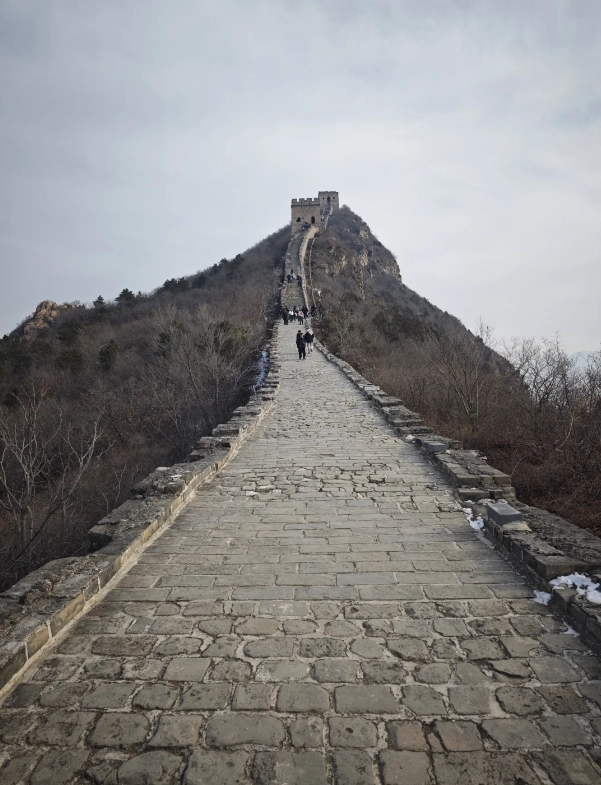
Hiking Simatai Great Wall: The Raw Details
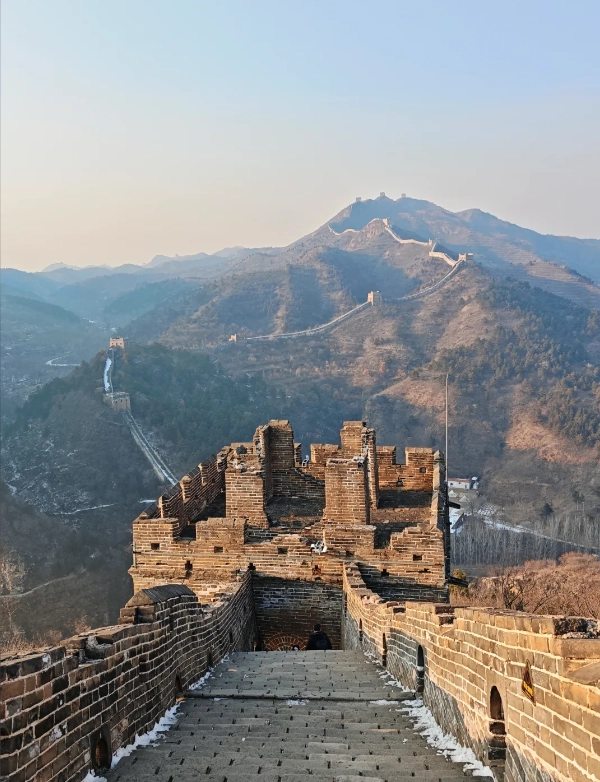
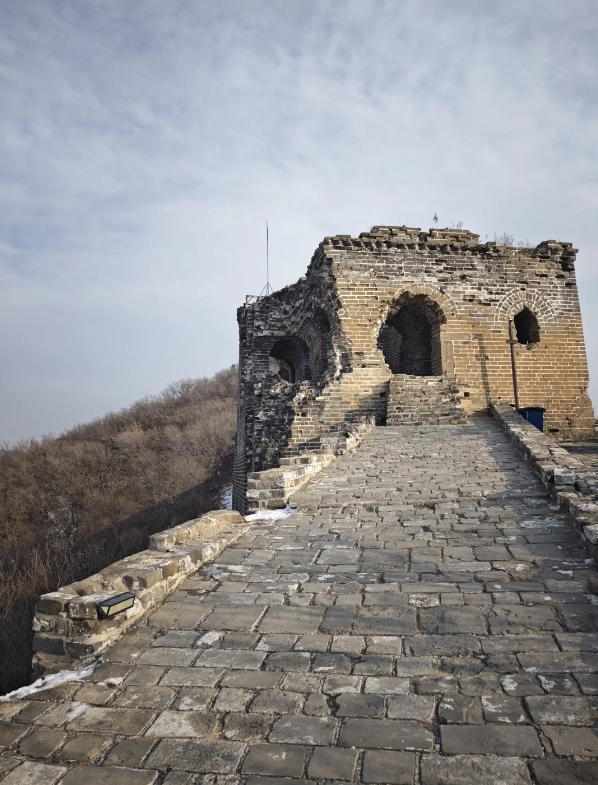
Simatai is split into two sections: East and West. For most visitors, the East Section (Towers 5 to 10) is the highlight and the only part open for the night tour. The walk from the cable car drop-off (near Tower 5) to Tower 8 is moderate. Past Tower 8, it gets serious. The climb to Tower 10 (Fairy Tower) is steep, with narrow, uneven steps. The handrails are there for a reason—use them.
My personal strategy: take the cable car up, then walk down from Tower 5 back towards the shuttle pick-up. It's easier on the knees and you get different perspectives. The stonework here is incredible—watch for carved inscriptions and different brick sizes, signs of repeated repairs over centuries.
A warning they don't emphasize enough: wear proper shoes. I've seen people in flip-flops and slick-soled dress shoes struggling dangerously. It's a historic fortress, not a city park.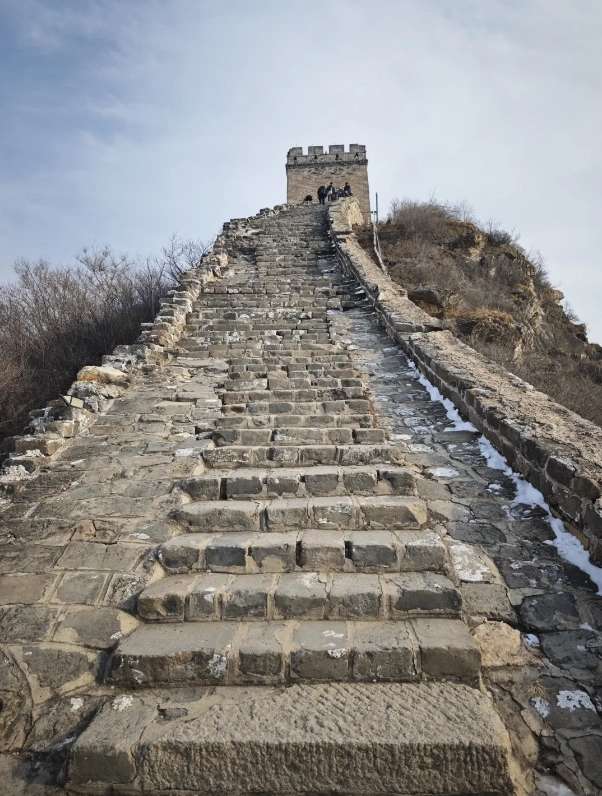
Wandering Gubei Water Town: Beyond the Postcard
Don't just walk the main canal street. Get lost in the alleys that climb the hillside. That's where you'll find quieter teahouses and better photo angles looking down on the tiled roofs. The town meticulously replicates northern Chinese water town architecture, and the craft workshops are genuinely interesting.
- Yongshun Ranfang (Dye House): See traditional indigo dyeing. You can try a small DIY handkerchief.
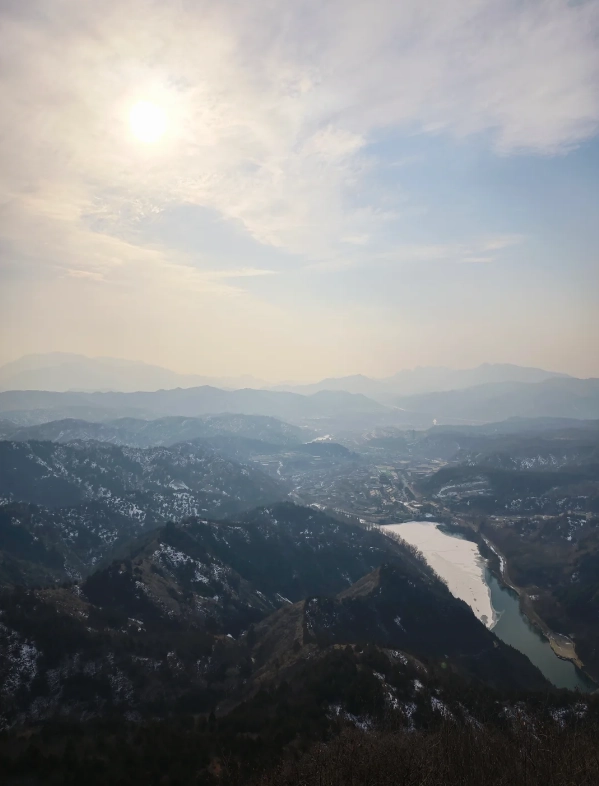
- Simatai Fortress: Climb to the highest point in the town for a panoramic view of the Wall snaking over the mountains.
- Evening Light Show & Hot Springs: At night, the town transforms. There's a music and water light show near the central square. Several hotels have their own hot spring pools fed from local springs—perfect after a day of hiking.
Where to Stay: Overnight Options Compared
Staying inside the water town compound is expensive but transformative. Staying outside is cheaper but means re-entering. Here's a breakdown from my experience.
| Hotel / Inn | Location & Type | Approx. Price/Night | Why Choose It |
|---|---|---|---|
| Wtown Hot Springs Hotel | Inside, luxury | 1200 - 2000 RMB | Multiple hot spring pools, best location, includes breakfast & town entry ticket. |
| Shuiwu Inn | Inside, boutique | 800 - 1200 RMB | Quieter, design-focused rooms along a side canal. More intimate feel. |
| Various Guesthouses | Outside the main gate | 300 - 600 RMB | Budget-friendly. You'll need to buy a new town entry ticket each day. Often run by locals. |
| Miyun City Hotels | 30-min drive away | 400 - 800 RMB | Only consider if you have a car. Adds significant commute time. |
The included breakfast and ticket at the in-town hotels often make the higher price more palatable when you do the math.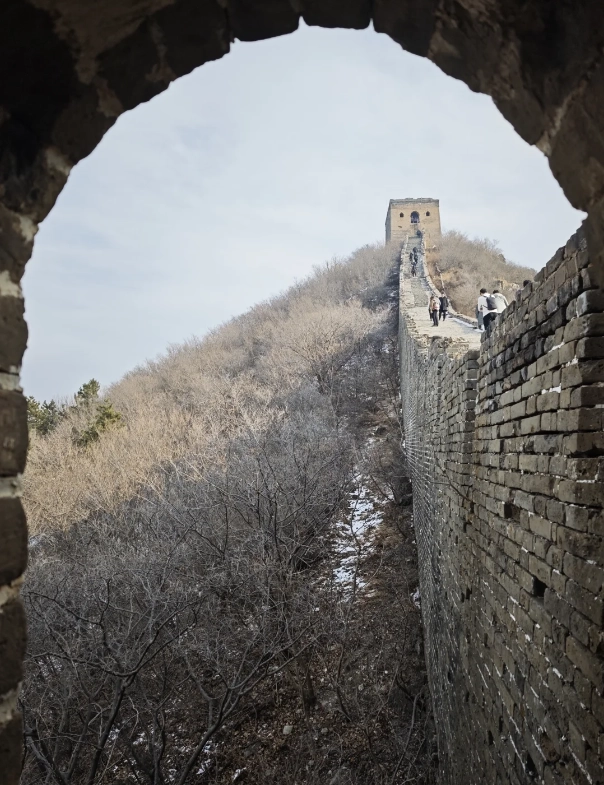
Food & Drink: What's Actually Worth Trying
The food inside is a mix of overpriced tourist snacks and some genuinely good local specialties. Skip the generic skewers near the main bridge.
- Miyun Roasted Fish: A local must-try. Fresh reservoir fish, charcoal-grilled with spices. The restaurants along the main canal do it well, but prices vary. Expect 150-300 RMB for a whole fish.
- Gubei Tofu Pudding: A savory breakfast staple. Silky tofu with a hearty mushroom and meat sauce. Find it at small stalls in the morning.
- Simatai Brewery: A microbrewery inside the town! Their pale ale is surprisingly decent. A pint is about 50 RMB—expensive for China, but a nice treat after hiking.
- Pro Tip: For a simple, cheap, and filling lunch, look for the bing (flatbread) stalls. They stuff them with scrambled eggs and vegetables for about 15 RMB.
Your Questions, Answered (The Real Ones)
 Is the night hike on Simatai Great Wall safe?
The pairing of Gubei Water Town and Simatai Great Wall offers something rare: curated comfort right next to raw history. Approaching it with the right plan—prioritizing an overnight stay, timing your hike against the crowds, and packing the right gear—turns a standard trip into an unforgettable one. It's the contrast that creates the memory.
This guide is based on multiple personal visits and cross-checked with current operational information from the official Gubei Water Town site and local transport hubs.





Honestly, I was pretty disappointed. We visited on a weekend and it was insanely crowded — couldn't even walk comfortably on the narrow streets. The queue for the cable car up to Simatai took over an hour, and once on the wall it was so packed that you couldn't stop to take a photo without bumping into someone. The water town feels completely fake — like a movie set built for tourists, not an actual historical place. On top of that, a bottle of water cost ¥12 and a simple noodle bowl was nearly ¥60. For that price I expected way more. Would not recommend unless you go on a weekday and have money to burn.
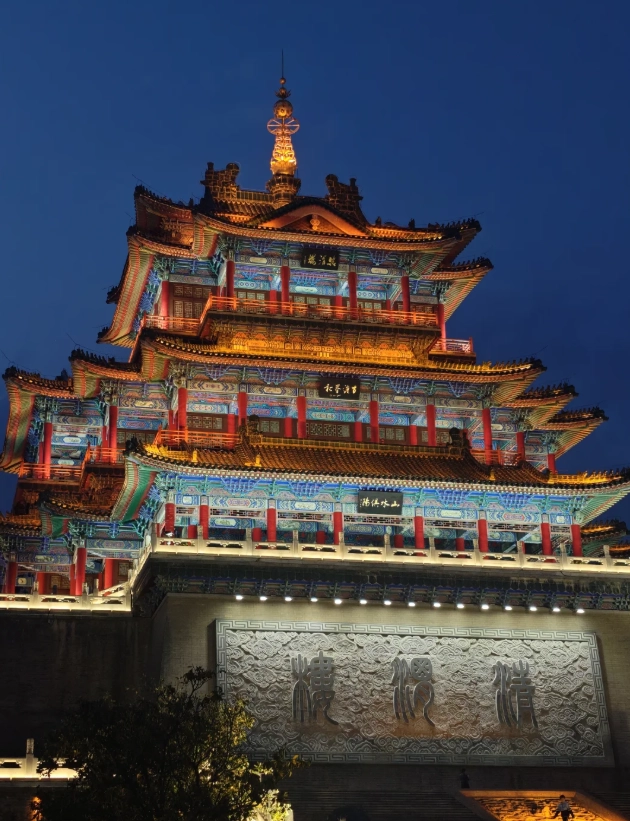
Overall a pleasant experience but not without issues. The architecture and scenery are genuinely beautiful — especially the contrast between the water town's elegant pagodas and the rugged Great Wall in the background. However, the entrance fee is quite high (¥140 for the town, plus another ¥40 for the wall and cable car), and many activities inside cost extra. It's also extremely commercialized: every second shop sells the same souvenirs and snacks. I enjoyed the afternoon, but felt it was more of a tourist trap than an authentic village. Still worth a visit, just manage your expectations.
If you're a serious hiker, Simatai Great Wall is the section to do. It's unrestored in parts, which means you get the real crumbling wall experience — watch your step! I started at 7am and basically had the entire wall to myself. The climb up to the highest watchtower is brutal but the reward is a 360-degree panorama of the mountains and the Gubei water town below. The water town itself feels a bit theme-park-y during the day, but the nighttime lights are gorgeous. Tips: bring water and snacks (town prices are steep), and wear proper hiking shoes. An unforgettable day out.
We came here for our anniversary and it was perfect. The lanterns along the canals at night made it feel like a fairytale. We loved renting a boat and drifting under the stone bridges — the boatman even hummed a folk tune. The Great Wall hike is no joke (very steep in parts!) but the views are totally worth it. We also tried the local black rice wine and bought some handmade paper umbrellas. Only downside is that some restaurants inside the town are a bit overpriced for what you get, but the atmosphere more than makes up for it. Five stars from us!
Absolutely stunning! The combination of the ancient water town and the Great Wall lit up at sunset is something I'll never forget. We took the cable car up to Simatai and watched the sun dip behind the mountains while the wall snaked away into the darkness — pure magic. The water town itself is beautifully restored with narrow alleys, bridges, and little shops selling traditional crafts. Stayed overnight at a hotel inside and caught the night market — the steamed buns and hot pot were incredible. Highly recommend for anyone who wants a truly immersive Chinese cultural experience without the crazy crowds of the Badaling section.
Unreal place for photography! We arrived early (8am) and had the streets almost to ourselves. The reflection of the pagodas in the canals is just perfect for sunrise shots. Simatai Wall is steep and not fully restored – feels authentic. The night illumination creates a fairy‑tale vibe. Only 4 stars because the souvenir shops are mostly overpriced junk.
A decent day trip but not as impressive as I expected. The architecture is nice but feels mass‑produced. We had trouble finding a decent restaurant that wasn’t a tourist trap – ended up paying ¥80 for a bowl of noodles that was mediocre. The Great Wall is the real deal, but the cable car queues were 45 minutes. If you want a quiet experience, skip weekends.
Simatai Great Wall is the highlight – it’s the only section that’s lit at night, so we did sunset and stayed for the lights. Magical. The water town is charming but gets packed after 3pm. We stayed overnight at a nearby guesthouse, which made the experience much more relaxed. Highly recommend the night cruise on the canal.
Honestly, I was a bit underwhelmed given the hype. The water town feels like a theme park – very clean but artificial. The Great Wall part is great, but getting there from the main town is a long walk unless you pay for the shuttle. Also, the crowds on a Saturday were overwhelming. If you go, book the earliest slot and bring your own snacks.
Visited mid-week in October and the autumn colors were stunning. The water town is beautifully restored with lots of little bridges and canals. We took the cable car up to Simatai Great Wall – the views from the watchtowers are absolutely insane. The night show at the town square was a nice bonus. My only complaint: food options are a bit overpriced for what you get. Still, totally worth the trip from Beijing.
A photographer’s dream — the reflections in the canals, the old buildings, and the dramatic wall in the distance make for incredible shots. I spent three hours just walking around the town before even thinking about the wall. The only downside is that it’s quite far from Beijing city center (two hours by bus), and the entrance ticket is pricey for what you get if you’re not doing the wall. Also, some of the “traditional” performances felt a little staged. Still, if you love architecture and landscapes, it’s worth the trip. Just bring water and comfortable shoes!
I went mainly for the food and the views, and wow, the braised pork at that riverside restaurant called ‘Yue Se’ was fantastic. Also tried the local tofu pudding and some candied hawthorn — all delicious. The town looks stunning with all the yellow leaves and red lanterns. The Simatai Wall was the highlight though: we took the night tour, and seeing the wall lit up like a dragon over the mountains is something I’ll never forget. My only small complaint is that the town gets really packed on weekends, so try going on a weekday if you can!
Honestly a bit of a letdown. The place is beautiful in photos but when you get there it’s basically a theme park version of an old town. Everything costs extra — even the nice little bridges have ticket checkpoints for certain sections. The Great Wall part was exhausting: super steep, very few rest spots, and the path is uneven. I’m a fit person but I struggled. For the price of admission + cable car + food, I expected more. Probably skip this if you’ve seen other Chinese water towns or other sections of the Wall.
Good overall, but maybe my expectations were too high. The Great Wall section was incredible — really original and not too crowded compared to Badaling — but getting up there by cable car took forever because of the queue. The water town itself is very pretty and well-maintained, but it also felt a bit too polished and touristy. Some shops were overpriced and the food was just average. Still a decent day trip from Beijing if you want to see both a wall and a canal town in one go, just come with realistic expectations.
We visited in early autumn and honestly it was one of my favorite trips this year. The combination of the ancient water town and the Simatai Great Wall is just magical. The Wall is steep and not for the faint-hearted, but the views from the top are absolutely breathtaking. We stayed overnight in the town and watched the drone show over the water at night — pure perfection. Definitely recommend going up to the wall at sunset and then coming back down to wander through the lantern-lit alleys. 10/10 experience.