Zhaojin Xiangshan Scenic Area: A Visitor's Practical Guide
Planning a visit to Zhaojin Xiangshan Scenic Area and unsure where to start? This guide covers ticket prices, exact location, transportation options, and insider tips to help you explore this natural wonder without the hassle.
Recent Reviews
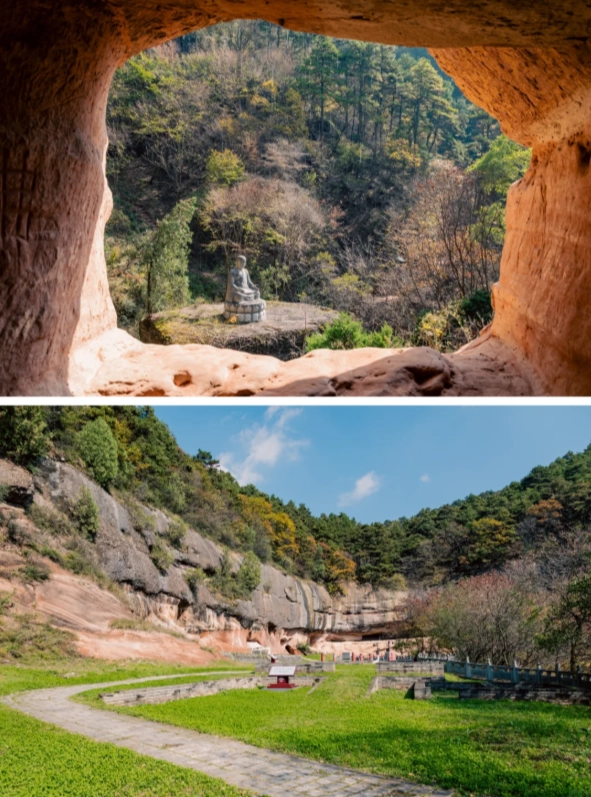
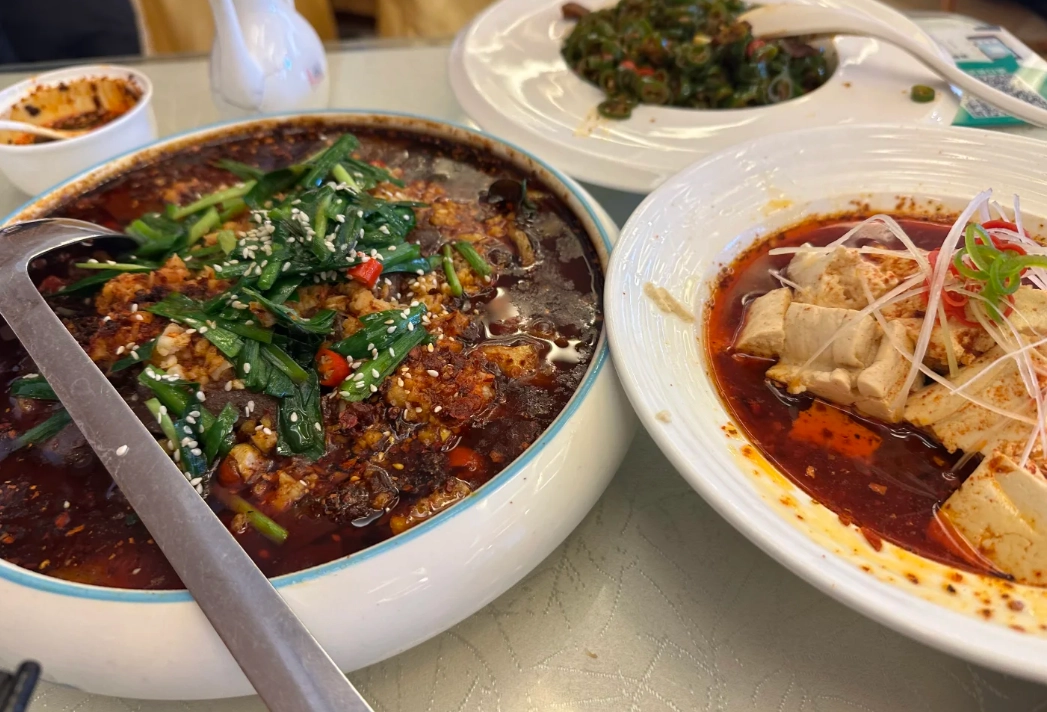
Such an underrated place! I came for the Yu Hua Palace because I’d read about the grottoes, and they did not disappoint. The rock-cut statues are seriously impressive and there were barely any tourists. Climbing around the hillside felt a bit adventurous, but the views are amazing. We ended the day with a simple meal of suan tang mian at a local family-run place. I left with a big smile. Go before it gets discovered!
I was a bit skeptical about a 'coal city' being a tourist spot, but Tongchuan is full of surprises. The old mining area has been turned into a museum with real artifacts and personal stories—really moving. The local noodles at the night market were fantastic, and the air was much cleaner than I expected. A perfect stop if you want to understand another side of Shaanxi beyond Xi'an.
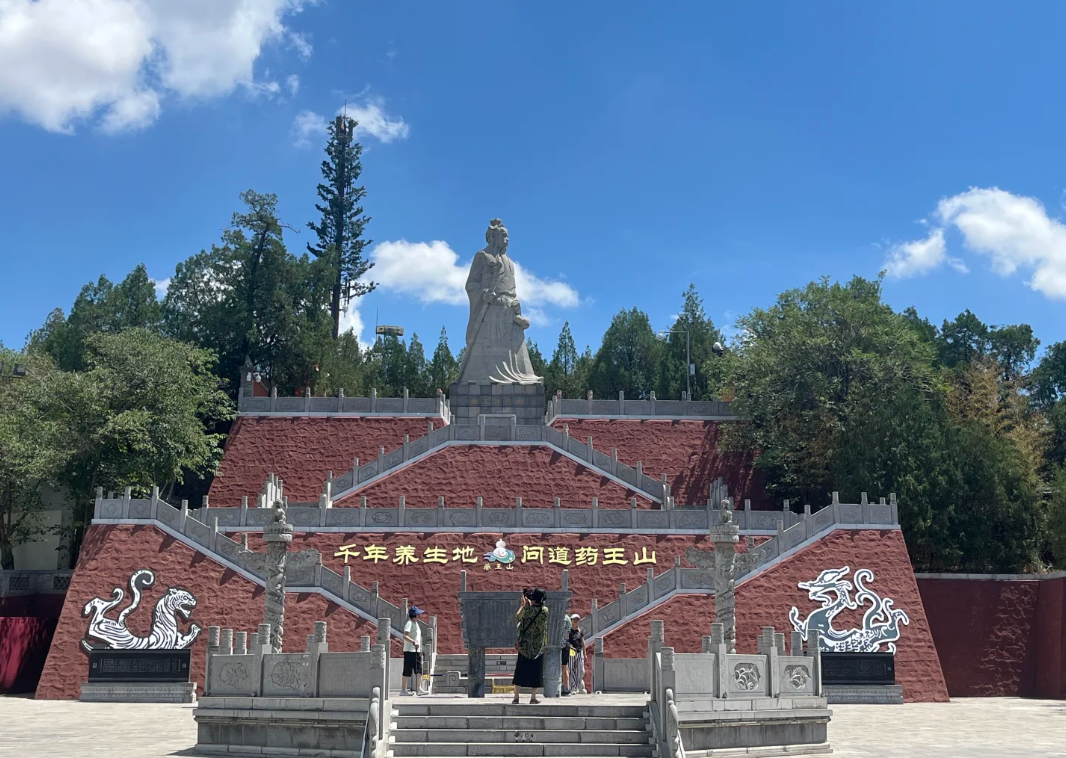
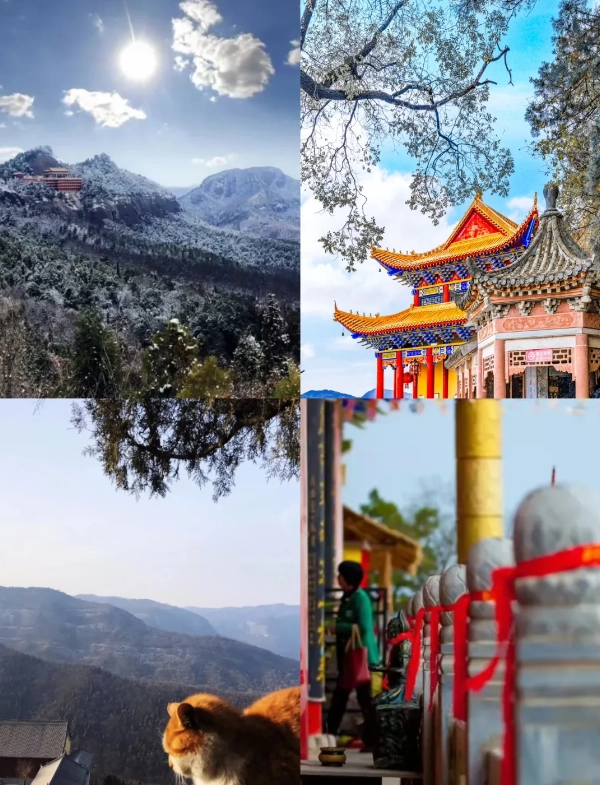
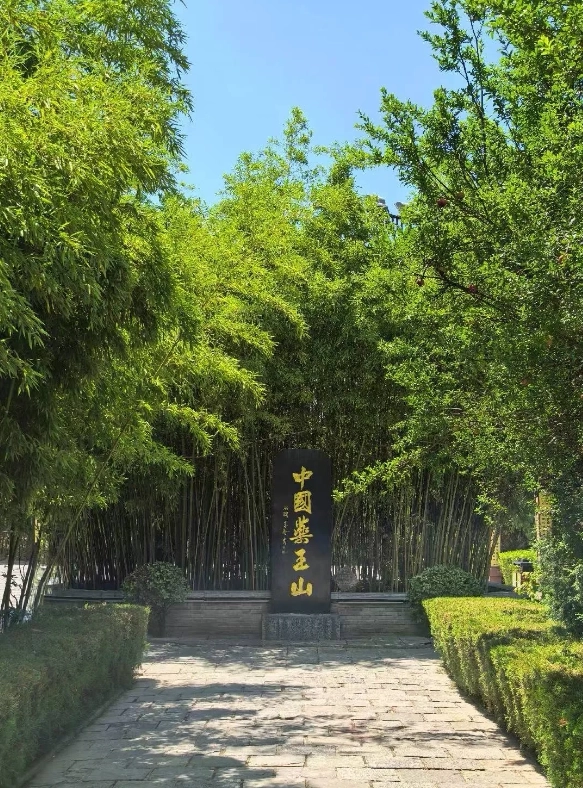
Absolutely loved Tongchuan! Yaowangshan was the highlight—ancient stone paths, old pine trees, and the views from the South Gate are incredible. You can see the whole valley, and in the morning light it’s just magical. The Yaozhou Kiln Museum also impressed me more than expected; the celadon glaze is stunning. Everyone we met was welcoming, and the city is small enough that getting around is easy. Highly recommend a weekend here.
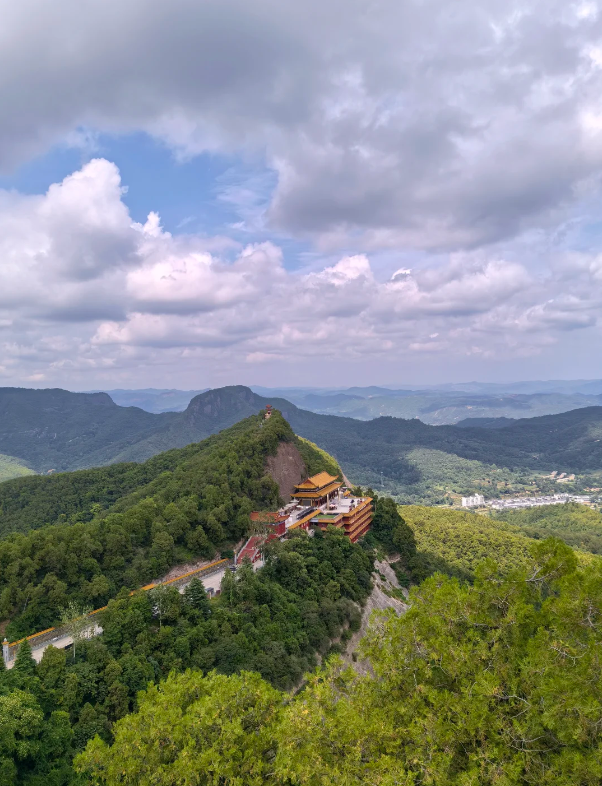
Came for the Medicine King Mountain and left pleasantly surprised. The climb up Yaowang Shan is steep in places, but the pine forest and incense temples along the way make it worth it. We went on a weekday and had most of the trail to ourselves. The only reason it’s not 5 stars is that the cable car wasn’t running and the signage at the top is inconsistent. Still, a lovely place to breathe fresh air and get away from the city.
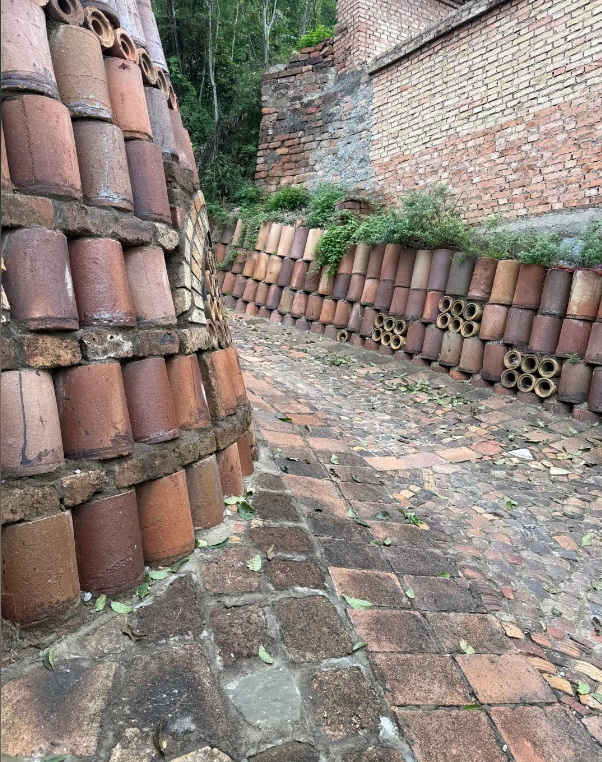
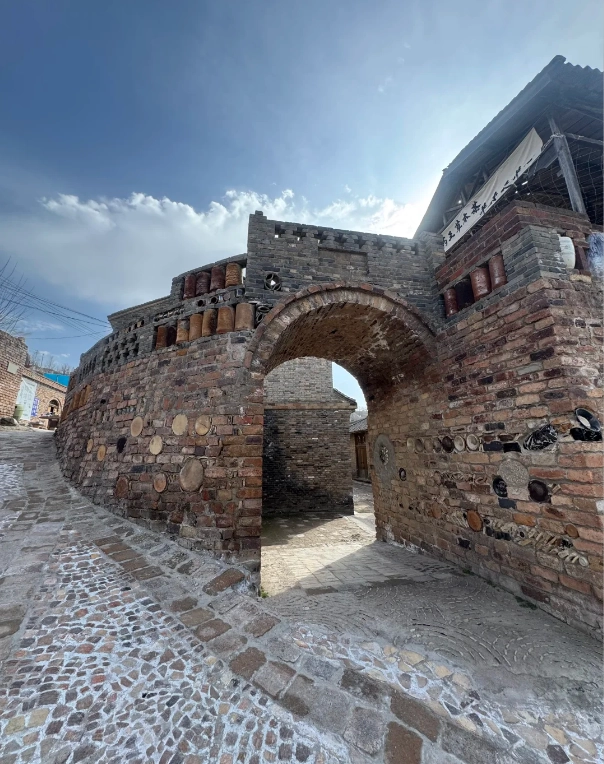
I wanted to like Tongchuan more than I did. We visited the Yaozhou Kiln Museum, which has some genuinely interesting pieces, but a lot of the early exhibits are poorly labeled and one hall was closed entirely. The old kiln site is neat to see, but honestly you can get the gist in about 30 minutes. The city itself is also a bit hard to navigate—our taxi took a while just to find the entrance. Not a bad day trip, but I wouldn’t call it unmissable.
I came for the celadon and stayed for the mountain air. Tongchuan surprised me by how green and quiet it is. Yuhua Palace was half-empty, but standing among those Tang dynasty ruins under the forest gave me chills. Then I found a tiny noodle shop downtown and had the best, biggest bowl of biangbiang noodles for maybe 10 yuan. If you need a break from the big-city chaos, this is the underrated gem.
Leave a Review