Yaowang Mountain Overview
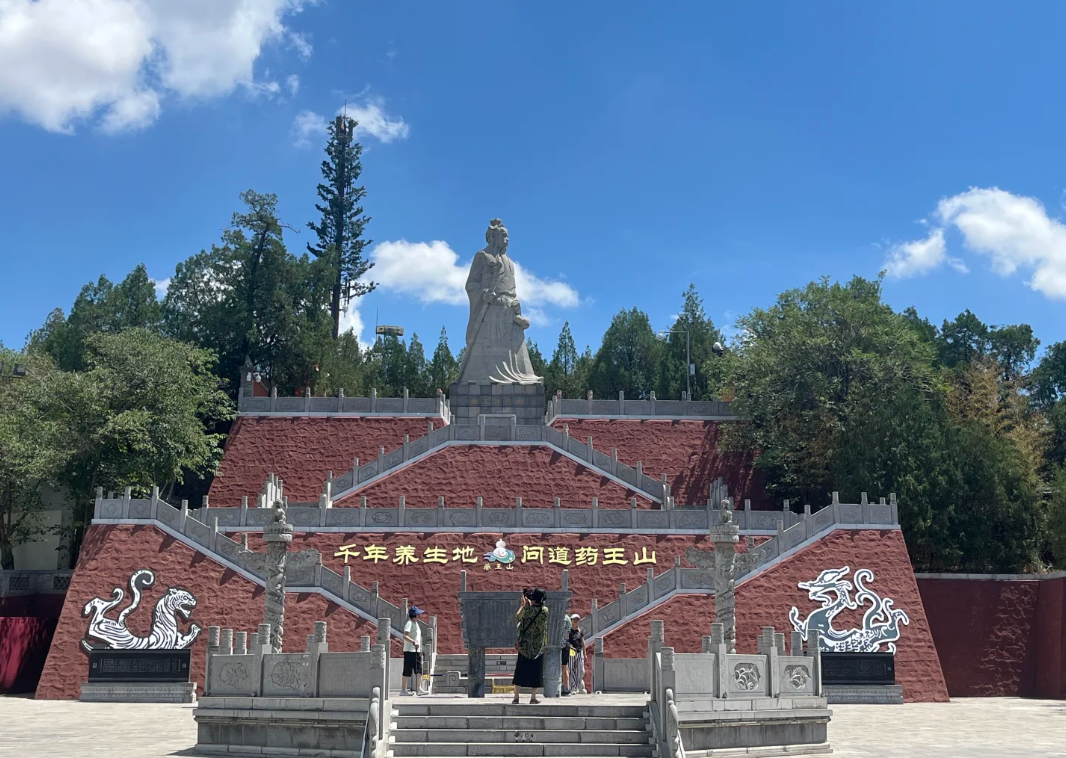
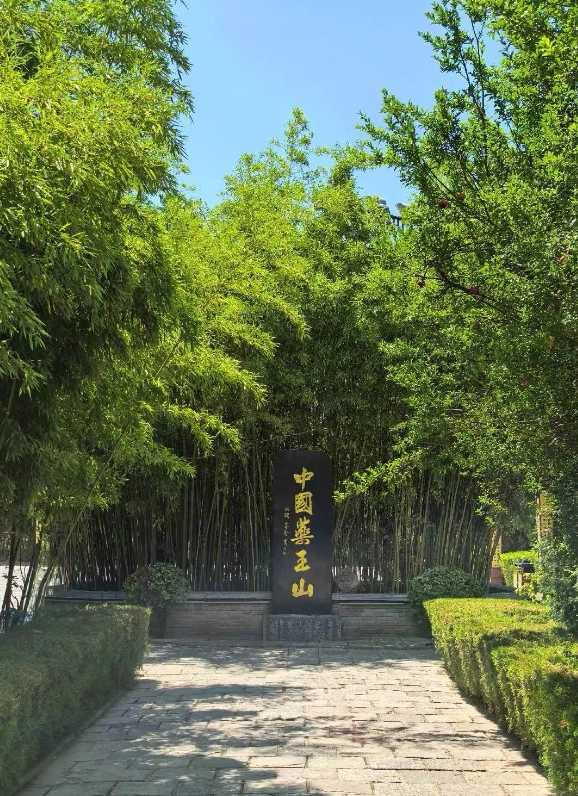
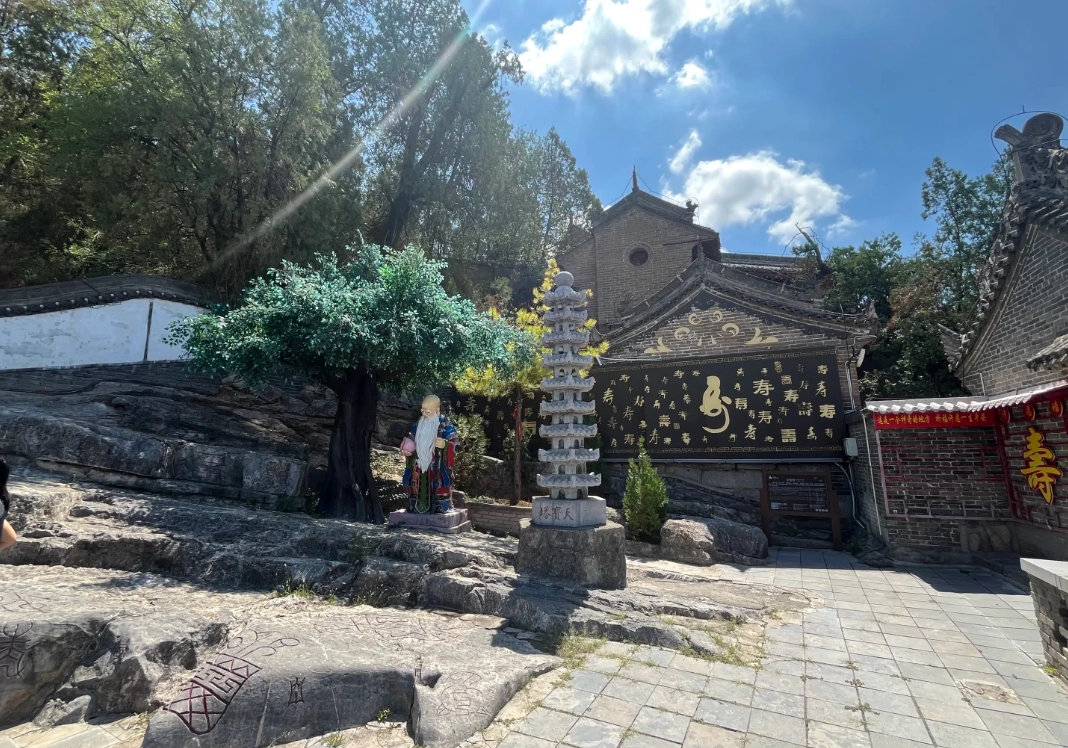
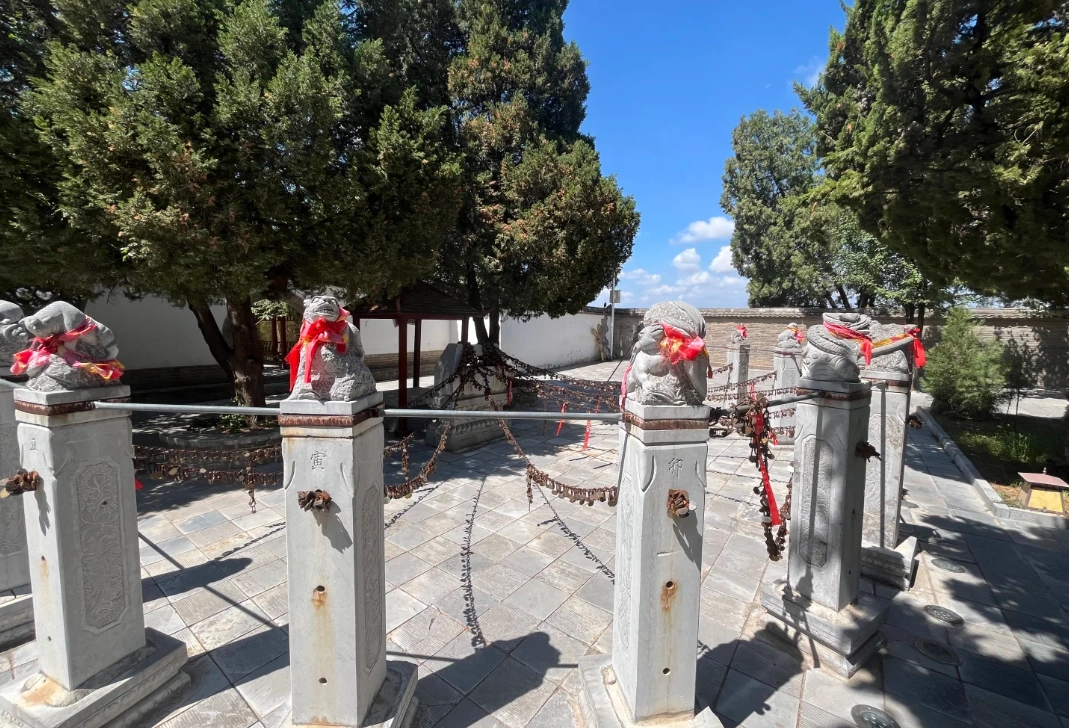
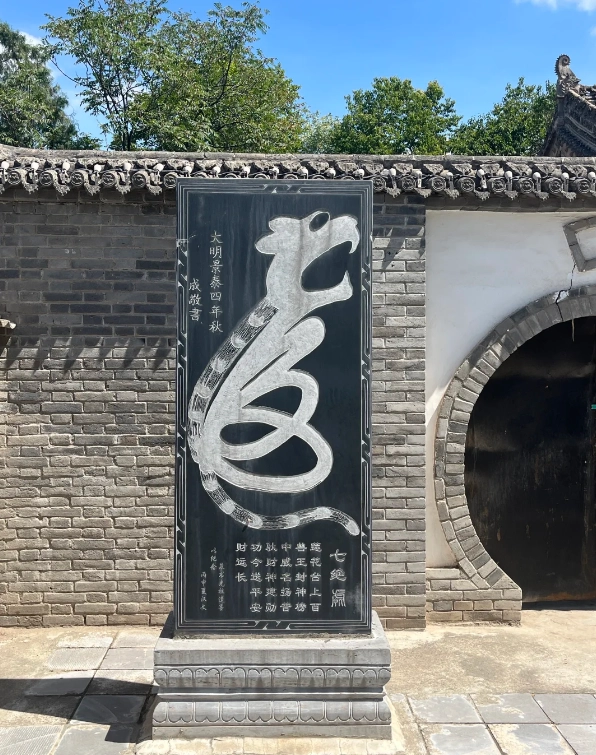
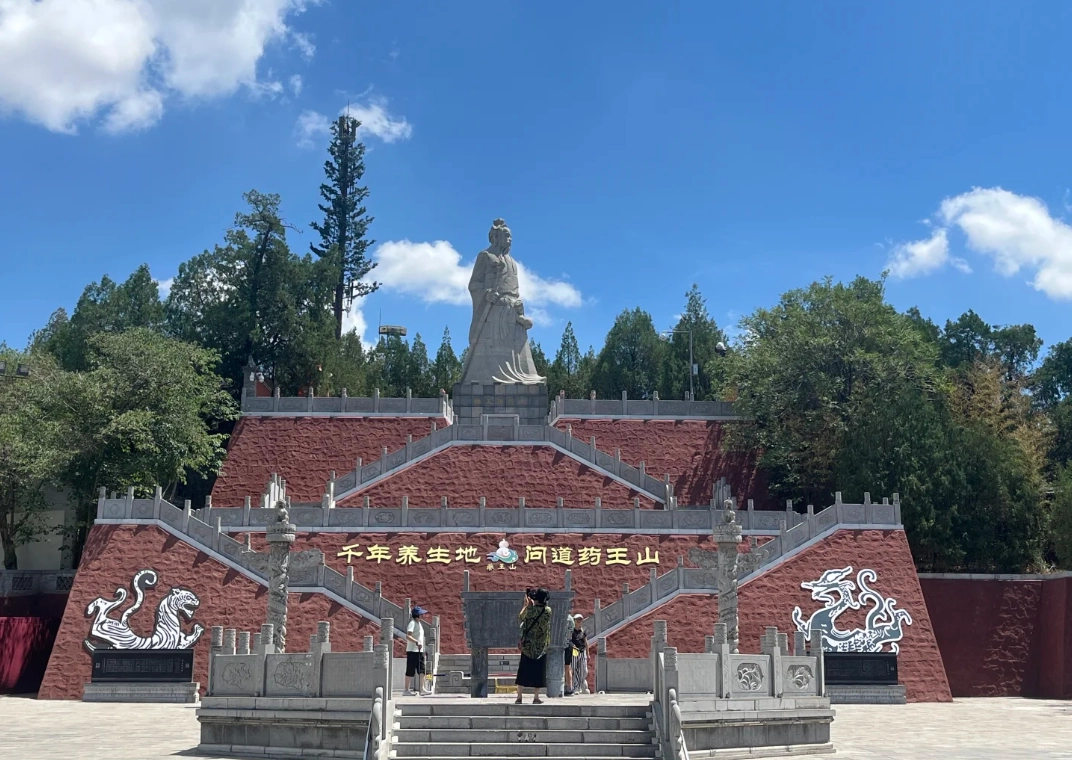
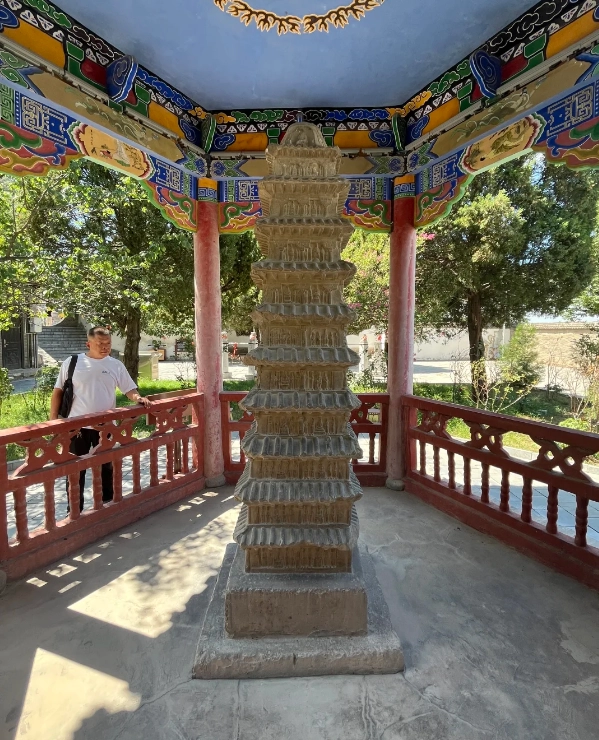
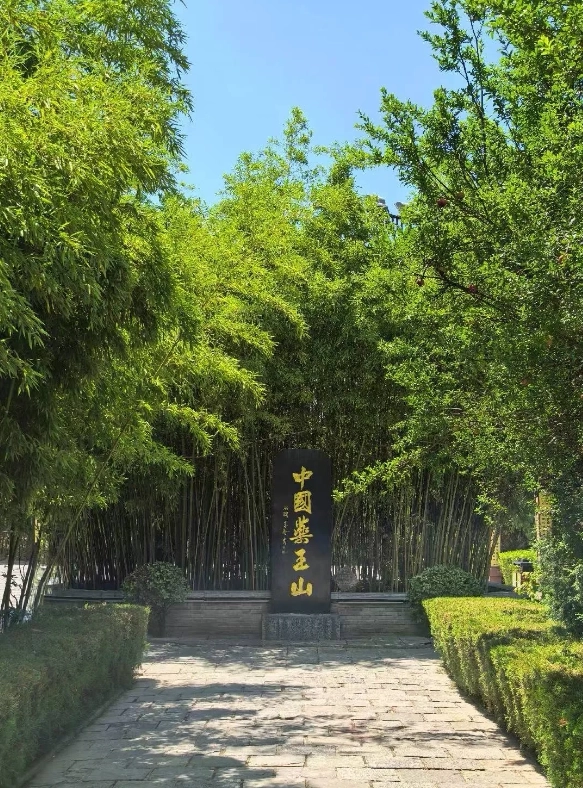
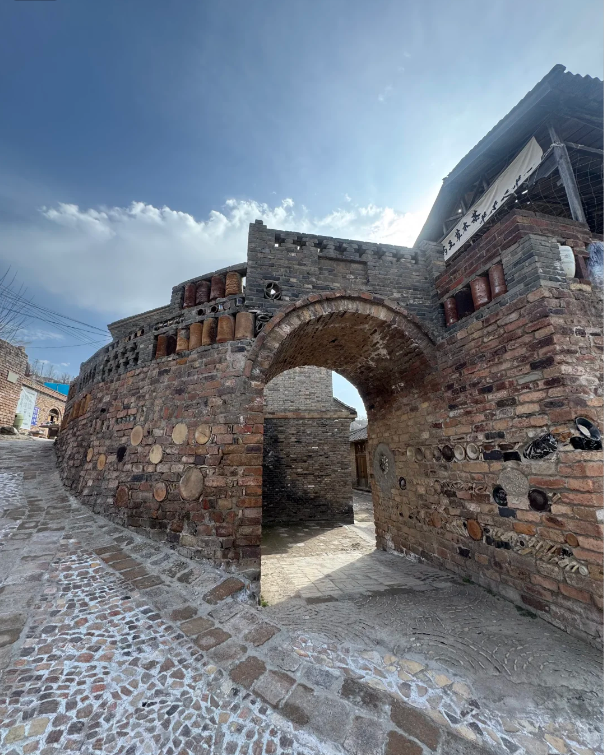
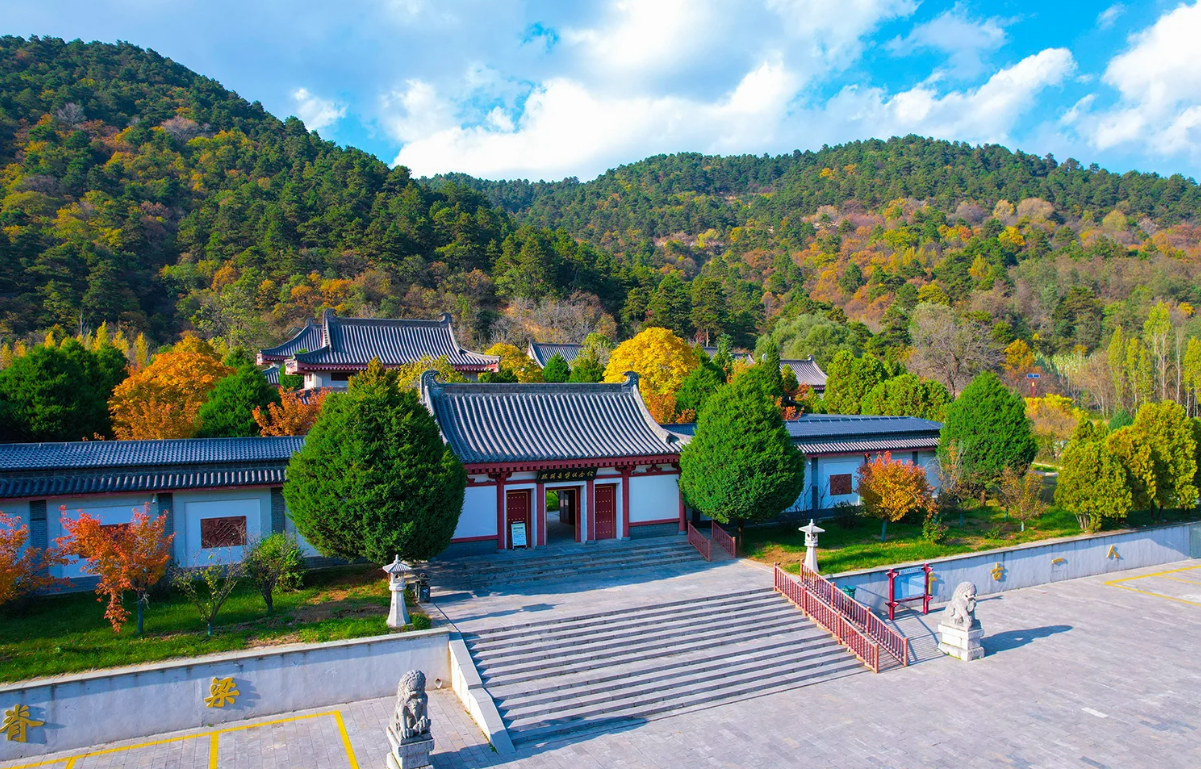
The place where Sun Simiao, a Tang Dynasty physician, spent his later years. The mountain has many steles and cliffside carvings, making it a sacred site for medicine.
Yaowang Mountain Opening Hours & Tickets
- 08:30–17:30
- Best season: Spring for festivals, autumn for clear weather.
- Ticket note:
~CNY 70. Discounts for seniors. Online booking accepted.
Essential Yaowang Mountain Visitor Information
- Enquiries: +86 919 6581563
- Parking
- Restrooms
- Visitor center
- Medicine culture museum
- Tea shopsSmall restaurants outside gate
How to Get to Yaowang Mountain
From Tongchuan city bus/taxi ~20 min. Drive from Xi’an ~1 h.
Yaowang Mountain Travel Safety & Advice
120, local police.
Recent Reviews
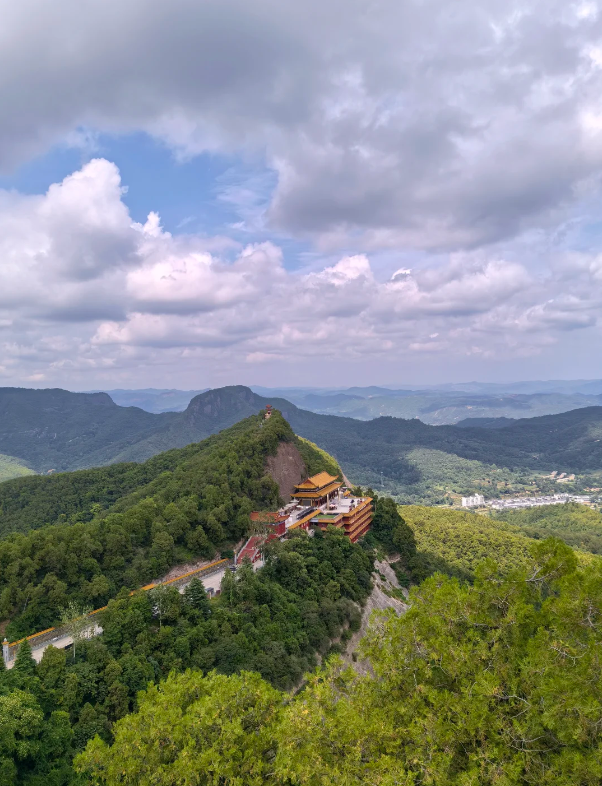
Decent hike with some rewarding panoramas, but the trail markers could be much better. I took a wrong turn and ended up on a goat path for half an hour. The middle section has a lot of loose gravel – a bit slippery after rain. Still, the mountain has a peaceful atmosphere and the wildflowers in late spring are lovely. If you’re an experienced hiker, you’ll enjoy it; just download a map beforehand.
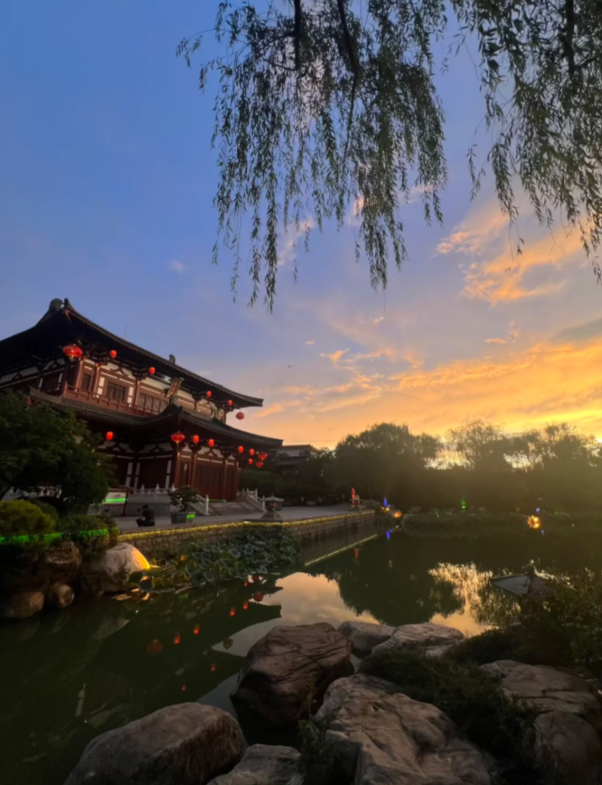
Went for the sunset and it was magical. The golden light hitting the rocky cliffs and the distant city skyline created a postcard scene. The path up to the west ridge is a bit narrow and rocky, so wear good shoes. There’s a nice teahouse near the top that serves hot tea – perfect after the climb. My only small complaint is that the parking lot fills up fast. Arrive early!
Honestly, a bit disappointed. The mountain itself is pretty, but the weather was foggy and I couldn’t see much from the top. The hiking trail is littered with plastic bottles in some sections – I wish visitors would take better care. Also, the entrance fee felt a bit steep for what you get. Maybe I just picked a bad day, but I wouldn’t rush back.
Took the kids here during spring break and they loved it. The cable car saved us from the toughest climb, and the peak had enough flat space for them to run around. There’s a little snack stand selling grilled corn and water – prices are reasonable. Only downside is that the restrooms near the mid‑station were a bit dirty, but overall a great family day out.
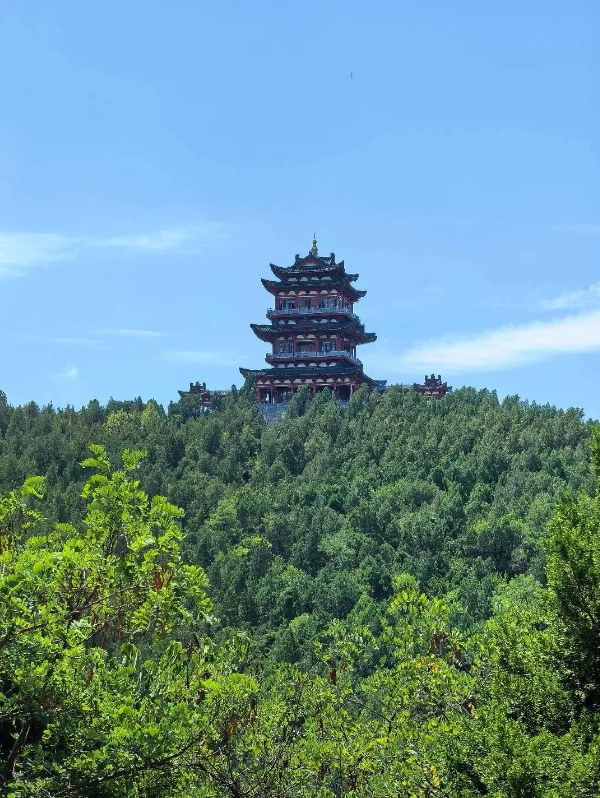
Caught the sunrise at Yaowang Mountain and it was absolutely breathtaking. The trail is steep but well-maintained, and the view from the top makes every step worth it. There's a small pagoda where you can sit and watch the mist roll over the valleys. Highly recommend going early to avoid crowds – we had the summit almost to ourselves. Will definitely come back in autumn for the foliage.
Leave a Review