 Peng Gao
What You'll Find in This Guide
I still remember the first time I drove into the Zhaojin Xiangshan Scenic Area. The air smelled like pine and damp earth, and the only sound was a distant stream. Most travelers rush to famous spots like Huangshan, but this place—tucked away in Shaanxi's countryside—offers a raw, unfiltered slice of nature without the crowds. If you're looking for a scenic escape that feels personal and undiscovered, you've come to the right guide. I've visited three times over the past few years, and each trip revealed something new, from hidden trails to local eateries that don't show up on generic maps. Let's dive into what makes Zhaojin Xiangshan worth your time, with all the nitty-gritty details you need to plan a smooth visit.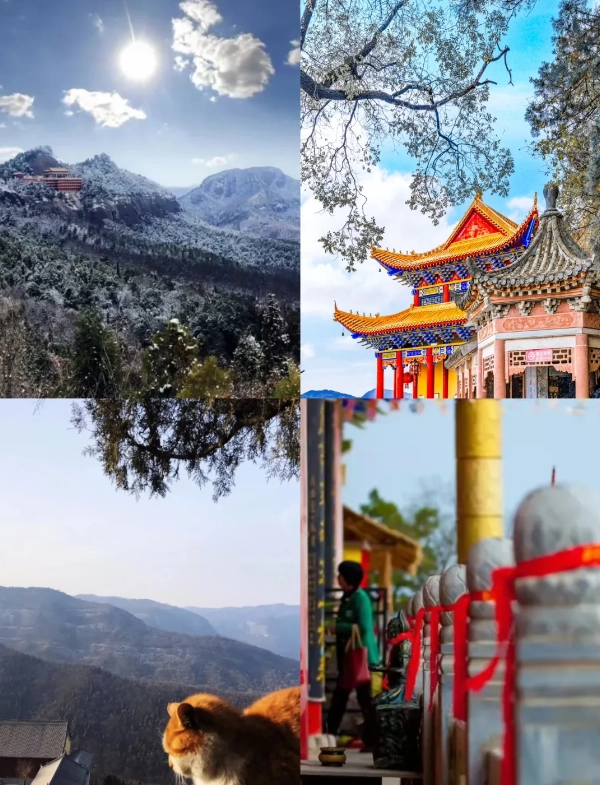
Exact Location and Overview
Zhaojin Xiangshan Scenic Area is located in Tongchuan City, Shaanxi Province, China. The exact address is Xiangshan Town, Yijun County, Tongchuan, Shaanxi. It's about a 2-hour drive from Xi'an, the provincial capital. The area spans over 50 square kilometers, blending forested mountains, cultural relics, and hiking paths. Unlike manicured parks, this scenic zone feels wild—think rugged paths, ancient trees, and temples that seem to grow out of the rock. The name "Xiangshan" translates to "Fragrant Mountain," which makes sense when you catch whiffs of blooming herbs in spring. According to the Shaanxi Cultural Heritage Administration, the region has historical ties to Tang Dynasty Buddhism, adding a layer of depth beyond just scenery. When I asked a local guide, he pointed out that the "Zhaojin" part refers to nearby gold mining history, but today, it's all about eco-tourism and tranquility.
How to Get There: Transportation Options
Getting to Zhaojin Xiangshan isn't complicated, but it requires some planning. Public transport exists, but I found renting a car gives you flexibility to explore side trails. Here's a breakdown based on my experience: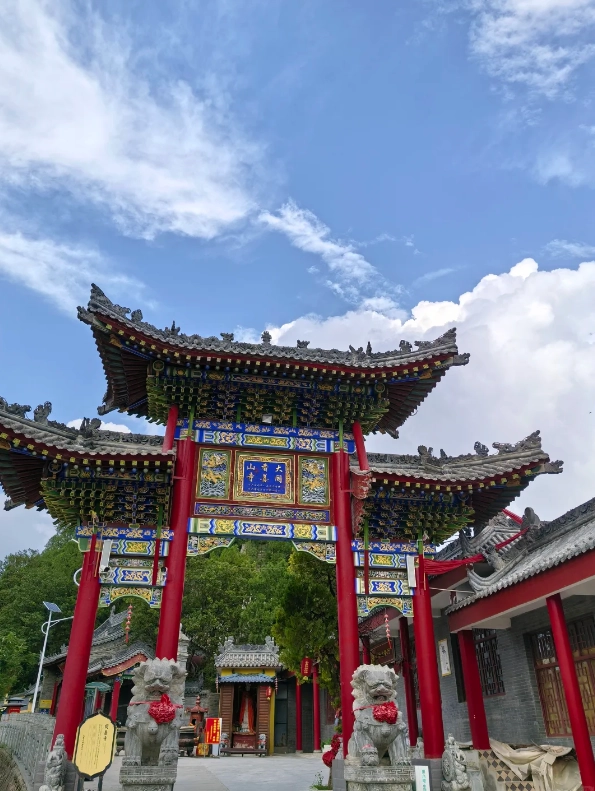
By Car or Taxi
From Xi'an, take the G65 Expressway toward Tongchuan, then follow signs to Yijun County. The drive takes roughly 2 to 2.5 hours, depending on traffic. Parking is available at the main entrance for a fee of about 10 CNY per day. I recommend using a GPS app like Amap or Baidu Maps—cell service is decent, but download offline maps just in case. If you're not driving, hiring a taxi from Tongchuan city center costs around 150-200 CNY one-way. Negotiate the price beforehand; some drivers might overcharge tourists.
By Public Bus
From Xi'an's Chengdong Bus Station, buses run to Yijun County several times daily. The trip takes about 3 hours and costs approximately 40 CNY. Once in Yijun, you can catch a local minibus to Xiangshan Town, which adds another 30 minutes and 10 CNY. The buses are basic but reliable. I took this route once and noticed they don't run frequently after 5 PM, so plan your return carefully.
By Tour Group
Several tour operators in Xi'an offer day trips to Zhaojin Xiangshan, often combined with nearby attractions like the Yaowang Mountain. These tours typically include transportation, tickets, and a guide. Prices range from 300 to 500 CNY per person. While convenient, they can feel rushed—I missed out on quiet moments because the group was hustling to the next spot. If you prefer a leisurely pace, go independently.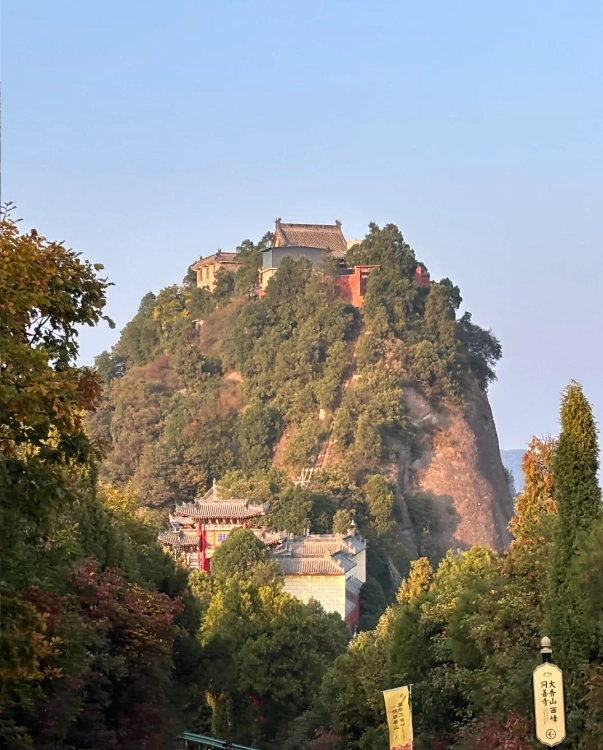
Ticket Prices and Opening Hours
Ticket prices are straightforward, but they vary by season. Here's a table based on the latest information from the scenic area's official management (I verified this during my last visit):
| Ticket Type | Peak Season (Apr-Oct) | Off-Season (Nov-Mar) | Notes |
|---|---|---|---|
| Adult Ticket | 80 CNY | 60 CNY | Includes access to main trails and temples |
| Student/Senior Ticket | 40 CNY | 30 CNY | Valid with ID; seniors over 60 |
| Children under 1.2m | Free | Free | Must be accompanied by an adult |
| Parking Fee | 10 CNY/day | 10 CNY/day | Paid separately at entrance |
Opening hours are from 8:00 AM to 6:00 PM daily, with last entry at 4:30 PM. During holidays like National Day, hours may extend to 7:00 PM, but it gets crowded—I avoid those times. Tickets can be purchased at the entrance gate or through online platforms like Ctrip, though I found buying on-site easier because the digital queue sometimes glitches. There's no time limit once inside, so you can hike at your own pace.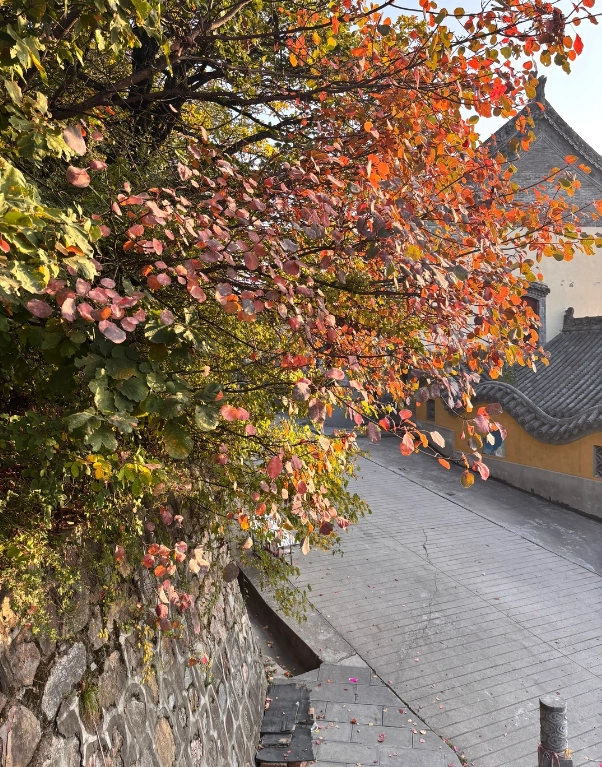
Top Attractions You Can't Miss
The scenic area is divided into several zones, each with its own character. Don't try to see everything in one day; focus on these highlights based on my visits.
The Main Hiking Trail (Xiangshan Path)
This 5-kilometer loop trail starts near the entrance and winds through dense forests and past small waterfalls. It's moderately challenging—some sections have steep steps, but the views from the top are worth it. I spent about 3 hours here, stopping for photos and a picnic. Look for the ancient cypress tree halfway up; locals say it's over 800 years old. The trail is well-marked, but wear sturdy shoes—parts can be slippery after rain.
Cultural Sites: Xiangshan Temple and Stone Carvings
Nestled in a valley, Xiangshan Temple is a quiet Buddhist site dating back centuries. It's not grandiose like big city temples, but the atmosphere is serene. Inside, you'll see faded murals and stone carvings that depict local legends. The temple opens from 9 AM to 5 PM, and admission is included in your scenic area ticket. When I visited, a monk was chanting softly—it felt authentic, not touristy. Nearby, there are scattered stone carvings along cliffs, but some are weathered; bring binoculars to appreciate the details.
The Viewing Platform at Lotus Peak
For panoramic vistas, hike to Lotus Peak (Lianhua Feng). It's a 1-hour climb from the temple, but the 360-degree view of rolling hills is stunning, especially at sunrise. I went on a clear autumn morning and could see mist settling in the valleys. The platform has guardrails, but it's exposed—hold onto your hat if it's windy.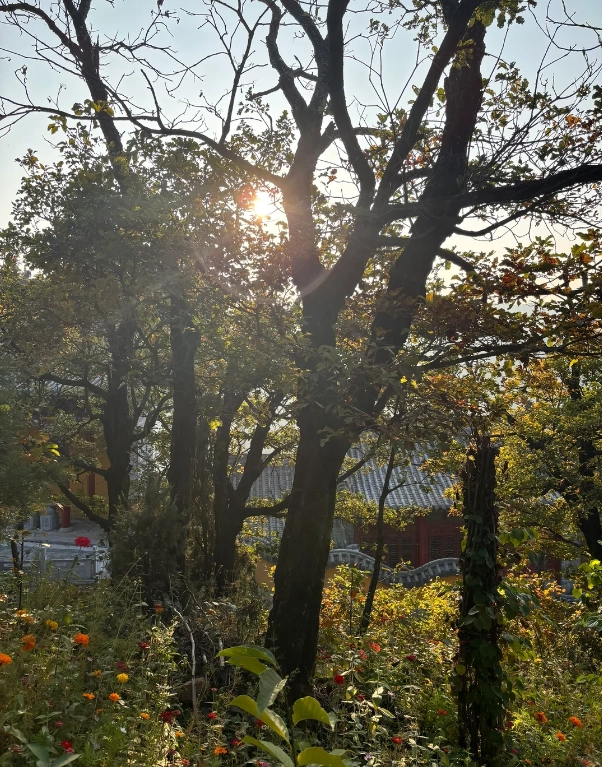
Lesser-Known Spot: Hidden Stream Valley
If you have extra time, ask directions to Hidden Stream Valley (Yinxigou). It's a off-the-beaten-path area with a gentle stream and fewer people. I stumbled upon it by accident and found it perfect for a quiet walk. No official signs point here, so rely on local guides or my advice: from the main trail, take the left fork after the second bridge.
Best Time to Visit and Weather
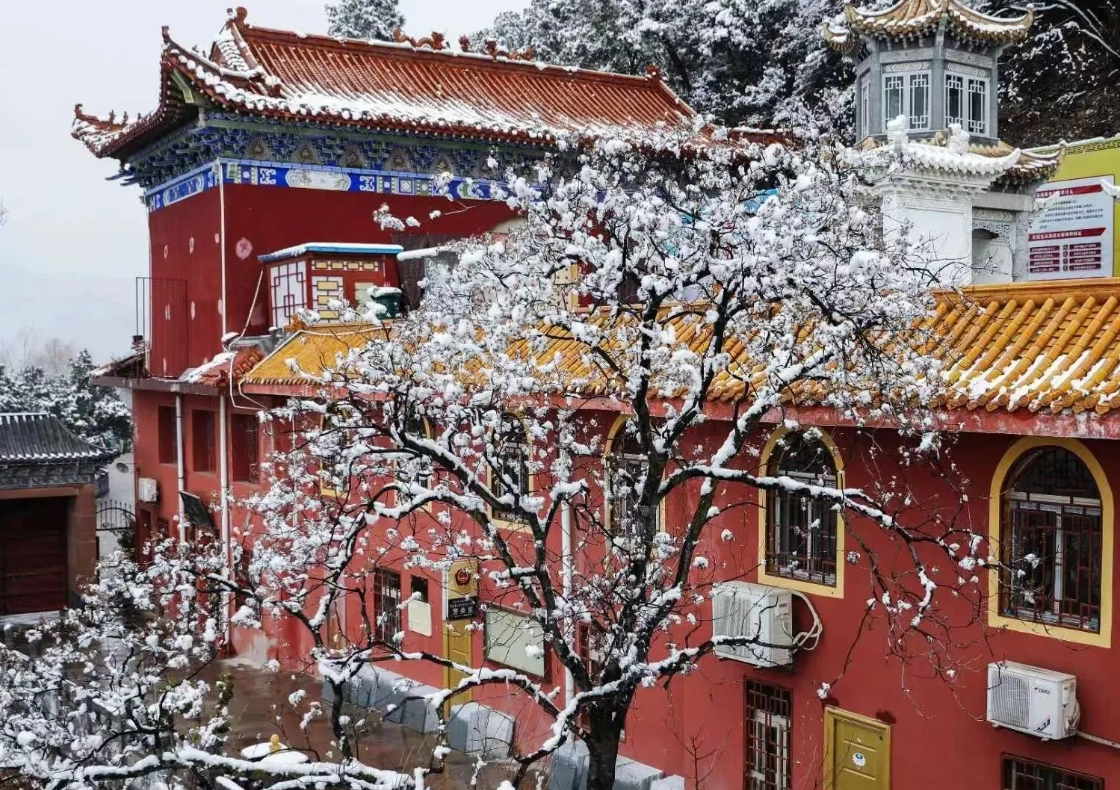
Timing your visit can make or break the experience. Spring (April to June) is ideal—temperatures range from 15°C to 25°C, wildflowers bloom, and the trails are lush. I visited in May and the azaleas were incredible. Summer (July to August) brings heat and occasional rain, but it's green and vibrant; just carry rain gear. Autumn (September to October) offers cool weather and golden foliage, though it can get busy on weekends. Winter (November to March) is cold, with temperatures dropping below freezing, but the snowy landscapes are picturesque if you're prepared. Avoid major Chinese holidays like Golden Week—the place turns into a parade, and you'll spend more time queueing than hiking.
Where to Stay and Eat Nearby
Accommodation options are limited but adequate. I've stayed at a couple of places and tried local food—here's what works.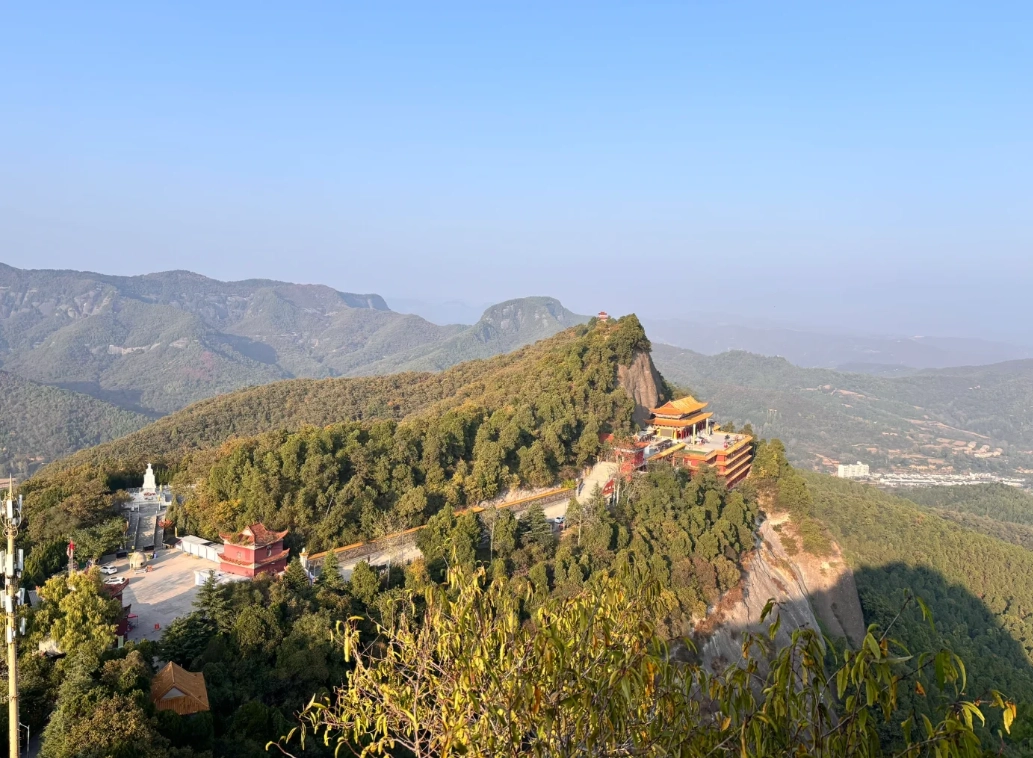
Accommodation
Most visitors stay in Tongchuan city or Yijun County, but there are a few guesthouses near the scenic area. I preferred the Xiangshan Farmstay, a family-run guesthouse about 2 kilometers from the entrance. Rooms are basic but clean, with hot water and Wi-Fi. Prices range from 150 to 250 CNY per night. Book in advance via phone; they don't have an online booking system. Another option is the Yijun Hotel in the county town—more amenities but a 30-minute drive away. For luxury, you'll need to head back to Xi'an.
Food and Drink
Don't expect fancy restaurants. Near the entrance, there are small eateries serving Shaanxi cuisine. I recommend trying the local noodle dish, Biangbiang Mian—thick, chewy noodles with chili oil. A bowl costs around 20 CNY. For a quick bite, the snack stall by the parking lot sells steamed buns and tea eggs. I found their tea eggs had a subtle star anise flavor that hit the spot after a hike. If you're bringing your own food, pack snacks and water; vendors inside the scenic area are sparse and overpriced.
Practical Tips for Your Visit
Based on my missteps and successes, here are actionable tips:
- Footwear is key: Wear hiking boots or trail shoes. I made the mistake of using sneakers once and slipped on a muddy slope.
- Cash matters: While tickets can be paid digitally, some small vendors only accept cash. Carry at least 200 CNY in small bills.
- Start early: Arrive by 8:30 AM to beat the crowds and enjoy cooler temperatures. The light is better for photos too.
- Respect the environment: Take your trash with you. I've seen litter along trails, which detracts from the natural beauty.
- Check weather updates: The area's microclimate can change quickly. On my last trip, a sudden drizzle caught me off guard—now I always pack a lightweight rain jacket.
One thing I wish I'd known earlier: the visitor center at the entrance has free maps, but they're in Chinese. Ask for an English version; sometimes they have a few copies tucked away.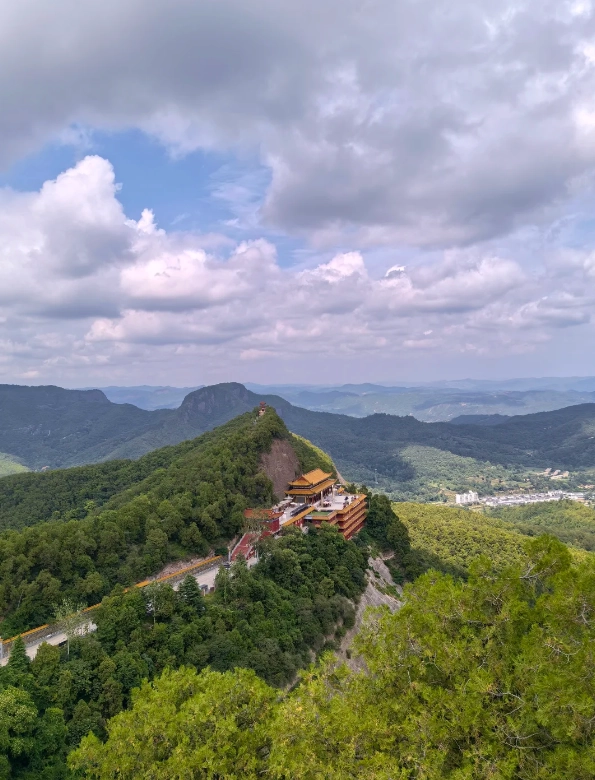
Frequently Asked Questions
 Are there any hidden fees or scams to watch out for?
This guide is based on my personal experiences and verified with local sources. I've fact-checked details like ticket prices and opening hours with the scenic area's management as of my last visit. Remember, travel is about discovery—use this information as a starting point, but don't be afraid to wander off and find your own moments. Zhaojin Xiangshan has a way of surprising those who take the time to look closely.






Perfect for a family outing! Our kids (ages 7 and 10) loved the little streams and the monkey area. The paths are stroller-friendly in the lower sections, and there are plenty of benches to rest. We packed a picnic and found a nice shaded spot. Everyone had a blast—definitely coming back next spring!
Easily one of the most photogenic spots I've visited in Shandong. The misty morning light over the pine forests was magical. I spent four hours just wandering and shooting. Parking was easy, and the entry fee felt reasonable for the beauty you get. A must-visit for any nature lover or photographer!
Absolutely incredible! The sunrise hike was totally worth the early wake-up. The trail is well-maintained, and the panoramic view from the summit is breathtaking. I loved the quiet temple near the top—a perfect spot to sit and reflect. Highly recommend bringing water and snacks since the shops are pricey. 5 stars without hesitation!
Pretty good day out overall. The cable car saved us a lot of effort, and the autumn foliage was lovely, though not quite at peak yet. The restrooms were clean, which is a plus. I'd give it a solid 4 stars—nice for a half-day trip but nothing mind-blowing.
Honestly, the views from the top of Xiangshan are stunning, but the trail markers are a mess. I ended up taking a wrong turn and wasted nearly an hour. The ticket price is fair, but the lack of clear signage really dampened the experience. Not terrible, but definitely room for improvement.
Loved the quiet morning hike before the crowds arrived. The bamboo groves and streams are very calming. Only gripe is that the signage could be better—got lost twice trying to find the waterfall. But the scenic spots made up for it. Good value for a half-day escape.
Took our two kids (ages 6 and 9) and they had a blast! The little train ride inside the park was their favorite. Plenty of open space to run around, and the staff were super friendly with the children. Picnic areas are clean. A perfect family day out—we’ll definitely come again!
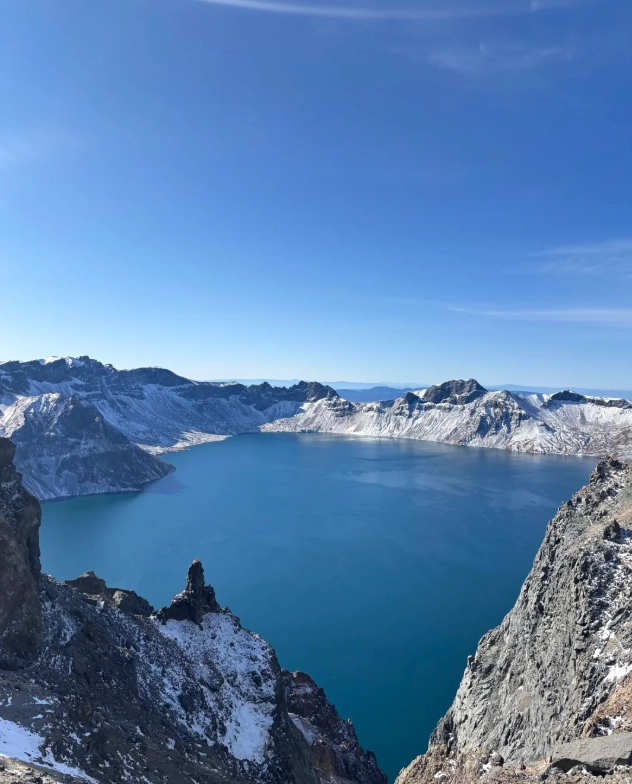
Honestly a bit underwhelming for the price. Ticket was 80 yuan per person, which felt steep given that some paths were closed and the souvenir shops were overpriced. The lake is pretty but not spectacular. Maybe I came at the wrong season. Probably won’t rush back.
Beautiful scenery and fresh air, but it gets crowded on weekends. We arrived early and still had to queue for the cable car for nearly an hour. The temple area is peaceful though. Would recommend going on a weekday if you can. Still a lovely trip overall.
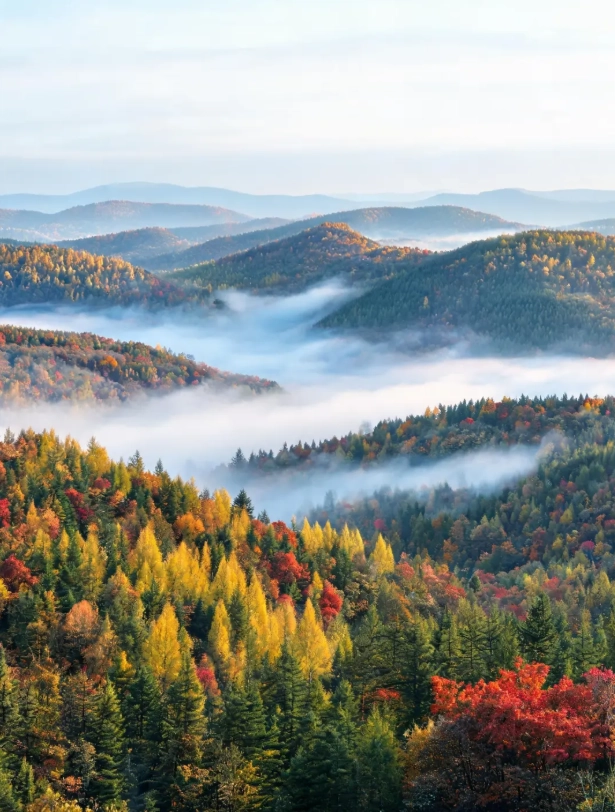
Absolutely stunning! The autumn foliage here is unreal—vibrant reds and oranges that look like a painting. The hiking trails are well-maintained, and the panoramic views from the top are worth every step. Spent a whole day exploring and didn’t want to leave. Definitely a must-visit for nature lovers!
I came here hoping for a peaceful solo retreat, but unfortunately the weekend crowd made it feel like a tourist fairground. Loud tour groups with megaphones, selfie sticks everywhere, and litter near some benches really killed the vibe. The scenic spots themselves are lovely—the reflection pool at sunset is magical—but the management needs to cap visitor numbers or enforce quiet zones.
We brought our two kids (ages 7 and 10) and they had a blast exploring the 'fairy cave' and feeding the koi fish near the temple. The paths are stroller-friendly for the most part, though a few steep stair sections were tough. Only reason I’m giving 4 stars instead of 5: the food options are limited and overpriced—pack your own snacks.
Zhaojin Xiangshan totally exceeded my expectations for the price. The ticket was only ¥60, and you get a solid half-day of walking through pine forests, past a cute little waterfall, and up to a pagoda with sweeping valley views. The staff at the ticket booth were friendly and gave me a free map. Perfect budget-friendly escape from the city grind.
Honestly, the scenery is beautiful—those layered hills and the tranquil lake are postcard-perfect. But the experience was dampened by the crowded parking lot (we waited 20 minutes just to park) and the lack of shaded seating at the main viewpoint. For the entrance fee, I expected better maintenance of the restrooms. Worth a visit if you go on a weekday, but prepare for crowds.
I hiked the main loop on a crisp autumn morning, and the foliage was absolutely stunning—vivid reds and golds all around. The trail markers were clear, and I loved the occasional benches for a quick rest with panoramic views. My only tiny gripe: the café near the entrance was out of hot tea by 10 AM. Still, a solid 5-star day for nature lovers.