 Peng Gao
What You'll Find in This Guide
Most people heading to Shaanxi Province make a beeline for the Terracotta Army in Xi'an. I did too, on my first trip. But on a later visit, a local friend insisted I see something different, a place that felt more like a local pilgrimage than a tourist stop. That's how I ended up on Yaowang Mountain, and honestly, it became the highlight of my trip. It's not just a scenic spot; it's a living monument to China's ancient medical wisdom, wrapped in quiet forests and steeped in a palpable sense of reverence. If you're tired of jostling through crowds and want a destination that offers both a physical hike and a cultural deep-dive, this is it.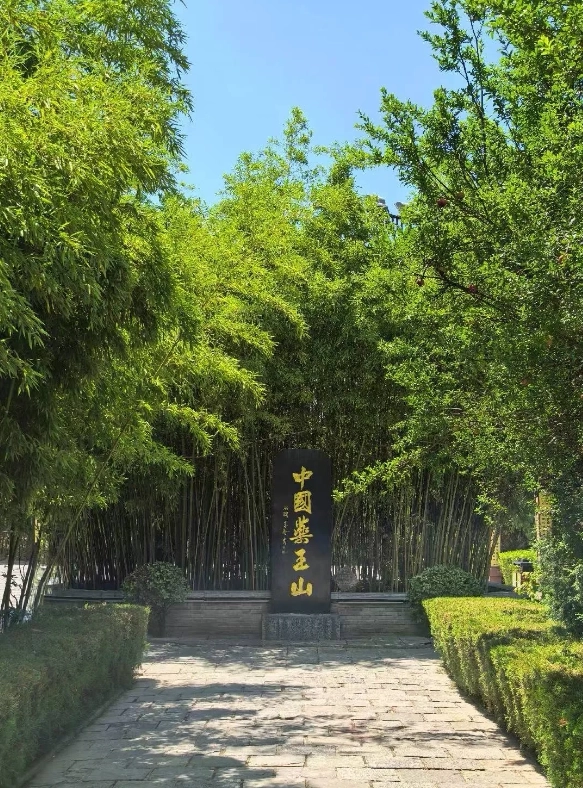
Why Yaowang Mountain is More Than Just a Hill
Yaowang Mountain translates to "Medicine King Mountain." The name comes from Sun Simiao, a legendary physician from the Tang Dynasty who is revered as the "King of Medicine" in Chinese history. He reportedly retreated to this mountain to cultivate medicinal herbs, write his seminal medical texts, and treat local villagers. That legacy shapes everything here. You're not just walking up a mountain; you're tracing the steps of a cultural icon. The air feels different—clean, pine-scented, and oddly refreshing. It's a national forest park, so the greenery is protected and lush, but the real soul of the place is in the temples, statues, and ancient stone carvings dedicated to medical knowledge. It's a niche interest for some, but for anyone curious about Chinese history beyond emperors and warriors, it's a goldmine.
A Personal Note: When I visited in late spring, the mountain was a tapestry of green. What struck me wasn't the grand scale (it's not a Himalayan peak) but the intimacy. Around a bend, I'd find a small shrine tucked into the rock face. In a quiet courtyard, an elderly caretaker was gently sweeping leaves, not for show, but as a daily act of care. This isn't a museum frozen in time; it's a place that's still actively respected.
Planning Your Visit: Tickets, Hours, and How to Get There
Let's get practical. Yaowang Mountain is located in Tongchuan City, about a 70-90 minute drive north of Xi'an. It's a very manageable day trip. The infrastructure is decent but not ultra-modern, which adds to its authentic charm (and presents a few minor challenges).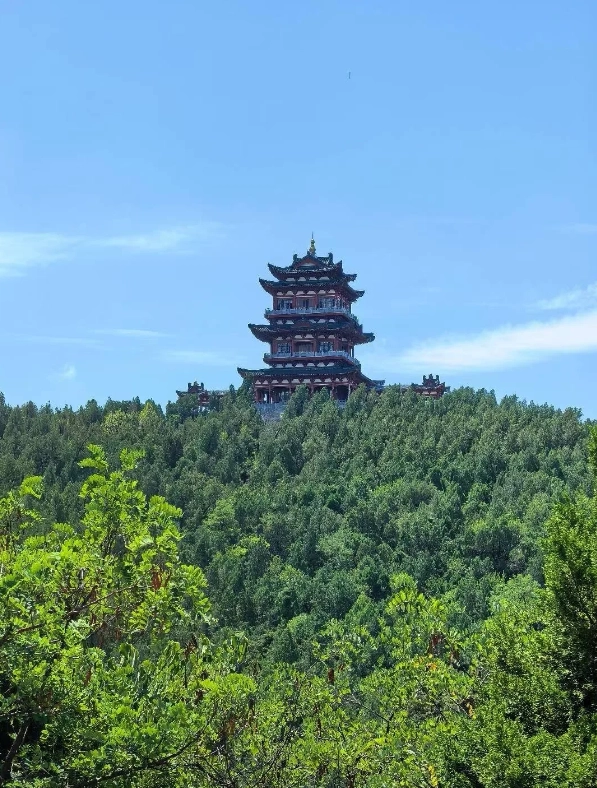
Essential Visit Information at a Glance
| Item | Details |
|---|---|
| Ticket Price (Peak Season) | Approximately 80 RMB per person. There are sometimes discounts for students, seniors, and groups. I found the price fair for the upkeep of the extensive trails and temple complexes. |
| Opening Hours | Generally 8:00 AM to 6:00 PM. The last entry is usually around 4:30 PM. I recommend arriving by 9 AM to have ample time without rushing. |
| Address for Navigation | Yaowang Mountain Scenic Area, Yaowang Town, Yaozhou District, Tongchuan City, Shaanxi Province. |
| Official Contact | For the most current info, you can check the Shaanxi Provincial Department of Culture and Tourism website. They sometimes list seasonal notices. |
Your Transportation Options
Getting there requires a bit of planning. There's no direct high-speed train station at the mountain.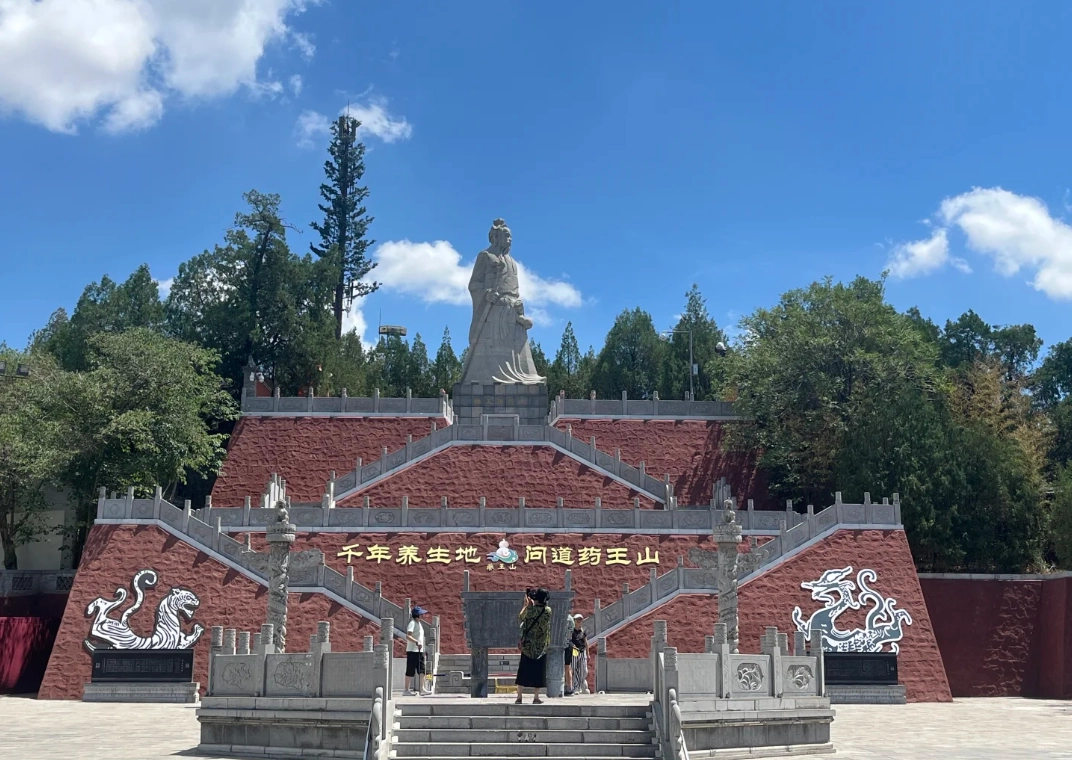
- By Chartered Car or Taxi: This is the most convenient and time-efficient method from Xi'an. The drive takes you through the changing landscape of the Guanzhong Plain. Expect to pay around 400-600 RMB for a round-trip, including waiting time. Negotiate the price and waiting terms before you leave.
- By Public Bus: You can take a long-distance bus from Xi'an's Chengdong Bus Station to Tongchuan, then transfer to a local bus (usually bus No. 6 or a dedicated tourist shuttle) heading to Yaowang Mountain. This is cheaper but involves transfers and can take over 2.5 hours one way. The bus schedules aren't always frequent, so factor in waiting time.
- By Tour Group: Many Xi'an-based tour operators offer day trips to Yaowang Mountain, often combined with the nearby Famen Temple. This removes all logistical headaches but offers less flexibility. I prefer the freedom of my own schedule, but for a hassle-free experience, it's a solid option.
A common mistake visitors make is underestimating travel time and ending up with only 2-3 hours on the mountain. That's barely enough. To truly appreciate it, you need 4-5 hours minimum.
The Hiking Experience: Trails, Views, and What to Expect Underfoot
The mountain has a developed network of stone steps and winding paths. It's a proper hike, not a casual stroll. The main route up from the south gate involves a steady climb of stone stairs through dense forest. The air gets cooler as you ascend, a welcome relief in summer.
There are two primary circuits you can follow, often forming a figure-eight. The eastern loop tends to be steeper and leads to some of the highest viewpoints overlooking Tongchuan. The western loop is slightly gentler and takes you past more of the historical sites, including the core temple area. My advice? Start with the western loop to immerse yourself in the history first when your energy is high, then decide if you have the legs for the eastern vista points.
The paths are well-maintained but can be slippery when damp—the stone steps are worn smooth by centuries of footsteps. I wore standard running shoes and was fine, but proper hiking shoes with good grip are a smarter choice, especially after rain. You won't find many vendors selling water or snacks once you're deep on the trails. Bring a bottle and some nuts or fruit from the small shops at the entrance.
The real reward, apart from the cultural sites, is the sense of tranquility. Even on a weekend with local visitors, the forest absorbs the sound. You'll hear birds, the wind in the pines, and the distant chime from a temple bell.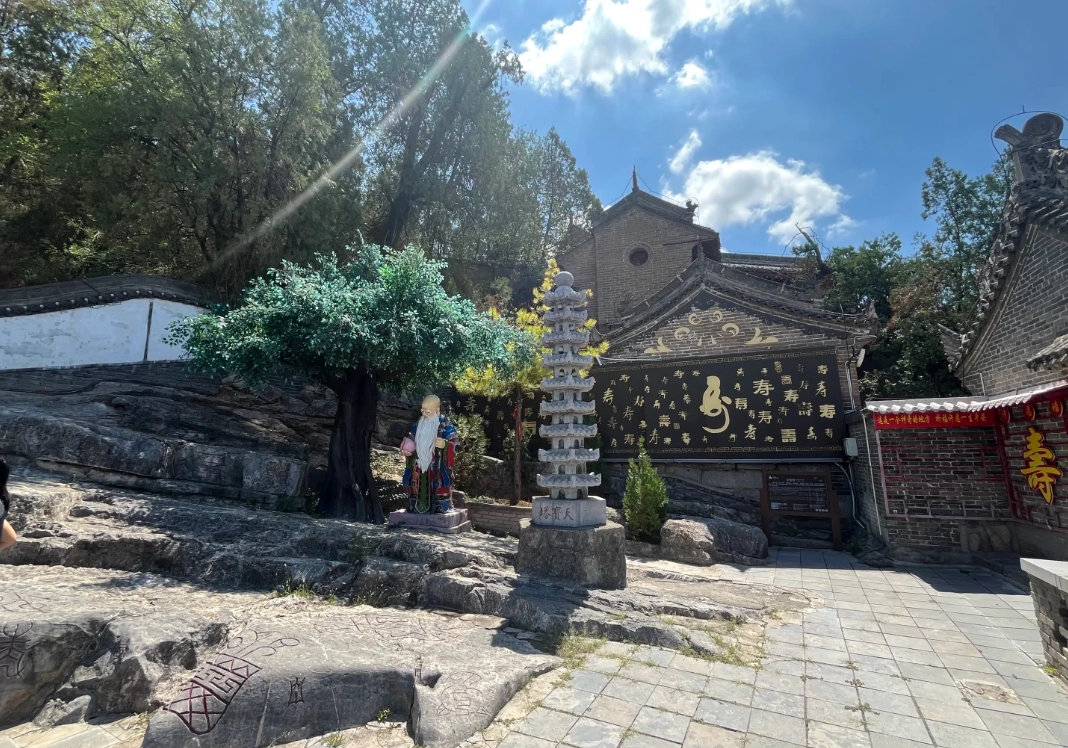
Cultural Exploration: From the Medicine King Hall to Ancient Inscriptions
This is the heart of the Yaowang Mountain experience. The sites are scattered across the slopes, so exploration feels organic.
The Yaowang Hall (Yaowang Dadian) is the central temple complex. It houses statues of Sun Simiao and other medical deities. The architecture is Ming and Qing Dynasty style, with dark wood and intricate roof details. Inside, you might see locals paying respects, not just as tourists but as people seeking blessings for health. It’s a working place of reverence.
For me, the most fascinating part was the "Bei Lin" or Forest of Stelae, and the Moya Stone Carvings. These are cliffs and stone tablets inscribed with ancient medical prescriptions, theories from Sun Simiao's works, and Buddhist sutras. It's an open-air library carved in stone. One carving details a recipe for a tonic; another lists acupuncture points. You don't need to be a doctor to appreciate the weight of history here. It's tangible evidence of how medical knowledge was preserved and shared.
A spot many first-timers miss is the "Zhen Jiu Tu" (Acupuncture Chart) carving on a north-facing cliff. It's not brightly painted or highlighted—you have to look for it. Finding it felt like a personal discovery, a direct connection to the practical knowledge this mountain celebrates.
Remember, these are cultural relics. Don't touch the carvings. The oils from your hands accelerate erosion. I saw a few tourists leaning on them for photos, which made the nearby caretaker visibly wince.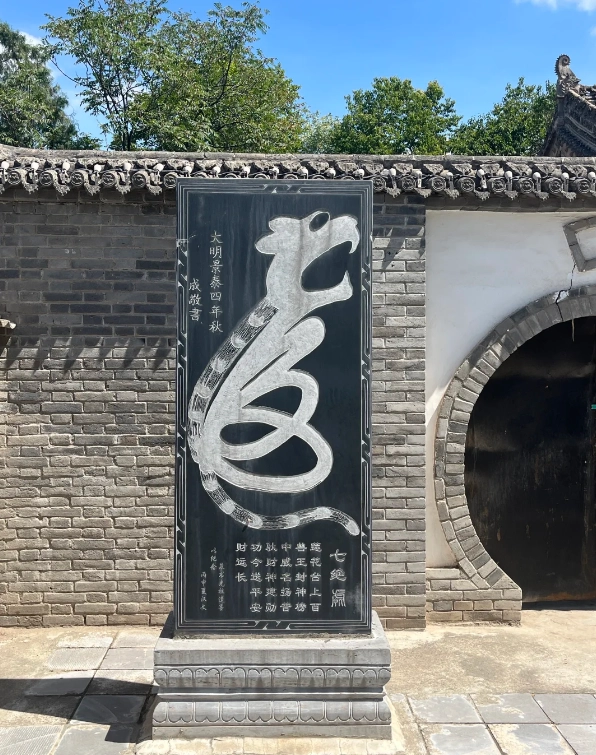
Your Yaowang Mountain Questions Answered
 How much time should I budget for a visit?
 Yaowang Mountain won't dazzle you with sheer spectacle. Instead, it invites you to slow down. It asks you to read stone inscriptions, to think about the history of healing, and to enjoy a quiet walk in a forest that has been considered sacred for over a thousand years. In a world of overcrowded attractions, that kind of experience is becoming rare. Pack your curiosity along with your hiking shoes, and you'll leave with more than just photos—you'll have a genuine sense of place.
This guide is based on personal visits and cross-referenced with local information. Details like ticket prices and bus numbers can change; it's always wise to check for the latest updates before your trip.





Hands down one of the best hiking-and-history combos I've done in Shaanxi. The trail is well-marked and offers plenty of shade, so even in summer it's bearable. The Medicine King's statue and the stone steles are incredible—so much detail preserved over centuries. I also loved the little souvenir shop near the exit with handmade herbal sachets. Five stars, no question. I'll definitely come back with my family.
This place is a hidden gem. I went on a weekday morning and had most of the mountain almost to myself. The fragrance of pine and wildflowers mixed with the incense from the temple was unforgettable. I spent over an hour just sitting in the pavilion near the top, watching clouds roll over the hills. The staff at the ticket gate were kind and helpful too. Highly recommend for a peaceful, soul-refreshing day trip.
Absolutely breathtaking! Yaowang Mountain exceeded every expectation. The winding stone staircases lead you through peaceful forests to the beautifully restored Medicine King Hall. I loved reading about Sun Simiao’s life and seeing the original medical texts inscribed on the cliffs. The air is so fresh, and the panoramic views of the surrounding peaks are stunning. A must-visit for anyone near Tongchuan!
We spent a solid half day here and really enjoyed the mix of history and nature. The Medicine King's temple is fascinating, and the ancient cypress trees are incredible—some are over a thousand years old! The only downside was the lack of clear signage in English, so we missed a couple of smaller shrines. Still, a solid 4-star experience for anyone interested in Chinese medicine and quiet mountain walks.
The climb up to the main temple was quite steep, and I honestly expected more well-maintained paths for the price of admission. The views from the top are decent, but the whole place felt a bit neglected—some of the stone carvings are heavily weathered and hard to make out. If you're really into TCM history, it's worth a quick stop, but don't expect a polished tourist experience.
Good value for a half-day trip. The ticket price is reasonable, and the hike offers nice exercise without being too grueling. I docked one star because the food options at the base are limited to instant noodles and overpriced snacks—bring your own lunch. Also, there weren't enough benches to rest along the way. But the views and historical vibe make it a solid 4.
As someone who studies traditional Chinese medicine, this was a dream come true. The museum has incredible artifacts—ancient acupuncture tools, herbal prescriptions, and even a replica of Sun Simiao's study. The mountain itself is lush, and you can smell wild mint and Artemisia along the trails. I spent hours here and still want to come back. Pure magic for herb nerds!
Honestly a bit disappointed. The concept of a Medicine King sanctuary is fascinating, but the site felt neglected—trash in a few spots, some pavilions closed for 'maintenance' with no explanation, and the signage in English was almost nonexistent. For the entrance fee, I expected better upkeep. The scenery is nice, but I wouldn't go out of my way again.
Great destination overall. The stone carvings and the Medicine King statue are impressive. My only gripe is that a few trail markers were faded or missing, so I took a wrong turn once. Also, the restroom near the entrance could use some attention. Still, the atmosphere is peaceful and the views are worth the effort. I'd recommend going early to avoid crowds.
Absolutely stunning! The hike up Yaowang Mountain rewards you with panoramic views of the surrounding valleys, and the ancient temples tucked among the pines feel like stepping back in time. I loved the little medicinal herb gardens—so educational. Bring water and wear good shoes; some stairs are steep but totally doable. A must-do for anyone in Shaanxi!